Hepper is reader-supported. When you buy via links on our site, we may earn an affiliate commission at no cost to you. Learn more.
Can Cats Eat Lemongrass? Vet-Reviewed Facts & FAQ


In this article
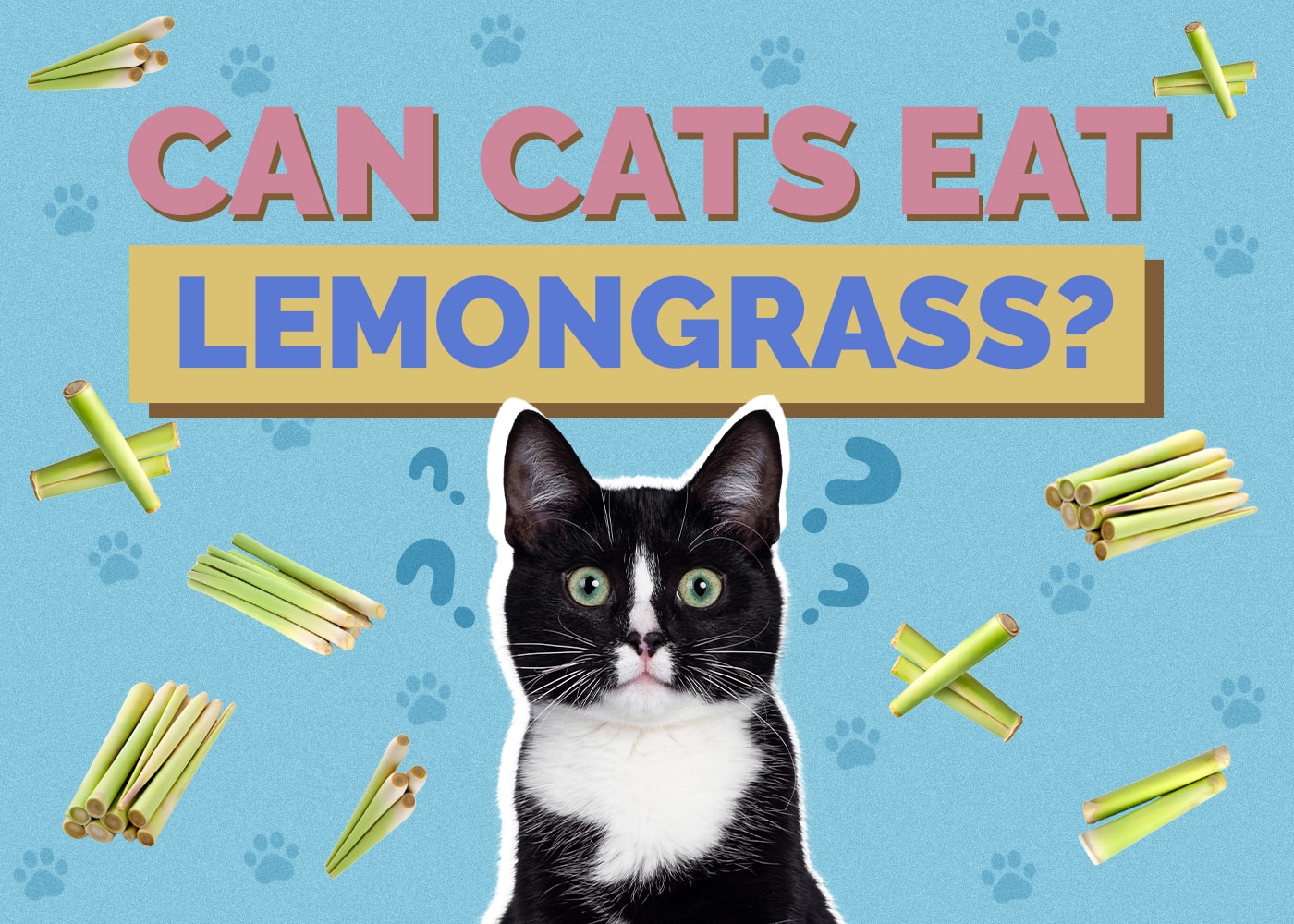
Lemongrasses make up several species of grass known for their strong, lemony scent. They are also sometimes called citronella grasses, although these are different species of the same family. Lemongrasses have many different uses today—from disinfectants and garden plants to seasoning—and are a popular source of essential oils.
But what will happen if your cat eats lemongrass? Since lemongrass is only a mild toxin to cats, most cases are not likely to cause a significant reaction. The majority of affected cats will develop an upset stomach and drooling. But if you keep lemongrass plants or lemongrass-based essential oils in your house, you should be aware of their potential dangers.

What Makes Lemongrass Toxic?
Lemongrass gets its scent from a compound called citronella. This blend has a strong, fresh scent and flavor. It's useful as a mild disinfectant and essential oil. Lemongrass can, however, be mildly poisonous to cats, leading to an upset stomach.1 Cyanogenic glycosides, the compounds in lemongrass that are responsible for these signs, are mostly harmless in small doses, but if the cat ends up eating larger doses of this firm grass, it can cause a stomach upset and intestinal blockages.
If you keep a small lemongrass plant in your house, supervise your cat, but don’t be too worried—the amount that your cat can reasonably eat isn’t enough to cause more than a mild upset stomach. However, some cats are keen grass chewers, and in this case, it would be best to keep lemongrass far away, as the plant is very fibrous, and eating too much could cause a blockage of the stomach or intestines that needs urgent veterinary attention.

Lemongrass Essential Oils

Lemongrass is a popular ingredient in essential oils. In its concentrated form, it can be a greater problem. Essential oils from lemongrass are often marketed under the names lemon, lemongrass, and citronella. It may also be a common ingredient in citrus blends. These oils all contain citronella in a concentrated form, which is more potent for cats than the fresh plant.
Essential Oil Poisoning in Cats
Essential oils are dangerous to cats in their concentrated form. Cats cannot metabolize concentrated essential oils properly, and if ingested, inhaled, or absorbed through the skin, they can cause serious health problems. The essential oils known to have the highest risks include peppermint oil, cinnamon oil, eucalyptus oil, and tea tree oil.
Although lemongrass essential oil has a low index of toxicity in comparison to some of these, it’s still best to keep it well out of your cat’s reach.

Signs of Lemongrass Essential Oil Poisoning
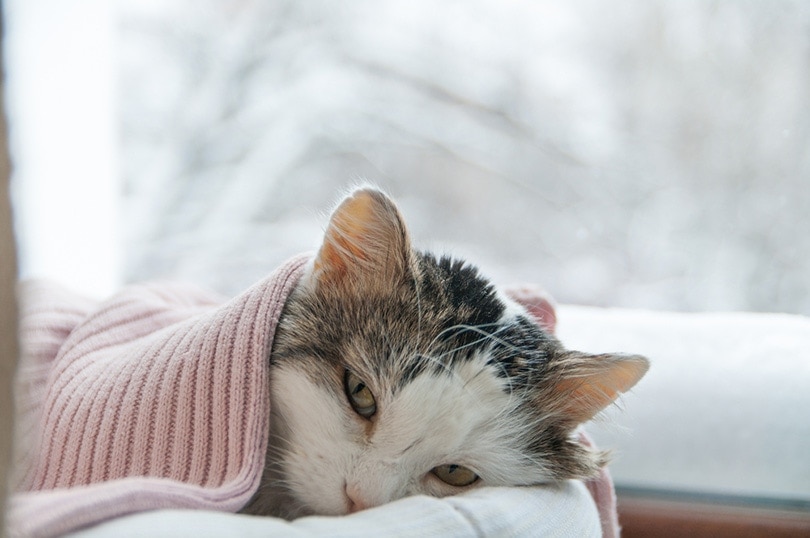
Signs of essential oil poisoning in cats can include vomiting, drooling, tremors and shaking, lethargy, irritation of the airways and difficulty breathing, seizures, and more seriously, liver failure. Ingestion, inhalation, or absorption of lemongrass-based oils can also lead to these signs, but most cases are mild. However, you should contact your vet if your cat came in contact with lemongrass or other essential oils.
These products should be kept away from your cat, as it’s better to be safe than sorry.
Treatment
If your cat has been exposed to lemongrass in large amounts or they are showing any signs of stomach upset or essential oil poisoning, first get them to a safe place. Make sure your cat is comfortable and remove any potential hazards. Then, call your veterinarian immediately to determine if they should be brought in for an evaluation or monitored at home. If your cat needs veterinary care, treatment will depend on the severity of the signs.
Diagnostic tests like bloodwork and X-rays (in the case of an intestinal blockage) may be necessary. Possible treatments for mild cases include stomach decontamination, intravenous fluids, and anti-nausea medication, while a gastrointestinal blockage requires surgery.
Best Grasses for Cats
Lemongrass in small amounts should not pose a serious risk. So, if it is part of your garden, you most likely don’t need to change it. But if your cat shows an interest in biting or chewing on lemongrass, you may want to replace it with a non-toxic grass for your cat to bite.
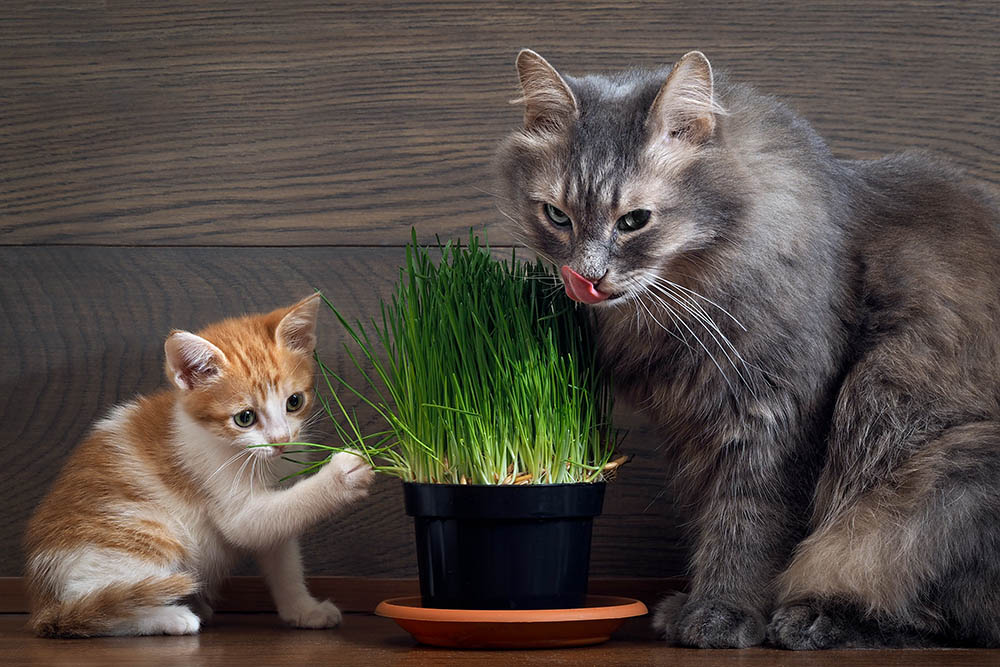
Good options include oat grass, wheatgrass, and alfalfa—all of these grasses grow easily and are not harmful to your cat’s health.
Conclusion
Lemongrass plants are unlikely to harm your cat in small amounts, but it’s still best to redirect your cat to a safer plant when it comes to nibbling. There are many different types of grass that are safe for cats and won’t cause poisoning.
Lemongrass essential oils are a different matter—if you think your cat has been exposed to lemongrass essential oils, contact your veterinarian straight away and watch closely for signs of poisoning.
See Also:
Sources
Featured Image Credit: WonderfulBali, Pixabay
Get Hepper In Your Inbox


Pet care tips from our vets and experts, straight to your inbox.
You may opt-out at any time. View our Privacy Policy for more information.
Chelsea Flake Mortensen is a writer with a passion for pets. She grew up around everything from cats to chameleons and loves working with all kinds of animals. Chelsea has a BA in English and Creative Writing from Brigham Young University.
Chelsea loves reading, writing, sewing, and board games. She's lived in half a dozen US states and two countries. She is currently living in New England with her husband. Her articles have been featured in various magazines and literary journals for children and adults. Her writing has been translated into over 40 languages.
Join the conversation
Ask a question, share your story, or send private feedback.