Hepper is reader-supported. When you buy via links on our site, we may earn an affiliate commission at no cost to you. Learn more.
Are Essential Oils Safe for Cats? Vet-Reviewed Risks & Safety Tips



Pet owners are always seeking the safest and most effective ways to keep their furry friends happy and healthy. Often, they turn to holistic remedies because they think these are better for their pets. Unfortunately, the health benefits of natural care items are frequently unproven. Remember, never try to care for your pet with any medication that you haven’t discussed with your veterinarian. Pet owners often wonder if they can use essential oils to treat their pets.
There is significant debate on the validity of essential oils to cure or prevent illnesses or symptoms in both humans and pets. However, when it comes to cats, one thing that is proven is that many essential oils are toxic to cats, and no essential oil is truly safe for cats. Keep reading to learn about the essential oils that you should never allow near your cat, how to protect your cat from essential oils, and what to do if your pet comes into contact with an oil that is toxic to them.

What Are Essential Oils?
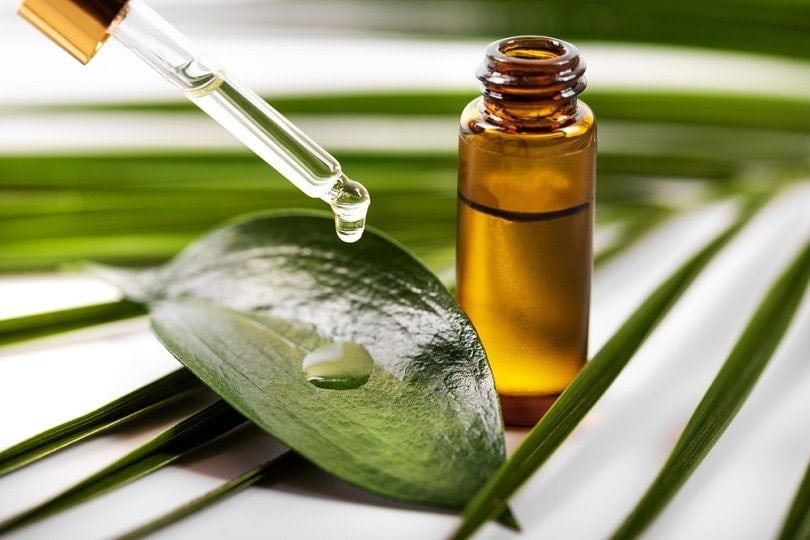
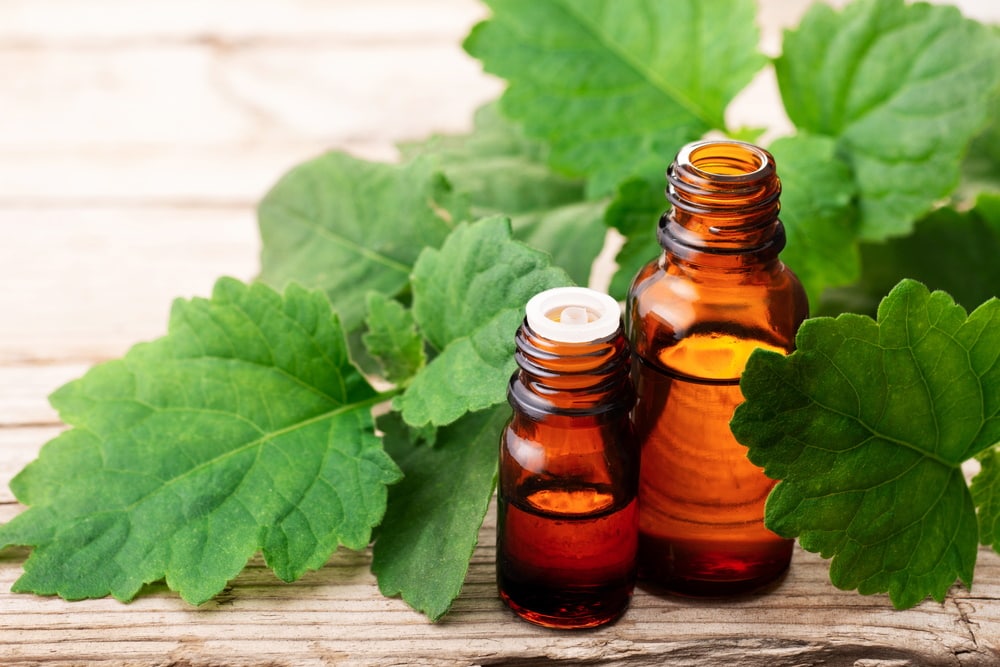
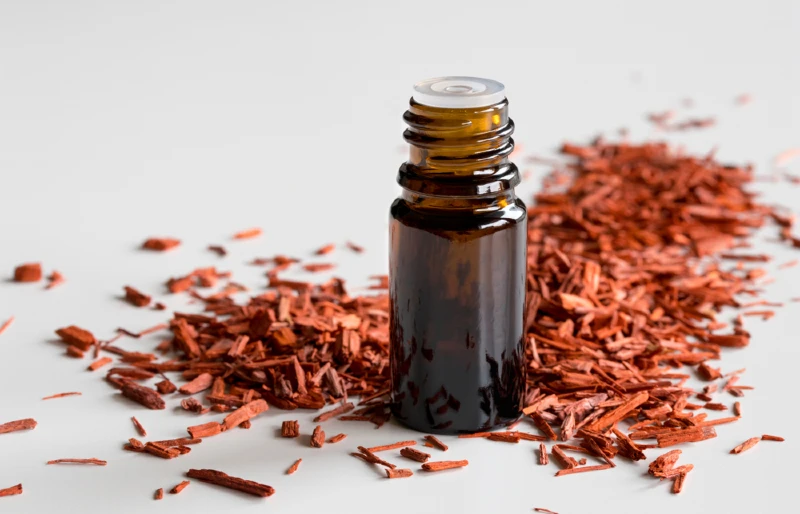
One thing to keep in mind about essential oils is, like human vitamins, there is no FDA oversight on them. This means any claims on the packaging should be read with a critical eye. That being said, essential oils are liquids in a concentrated form that contain plant extracts. The molecules that have been extracted are volatile, which means they can transform from gas to liquid to solid rapidly. You’ve probably seen them in stores or online attached to claims that they can treat and cure a wide variety of conditions. Even though their magical healing powers are debatable, essential oils aren’t harmful to humans. Cats, however, are a different story.

Cats and Essential Oils
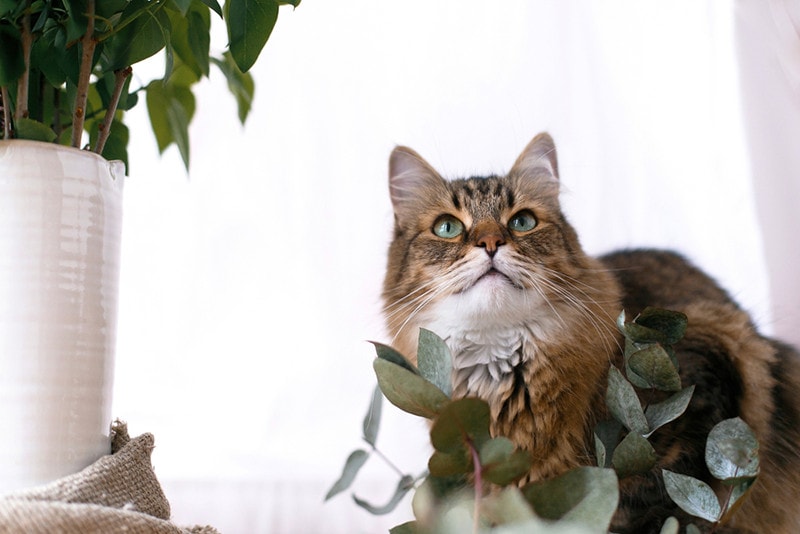
Cats and humans metabolize things differently. A cat’s liver cannot break down many essential oils. When exposed to these oils, cats may experience symptoms ranging from mild skin irritation to liver failure and death1.
Among the oils that contain compounds your cat cannot break down are:
As you can see, many essential oils can harm your cat.
Protecting Your Cat From Essential Oils
Unfortunately, many products that people commonly use in their homes contain essential oils. These include:
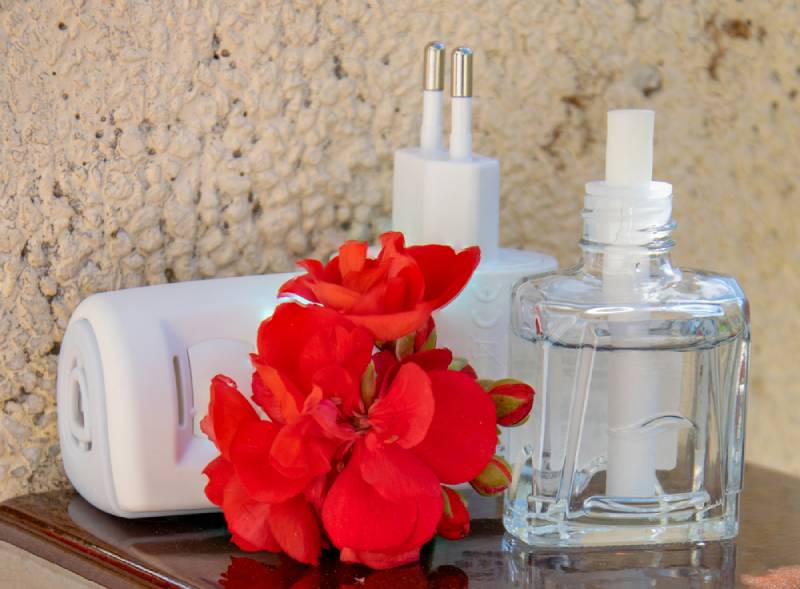
To keep your cats safe, you’ll want to store these products in a secure place where they cannot get to them. When you clean your home, be mindful to not leave cleaning products out. You should also keep your cats in a different room if you’re using products containing these oils. Veterinarians also recommend avoiding the use of oil diffusers in your home when you have cats. Even a small amount of oil can be harmful if ingested. Furthermore, breathing in the vapor containing the oil can cause respiratory distress.
Essential Oils On Cats’ Skin
You may also come across essential oils in topical products. One common place these oils are found is in “natural” flea control products. While it might seem like the natural approach is an ideal way to control fleas and ticks on your pets, that isn’t the case. Often these products aren’t regulated by the EPA. They can cause severe reactions in both cats and dogs and are best avoided.

What To Do If Your Cat Comes Into Contact With Essential Oils
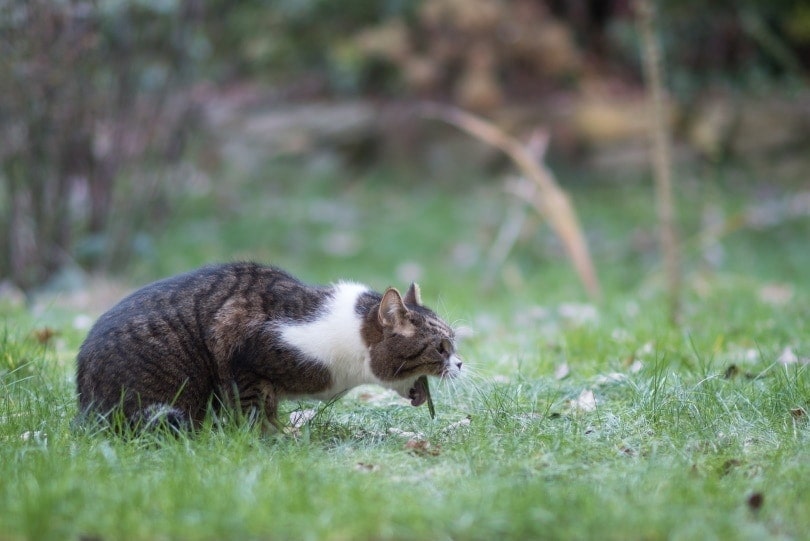
If your cat somehow does come into contact with essential oils in your home, you should get them to the veterinarian as soon as possible. Some signs that your cat is experiencing a reaction to essential oils include:
- Watery eyes or runny nose
- Vomiting or drooling
- Red lips, gums, or skin
- Difficulty breathing
- Wheezing or coughing
- Low heart rate
- Body tremors
- Lethargy
- Low body temperature
Veterinarians recommend moving a pet that has inhaled an essential oil product to fresh air right away. They don’t suggest inducing vomiting, as this can cause further inflammation of the lungs. When you do bring your cat to the vet, try to bring the product packaging with you so that the vet knows what is causing the issue. Quick action is necessary. If left untreated, permanent liver, kidney, and neurological damage may result. In severe cases, exposure might be fatal.

Conclusion
We all like our house to smell nice and appreciate the calming effect certain scents have on our moods. However, if you’re a cat owner, it is best to avoid using essential oil-containing products. These oils can spell big trouble for your furry friend if they are inhaled, ingested, or applied to the skin. To eliminate the risk, you should find alternative ways to clean and deodorize your home.
Related Read: Is Frankincense Safe for Cats? Vet Approved Facts
Featured Image Credit: Madeleine Steinbach, Shutterstock
Get Hepper In Your Inbox


Pet care tips from our vets and experts, straight to your inbox.
You may opt-out at any time. View our Privacy Policy for more information.
Oliver (Ollie) Jones is a zoologist turned freelance animal writer living in South Australia with his partner Alex and their mini zoo consisting of many aquatic creatures, dog Pepper, and of course, cat Steve. Ollie is originally from the USA and holds a Master's degree in wildlife biology. He hopes to share his feline knowledge and expertise with people so they can share in his passion and help their cats live their best lives.
Join the conversation
Ask a question, share your story, or send private feedback.