Hepper blog

Search our database of over 9,984 posts with up-to-date information from our experts and veterinarians.

Hepper is reader-supported. When you buy via links on our site, we may earn an affiliate commission at no cost to you. Learn more.

Are Hostas Poisonous to Cats? Vet-Reviewed Facts

By Nicole Cosgrove · Reviewed & fact-checked by Dr. Lorna WhittemoreVet Approved
Dr. Lorna Whittemore
Reviewed & Fact-Checked byDr. Lorna WhittemoreVeterinarian
Lorna is a Scottish vet who has lived, studied, and worked on three continents and has a love of travel. With 20 years of experience in small animal medicine andsurgery, both in the charity and private sector. Gaining a further qualification in feline medicine has given her a continued sense of amazement at the fabulous animals. Currently living in Cape Town, South Africa, with her family and expanding number of pets allows her to spend time in and around nature where she is at her happiest. With a love for learning, Lorna is enjoying researching, editing, and fact-checking for Hepper veterinary editorial team and truly feels that she has the best job in the world!View authorThe information is current and up-to-date in accordance with the latest veterinarian research. Read about our vets
Share
Hostas

When getting a pet, there are so many things to consider. However, one of the things that we may overlook when getting a pet is the environment.

Often, pet owners don’t recognize or think of the potential hazards in their homes that can potentially poison or kill their pets. For instance, there are many plants in your house or yard that can be harmful to your cat, and hostas are one of them. Hostas are toxic to cats. Keep reading for more!

What are Hostas?

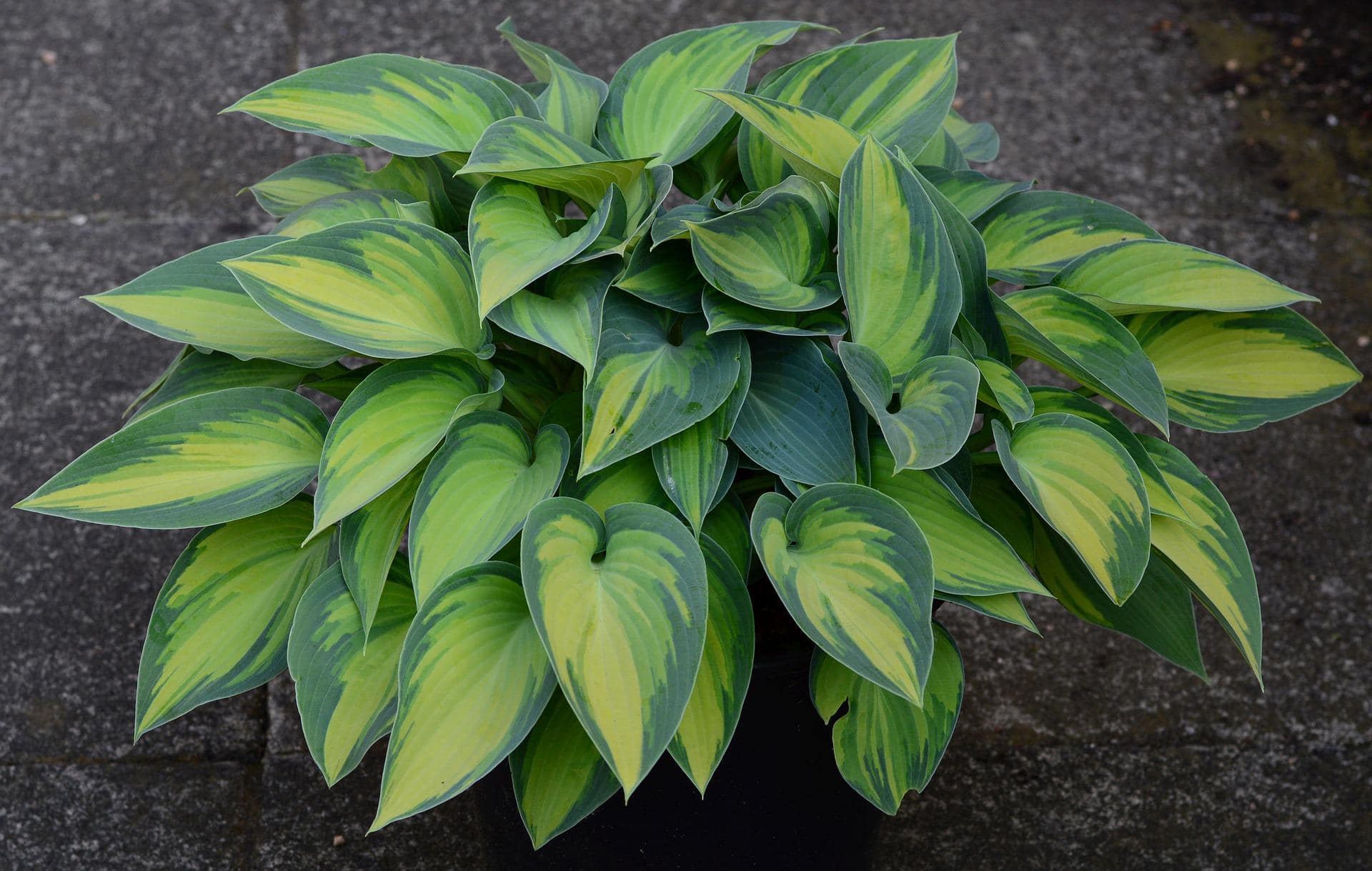
According to the American Society for the Prevention of Cruelty to Animals (ASPCA), hostas (also known as plantain lily, funkia, or the scientific name Hosta plantaginea) are toxic to cats, dogs, and horses. They contain saponins which are bitter tasting and result in usually mild vomiting and diarrhea. Monitor your cat closely if they have eaten some of your hosta plant and contact your veterinarian if you have any concerns.

Hosta are among the most popular and most sold perennials in the world. The numerous varieties, along with their low-maintenance, make them desirable and they can be found in many gardens and landscapes in the U.S. With approximately 45 species and 17 types of hostas, there are plenty to choose from with varying leaves, colors, and sizes.

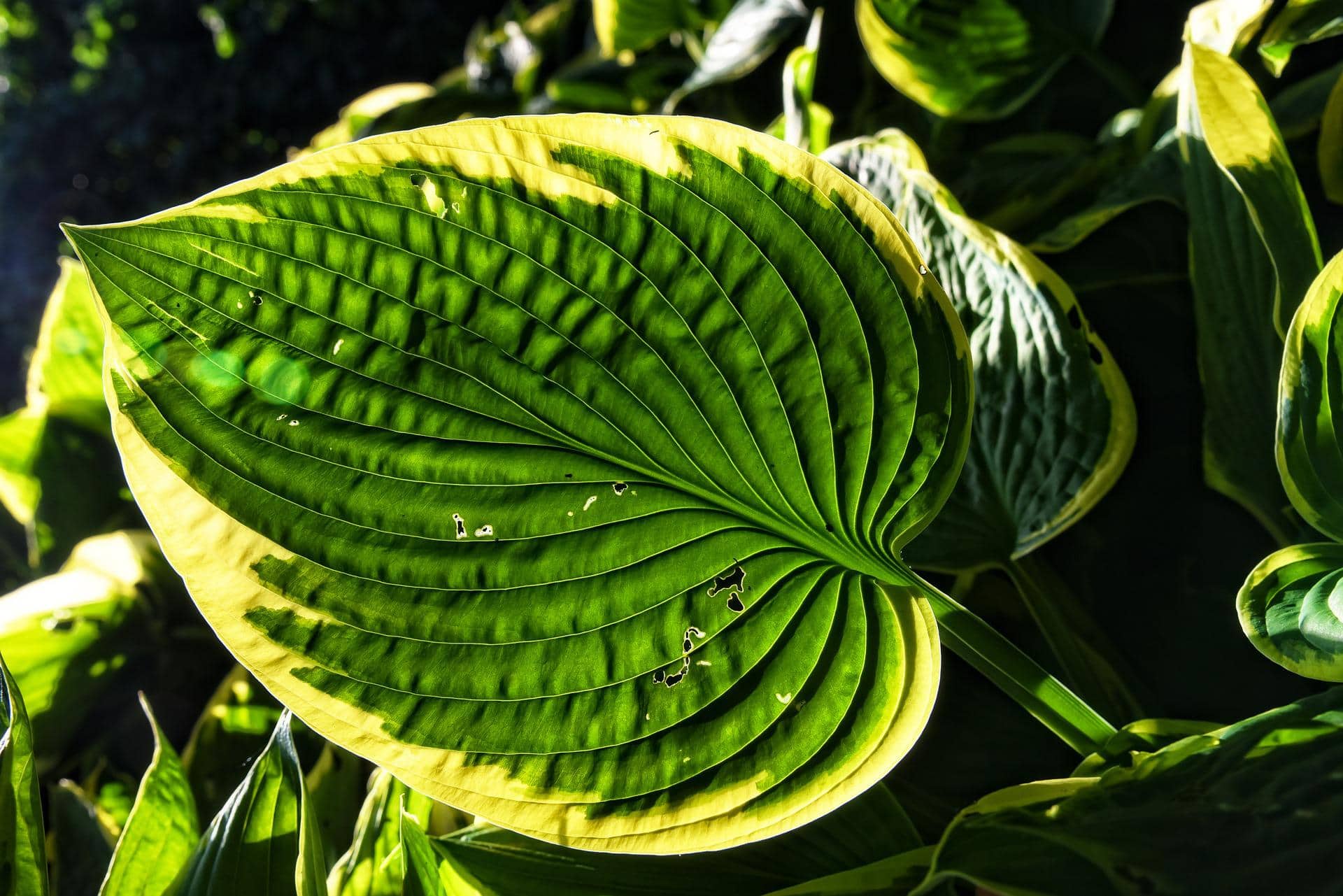
Hostas
Image Credit: Gaz_D, Pixabay

Types of Hostas

Due to the versatility and abundance of choices in hostas, chances are they can be found in many areas, which increases the risk of your pet ingesting one at some point accidentally. If you have a cat or plan to get one, it may be a good time to familiarize yourself with the different types of hostas and other plants that are harmful to them.

  • Hosta whirlwind: Grown mostly in the shade, this plant has green and white, heart-shaped leaves with centers that darken in late summer. From mid to late summer, it grows funnel-shaped upright with lavender blooms.
  • Hosta gracillima: A dwarf (mini) plant, with glossy, lance-shaped leaves that grow upright with lavender-blue flowers with purple stripes in late summer and fall.
  • Hosta komodo dragon: One of the largest of the Hosta family, it has large bluish-green leaves that bloom in the summer months and gets funnel-shaped, lavender blooms as it grows.
  • Hosta crispula: This hosta has leaves that are dark green with cream markings. The leaves are curly and wavy and they make great ground cover in shady gardens. In early summer, it gets a lavender upright bloom as it grows.
  • Hosta halcyon: One of the slowest growing hostas, it has bluish green, spear-shaped leaves with late summer pale lavender blooms.
  • Hosta guacamole: A fragrant hosta with oval leaves that are yellowish green with gold streaks toward the center. The leaves overlap and grow white flowers in the summer.
  • Hosta alligator alley: Used for borders, beds, edging, patios, and containers, it has heart-shaped leaves with yellow-green center. In the summer, the puckered leaves turn yellow with a blue-green edge.
  • Hosta august moon: When exposed to the sun, the yellow-green, lopsided leaves turn bright yellow, which lends itself to the name “August Moon”.
  • Hosta autumn frost: A plant with blue-green leaves with bright yellow edges that turns to creamy white as the leaves mature and support lavender flowers.
  • Hosta blue angel: One of the biggest of the hosta types, it has thick blue-green leaves that have lavender flowers in summer.
  • Hosta hyacinthina: When matured, the appearance of the blue-green leaves turns to grayish green with creamy edges. The puckered leaves support the lavender flowers that grow in mid to late summer.
  • Hosta American halo: This plant has large blue-green leaves with a white edge and white flowers that bloom in summer.
  • Hosta June: This is a hosta with a thick mound of bluish-green, irregularly shaped leaves with a center of green-yellow and lavender flowers that grow in late summer.
  • Hosta first mate: This is a small hosta with thin cream-yellow leaves and blue-green star-shaped lavender flowers in the summer months.
  • Hosta royal standard: One of the few hostas that have a solid, bright green leaf that will turn yellow-green if put in full sun. The white flowers that grow from the lavender buds are very fragrant, so it is used in living areas, beds, and on patios.
  • Hosta Frances Williams: Grown in full or partial shade and known for attracting hummingbirds, this is one of the more popular hostas. It has thick blue-green leaves with wide yellow-green edges and pale lilac flowers.
  • Hosta geisha: This plant has glossy, yellowish-green leaves with olive green edges and star-like violet flowers in late summer.

Other plants that are poisonous to your cat include spring bulbs, azalea, rhododendron, chrysanthemum, daffodil, amaryllis, castor bean, and autumn crocus. These should be avoided, if possible.

Keeping Your Cat Safe

The best way to keep your pet from getting poisoned by a hosta or any other plant that may be toxic is to keep your cat indoors. If you want to allow your cat outdoor time, you may need to put safety measures in place, such as putting up a cat fence or getting a catio.

Plants are also a wonderful way to make your home feel warm and cozy. Unfortunately, cats like them too. They like to chew on them and slap the leaves until they fall off. If you love your plants, having a pet shouldn’t prevent you from enjoying them.

One way to have both your cat and your plants is to grow plants that cats don’t like. Felines avoid plants with a strong smell or ones they don’t like to touch. For instance, a cat will be turned off by the smell of rosemary and will avoid touching cactuses or roses due to the thorns.

Another option for enjoying your plants, and your cats too, is to cat-proof your plants. You can put little stones around the plant or put orange and lemon peels in your pots. Spraying the leaves of your plants with lemon juice or orange oil is also a way to deter your cat from eating or playing with them. Be sure not to use any citrus oil extracts or fragrances that are toxic to cats.

If your cat is persistent, you may want to keep your plants in a room that is off-limits to your cat or place some small plastic pots with lemon balm and catnip throughout your home. Hopefully, giving them plants of their own will keep them off yours.

Conclusion

It’s important for us to be able to enjoy our plants while keeping our cats safe. However, knowing the signs of plant poisoning and avoiding poisonous house and garden plants is essential to their well-being. In doing so, you can look forward to the relaxation of gardening and the smell of freshly cut flowers while protecting the health and safety of your furry friend. Hostas are mildly toxic to cats so monitor for signs of gastrointestinal distress.

Sources

Featured Image Credit: MabelAmber, Pixabay

Get Hepper In Your Inbox

Pet care tips from our vets and experts, straight to your inbox.

List

Select all that apply.

You may opt-out at any time. View our Privacy Policy for more information.

Nicole Cosgrove
Authored by

Nicole Cosgrove

Join the conversation

Ask a question, share your story, or send private feedback.

Rate this post
Required to post. Only our editors see your rating.
Who should see this?

A human reviews every comment before it appears. Your email is never published.

Picked to go with this article

Are Irises Poisonous to Cats? Vet-Verified Facts, Risks & Tips

Are Irises Poisonous to Cats? Vet-Verified Facts, Risks & Tips

Irises add beautiful splashes of color to your garden and indoor space, but are cats drawn to these flowers? Is it safe to let your cat eat an iris flower? No,…

Kathryn Copeland
By Kathryn Copeland ·
Can Cats Eat Peace Lilies? Vet-Approved Facts & Plant Safety

Can Cats Eat Peace Lilies? Vet-Approved Facts & Plant Safety

The peace lily, also called the Mauna loa plant (Spathiphyllum), is a common indoor houseplant that only requires moderate sunlight to grow properly. If you’re…

Nicole Cosgrove
By Nicole Cosgrove ·
Is Ivy Toxic to Cats? Keeping Your Cat Safe

Is Ivy Toxic to Cats? Keeping Your Cat Safe

As a cat owner, it’s your responsibility to keep your pet safe. This includes being wary of anything that can cause harm to your cat, including some houseplant…

Nicole Cosgrove
By Nicole Cosgrove ·
12 Plants That Are Poisonous or Toxic to Cats (With Pictures)

12 Plants That Are Poisonous or Toxic to Cats (With Pictures)

Cats are curious by nature and love to check out new things. They're also notorious for getting into things that we don't want them to touch! We want to keep o…

Nicole Cosgrove
By Nicole Cosgrove ·

Keep reading

More stories you might like

Is Hibiscus Poisonous to Cats? Vet-Reviewed Facts & Tips

As naturally curious animals, cats often nibble on plants growing in the house and garden. If your cat is nibbling on your hibiscus plant, you shouldn’t be con…

Nicole Cosgrove
By Nicole Cosgrove ·
Is Hibiscus Poisonous to Cats? Vet-Reviewed Facts & Tips
Is Cyclamen Toxic to Cats? Vet-Reviewed Risks & FAQ

We all love to brighten our homes with fresh flowers every now and then. As a winter bloomer, cyclamen is the perfect way to keep your house cheerful even in t…

Nicole Cosgrove
By Nicole Cosgrove ·
Is Cyclamen Toxic to Cats? Vet-Reviewed Risks & FAQ

Are Yucca Plants Poisonous To Cats? What You Need to Know

Cats and plants are common in households, but they don’t always mix well. Cats are curious animals that sometimes like to chew, lick, and eat things. While it…

Oliver Jones
By Oliver Jones ·
Are Yucca Plants Poisonous To Cats? What You Need to Know

Can Cats Eat Lilies? Vet-Approved Risks & Poison Prevention

Cats are curious creatures. Some of them get into things they shouldn’t when they’re investigating their surroundings. But if you keep lilies in the house, you…

Nicole Cosgrove
By Nicole Cosgrove ·
Can Cats Eat Lilies? Vet-Approved Risks & Poison Prevention

Are Calla Lilies Poisonous to Cats? (Vet Answer)

Calla lily plants produce beautiful flowers that are highly recognizable for their popular, trumpet-like shape. While the white calla lily is one of the most w…

Dr. Lindsay Bisset
By Dr. Lindsay Bisset ·
Are Calla Lilies Poisonous to Cats? (Vet Answer)

Are Hydrangeas Poisonous to Cats? Vet-Reviewed Safety Facts

Hydrangeas are a garden showstopper, and it’s easy to see why. These flowers are a great way to add color to your garden with big balls of blooms that come in…

Chelsie Fraser
By Chelsie Fraser ·
Are Hydrangeas Poisonous to Cats? Vet-Reviewed Safety Facts

Are Lilacs Poisonous to Cats? Vet Approved Facts to Keep Your Cat Safe

Lilacs are a lovely spring flower that many can recognize instantly. Lilac has a soft, supple smell that is light and airy. It isn’t uncommon to see this flowe…

Nicole Cosgrove
By Nicole Cosgrove ·
Are Lilacs Poisonous to Cats? Vet Approved Facts to Keep Your Cat Safe

Can Cats Eat Mint? Vet Reviewed Nutrition Facts & FAQ

If you’re concerned about whether it’s safe for a cat to eat mint, then most likely you’re a cat parent and your curious kitty has gotten into something they s…

Nicole Cosgrove
By Nicole Cosgrove ·
Can Cats Eat Mint? Vet Reviewed Nutrition Facts & FAQ