Hepper is reader-supported. When you buy via links on our site, we may earn an affiliate commission at no cost to you. Learn more.
Can Cats Eat Oysters? Vet-Approved Nutritional Facts & FAQ


In this article
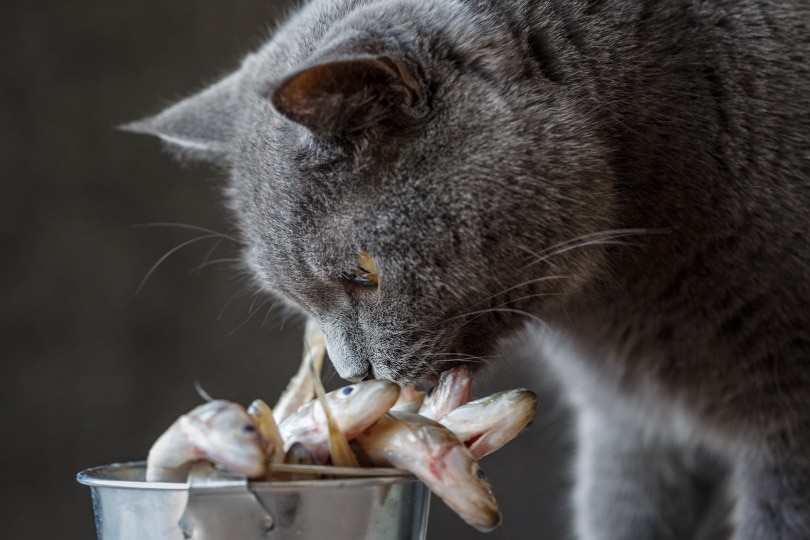
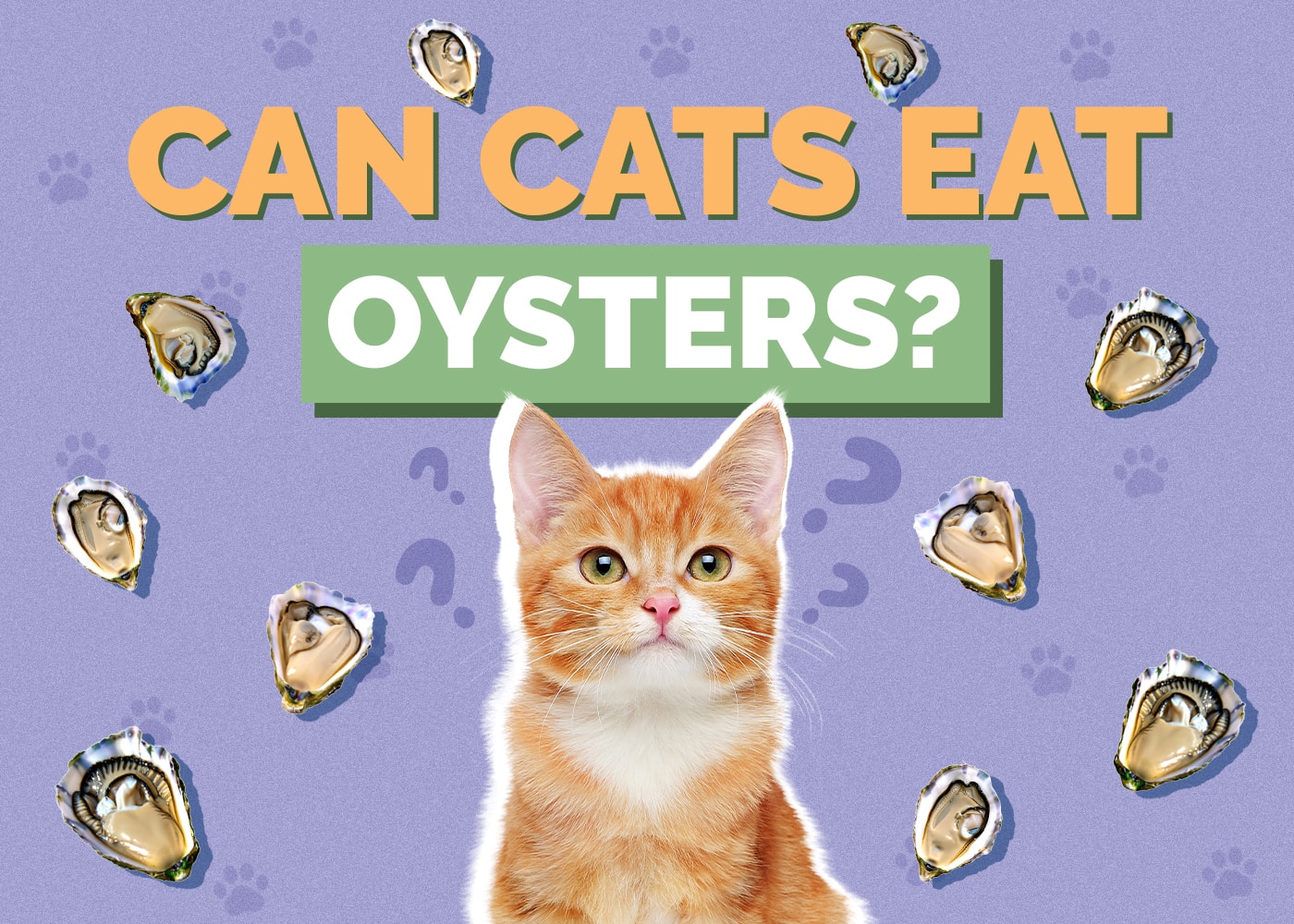
We all know that our sweet kitties go gaga over seafood—so, it’s natural to wonder what they can snack on. Of course, you probably don’t want to know about oysters as a primary diet, but what about an occasional snack? The answer is yes, cats could eat oysters, but you have to take some precautions.

What Are Oysters?
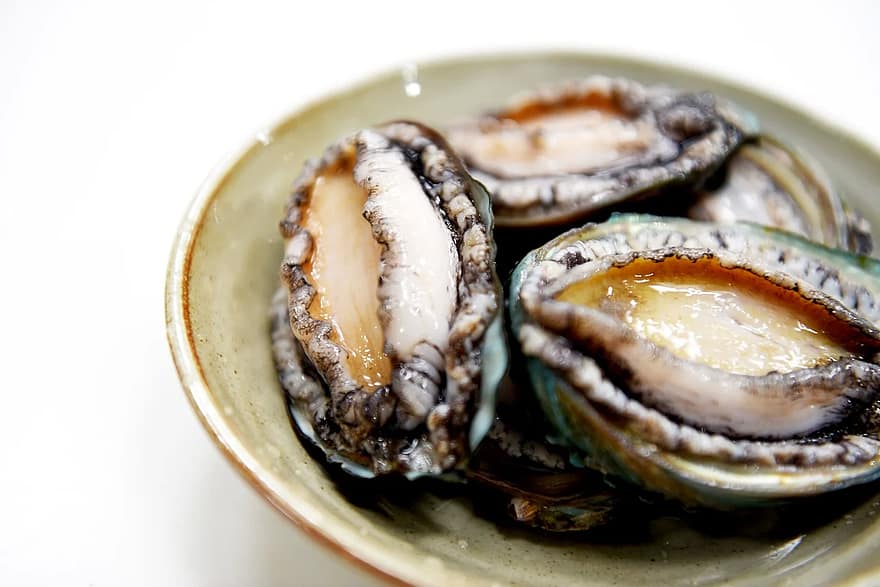
Oysters are bivalve mollusks with irregular shells. When you think of an oyster, pearls, or seafood dishes might come to mind. Oysters are both wild-caught and farmed for these purposes.
Oysters are typically prepared raw, though some are served cooked. While this might seem like a tasty treat your cat would enjoy, it could have negative consequences on your feline.
Oyster Nutrition Facts
Per 6 Medium Oysters
Raw Oyster Bacteria
Often, oysters are served raw. While cats will be immediately drawn to their savory flavor and intense aroma, uncooked oysters carry a bacteria called vibrio vulnificus. If this bacterium gets into your cat's intestinal tract, it can cause problems such as vomiting, diarrhea, dehydration, and even death.
Once an oyster is boiled, this bacterium dies rapidly.
If your cat gets into your seafood dinner when you aren't aware, and the oysters were raw keep a close eye on your kitty. If you notice any sign of gastrointestinal infection such as vomiting, diarrhea, or behavioral changes it is safer to visit the vet.
Seafood Allergies
In addition, certain kitties can be highly sensitive to shellfish. Like any other protein, a sensitivity or allergic reaction is another possible risk. While allergic reactions are often simply a small annoyance, the reaction should pass and will not reappear as long as the cat is not ingesting oysters.
Oysters Aren’t All Bad
Although we don't condone feeding your cat oysters in any way, it is a shame they can't have them for a frequent snack. Oysters contain incredible components like omega-3 fatty acids and high protein. In fact, there are many benefits for humans who eat oysters. You can read more about that here.
Luckily, cats can reap the same benefits with perfectly safe foods you can offer them at home.

What to Do If Your Cat Ate Oysters
There is no need to panic if your cat ate an oyster, especially if it was cooked. Keep the cat under close observation for a couple of hours and if you see any signs of physical discomfort or stress, gastrointestinal symptoms, or an allergic reaction, bring the cat to the vet. The vet can give you exact instructions based on your unique situation.
However, if your cat is already showing signs of discomfort, don’t hesitate to take them in for evaluation.
Cats and Oysters: Final Thoughts
Even though cats crave seafood, oysters should be taken with precautions and moderation. If they had a very tiny amount, and the oyster was cooked it likely won’t have any serious negative consequences.
See also:
Featured Image Credit: Pxfuel
Get Hepper In Your Inbox


Pet care tips from our vets and experts, straight to your inbox.
You may opt-out at any time. View our Privacy Policy for more information.
Ashley Bates, a freelance writer with a passion for pets, is currently studying animal therapy. She is a mother to four children and 23 pets, both furry and feathery. Ashley actively volunteers at local shelters, advocates for animal welfare, and rescues animals in distress. Her mission is to promote awareness, education, and entertainment about pets to help prevent animal homelessness. She specializes in the care and well-being of dogs and cats.
Join the conversation
Ask a question, share your story, or send private feedback.