Hepper is reader-supported. When you buy via links on our site, we may earn an affiliate commission at no cost to you. Learn more.
Can Cats Eat Scallops? Vet-Reviewed Safety Facts


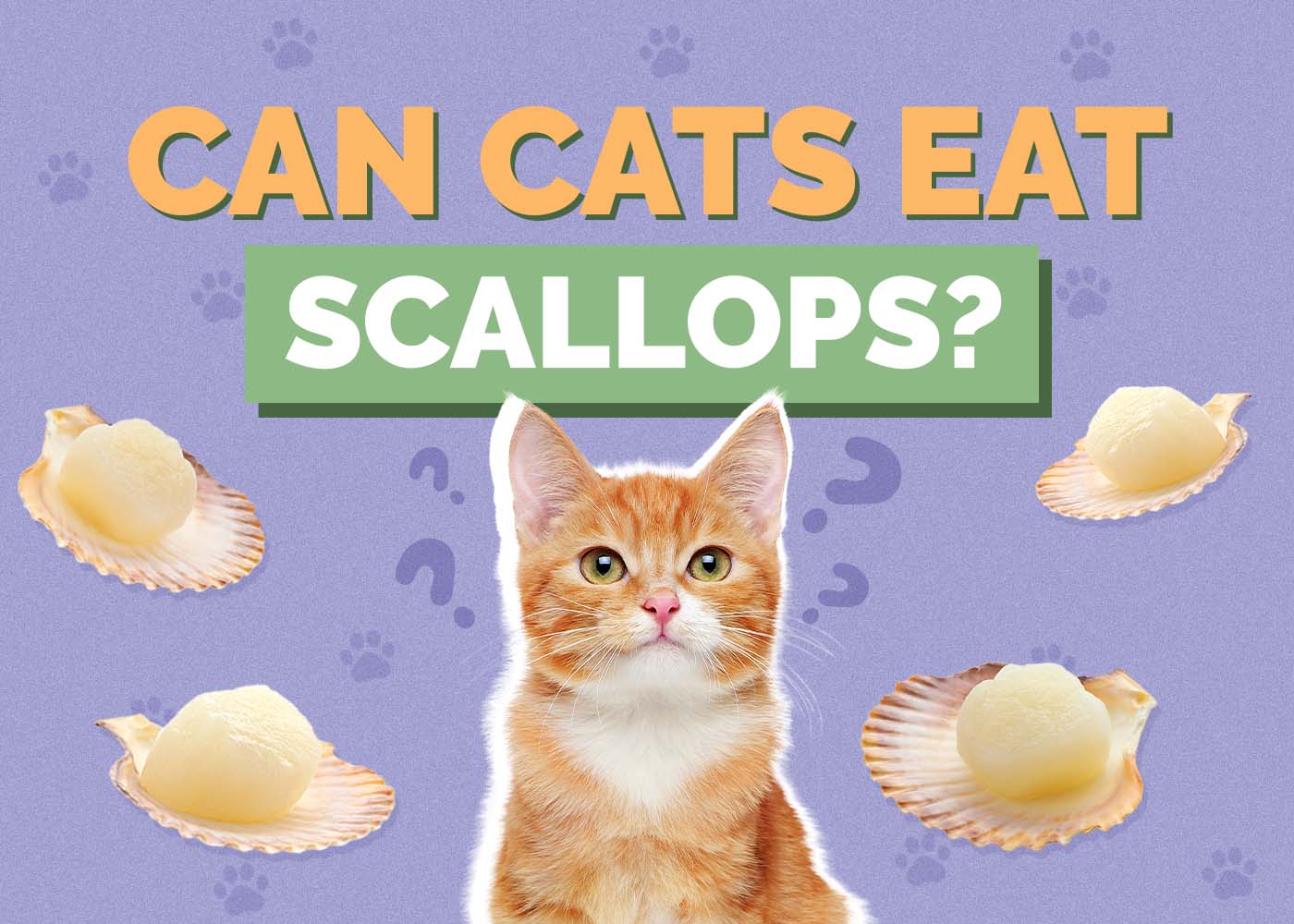
Scallops are often considered a delicacy for many people due to their cost and availability. They are also packed full of flavorful goodness that may leave your cat staring at you and meowing for a bite. But is it safe for your cat to share your scallops with you? Are scallops good for cats? In short, yes. Cooked scallops are a safe treat to give your cat very occasionally. However, as with any new food you’re planning to introduce into your cat’s diet, it is best to consult with your veterinarian. Here’s everything you need to know about giving scallops to your cat.

Can Cats Eat Scallops?
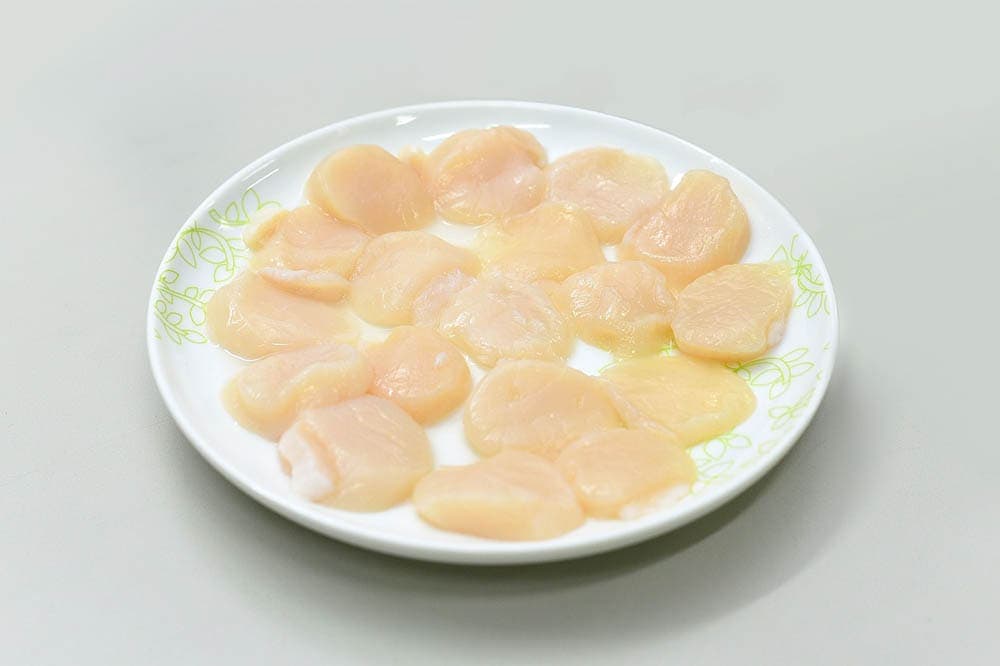
Yes, scallops are a nontoxic food that is safe for cats to eat. However, cats should only be given fully cooked scallops.
Raw scallops can cause food poisoning. They can carry bacteria such as Salmonella. It’s important to make sure any scallops you offer to your cat are fully cooked and not expired. If you think they smell off and you’re planning to offer them to your cat since you aren’t going to eat them, you should reconsider your decision, as this can do far more harm to your cat than good.
Are Scallops Good for Cats?
When offered in moderation, scallops can be a healthy addition to your cat’s diet. Scallops are a good source of lean protein and contain small amounts of healthy fats, primarily omega-3 fatty acids. They are also a good source of vitamin B12, sodium, potassium, zinc, magnesium, iron, phosphorus, selenium, copper, and choline. These are important nutrients for cats, making cooked scallops a good choice.
Raw scallops contain thiaminase, an enzyme that can break down thiamine (vitamin B1) and keep it from being absorbed by the body, which can cause a thiamine deficiency. Thiamine deficiency in cats can lead to severe neurological signs, like vision loss, incoordination, and seizures.
Raw scallops can also lead to food-borne illnesses, like Salmonella and Escherichia coli. Some sources claim that humans can safely eat raw scallops, but the sourcing and handling of the scallops play a huge part in the safety of this dish. To keep your cat safe, it’s best to avoid offering raw scallops no matter what.
How Many Scallops Can I Give My Cat?
You can offer your cat scallops occasionally, approximately once or twice monthly, but you can discuss this with your vet if you would like to feed them more regularly. Although they are nutrient-dense, your cat should be fed a complete and balanced diet that contains all the necessary nutrients for your cat’s health, and scallops should be given just as a treat.
A few bite-sized pieces of scallop meat are all your cat really needs. Keep in mind that cats are much smaller than people, so they have far lower calorie needs. A 3-ounce scallop portion contains approximately 95 kilocalories, which accounts for more than 30% of the daily caloric needs of most cats.
It’s also important to keep in mind that scallops are filter feeders that consume microparticles from the water and filter through large amounts of water per day relative to their small size. This makes them at risk for accumulating heavy metals within their tissues, including lead, mercury, cadmium, and even arsenic. If fed in large quantities, heavy metals can build up in the body over time, leading to serious illness and even death. Farmed scallops are at a lower risk of accumulating heavy metals than wild-caught scallops are.
In Conclusion
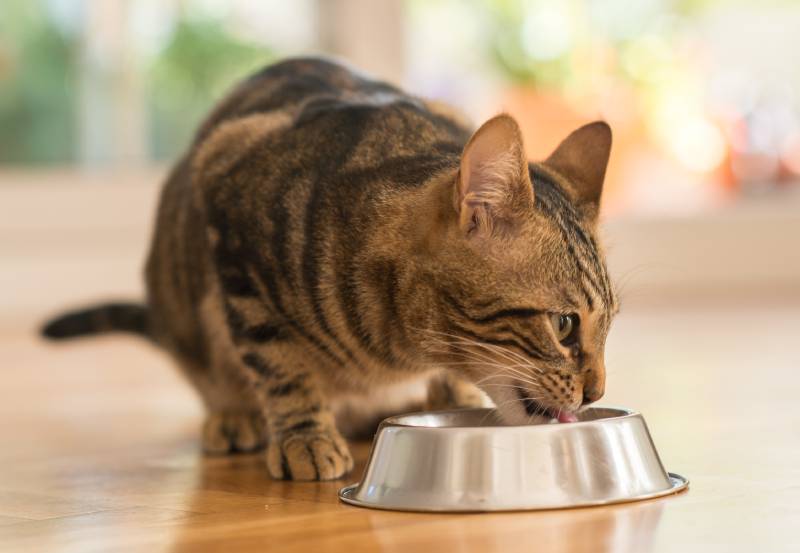
Cooked scallops can be a yummy treat to offer to your cat. They should only be offered in small quantities and as a treat, not as a primary protein in your cat’s diet. Cooking the scallops is necessary to ensure the safety of your cat. Raw scallops can lead to your cat suffering from a thiamine deficiency or food-borne illness.
They are rich in multiple nutrients, are a great source of lean protein, and contain some omega fatty acids, which can support your cat’s brain, eyes, skin, coat, muscle, and joint health. They are a good source of multiple vitamins and minerals essential to a cat’s health, and they are a flavorful treat that will leave your kitty coming back for more.
Limit your cat’s scallop intake to approximately once or twice monthly, though, and only feed small quantities at a time. Make sure to talk to your cat’s vet about their daily calorie needs. This can help you determine how many calories of treats your cat can have in a day without leading to weight gain over time.
Related Read:
Featured Image Credit: meineresterampe, Pixabay
Get Hepper In Your Inbox


Pet care tips from our vets and experts, straight to your inbox.
You may opt-out at any time. View our Privacy Policy for more information.
After nine years as a veterinary assistant, Brooke Billingsley transitioned to a career as a nurse in 2013. She lives in Arkansas with her boyfriend, sharing their home with three dogs, two cats, five fish, and two snails. A dedicated animal lover, Brooke has a special place in her heart for special needs pets, including a three-legged senior dog and a famous cat with acromegaly and cerebellar hypoplasia. Fish keeping is one of her hobbies, and she is constantly improving her knowledge to care for her aquarium pets. Brooke is an active yoga enthusiast, having obtained her 200-hour yoga teacher certification in 2020. She believes in the importance of continuous learning and dedicates time each day to developing new skills and expanding her knowledge.
Join the conversation
Ask a question, share your story, or send private feedback.