Hepper blog

Search our database of over 9,984 posts with up-to-date information from our experts and veterinarians.

Hepper is reader-supported. When you buy via links on our site, we may earn an affiliate commission at no cost to you. Learn more.

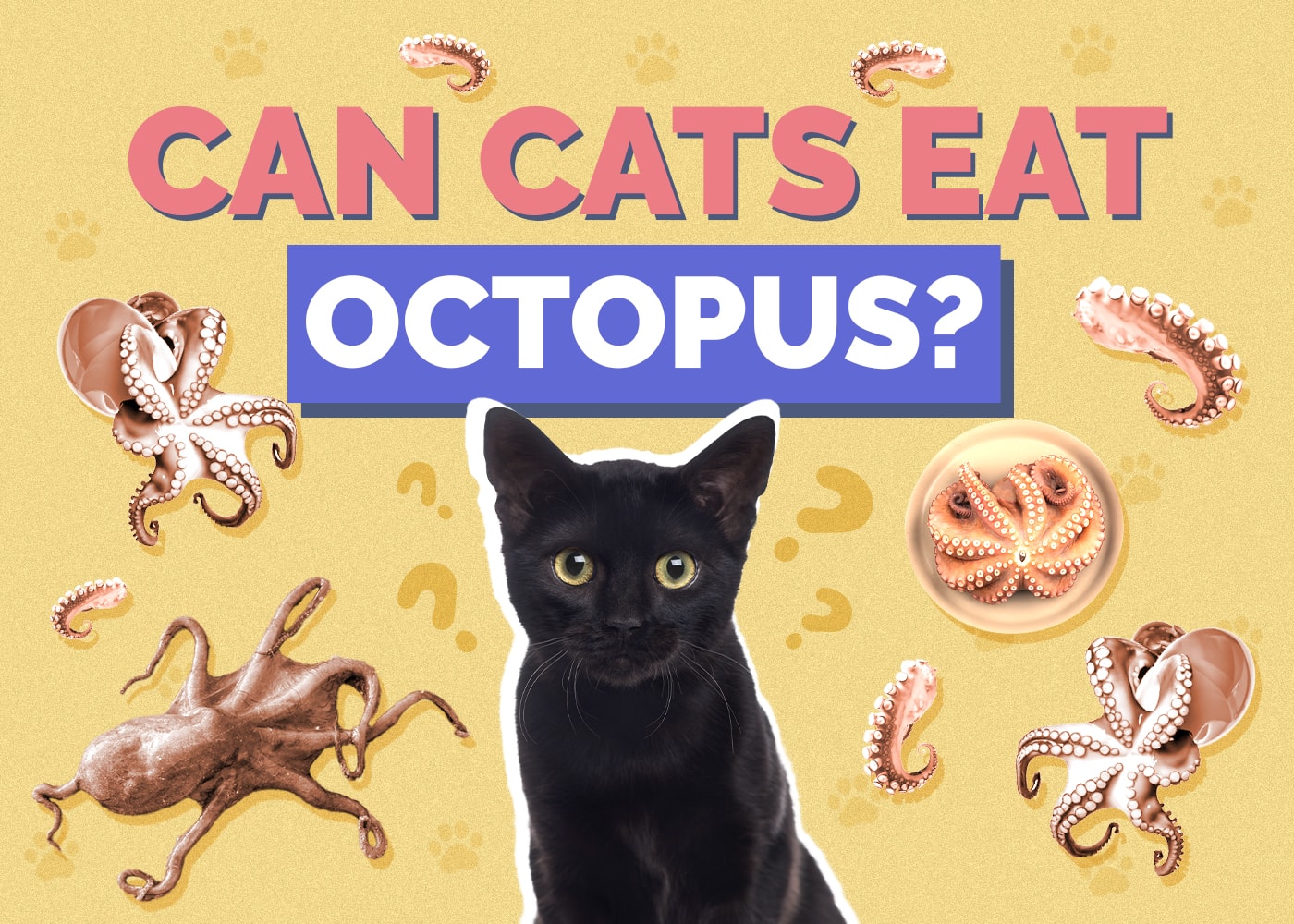
Can Cats Eat Octopus? Vet-Verified Facts & Info

By Sophie Herlihy · Reviewed & fact-checked by Dr. Tabitha HensonVet Approved
Dr. Tabitha Henson
Reviewed & Fact-Checked byDr. Tabitha HensonDVM (Veterinarian)
Dr. Tabitha Henson graduated from Midwestern University in 2021. She practices small and occasionally exotic animal medicine. Her clinical interests include internal medicine, dentistry and rehabilitation. She is working on becoming a certified canine rehabilitation practitioner (CCRP). In her free time she enjoys being in nature and spending time with her golden retriever.View authorThe information is current and up-to-date in accordance with the latest veterinarian research. Read about our vets
Share
Ask us a question in the comments
Can Cats Eat octopus

Cats famously adore seafood of all kinds. Many depictions of cats in the media show our feline friends lusting over a portion of fish. But there is a lot more to seafood than just simply fish!

For example, a particularly tasty seafood is octopus. This soft, intelligent cephalopod is considered a delicacy in many cultures. While you might enjoy octopus regularly or as a special treat, you might wonder if your favorite feline can have a piece or two?

Yes, cats can eat octopus! It should be fed to cats in relatively small amounts, sourced fresh, and always cooked before serving.

Careful preparation of octopus should be paramount as there are some risks with serving poor quality or raw octopus to your cat. Learn more about whether you should add this treat to a cat’s diet.

Nutritional Breakdown of Octopus

A 155g serving of raw octopus contains:1

Calories93 kcal
Protein17g
Fat1g
Carbohydrates2g
Fiber0g
Sugar0g

Octopus is also a good source of:

These dense nutritional benefits can offer your cat some incredible health boosts. Many of the valuable nutrients will contribute to your cat’s general health and support specific bodily functions.
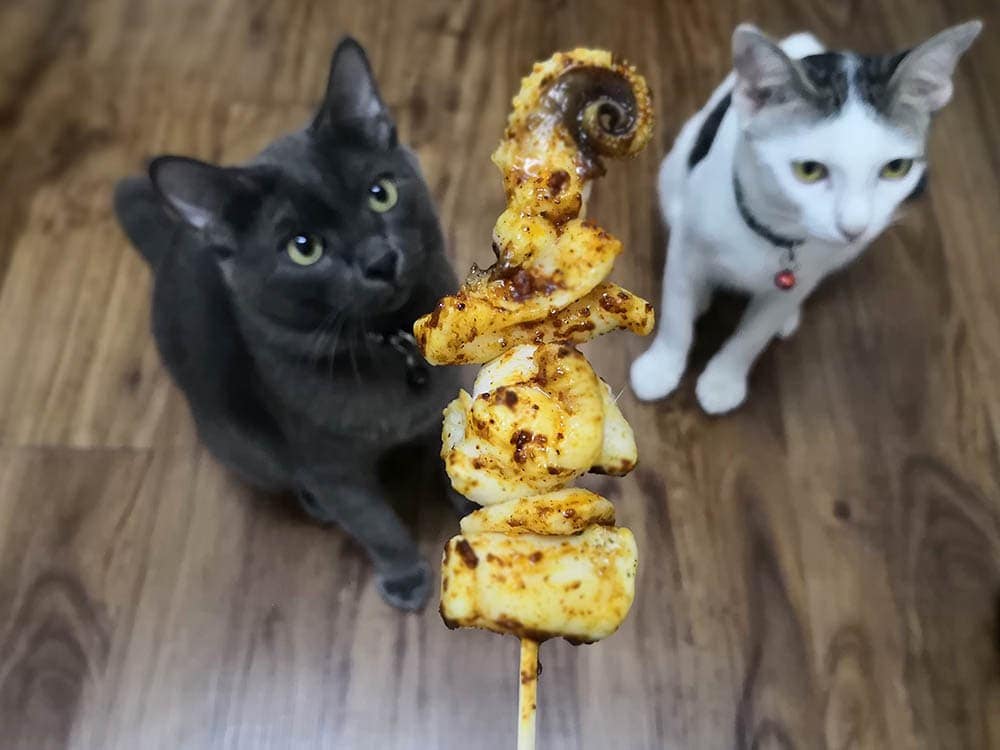
two cats and a grilled octopus on a stick
Image By: Omkoi, Shutterstock

Risks of Cats Eating Octopus

Raw Octopus

Raw octopus has a high risk of containing a nasty bacteria called Vibrio bacterium. In humans, this bacteria can cause an acute form of food poisoning, simply called vibrio. In addition to various vibrio bacteria, raw octopus can carry other harmful pathogens, such as Salmonella and E. coli. As a general rule, you should be thoroughly cooking all seafood for your cat to ensure safety.

Heavy Metals

Many of us have heard of the risk of mercury in seafood populations. However many heavy metals exist in the ocean food chain that pose the risk of building up inside the bodies of our food sources, including octopuses.

Heavy metals are naturally occurring minerals from the earth’s core, but human pollution can influence levels. Octopus poses the risk of high levels of heavy metals due to their diet. Octopuses are carnivores and feed mainly on smaller seafood, especially shellfish and mollusks. These creatures have higher levels of heavy metals due to their positioning on the ocean floor where metals accumulate. They are also filter feeders, so they gather many minerals from the seawater.

Ocean predators, including octopuses, consume so much prey with heavy metals that their bodies cannot excrete the minerals as fast as they consume them. While there may be a range of these metals found in an octopus, ranging from minimal to high, the highest risk is cadmium which is found densely in octopus heads.

Gastrointestinal Upset

Anytime you introduce a new food to your cat there is always a potential of causing gastrointestinal upset such as vomiting or diarrhea. If your cat shows signs of GI upset and becomes lethargic it is best to seek veterinary care.
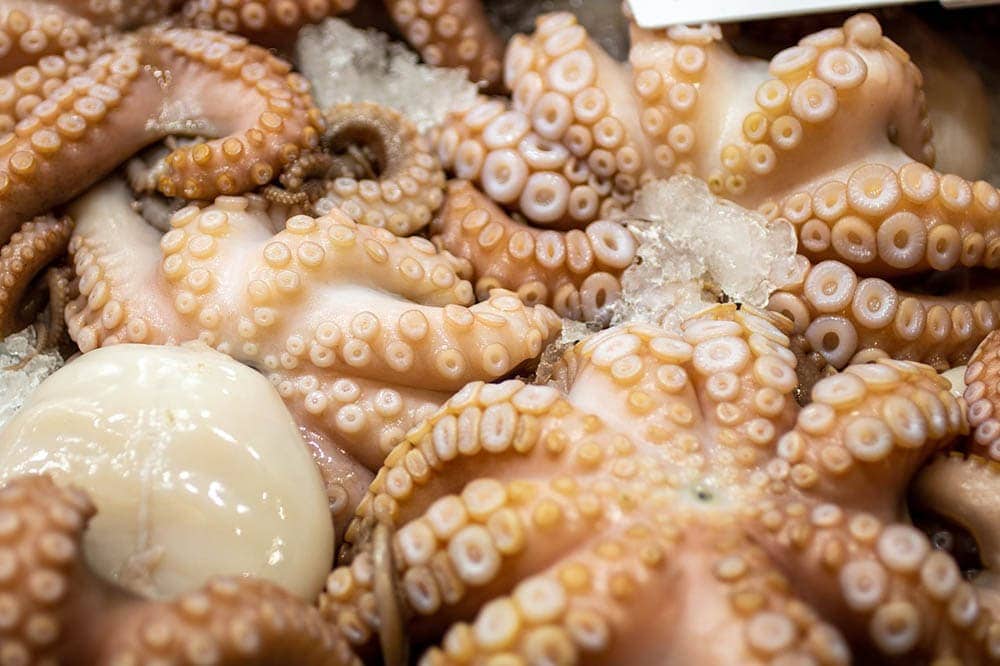
fresh octopus
Image By: Squirrel_photos, Pixabay

Preparing Seafood for Cats

The general guidelines for preparing seafood are much the same whether you are dealing with octopus, white fish, or shellfish. The risks of improper storage and cooking are similar to what we’ve outlined above, so we’ve made a handy tips list of safe seafood preparation for your cat.

  • Never feed raw seafood - The risk of harmful bacteria is too high, regardless of the origin of the food. Cooking can eradicate any dangerous bacteria. Additionally, an enzyme named thiaminase is found in some types of raw seafood. This enzyme can break down the essential vitamin thiamine and cause neurological problems.
  • Feed only plain seafood - Many of the things we add to our cooking are there to enhance flavor. However, many sources of flavors are not suitable for cats, especially onion and garlic. Also, avoid adding oil or butter for cooking. Instead, try to boil, bake, or grill seafood plain.
  • Remove the trimmings - Extra parts of seafood should be avoided entirely to reduce the risk of irritation or choking. This includes shells, bones, and scales, and for octopus, the hard beak should be removed.
  • Feed in moderation - While seafood can offer some fantastic health boosts to your cat, it is not a natural diet for them, and those do not cover all their nutritional requirements. Most of their diet should be a balanced cat food, or a home cooked diet developed with the supervision of a vet nutritionist. Moderation will also make the risk of heavy metals something of little concern.

Final Thoughts

Octopus is a delicacy for both our cats and us! Keep this special food as a treat for your cat, but not as a main meal. While octopus can be a great source of nutrition for them, it does not give them all they need to thrive. Be aware of the risks of overfeeding this tasty sea creature so your cat can enjoy it for years to come!

Related Reads:


Featured Image Credit: margareatei, Shutterstock

Get Hepper In Your Inbox

Pet care tips from our vets and experts, straight to your inbox.

List

Select all that apply.

You may opt-out at any time. View our Privacy Policy for more information.

Sophie Herlihy
Authored by

Sophie Herlihy

Join the conversation

Ask a question, share your story, or send private feedback.
Rate this post
Required to post. Only our editors see your rating.
Who should see this?

A human reviews every comment before it appears. Your email is never published.

Picked to go with this article

Can Cats Eat Raw or Cooked Squid? Tips & Potential Risks

Can Cats Eat Raw or Cooked Squid? Tips & Potential Risks

It’s normal for cat owners to want to give their cats something special to eat now and then. After all, your fuzzy feline companion is a family member that des…

Luxifa Le
By Luxifa Le ·
Can Dogs Eat Octopus? Vet Reviewed Facts & FAQ

Can Dogs Eat Octopus? Vet Reviewed Facts & FAQ

Our canine friends will eat any food they can get their paws on, but not all of our food is safe for them to consume. That’s why you should always look into an…

Misty Layne
By Misty Layne ·
Can Cats Eat Mussels? Vet-Reviewed Nutritional Facts & Safety Tips

Can Cats Eat Mussels? Vet-Reviewed Nutritional Facts & Safety Tips

Can cats eat mussels? The answer to this question is yes, when cooked and only offered in moderation, but of course, that’s not all you should feed your feline…

Nicole Cosgrove
By Nicole Cosgrove ·
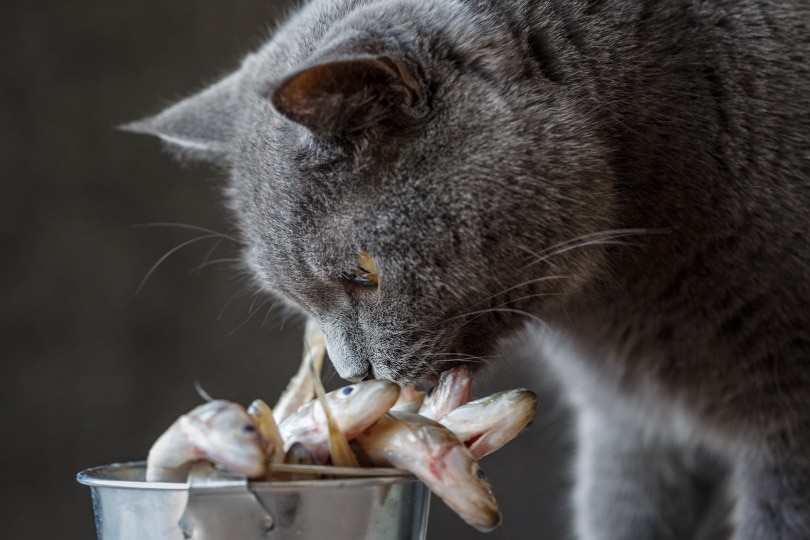
What Kinds of Fish Can Cats Eat? Vet-Reviewed Facts & FAQ

What Kinds of Fish Can Cats Eat? Vet-Reviewed Facts & FAQ

If you have a cat in your home, you already know they love fish. If you open a can of tuna, the smell immediately alerts every cat in the home and they come ru…

Nicole Cosgrove
By Nicole Cosgrove ·

Keep reading

More stories you might like

Can Cats Eat Oysters? Vet-Approved Nutritional Facts & FAQ

We all know that our sweet kitties go gaga over seafood—so, it’s natural to wonder what they can snack on. Of course, you probably don’t want to know about oys…

Ashley Bates
By Ashley Bates ·
Can Cats Eat Oysters? Vet-Approved Nutritional Facts & FAQ

Why Do Cats Like Fish? Feline Facts & FAQs

We’ve seen it in comics, cartoons, and funny home videos: cats chasing fish and getting wet in the process. Have you ever wondered if cats even like fish, and…

Kathryn Copeland
By Kathryn Copeland ·
Why Do Cats Like Fish? Feline Facts & FAQs

Can Cats Eat Shrimp? Vet-Reviewed Nutrition Facts & FAQ

Wait a second! Before you feed your cat those table scraps, you might want to first find out if shrimp can compromise their health in any way. It’s great that…

Nicole Cosgrove
By Nicole Cosgrove ·
Can Cats Eat Shrimp? Vet-Reviewed Nutrition Facts & FAQ

Can Cats Eat Scallops? Vet-Reviewed Safety Facts

Scallops are often considered a delicacy for many people due to their cost and availability. They are also packed full of flavorful goodness that may leave you…

Brooke Billingsley
By Brooke Billingsley ·
Can Cats Eat Scallops? Vet-Reviewed Safety Facts

Can Cats Eat Steak? Vet Approved Health & Nutrition Guidelines

Curious cats can cajole their way into anything, and when they catch sight of your savory steak dinner, they’ll do everything they can to snag a taste. Fortuna…

Elizabeth Gray
By Elizabeth Gray ·
Can Cats Eat Steak? Vet Approved Health & Nutrition Guidelines

Can Cats Eat Crab? Vet-Reviewed Nutritional Health & Safety Guide

Cats zero in on any animal proteins they can smell—and they can smell a lot of them—and will start rubbing up against your legs, trying to get a lick of whatev…

Luxifa Le
By Luxifa Le ·
Can Cats Eat Crab? Vet-Reviewed Nutritional Health & Safety Guide

Can Cats Eat Crawfish? Vet-Reviewed Facts & FAQ

The scent of seafood cooking is sure to get cat noses everywhere twitching and their lips licking. We all know that cats have an affinity for fish, but what ab…

Kit Copson
By Kit Copson ·
Can Cats Eat Crawfish? Vet-Reviewed Facts & FAQ

Can Cats Eat Bonito Flakes? Vet-Reviewed Facts & Important Considerations

If you’re reading this article, you may have heard of bonito flakes and are curious if they're okay for your cat. In this article, we’ll try and answer any que…

Kathryn Copeland
By Kathryn Copeland ·
Can Cats Eat Bonito Flakes? Vet-Reviewed Facts & Important Considerations