Hepper is reader-supported. When you buy via links on our site, we may earn an affiliate commission at no cost to you. Learn more.
Does My Dog Have to Fast Before Surgery? Vet-Reviewed Facts & FAQ


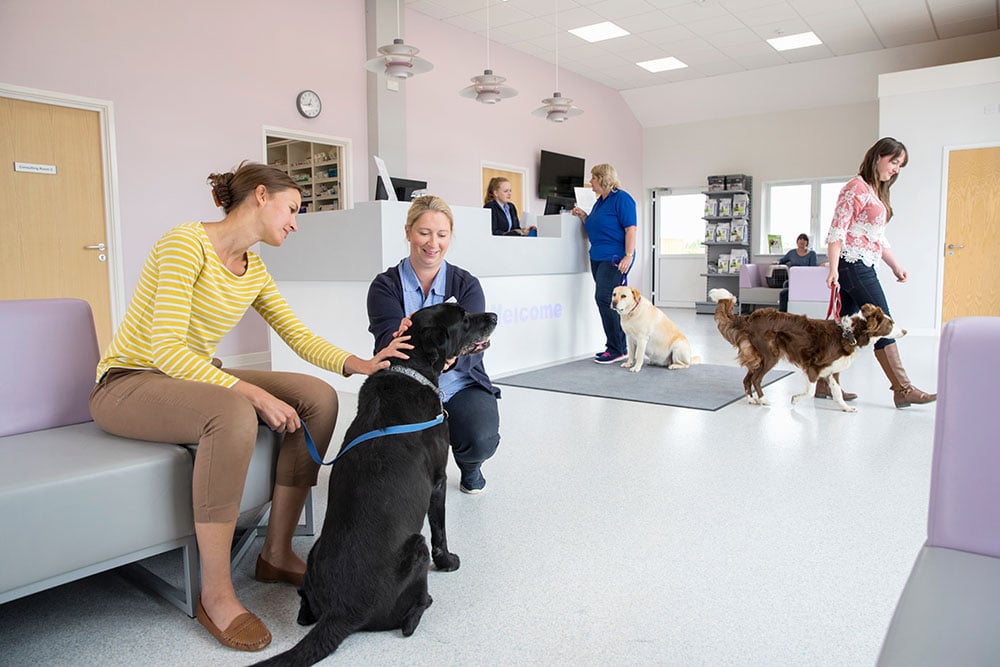
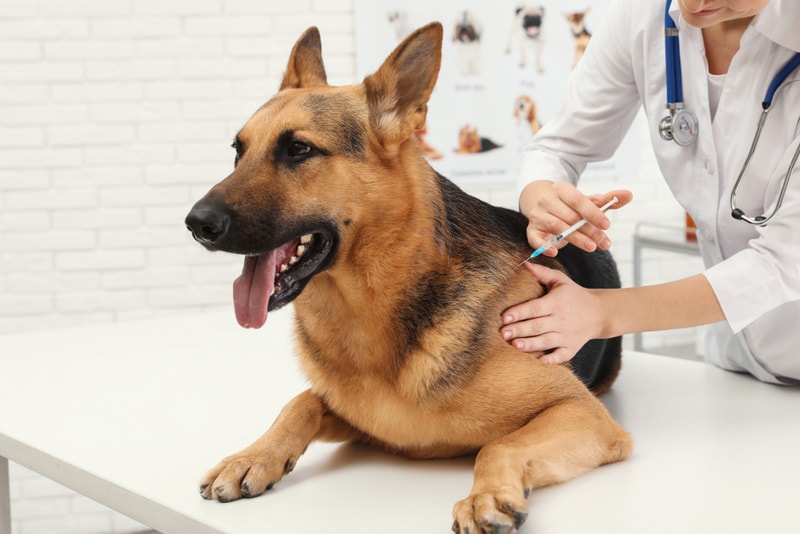
Dogs are parts of our families. We care about their happiness and do everything we can to ensure they get the exercise, good food, and the love they need to be healthy. However, sometimes things go wrong, and pets need surgery to fix an injury or address a condition.
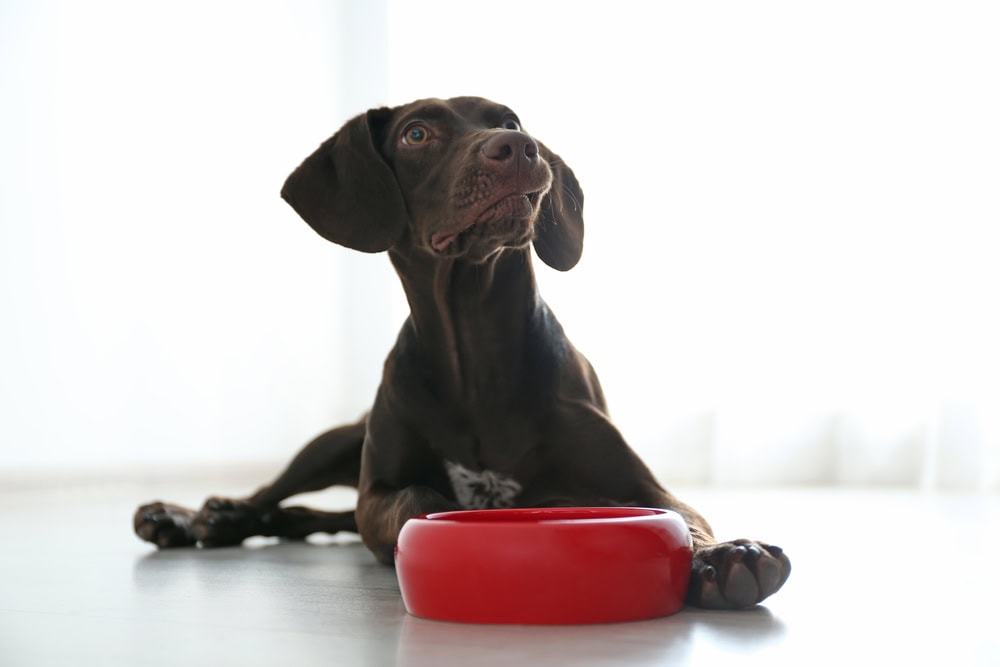
If your buddy is scheduled for a procedure, you might wonder if they really need to go without eating before heading to the animal hospital. According to the American Association of Animal Hospitals (AAAH), healthy dogs need to fast for at least 4–6 hours before being anesthetized.1
Tiny puppies only need to go without food for 1–2 hours. Diabetic pups should fast for at least 2–4 hours, according to the recommendations. Plus, dogs who've had trouble keeping things down during prior procedures often need to avoid food and water for 6–12 hours before surgery. There are generally no restrictions on water intake for healthy dogs.

Veterinarian Recommendations
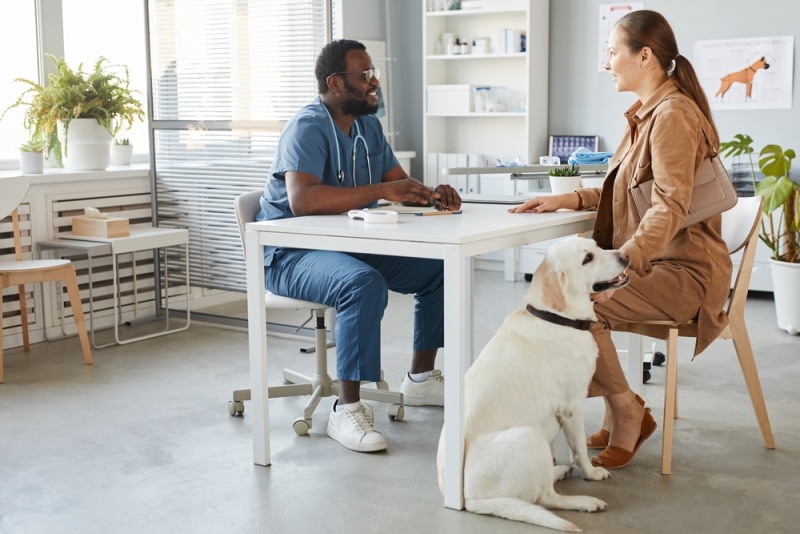
Regardless of the AAAH guidelines, it’s best to follow your veterinarian’s advice concerning fasting before surgery. There's no hard and fast rule for how long a dog must go without food or water before surgery.
The AAAH publishes canine anesthesia guidelines, but ultimately, it's up to each veterinarian to use their knowledge and experience to make the most appropriate recommendations for their patients. They're the experts, so listen to and follow their instructions. Often, they’ll ask pet parents to withhold food and water after midnight on the evening before their companion’s surgery.
The Midnight Rule
Recent developments in veterinary medicine have generally resulted in reduced pre-surgery fasting recommendations. Still, there are exceptions to that rule, and many veterinarians stick by the "nothing after midnight" guideline because it's clear, simple to understand, and simple to apply, making it easier to avoid miscommunication that can lead to dangerous situations.
Dogs With Health Conditions
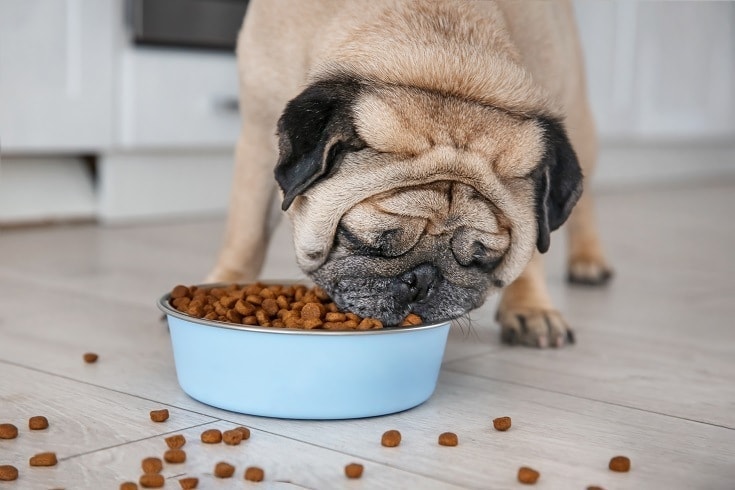
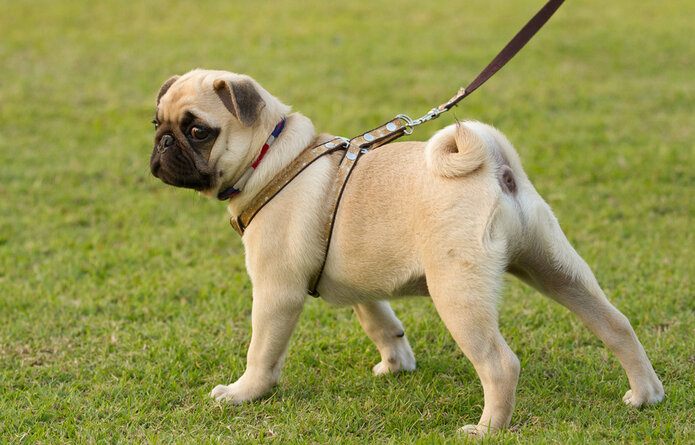
Some breeds with health conditions shouldn't eat for at least 6–12 hours before surgery. Dogs with a history of throwing up or experiencing gastric reflux while under anesthesia often need to fast for 12 hours before surgery to be safe. Many veterinarians recommend that brachycephalic breeds such as Pugs, Bulldogs, and French Bulldogs not eat for 12 hours before being anesthetized due to the risk of respiratory difficulties or regurgitating during surgery.
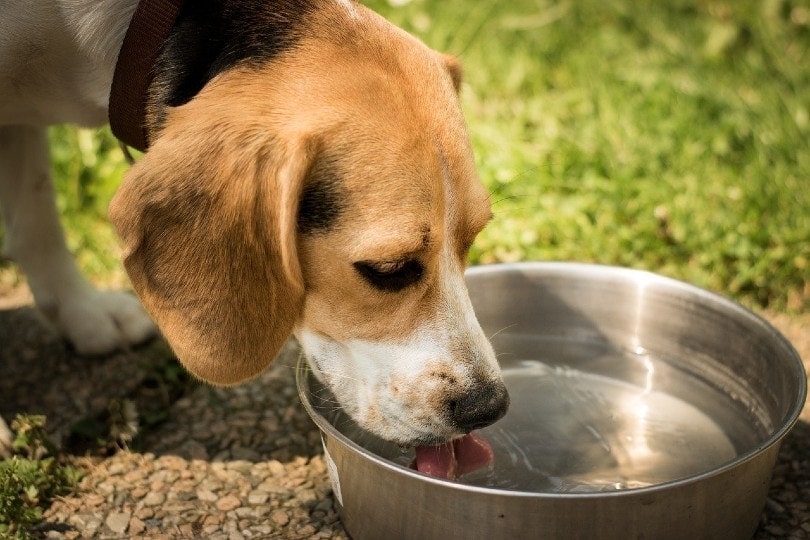
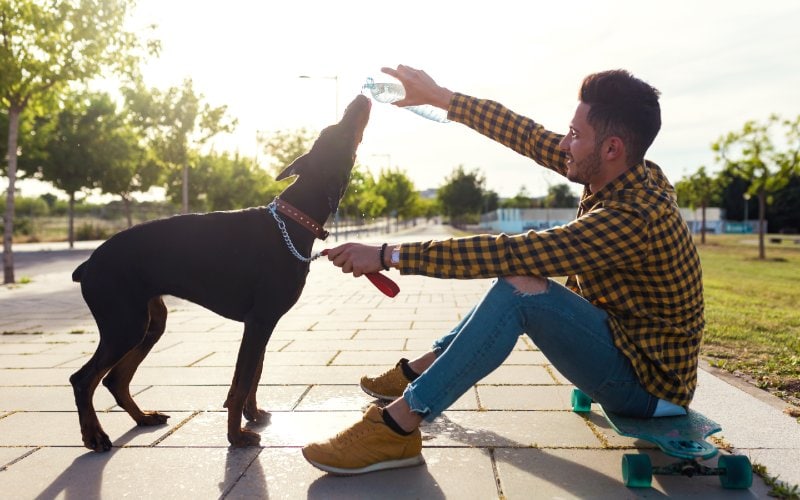
Most healthy dogs can drink water up until they arrive at the animal hospital, but dogs with a history of regurgitation and brachycephalic breeds often need to stop drinking around 6–12 hours before surgery.
My Dog Had a Few Bites of My Breakfast Sandwich
While it's generally not a huge deal if your dog occasionally snacks on a bit of human food, it could be an issue if your pet has surgery later that day. Reach out to your veterinarian and let them know what happened before leaving for the animal hospital.
They'll likely need more information to determine what to do, such as what your dog ate, how much, and how long ago. They may delay the surgery and advise you to come in a few hours later than originally planned.
What Should I Feed My Dog After Surgery?
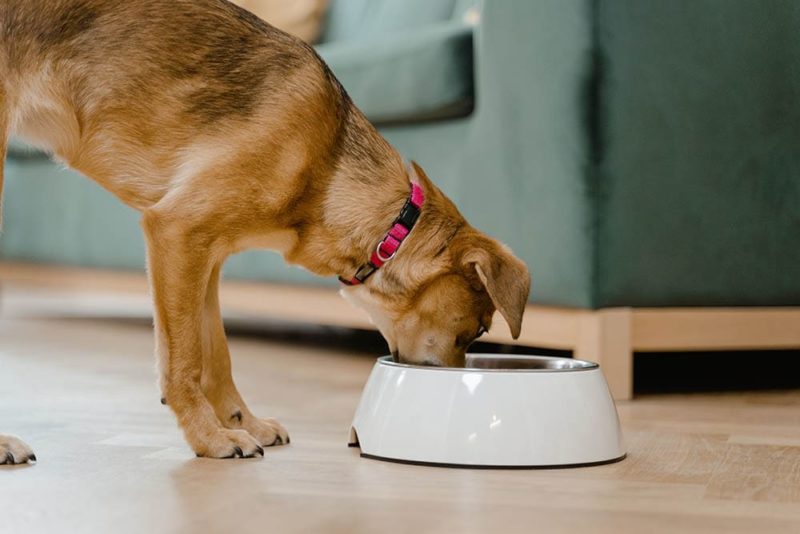
Some dogs have upset stomachs after surgery due to the anesthesia, so keep their meals light after they get home. It is always wise to ask your veterinarian for specific instructions, as they will vary depending on your pet’s procedure and specific needs. It is generally recommended to start with small portions.
Chicken and Rice
Homemade chicken and rice is a fantastic post-surgery option. Most dogs love the taste of chicken, but the combination is also incredibly nutritious, easy for dogs to digest, and packed full of tummy-settling goodness. Other tasty options that often get sick dogs eating include pumpkin, sweet potato, and shredded chicken. Also, adding a bit of bone broth to food often stimulates doggy appetites.
Recovery Formulations
Dogs sometimes need additional nutritional help when recuperating from extensive surgeries. Commercial recovery formulations are high in fat and calories to give dogs the nutritional support they need for intense recoveries. They're great choices if your pet needs extra nutrition, but it’s best to speak with your veterinarian before feeding your dog a recovery formulation after surgery.
When to Call the Veterinarian After Surgery
While it's normal for dogs to shy away from eating for a few days after an extensive procedure, contact your veterinarian if your pet's appetite hasn't improved in 12–24 hours since a refusal to eat or lethargy can sometimes indicate your dog has an infection or is experiencing pain. Get in touch with your veterinarian immediately if your dog begins vomiting after they come home.
Don't forget to ensure your pup has a quiet, comfortable place to relax as they get better. If your dog usually sleeps on your bed but won't be able to jump for a few days, a ramp can help them get to their favorite napping place without jeopardizing their stitches.

Summary
Yes, your dog needs to fast before surgery. Most healthy dogs can drink water until it’s time to leave for the animal hospital, but always follow your veterinarian's instructions to the letter. It’s best to discuss post-surgery feeding recommendations with your veterinarian, as they will have recommendations to help speed your pet’s recovery and help settle their stomach.
Featured Image Credit: Juice Flair, Shutterstock
Get Hepper In Your Inbox


Pet care tips from our vets and experts, straight to your inbox.
You may opt-out at any time. View our Privacy Policy for more information.
Lorre Luther a reformed lawyer from the United States, she moved to the Netherlands to follow her dream and become a writer. Currently living in Rotterdam, Lorre enjoys traveling and reveling in the astonishing beauty of our planet. As an animal lover, Lorre is convinced that cats are smarter than humans.
Join the conversation
Ask a question, share your story, or send private feedback.