Hepper is reader-supported. When you buy via links on our site, we may earn an affiliate commission at no cost to you. Learn more.
Can Dogs Eat Allspice? Vet Reviewed Nutritional Facts



In this article
Allspice is a common seasoning in all sorts of recipes, especially during the fall season. However, just because it’s in a lot of recipes for humans doesn’t mean you can feed it to your dog. In fact, allspice is toxic for dogs, and if your pup ate a significant amount of it, you need to get them to a vet.
But why is this the case, and what are some other foods you should avoid giving your pup? We’ve answered those questions and more for you below.

Why You Shouldn’t Feed Your Dog Allspice
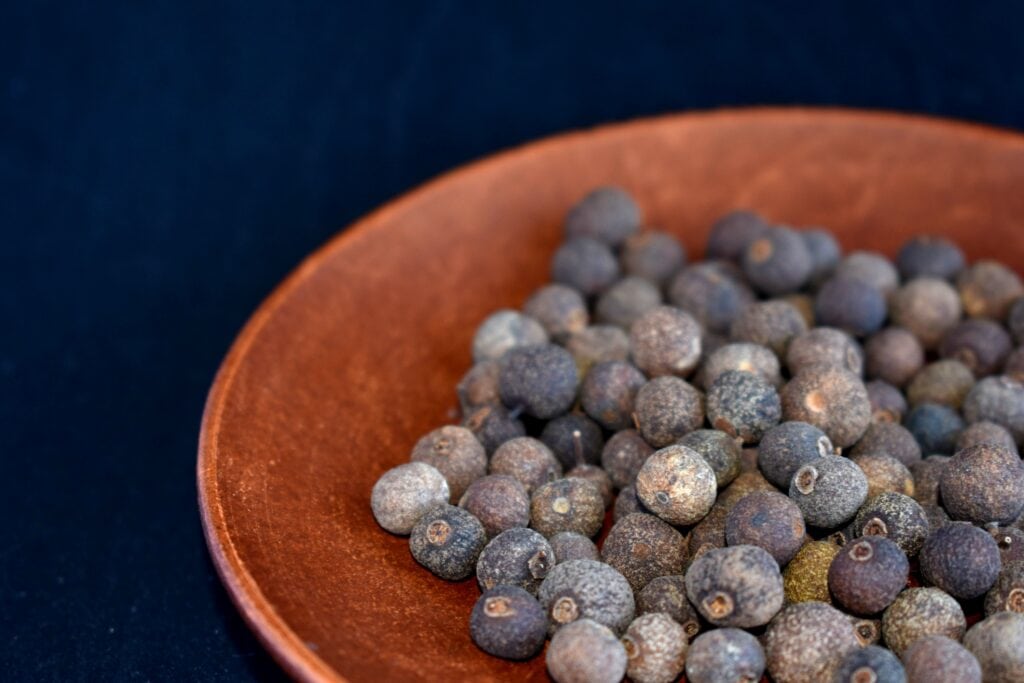
Allspice (Pimenta dioica), contains a compound called eugenol which is toxic to dogs 1. Because of this, you should never give your dog allspice, even in small quantities.
Fortunately, most baked goods or savory dishes that contain allspice do so in small enough amounts that it is unlikely to be a problem. However, your pup may still suffer some digestive upset from eating human foods. The most common way that a dog experiences toxicity with allspice is by eating the spice directly or through contact with the essential oil.
Signs of Allspice Poisoning
Allspice is toxic for dogs, and if you think your dog might’ve eaten some, there are a few signs you need to keep an eye out for. Any of these can be very serious and mean you need to take your dog to the vet right away.
- Diarrhea
- Vomiting
- Lethargy
- Bloody urine
- Convulsions
When to Take Your Dog to the Vet
If you suspect your dog ate large amounts of allspice or got into the essential oil, see the vet immediately. If you notice any of the above signs in your dog after eating a small amount or a baked good containing allspice, also see your vet immediately.
When in doubt, play it safe and take them to the vet, or if you have any questions, you may reach out to the ASPCA Animal Poison Control Center (APCC) at 888-426-4435.

Other Foods to Avoid Giving Your Dog
You should never feed your dog allspice, but it’s far from the only human food you should avoid feeding your pup. With that in mind, we’ve highlighted a few other foods that are toxic to dogs.
Xylitol
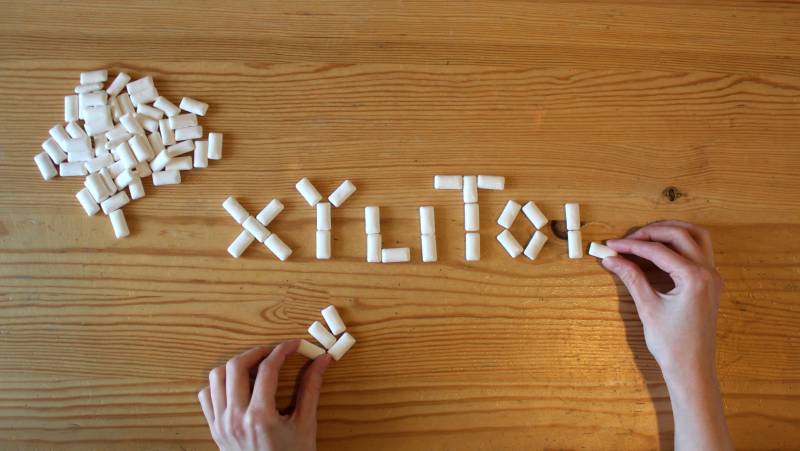
Xylitol is an artificial sweetener you can find in many foods, including some kinds of peanut butter and chewing gum. Xylitol is extremely toxic to dogs, so always check ingredient lists before offering anything containing it as a snack. Pet-safe peanut butter is always best and sold at a variety of pet stores. Store candies and gums where your dog can’t reach them as well.
Alliums
Alliums are the entire onion family, and it also includes foods like chives and garlic. Every allium plant is toxic for dogs, so never feed them in any form to your pooch.
Dairy
Most dogs are lactose intolerant when they get older, because of this, all dairy products can lead to digestive issues for your pet, and it’s safer to avoid them entirely.

Macadamia Nuts
All it takes is about six macadamia nuts to make your small dog sick, which means a single cookie or recipe with macadamia nuts can be highly dangerous. Common poisoning symptoms include muscle weakness, incoordination, and muscle tremors.
Chocolate
Chocolate is probably the most well-known toxic food for dogs, and for good reason. Chocolate has two ingredients that make it toxic for pups: caffeine and theobromine. Theobromine is in all types of chocolate, including white chocolate, so keep it far away from your beloved pet.

Grapes
Grapes and raisins alike can result in kidney failure in dogs if consumed in high enough quantities. This includes raisins in baked goods.
Conclusion
Allspice might seem like a harmless ingredient, and you can’t even see it in most recipes, but that doesn’t mean it can’t be an issue for your pooch. It’s also a common ingredient in tons of fall recipes, so be sure you’re not sharing any baked goods or other foods that contain allspice with your dog. However, if they were to get a small bite of an allspice-containing recipe, they will more than likely be fine. If they grab more than a bite or get into the jar of spice itself, call your veterinarian. Store all of your spices where your pup can’t get to them to help prevent this.
Sources
Featured Image Credit: JumpStory
Get Hepper In Your Inbox


Pet care tips from our vets and experts, straight to your inbox.
You may opt-out at any time. View our Privacy Policy for more information.
Adam, a dedicated freelance writer and animal advocate, has a long history of rescuing animals and creating compelling written content. For over ten years, he has worked as a freelance writer, and his passion for rescuing animals extends even further back. Adam is also a proud father of three, always ready for a challenge and eager to embark on new adventures.
Join the conversation
Ask a question, share your story, or send private feedback.