Hepper is reader-supported. When you buy via links on our site, we may earn an affiliate commission at no cost to you. Learn more.
Can Dogs Eat Candy? Vet-Reviewed Health Facts


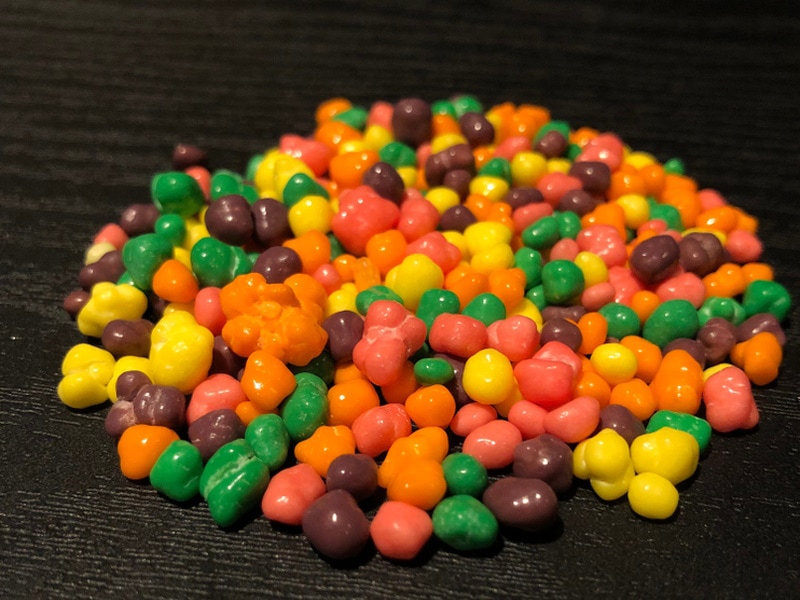
Humans love a reward or the comfort of candy, whether it’s gummies, chocolate, ice cream, or any of the endless choices available. It’s tempting to offer your begging dog a piece while you both watch your favorite TV show, or maybe they got their nose into the candy cupboard, or they snatched an opportunity outside when they noticed rogue pieces of candy on the sidewalk. In any case, it is not safe or healthy for your dog to eat candy, and it can give your pup some very problematic health issues.

Is Candy Bad for My Dog?
Yes, it is! It isn’t exactly good for humans either, but for dogs, candy is potentially toxic, depending on the ingredients it contains.
While sugar itself isn’t toxic to dogs, it can cause health problems for them, some of which can be life-threatening. It is the added threat of substances in the candy which are toxic to dogs and cause medical issues. Examples of such substances include nuts, raisins, nutmeg, xylitol, caffeine, and other artificial sweeteners.
The wrappers are also a further concern, as these can cause an internal blockage. Some candy types are available as sugar-free or are low in sugar, but in these instances, the sugar has been replaced with xylitol or other artificial sweeteners, which are toxic to dogs and should also be avoided.
Cases of illness and poisoning are seen in higher numbers during seasonal holiday times; for example, at Halloween, Thanksgiving, and Christmas. Extra care and vigilance should be taken to keep all candy away from your dog and out of reach during these times, but also at all times in general.
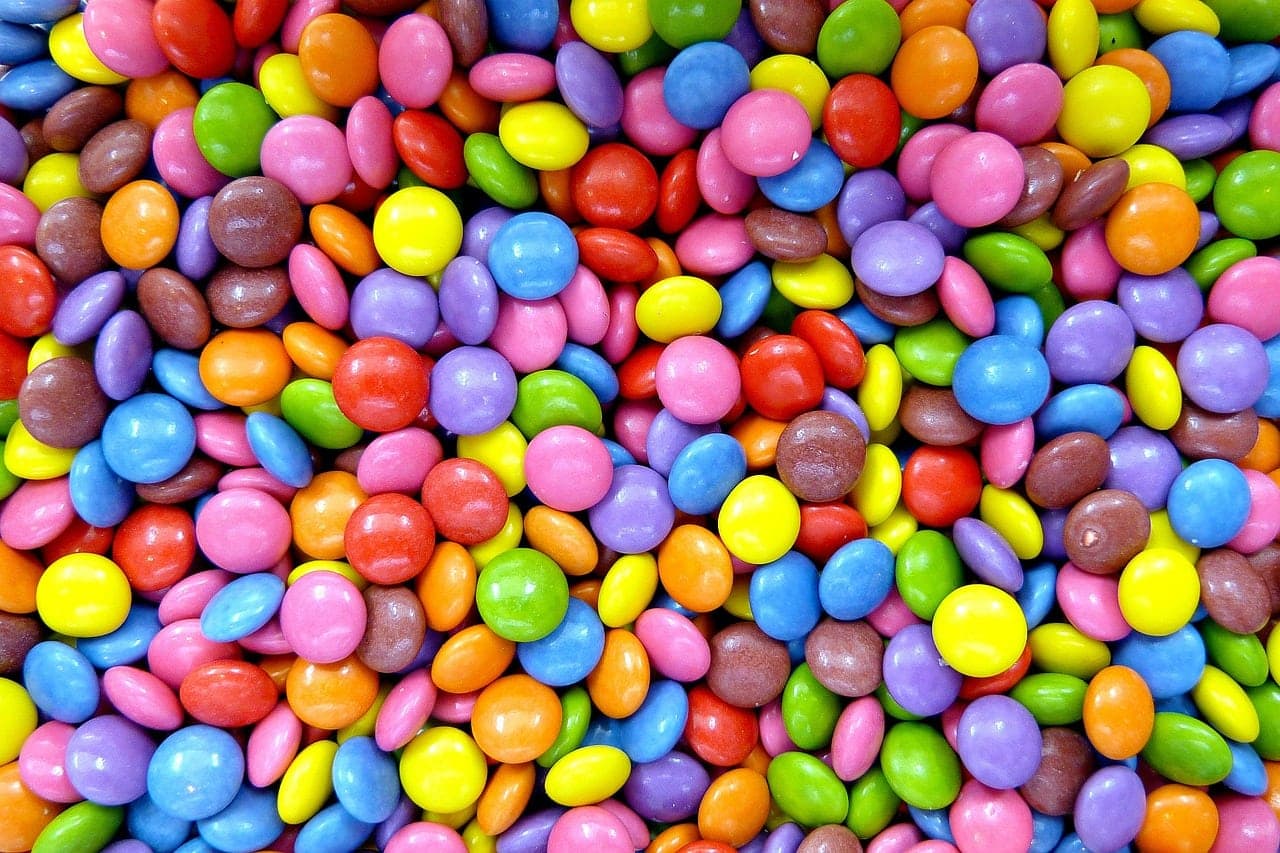
Risks of Dogs Eating Candy
The following health complications and conditions can arise from your dog eating any of the kinds of candy available:
- Poisoning from ingredients, such as chocolate, xylitol, nutmeg, and raisins
- Increased weight gain and obesity
- Dental problems
- Vomiting and diarrhea
- Gas
- Abdominal discomfort
- Pancreatitis
- Diabetes
- Kidney issues and kidney failure
- Electrolyte imbalances
- Gastrointestinal blockages due to the wrappers being consumed
- Choking hazard from the candy wrappers
Can Dogs Eat Sugar?
Sugar isn’t toxic but isn’t good for them either. Dogs, like humans, have taste buds, only fewer of them. Dogs have around 1,700 taste buds on their tongue, and humans have around 9,000. However, some dogs do seem to have a preference for sweets.
If sugar is eaten in large amounts and/or consistently eaten, it causes many health issues, as noted above. After being consumed, the sugar is moved and excreted in the stomach by a process called osmosis, meaning some cells or areas will have a higher sugar solution after consumption than others. Water from the surrounding cells and tissues will, in response to the imbalance, move across into the sugar-concentrated cells/area to essentially dilute the high sugar concentration in those cells.
This natural process occurs to equalize any balance and differences in cell and tissue concentrations to maintain normal health. In large amounts of sugar consumption, potentially results in electrolyte imbalances and health problems, or gastrointestinal upset.
What Sweets Are Toxic to Dogs?
Please note this list is not exhaustive, but common types of toxic sweets include the following candies listed below. If your dog has eaten any candy at all and is showing any of the signs listed, contact your veterinarian right away.
1. Chocolate

The toxic element of chocolate is a chemical known as theobromine, and the darker the chocolate is, the higher the concentration of theobromine. This means dark chocolate is more dangerous than milk chocolate.
Signs of Chocolate Poisoning
If your dog has eaten chocolate, you can check out the risk level of toxicity on this chocolate meter, but you should also call your veterinarian immediately for advice and any needed treatment.
2. Caffeine
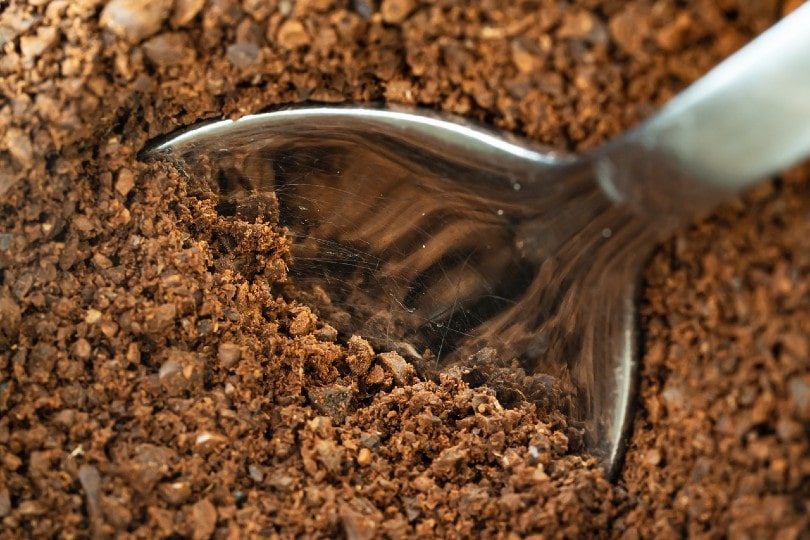
Whether the caffeine was found and consumed via candy or your dog has helped themselves to a delicious latte, espresso, or the coffee granule container, caffeine amounts of 140 mg/kg (63mg/lb) and over, if consumed, can be toxic and harmful to dogs.
These are usually noticed or seen 1–2 hours after ingestion:
Signs of Caffeine Poisoning
3. Raisins/Grapes
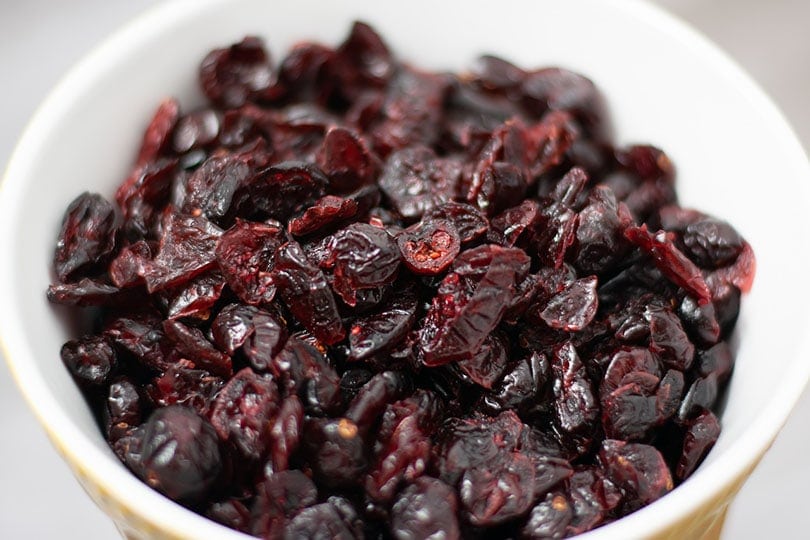
Raisins (and grapes) are popular snacks to hand out to children, and raisins are a particular favorite in cookies, but unfortunately, they are toxic to dogs. Some dogs can suffer a more complicated reaction whereby any number of raisins eaten causes toxicity.
Signs of Raisin Poisoning
4. Xylitol and Artificial Sweeteners

This ingredient is very common in chewing gum, low-sugar, or no-sugar sweets and mints but is also found in many other snacks and drinks.
Signs of Xylitol and Artificial Sweetener Poisoning
What Sweet Treats Can I Give My Dog?
Any form of candy or sugary treat needs to be avoided. Those kept in the house for human consumption need to be kept out of reach, not on display or on worktops, and in lockable containers or cupboards. Instead, try one of the options below while remembering that any treats given should not make up more than 10% of your dog’s daily diet and calorie requirements.
Dogs on weight reduction programs or prescription diets shouldn’t be offered these at all unless your veterinarian advises otherwise.
- Dog-safe fruits and vegetables. Natural sugars found in fruit and vegetables work in a different way in the body compared to processed or unnatural sugar, making some of these products safe, healthy, and good options for dogs. Try bananas, for example.
- Make your own dog-safe treats and bakery goods from a recipe designed for dogs. Many can be found online or via veterinary nutritionists and pet companies.
- Peanut butter, but only if your dog doesn’t have an allergy to it and it is free from xylitol.
- Pet stores, boutiques, and online pet retailers stock many dog-safe sweet treats such as cakes, cupcakes, ice cream, cookies, and popcorn.

Conclusion
Candy and dogs do not go together! Although a little bit of sugar might not cause major problems, the risk is there and is high, particularly if your dog is eating candy regularly, finds a bag of candy they like, or it contains a toxic substance. The best way is to avoid it in the first place and use one of the many alternatives on offer.
In the scenarios where candy is eaten by accident—as we know how they like to rummage and are always able to spot a leftover treat on the sidewalk or in the park—phone your veterinarian for advice right away, especially if your dog is exhibiting any signs that are not normal for them.
See Also:
Sources
Featured Image Credit: Thanatos Media, Shutterstock
Get Hepper In Your Inbox


Pet care tips from our vets and experts, straight to your inbox.
You may opt-out at any time. View our Privacy Policy for more information.
Annaliese began her career as a veterinary nurse in Edinburgh, later advancing her qualifications with a diploma in advanced veterinary nursing in surgery from London. Her work in small and mixed veterinary practices led her to become a head nurse, where she trained other veterinary nurses, managed the nursing department, conducted nurse clinics, and developed new patient care protocols.
Throughout her career, Annaliese has cared for thousands of patients and their owners, setting higher standards in nursing regimes with a focus on surgery and anesthesia. She co-authored multiple veterinary nursing textbooks and contributed to various mainstream publications in the UK and USA. After more than twenty years in the veterinary and pet care professions, she retired from clinical practice to pursue full-time writing. Having cared for thousands of patients and owners, Annaliese specialized in surgery and anesthesia. She was asked to co-author several veterinary nursing textbooks and contributed to a number of other publications in the UK and USA. After more than two decades in the veterinary and pet care industries, she retired her scrub suit and now works as a full-time writer.
Annaliese Morgan has been a dedicated veterinary nurse for over two decades, having completed a diploma in advanced veterinary nursing in surgery from London and qualifying from Edinburgh. Her professional experience includes managing a nursing department, training other veterinary nurses, providing patient care, and running nurse clinics in both small and mixed veterinary practices.
As an expert in surgery and anesthesia, Annaliese has treated thousands of patients and owners. In addition to being asked to co-author multiple veterinary nursing textbooks, she has written for a variety of publications in the UK and USA. After a long and successful career in the veterinary and pet care professions, Annaliese now dedicates her time to writing full-time. You can find out more about her work at www.annaliesemorgan.com.
Join the conversation
Ask a question, share your story, or send private feedback.