Hepper is reader-supported. When you buy via links on our site, we may earn an affiliate commission at no cost to you. Learn more.
Can Dogs Eat Jellybeans? Vet Reviewed Risks & FAQ



In this article
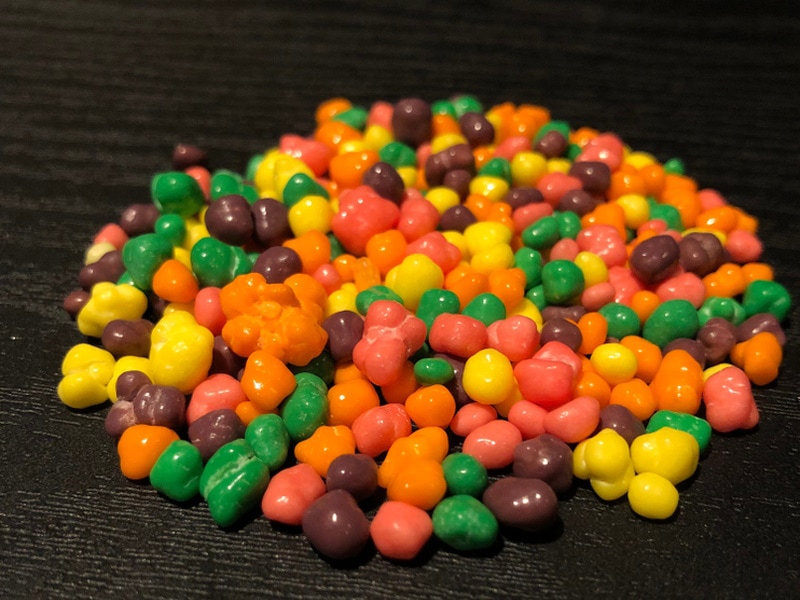
With flavors ranging from fruit punch and blueberry to egg nog, margarita, and pancakes with syrup, jellybeans are a fun, sweet treat for humans, but they’re not a safe or healthy choice for your dog. So no, dogs should not eat jellybeans.
Regardless of the flavor, most jellybeans are full of sugar, artificial flavors and colors, and possibly toxic ingredients like caffeine or xylitol. Here’s everything you need to know about feeding jellybeans to your dog.

What Are Jellybeans?
Jellybeans are small bean-shaped sugar candies with a soft candy shell and thick gel interior. The main ingredient is sugar, but they come in a variety of colors and flavors. The basic ingredients of jellybeans include sugar, tapioca or corn syrup, and pectin or starch.
These candies are thought to have been around since the American Civil War when they had more limited flavors. But in recent decades, companies have become more creative with jellybean flavors, adding to the basics with more exciting flavors like buttered popcorn, juicy pear, and peach.


Are Jellybeans Safe for Dogs?
Some jellybeans are more dangerous for dogs than others, but, in any case, they’re not a safe treat. Jellybeans of any flavor offer no nutritional value to your dog. At best, your dog is getting more sugar than necessary, and at worst, there could be a toxic ingredient.
Here are some common ingredients that may be a concern:
1. Xylitol
Xylitol is a common artificial sweetener used in sugar-free candy and other foods or products. In both people and dogs, the level of blood sugar is controlled by the release of insulin from the pancreas.
In people, xylitol doesn’t stimulate insulin release, and the blood sugar levels stay stable. In dogs, xylitol is absorbed quickly and can result in a potent release of insulin from the pancreas. This rapid release can cause a dramatic drop in blood sugar, which can be life-threatening. Xylitol can also cause liver damage.
The signs of low blood sugar with xylitol include:
2. Caffeine

Caffeine is found in coffee, tea, and chocolate and acts as a stimulant. Some candies also contain caffeine, including jellybeans.
Unfortunately, caffeine comes from the same methylxanthine chemical family as theobromine, which is responsible for chocolate toxicity in dogs. Caffeine can be absorbed quickly, and you may see symptoms within a few hours, so it’s important to contact your vet for advice as soon as possible if your dog has eaten jelly beans containing caffeine.
The signs of caffeine toxicity include:
3. Sugar
Like most candies, jellybeans contain a lot of sugar to make them sweet. While sugar itself isn’t toxic, it can cause problems in large quantities. If your dog eats a lot of jellybeans at once, they can have vomiting or diarrhea.
Feeding jellybeans and other sugary treats on a regular basis can lead to obesity as well, which increases the risk of diabetes, joint problems, and heart disease.
Though the main ingredients are the same, jellybeans come in hundreds of different flavors with additives that may or may not harm your dog. So, if your pup manages to grab a jellybean off the floor or table, you should check the ingredients to determine if you need to see a vet.
If your dog ate a lot of jellybeans, ate a hazardous ingredient, or shows signs of toxicity or discomfort, don’t wait and see. Contact your vet as soon as possible.
What to Do If Your Dog Eats Jellybeans
If there aren’t any toxic ingredients like caffeine or xylitol, your dog sneaking one jellybean probably won’t cause any ill effects. Still, it’s important to check the ingredient list to be sure and contact your vet or pet poison control if you see any signs of illness.
If possible, bring the ingredient list to the vet to help them decide how to proceed. Sometimes your vet may want to induce vomiting to purge toxic ingredients. Do not make your dog vomit at home. Inducing vomiting at home can create bigger problems.
Final Thoughts
Jellybeans aren’t a safe or healthy treat for your dog. There are too many potentially dangerous ingredients in jellybeans, as well as high levels of sugars that can cause digestive upset and contribute to obesity. If your dog gets a hold of a jellybean, check the ingredients to see if they contain anything toxic and contact your vet immediately with any concerns.
Featured Image Credit: MPH Photos, Shutterstock
Get Hepper In Your Inbox


Pet care tips from our vets and experts, straight to your inbox.
You may opt-out at any time. View our Privacy Policy for more information.
Nicole is a lover of animals of all sizes but is especially fascinated with the feline variety. She’s the proud mom of Baby, a Burmese, and works every day so he can relax in the sunshine or by the fire. She’s always had a cat in her home and has spent countless days with others, observing behaviors and softening up even the grouchiest of the lot. Nicole wants to share her kitty expertise with you so you and your cat can live happy, healthy, and care-free.
Join the conversation
Ask a question, share your story, or send private feedback.