Hepper is reader-supported. When you buy via links on our site, we may earn an affiliate commission at no cost to you. Learn more.
Can Dogs Eat Caramel? Vet-Verified Nutrition Facts & Considerations



In this article
We humans love our sugary treats, and caramel is a favorite source! You may be enjoying this delicious sweet in one of its many forms and wondering if your dog would enjoy a bite. So, can dogs eat caramel?
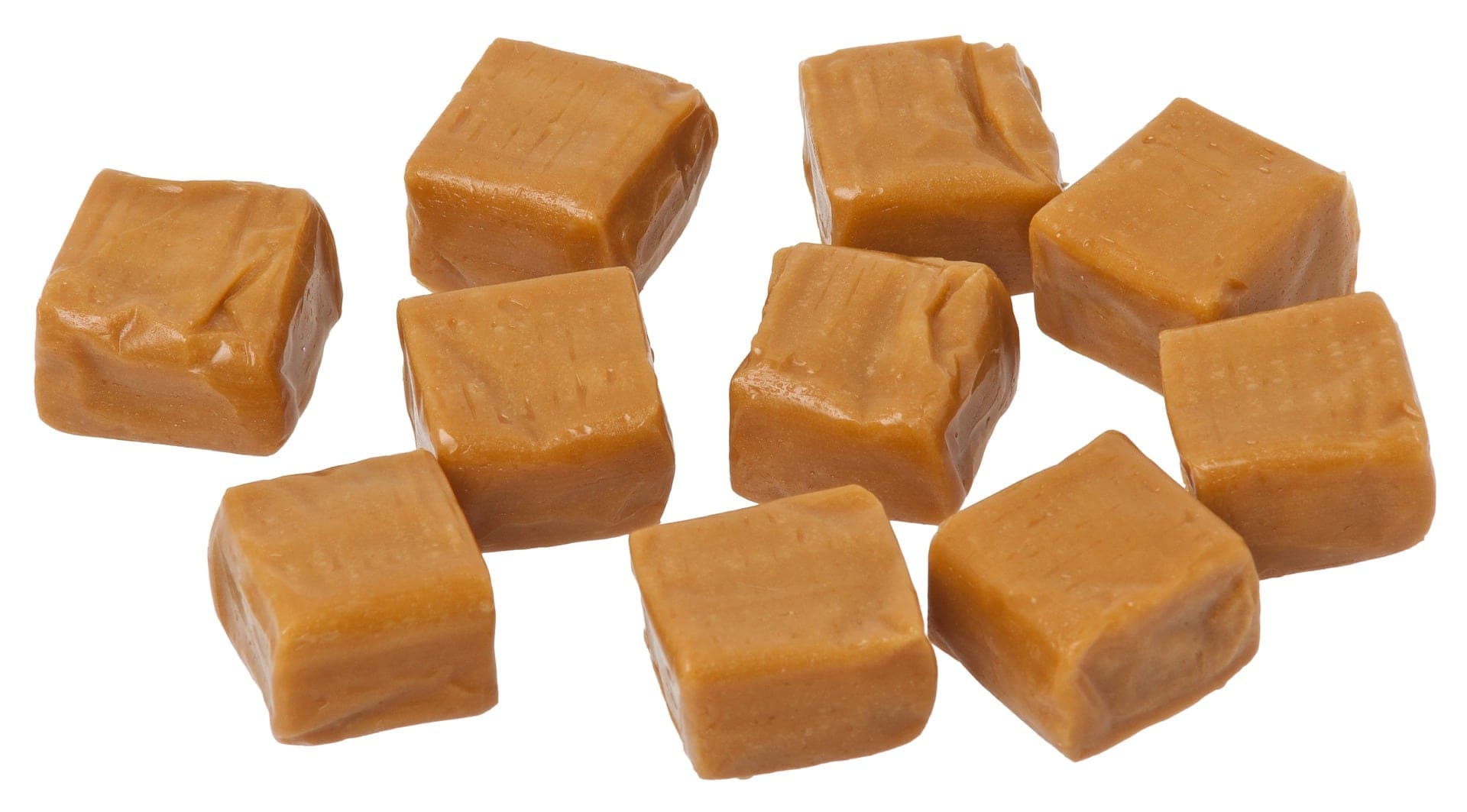
Although caramel is not considered toxic to dogs, it is pure sugar, which does not have any nutritional benefit for dogs. Many commercial dog foods are already high in carbohydrates1, so adding extra sugary snacks will only contribute to their risk of obesity. In general, all sugary snacks should be kept away from dogs, but alternative treats do exist. Meat cuts, certain fruits and vegetables, and peanut butter, as well as healthy dog treats designed specifically for canine consumption, are viable options.
Read on for more information on whether a bit of caramel will do your pup more harm than good.

Why Is Caramel Bad for Dogs?
Dogs rely on us to feed them a healthy and nutritious diet, in the same way children do. We need to ensure that they get plenty of good food while avoiding bad food. Caramel is made up almost entirely of sugar that has been heated so it caramelizes. While children and adults can occasionally enjoy a small amount of sugar, dogs should avoid it at all times. Our omnivorous nature means that we can effectively digest and dispose of carbohydrates, but dogs are less capable in this area, being facultative carnivores.
While they can obtain a certain amount of nutrition from carbohydrates because as scavengers, they have adapted to eat the occasional fruit or vegetable, that does not mean sugar should ever be fed to a dog, regardless of their size.
Vomiting and Diarrhea
Dogs are not equipped to deal with large quantities of sugar. They may experience negative effects immediately after ingestion, and the signs can include vomiting and diarrhea. If this does happen, you need to stop feeding your dog and consult a veterinarian especially if the signs persist after 24 hours.
Sugar and Obesity
Caramel is basically pure sugar, which dogs don’t get any benefits from. A single candy stolen from the bag won’t lead to your dog becoming overweight, but it won’t take too many sweet treats for them to start putting on the pounds. Obesity is a major problem for dogs because they can struggle to carry their own weight. It can lead to joint and muscle problems, and it is incredibly difficult to shift weight from a dog that wants to eat, particularly if they have become accustomed to eating sugary treats like caramel.
Obesity can also lead to problems like diabetes.
Dental Problems
Dogs rely on using their mouth and teeth for a whole manner of tasks. Besides eating and drinking, they use their mouth to carry things, to identify objects, and even to defend themselves against potential threats when required. Keeping your dog’s teeth in top condition is vital, and coating them in chewy and sugary sweets increases the likelihood of bacteria thriving in their teeth and gums, which will lead to dental issues like cavities2.
Behavioral Problems
A sugar rush is a genuine thing. In children, it can be irritating, but it will usually pass without too many problems. Having a 100-pound dog charging around after chewing down on sugary caramel might sound amusing, but it can lead to injury, and your puppy will endure a massive sugar crash.
Also, sugar rushes are addictive and your dog will crave more. They will even start to adjust their behavior to try and get more of the sugary treat, which can lead to discipline and behavioral problems in the long run. It is also impossible to convince a dog that they need to cut down on a particular food, and they will see no reason why they shouldn’t have more.

What Should You Do If Your Dog Has Eaten Caramel?
If you believe your dog has eaten a piece of caramel, you should monitor them. It is unlikely that a single caramel binge will lead to major problems, but it could cause them to vomit or give them diarrhea, both of which can be dangerous. Ensure they have water available to drink and monitor them.
If vomiting and diarrhea persist for more than a few hours, consult a veterinarian and let them know what has happened.
Is All Sugar Bad for Dogs?
Honestly, pretty much any amount of sugar is bad for dogs. Sugary treats are “empty calories,” which means they are high in calories without providing many nutritional benefits. Your dog will get fatter, but they will be missing out on essential vitamins and nutrients that they can only get from the food in their diet.
Check any treats that you provide to ensure that they do not contain sugar, and look for healthy and species-appropriate alternatives based on healthy proteins.
Alternatives to Caramel
Fortunately, there are plenty of tasty and palatable alternatives that you can feed your dog instead of caramel and sugary treats.
Conclusion – Can Dogs Eat Caramel?
Caramel is pure sugar and is bad for your dog, with potential short-term and long-term negative effects. It can cause obesity and lead to the development of cavities, and its chewy texture means that your dog may not know what to do with it and so swallow it whole, potentially causing a choking hazard.
There are many alternatives to caramel, including peanut butter and wholesome and healthy dog treats. Always avoid foods that are high in sugar, as these represent empty calories that pile on pounds but do not provide any nutritional benefit.
With that said, if your dog has eaten a small amount of caramel, they should be fine, but you should watch for vomiting and diarrhea, and always seek veterinary advice if you are concerned with prolonged clinical signs.
See Also: Can Dogs Eat Couscous?
Featured Image Credit: RoyBuri, Pixabay
Get Hepper In Your Inbox


Pet care tips from our vets and experts, straight to your inbox.
You may opt-out at any time. View our Privacy Policy for more information.
Nicole is a lover of animals of all sizes but is especially fascinated with the feline variety. She’s the proud mom of Baby, a Burmese, and works every day so he can relax in the sunshine or by the fire. She’s always had a cat in her home and has spent countless days with others, observing behaviors and softening up even the grouchiest of the lot. Nicole wants to share her kitty expertise with you so you and your cat can live happy, healthy, and care-free.
Join the conversation
Ask a question, share your story, or send private feedback.