Hepper is reader-supported. When you buy via links on our site, we may earn an affiliate commission at no cost to you. Learn more.
Can Dogs Eat Butterscotch? Vet Reviewed Health Concerns & FAQ


In this article
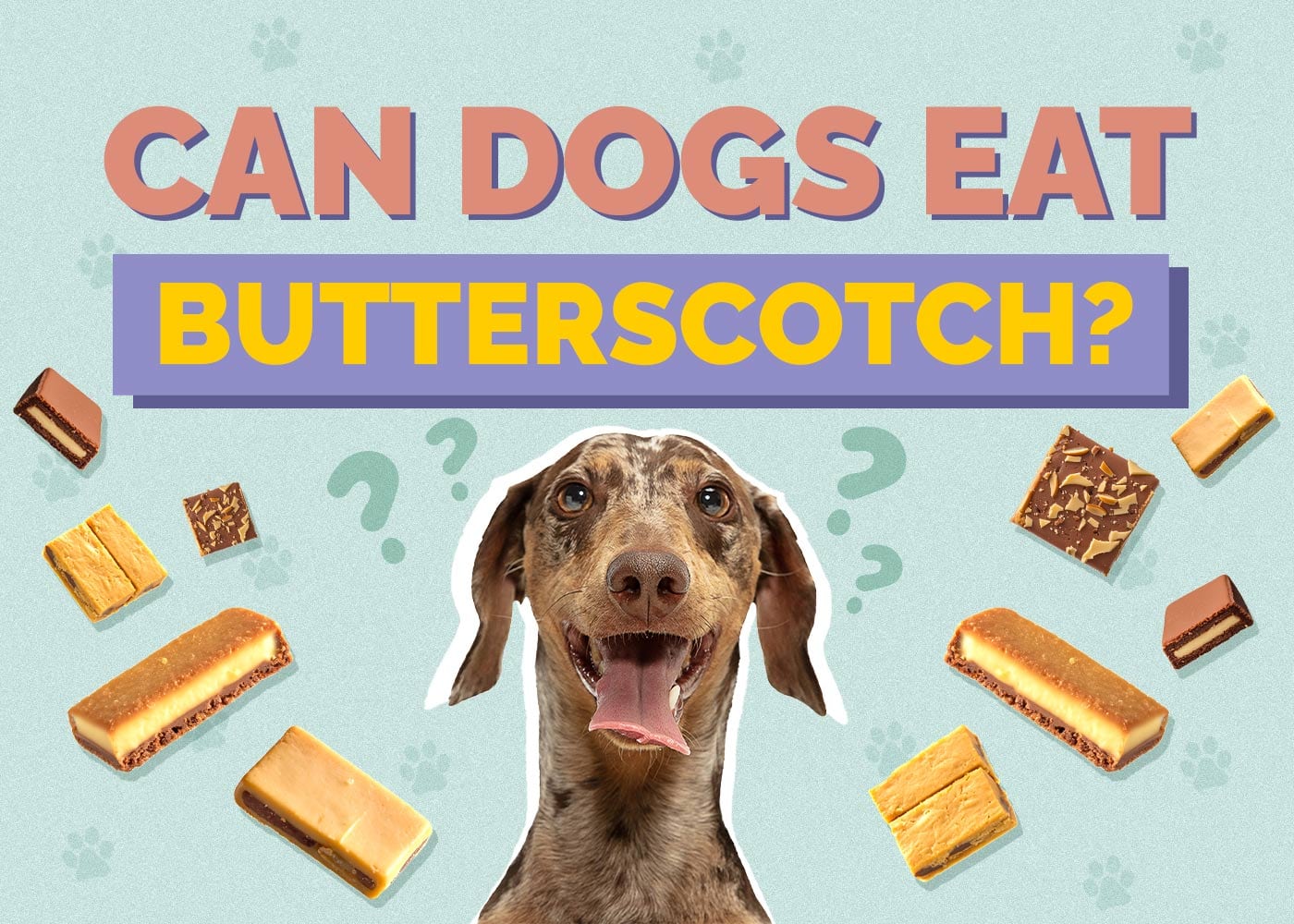
Dogs are curious animals that like to try new foods, especially those we eat. Butterscotch is a popular candy that many of us enjoy throughout the year, so it’s not too strange to wonder if it’s safe for your pet. Fortunately, butterscotch is usually safe in small amounts, but dogs shouldn't eat butterscotch. Read on for a list of butterscotch’s nutritional facts, how much is safe for canines, and healthy alternatives.

What Is Butterscotch?
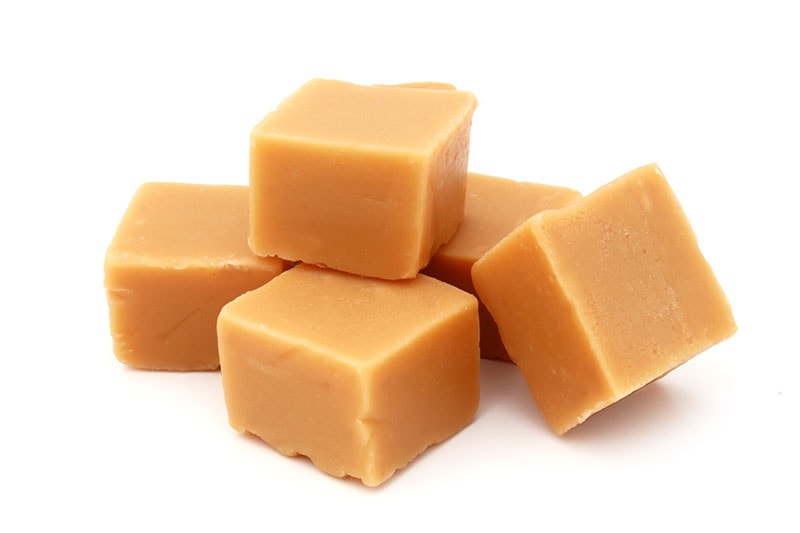
Butterscotch is a candy flavor made primarily from brown sugar, butter, and other ingredients, such as cream, vanilla, and salt. It’s a popular ingredient in many desserts, candies, and sauces. It was first created in Yorkshire, England, in the mid-1800s and became popular in the United States in the early 1900s.
Risks of Letting Dogs Eat Butterscotch
Xylitol
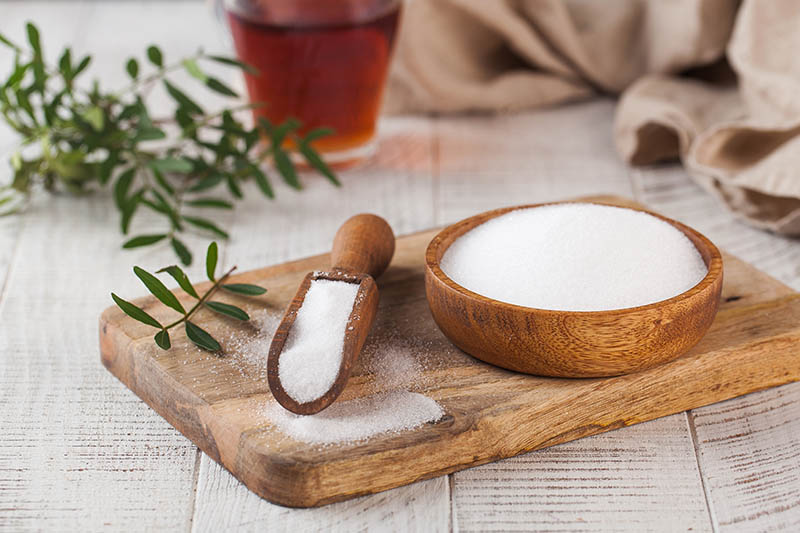
Xylitol is a sugar substitute commonly used in sugar-free and diet products, including some butterscotch-flavored items. This seemingly innocent ingredient can be extremely toxic to dogs. It can lead to a rapid release of insulin, causing a dangerous drop in blood sugar levels or hypoglycemia. Signs include vomiting, loss of coordination, seizures, and liver failure. Even a small amount can have serious consequences for your canine companion, so it’s important to read over the ingredient list of any new foods that you are considering giving to your dog.
High Sugar Content
Butterscotch products that don’t contain artificial sweeteners like xylitol will have regular sugar. Excessive regular sugar intake can lead to obesity and increased risk of joint problems, pancreatitis and some cancers. limiting the number of sweet treats that they consume is essential.

Dairy
Butterscotch often contains dairy ingredients like butter and cream. While small amounts of dairy may not harm most dogs, some canines are lactose intolerant, so monitor your dog closely for any signs of digestive discomfort if they have got into some butterscotch.
Benefits of Feeding Butterscotch to Dogs
Since butterscotch is primarily butter and brown sugar, there is no benefit to allowing them to eat it.
Alternatives to Butterscotch for Dogs
Dog-Friendly Treats
Many commercial treats are available to provide your pet with a healthy and tasty snack without the risk of xylitol and other harmful ingredients.

Fruits and Vegetables
Many fruits and vegetables are safe and healthy for dogs, including apple slices, carrots, and blueberries. These foods are healthy and delicious treats, but you must carefully wash them to remove pesticides.
Lean Meat
Boiled lean meat like chicken or turkey can make an excellent, healthy treat that most dogs will love.
Frequently Asked Questions
Can Dogs Eat Butterscotch?
While a small amount of butterscotch is not harmful to your pet, there are no healthy ingredients. The sugar and butter that it contains can lead to obesity and other health issues over time, so it’s better to avoid this sweet treat and provide a healthier snack to your pet.
What Should I Do If My Dog Accidentally Eats Butterscotch?
If your dog consumed a small amount of butterscotch, they will likely be fine as long as it didn’t contain any xylitol, but you should still watch them carefully for several hours for signs of digestive distress and contact a vet if you notice any. Call the vet immediately if the butterscotch contains xylitol, if you are unsure what ingredients are in it, or if they consume a large amount of it.
Can Dogs Choke on Butterscotch Candies?
Unfortunately, hard candies present a choking hazard for dogs, especially small breeds, flat faced dogs and puppies. Hard candies can also scratch the dog’s throat when they chew and then swallow them.
Conclusion
If your dog consumed a small amount of butterscotch, they will likely be fine, but you should watch them for a few hours for signs of stomach upset if it’s their first time eating it. However, it would be best if you did not make it a regular treat because it doesn’t contain any healthy ingredients and can lead to weight gain over time. Hard candies can also pose a choking hazard and might scrape your dog’s throat. If the butterscotch contains artificial ingredients like xylitol, you’ll need to avoid it entirely and call a vet immediately if your dog eats it, as it can pose a serious risk to your pet’s health. It’s better to choose healthier options, like commercial dog treats, fruits and vegetables, and lean meat.
Featured Image Credit: justsolove, Shutterstock
Get Hepper In Your Inbox


Pet care tips from our vets and experts, straight to your inbox.
You may opt-out at any time. View our Privacy Policy for more information.
Ed Malaker is a veteran writer who has contributed to a wide range of blogs that cover pets, tools, guitars, fitness, and computer programming. When he’s not writing, Ed is usually performing DIY projects around the house or working in the garden. He’s also a musician and spends a lot of time helping people fix their guitars and composing music for independent films.
Join the conversation
Ask a question, share your story, or send private feedback.