Hepper is reader-supported. When you buy via links on our site, we may earn an affiliate commission at no cost to you. Learn more.
Can Dogs Eat Jello? Is Jello Safe for Dogs?
Jello, that wiggly sweet treat we humans enjoy. But have you ever wondered if jello is safe for your pup?
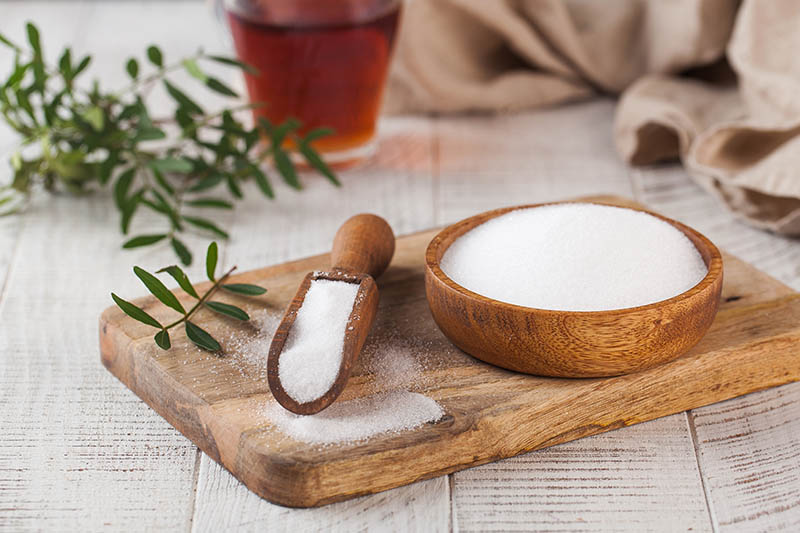
Strictly speaking, it is considered safe to give your dogs a small amount of homemade jello, although, despite containing protein, it certainly isn’t good for them. Most store-bought jello desserts should not be fed to dogs, because they are either very high in sugar or, worse still, contain artificial sweeteners like xylitol. Artificial sweeteners are very bad for your dog and should never be fed to them.

What Is Jello?
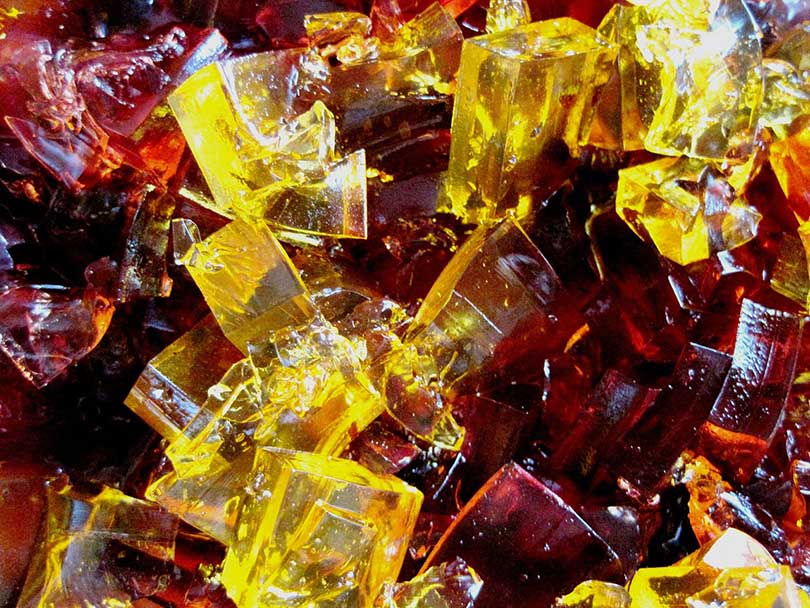
Jello is a gelatin-based dessert. It is usually made from collagen gelatin that is created through the boiling of animal ingredients including bones. When left to cool, the boiled mixture leaves the wobbly jello that has become a popular dessert and kids’ party food. It’s incredibly popular with humans, thanks to its garish colors and high sugar content.
Homemade jello does not contain the same food colorings, sugar, or sweeteners, as store-bought jello desserts. It is surprisingly easy to make, only requiring gelatin powder and some form of flavoring (ideally natural). In this form, and assuming that you don’t add sugar or sweetener to your own recipe, it is safer for dogs to eat. In truth, however, there isn’t much reason to give this food to your dog.
What If Your Dog Tries a Little Bit?
There are worse foods to give your dog than jello. It is unlikely to have any long-lasting effects, and your dog should be fine if it takes a small amount out of your bowl. However, if the ingredients include xylitol, this can be a different story.
Protein
Jello usually contains large amounts of sugar or sweetener, but it also contains protein, which can mislead some owners into thinking it’s safe for their pets. However, the levels of protein are low and do not outweigh the negatives of feeding so much sugar to your canine.
The Negative Effects of Sugar
Sugar is not toxic for dogs, but it definitely isn’t good for them, either. It doesn’t take much sugar for your dog to become obese over time. Obesity can greatly shorten the lifespan of your dog because it can lead to illnesses like canine diabetes. As such, owners are advised to avoid giving their dogs sugar. You may believe it to be a one-off, but it sets a bad precedent and poor dietary habits for your pet.
Toxic Xylitol
So, sugar isn’t good for your dog and can cause long-term problems. However, it is better for your pooch than most artificial sweeteners. Check the packet of jello that you have in your cupboard and you are likely to find xylitol is one of the ingredients.
Xylitol is an artificial sweetener. Unlike natural sugar, it is highly toxic for dogs. Specifically, it causes your dog’s pancreas to create a large amount of insulin. This, in turn, leads to a significant decrease in blood sugar, a condition called hypoglycemia. This can occur within an hour of your dog ingesting xylitol and can be life-threatening. It is estimated that just 50mg of xylitol for each pound of body weight can cause hypoglycemia in your dog and much more than this can lead to liver failure.
If you believe your dog has eaten anything containing xylitol, including jello, you should consult a veterinarian before taking any other action. You should not induce vomiting unless your vet tells you to do so, because this can make hypoglycemia even worse.

Jello Alternatives
While a small amount of jello might be safe for your dog, it really doesn’t offer any benefit to them and is best avoided. There are plenty of alternatives your pet pooch could enjoy instead of this brightly colored, sweet treat.

Gelatin itself is not bad for your dog. In fact, it can be considered quite healthy, and it could add some much-needed texture to good quality food. Buy a packet of natural gelatin powder and mix it according to the instructions. Do not add sugar or sweeteners but consider adding it to chicken broth and allowing it to set in a silicone mold. This is an easy and convenient way of potentially getting your dog excited about their food.
Alternatively, make your own strawberry jello, using gelatin and fresh strawberries. Strawberries are good for your dog. They are naturally sweet, which makes them appealing, and because there is no artificial sweetener to muddy the waters, this even allows your dog to benefit from the protein found in the gelatin.
Other fruits that dogs can enjoy include bananas, blueberries, mangoes, and oranges. Whatever fruit you opt for, ensure that it is peeled, and you have removed any stems or seeds so that it is healthy for your pet.
Can Dogs Eat Jello?
Dogs can eat pure, homemade jello. In fact, in this form, it contains protein from the beef broth it was made. However, store-bought jello tends to contain sugar, at best, and xylitol, at worst. Sugar can have long-lasting negative effects on your furry friend, while even a relatively small amount of xylitol and other artificial sweeteners are toxic and can cause fatality in your pet.
Final Thoughts
Either make your own jello, leaving out the sugary sweeteners and incorporating healthy fruits or leave it out of your dog’s diet altogether. Consider peanut butter as a healthy alternative or opt for dog-friendly fruits and ensure that they are properly prepared before feeding them to your furry friend.
See Also:
Featured Image Credit: Girl with red hat, Unsplash
Get Hepper In Your Inbox


Pet care tips from our vets and experts, straight to your inbox.
You may opt-out at any time. View our Privacy Policy for more information.

Nicole is a lover of animals of all sizes but is especially fascinated with the feline variety. She’s the proud mom of Baby, a Burmese, and works every day so he can relax in the sunshine or by the fire. She’s always had a cat in her home and has spent countless days with others, observing behaviors and softening up even the grouchiest of the lot. Nicole wants to share her kitty expertise with you so you and your cat can live happy, healthy, and care-free.
Join the conversation
Ask a question, share your story, or send private feedback.