Hepper is reader-supported. When you buy via links on our site, we may earn an affiliate commission at no cost to you. Learn more.
Can Dogs Eat Coleslaw? The Surprising Answer


In this article
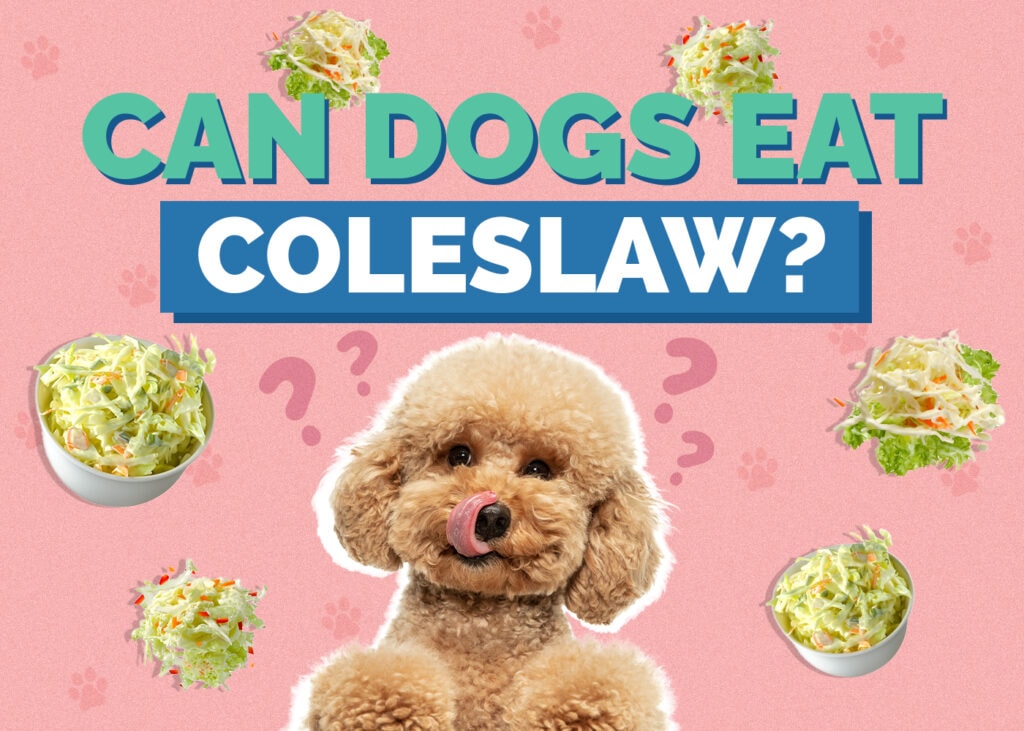
As one of the most popular side dishes at summer cookouts, coleslaw makes a delicious addition to the menu. If your pup joins you at the cookout, you might wonder if it’s safe for dogs to eat coleslaw? Coleslaw recipes vary widely, but most include ingredients that are either toxic or unhealthy for dogs, so it is usually not a good idea to let your dog eat it.
In this article, we will look at which coleslaw ingredients are unsafe or unhealthy, so you know whether you need to worry if your dog steals a few bites. We’ll also cover some safer options if you want to offer your dog vegetables as a snack and discuss how these items fit into a balanced diet for your pup.

Coleslaw Ingredients: A Closer Look
Cabbage and Carrots
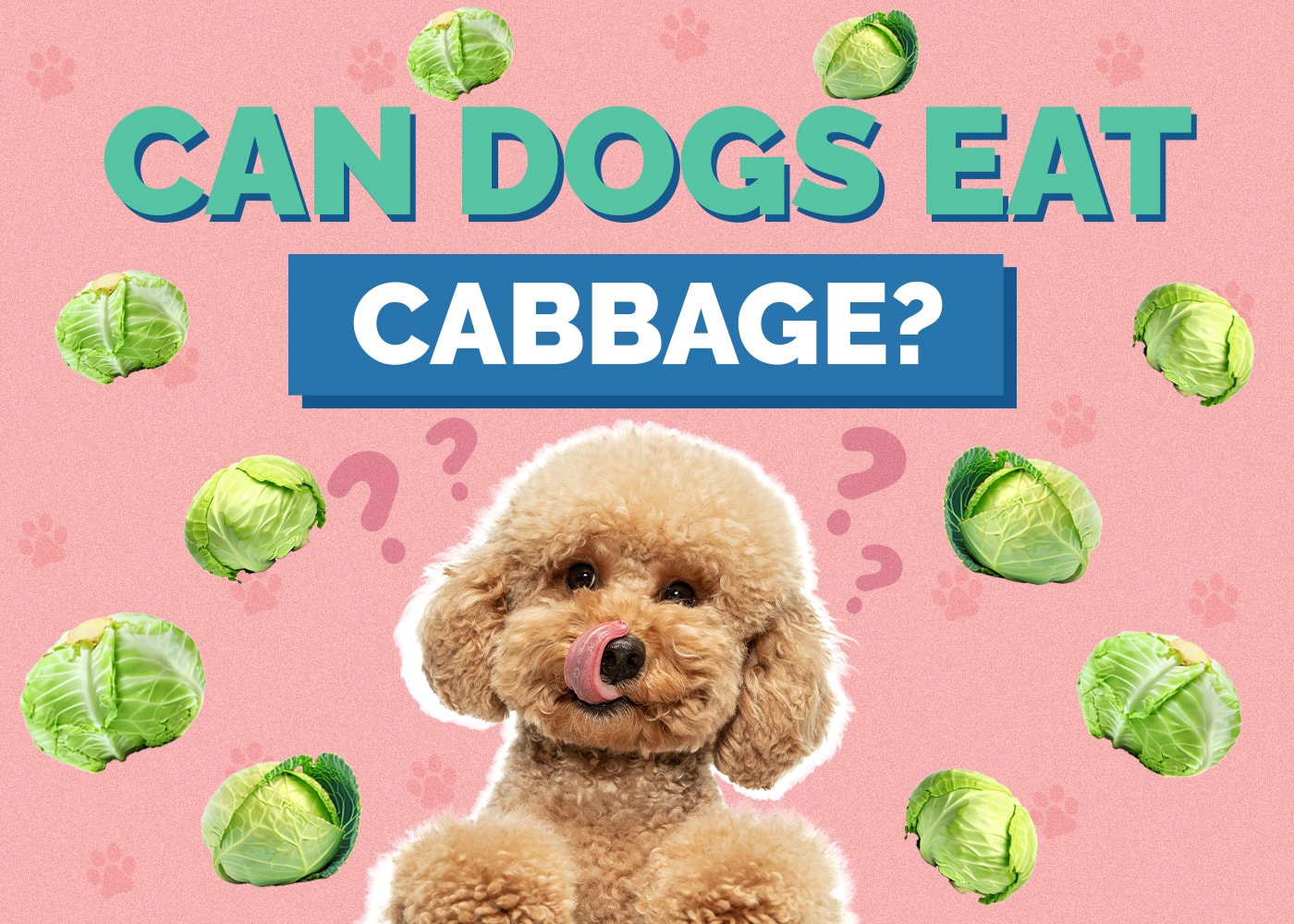
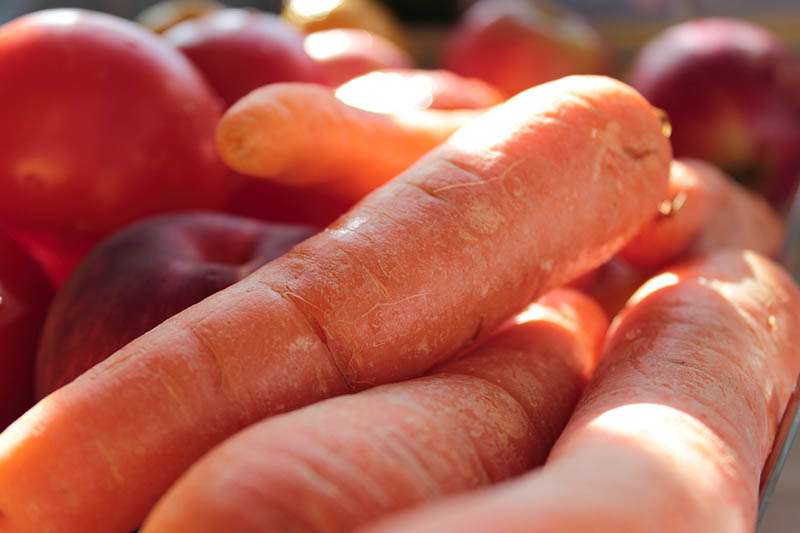
The base of any coleslaw recipe is red or green cabbage. Many recipes, along with bagged coleslaw mix, also include carrots. By themselves, both these vegetables are safe and healthy for dogs.
Carrots are many dogs’ favorite vegetables because of their sweet flavor and crunchy texture. They’re low in calories and a good source of fiber and vitamin A. Cabbage is also full of fiber, antioxidants, and other nutrients. Although they are safe to feed, both cabbage and carrots should be served in moderation. Carrots are high in sugar, and eating too much cabbage can make your dog gassy!

Mayonnaise
Traditional coleslaw recipes are made with mayonnaise. Mayo is typically high in fat and may include dairy and lemon juice that could upset your dog’s stomach. Eating too many high-fat foods could lead your dog to gain weight or develop a dangerous condition called pancreatitis. Mayo typically also contains raw egg yolks which can increase the risk of food poisoning however usually the acid/vinegar in the recipe will prevent this.
Onions
Some coleslaw recipes include onions, usually green onions. Like all members of the onion family, green onions are toxic to dogs. Onions contain a compound that results in the destruction of a dog's red blood cells, potentially leading to life-threatening anemia. Onion powder is also harmful to dogs.
Seasonings
Coleslaw generally contains salt and pepper, possibly other seasonings like celery seed. Typically, you should avoid feeding your dog salty foods. Onion and garlic powder are also toxic to dogs. However, celery, including celery seed, is safe for dogs.
Non-Traditional Coleslaw Ingredients
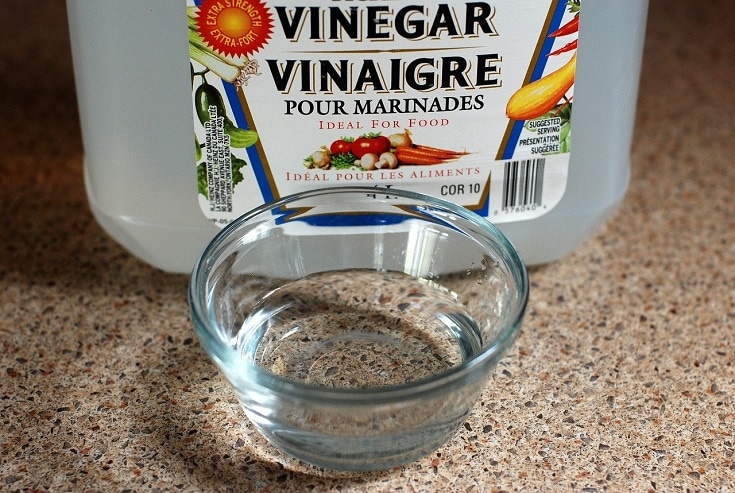
Some coleslaws are made with an oil-and-vinegar dressing rather than mayo. Others may swap out the mayo for Greek yogurt to make it healthier. You’ll still want to avoid feeding these types of coleslaw to your pup.
Some oils are made from ingredients toxic to dogs, such as macadamia nuts. Oil is another high-fat food that could upset sensitive stomachs or trigger pancreatitis. Dogs don’t have the enzymes to digest dairy products, and Greek yogurt may cause issues.
Sometimes raisins are included in the recipe and these can be highly toxic in some dogs resulting in kidney failure.

Feeding Vegetables to Your Dog
Instead of letting your dog eat coleslaw, try offering other plain, safe vegetables to your dog. Remember, most of your dog’s daily calories should come from a complete and balanced dog food diet. Snacks and treats, whether made for dogs or humans, should only make up about 10% of the daily calorie count.
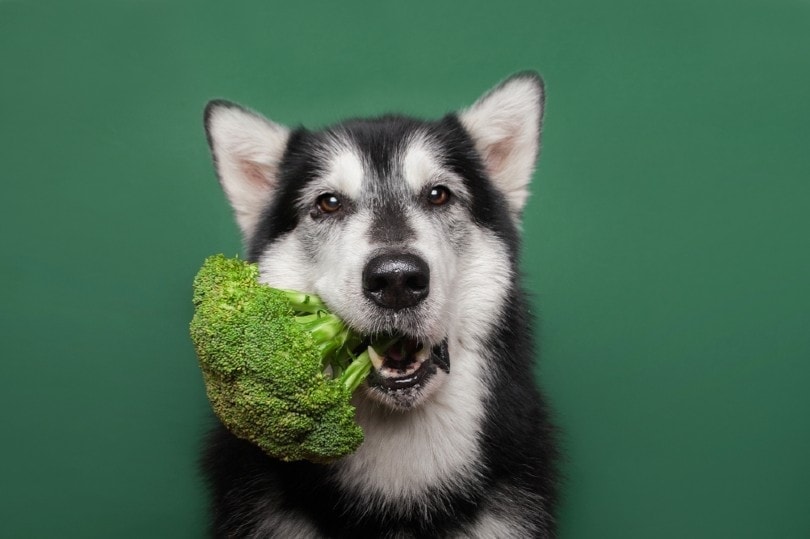
As we mentioned, cabbage and carrots are safe when served without any coleslaw dressing or seasonings. Here are some other safe vegetables your dog may enjoy in moderation:
- Green beans
- Bell peppers
- Lettuce
- Broccoli
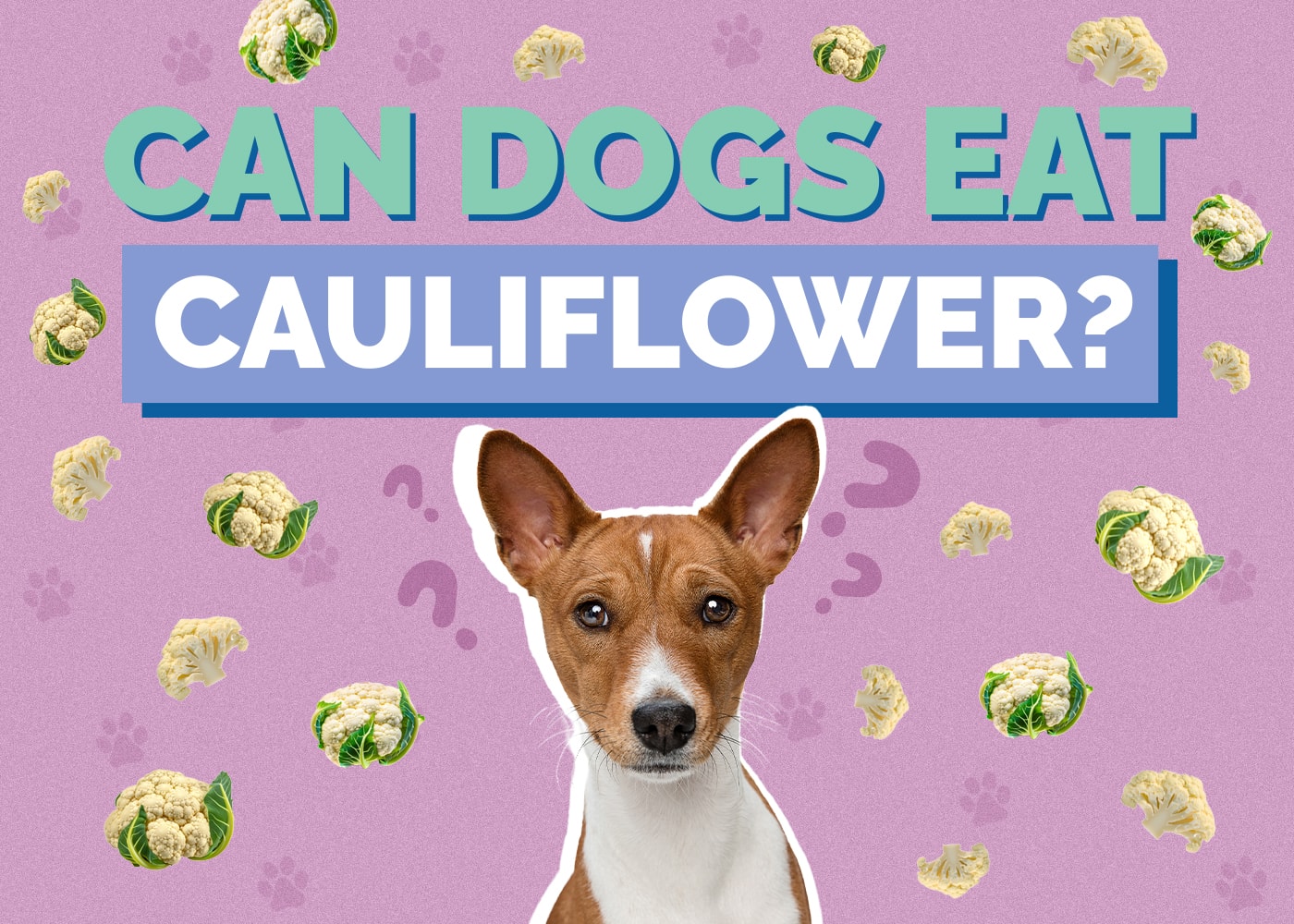
- Cauliflower
- Zucchini
Like cabbage, broccoli and cauliflower could make your dog gassy. Besides onions, avoid feeding your dog any wild mushrooms and only feed spinach and kale in small amounts. These leafy greens contain oxalates, which may contribute to the development of kidney and bladder stones when eaten in large quantities.
Before feeding plain vegetables to your dog, remove any seeds, leaves, or stems. Cut the veggies up small enough that your dog shouldn’t choke on them. If you want to offer cooked vegetables, try steaming them and avoid using butter, oil, or seasonings.
Final Thoughts
Because coleslaw is often high in fat and may contain toxic ingredients, it’s best to avoid feeding it to your dog. If your pup eats coleslaw, try to identify the ingredients so you know what issues to look out for. The coleslaw that contains onions or garlic (even in powder form) or raisins is toxic to dogs, and you should contact your veterinarian for advice. If your dog has other health issues or a history of pancreatitis, it’s a good idea to check with your vet, even if they eat coleslaw without toxic ingredients.
Sources
Featured Image Credit: Jumpstory
Get Hepper In Your Inbox


Pet care tips from our vets and experts, straight to your inbox.
You may opt-out at any time. View our Privacy Policy for more information.
A lifelong lover of all creatures great and small, Elizabeth got her first cat at 5 years old and at 14, she started working for her local veterinarian. After spending more than 20 years working as a veterinary nurse, Elizabeth decided to step away to become a stay-at-home parent to her daughter. Now, she is excited to share her knowledge with our pet parents. Elizabeth lives in Iowa with her family, including her two fur kids, Linnard, a husky mix and Algernon, the worldʻs most patient cat. When not writing, she enjoys reading, watching soccer, and spending time outdoors with her family.
Join the conversation
Ask a question, share your story, or send private feedback.