Hepper is reader-supported. When you buy via links on our site, we may earn an affiliate commission at no cost to you. Learn more.
Does My Dog Need Vegetables to Stay Healthy? What You Should Know!


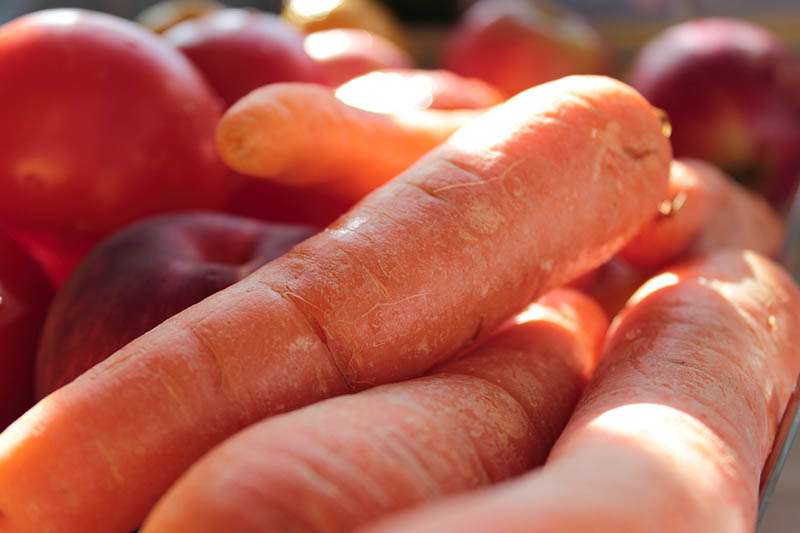
It's pretty rare to see a dog crunching on lettuce or getting a carrot stick as a treat. Dogs are known for having voracious appetites, but mostly for protein-rich foods. However, every dog owner understands that the key to having a happy and healthy pup is to feed them a balanced diet.
This begs the question, “Do dogs need vegetables to be healthy?”
The short answer is no, but there's a bit more to it. To understand why dogs don't need vegetables, we have to look at their digestive systems and what nutrients are present in vegetables.
Today, we'll take a deep dive into the world of dogs and vegetables. We'll examine the role that vegetables play in a dog's diet, as well as any potential health benefits or risks associated with feeding these foods to our furry friends.

Do Dogs Need Vegetables in Their Diets?
There has been a lot of debate in the dog food industry about whether vegetables are necessary for dogs. While many people believe that vegetables are essential to a dog's diet, science suggests otherwise.
Dogs evolved from wolves, which are ravenous carnivores that feed solely on meat1. Years of evolution transformed dogs into omnivores that fed on both meat and plants. However, their digestive systems are still primarily optimized for consuming meat, and vegetables are difficult for dogs to digest.
Therefore, the answer to our original question is no; vegetables are not necessary for dogs. However, many vegetables will not hurt your dog and are, in fact, a valuable source of nutrients. Additionally, vegetables can provide important benefits in terms of weight management and general health.
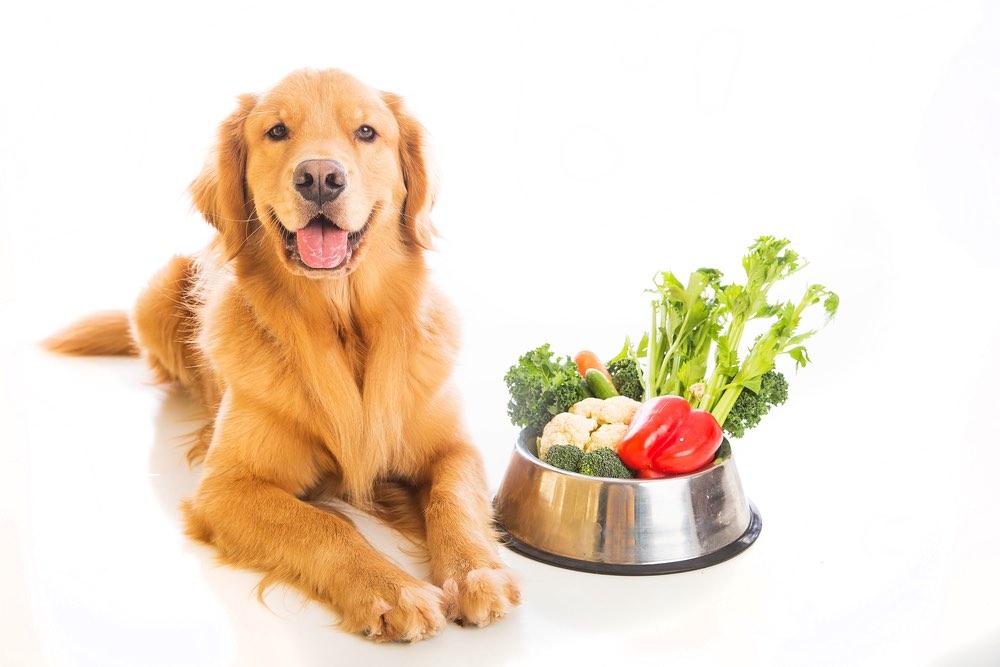

The 6 Benefits of Incorporating Veggies in Your Dog's Diet
Although not necessary, feeding your dog veggies always works for the best. Here are some of the benefits of doing just that.
1. Vegetables Are Incredibly Nutritious
Vegetables are packed with essential vitamins and nutrients that are important for your dog's health, including antioxidants, fiber, and minerals. These nutrients are vital for boosting your dog's immune system, maintaining a healthy weight, and preventing chronic diseases.
2. Vegetables Can Help Manage Your Dog's Weight
Did you know that as many as 25% to 30% of dogs between 5 and 11 years old suffer from obesity? Obesity is linked to a number of chronic health problems in dogs, including arthritis and diabetes.
Vegetables are a great way to help manage your dog's weight and reduce the risk of these diseases. Many vegetables are low in calories and fat, making them ideal for dogs that are struggling with extra weight. By feeding your dog vegetables as part of their regular diet, you can help them maintain a healthy weight and reduce the risk of chronic health problems.
3. Vegetables Help Keep Your Dog Hydrated
Many vegetables, such as broccoli and cucumbers, are mostly water. In fact, cucumbers are 96% water, making them a great choice for dogs that need an extra boost of hydration throughout the day. So if you're looking for a simple way to help your dog stay hydrated and healthy, vegetables are certainly a good choice.
4. Vegetables Help Keep Diseases at Bay
Many vegetables contain phytonutrients or chemical compounds that provide health benefits to the body. These compounds can help reduce inflammation, improve immune system function, and prevent chronic diseases like cancer and heart disease. You can reduce and even eliminate regular visits to the vet just by incorporating vegetables into your dog's diet.
5. Improves Your Dog's Digestion
Vegetables are also a great way to help keep your dog's digestive system healthy and running smoothly. They're loaded with fiber, which helps the gut move food through the body. In fact, vegetables can even be used to treat constipation in dogs that struggle with this problem.
6. Vegetables Are Rich in Antioxidants
Vegetables are also a great source of antioxidants, which help to fight free radicals and protect against chronic diseases like cancer. By feeding your dog vegetables regularly, you can not only boost their health but also help them live longer and happier lives.
How to Feed Your Dog Vegetables in 5 Ways
So you're sold on the idea of feeding your dogs vegetables, but where do you even start? Here are a couple of tips on how to introduce vegetables to your dog's diet.
1. Feed Them Raw Vegetables
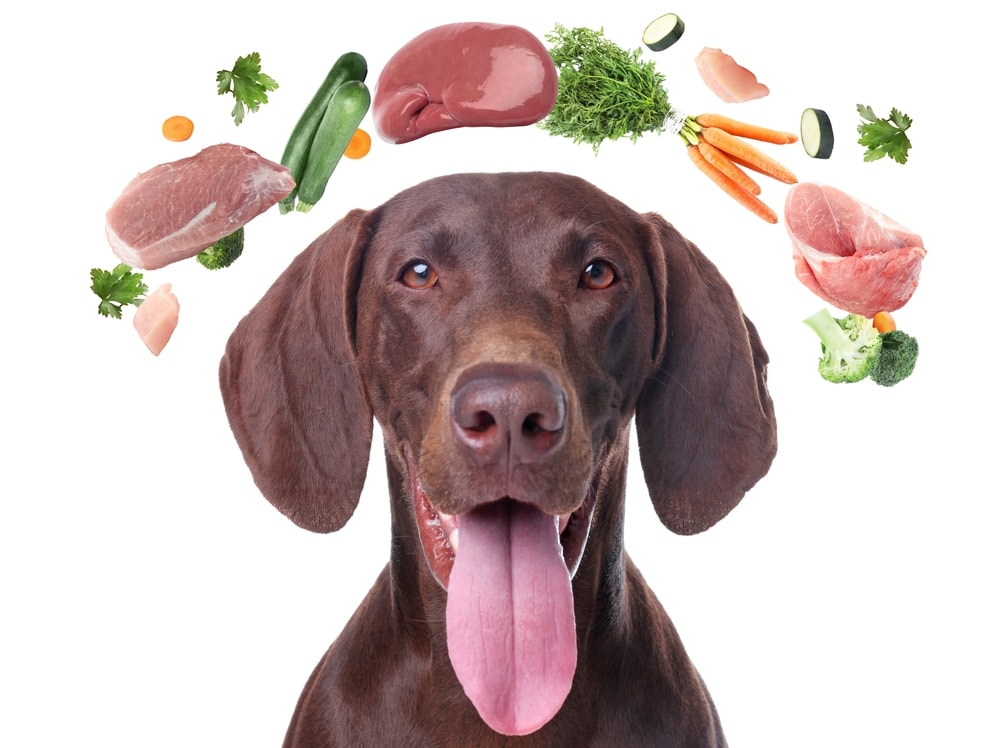
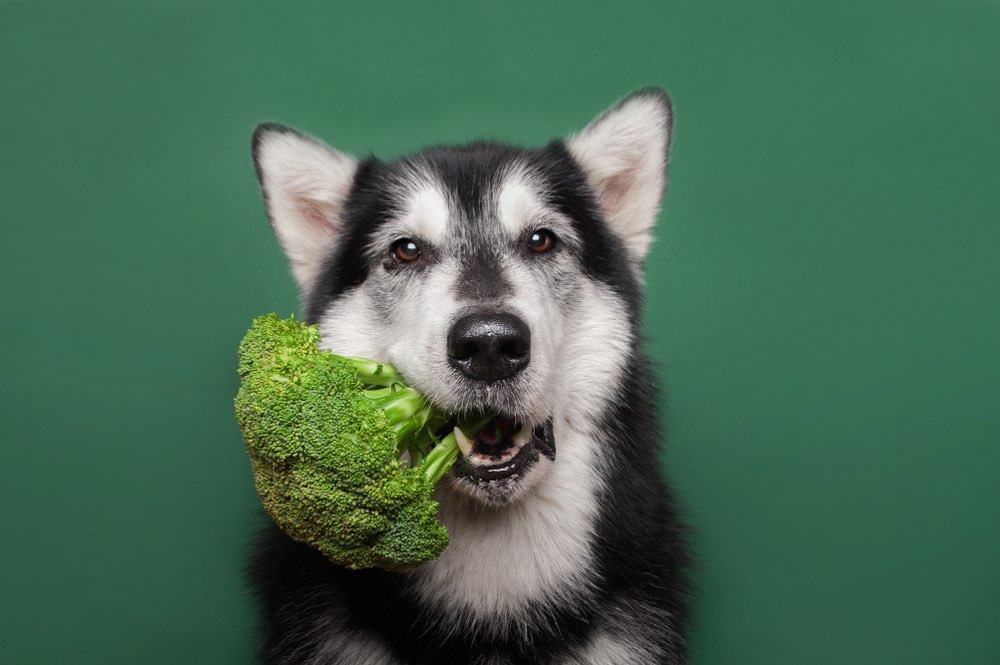
The easiest way to feed vegetables to your dog is to simply chop them up and feed them raw. Some common vegetables that dogs love include carrots, cucumbers, bell peppers, zucchini, broccoli, squash, and leafy greens like kale or spinach.
2. Steam the Vegetables First
If you're worried about vegetables giving your dog gas or making their stool smell, try steaming before feeding them to your dog. Steamed vegetables are easier for dogs to digest and are less likely to cause digestive problems like constipation or diarrhea.
3. Puree the Vegetables
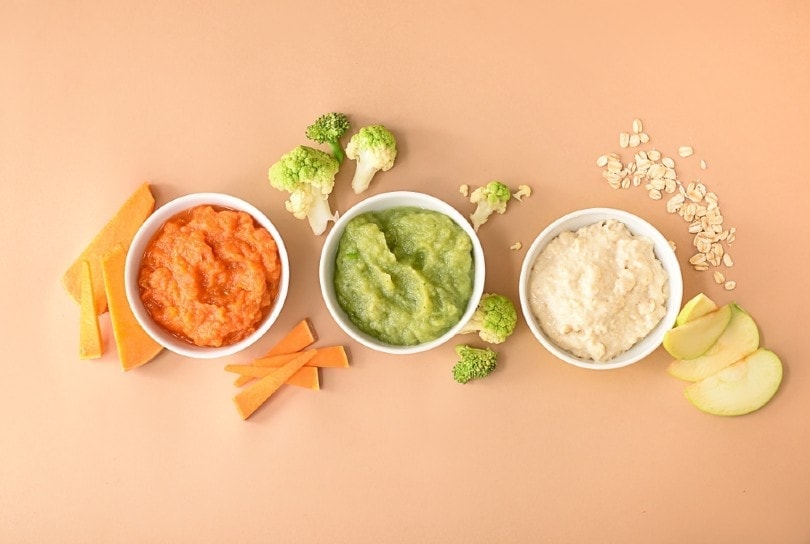
If your dog is picky or doesn't like vegetables, you can also try pureeing them to make them easier to feed. This will give the vegetables a more "juicy" texture and help dogs that have trouble chewing or those that just don't enjoy vegetables very much.
4. Blanch the Vegetables
Some vegetables, like broccoli and green beans, can be a little bitter to your dog's taste buds. In this case, it's best to blanch or briefly cook the vegetables before feeding them to your dog. This will help to neutralize the flavors and make vegetables more palatable for your furry friend.
See Also: Can Dogs Eat Bean Sprouts?
5. Feed Them Veggie-Based Treats
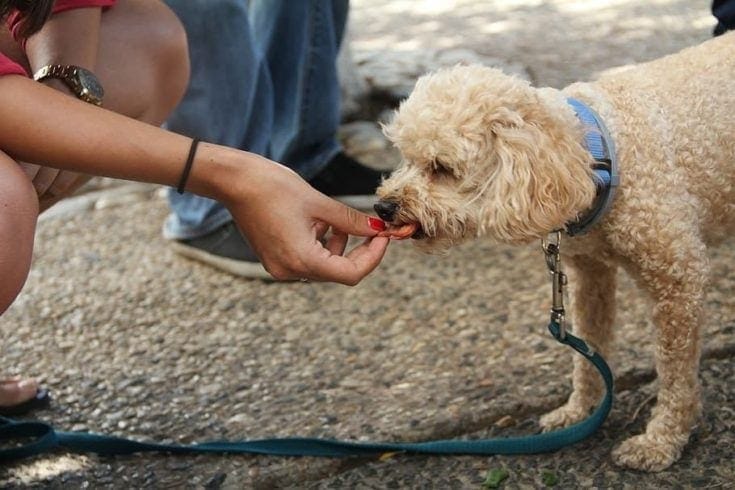
And if feeding fresh vegetables to your dog isn't an option, you can always try giving them veggie-based dog treats instead. There are several treats on the market today that are made from vegetables and other healthy ingredients.

The 4 Best Vegetables to Feed Your Dog
Clearly, vegetables can make a world of difference in your dog's diet. If you want a tasty and nutritious vegetable treat for your best friend, here are some options to consider.
1. Carrots
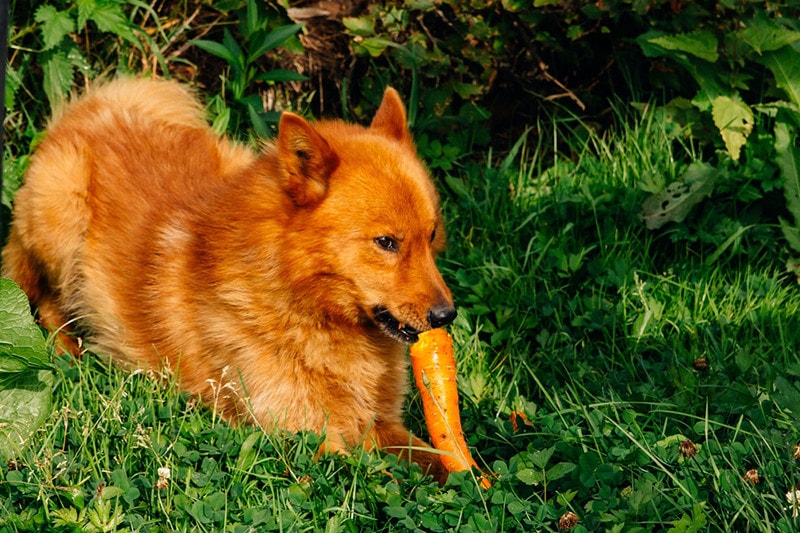
Carrots are rich in beta-carotene and vitamin A, which are both known to give dogs healthy, glowing coats. Carrots are also great for eyesight, making them a great choice for guard dogs. What's more, they help clean the teeth and gums by breaking down tartar.
2. Spinach
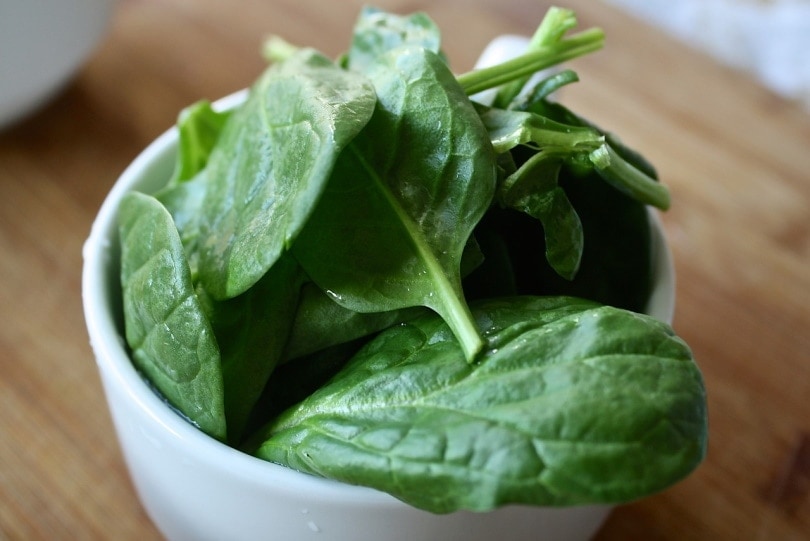
Spinach is a great source of iron, which is essential to the health and function of your dog's muscles. It also contains vitamin B6, which can help with neurological development and proper brain function.
3. Cucumbers
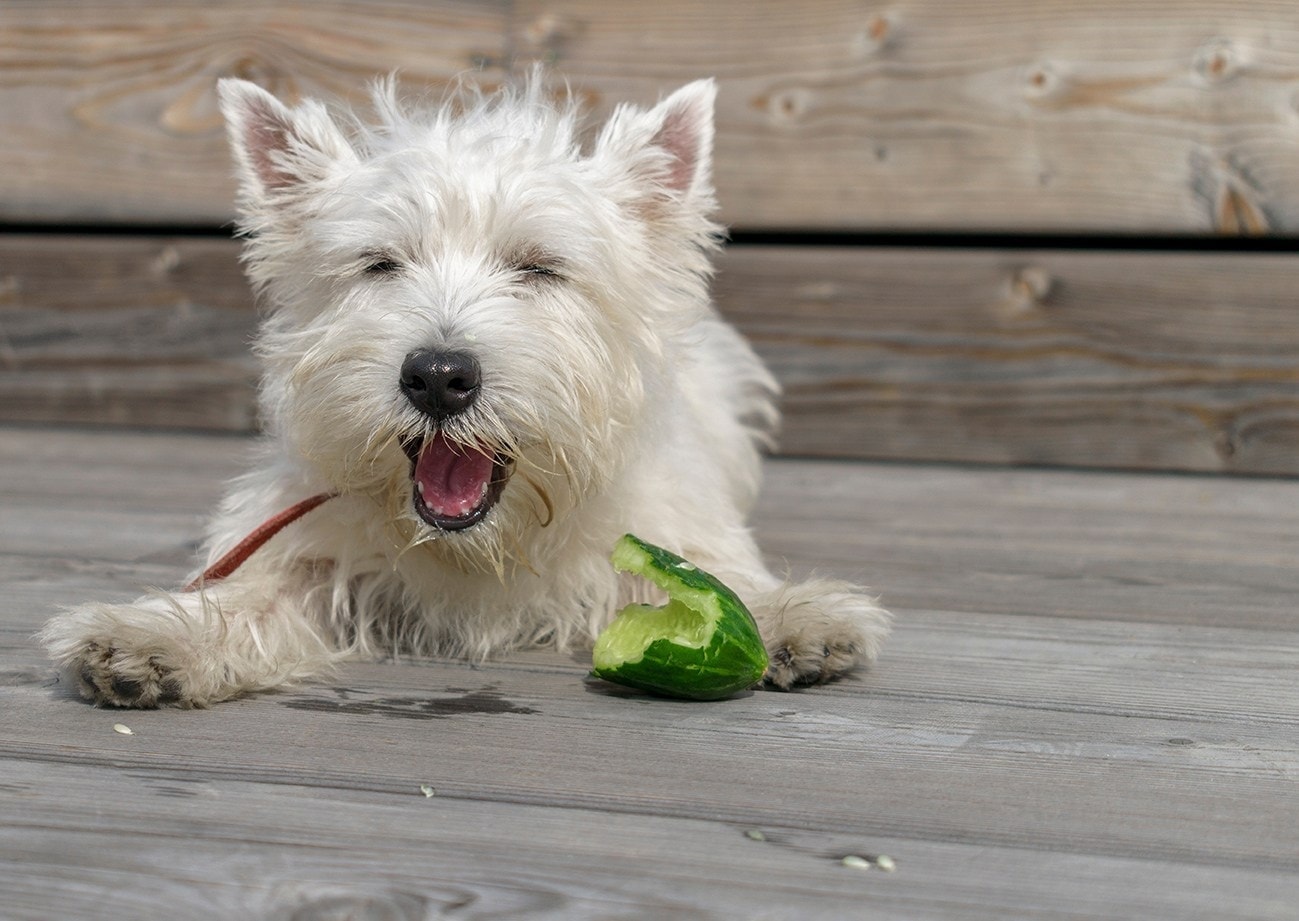
Cucumbers are an excellent choice for dogs that need extra hydration, as they're about 95% water. Plus, they're packed with essential vitamins and nutrients to help your dog stay strong, healthy, and happy.
4. Celery
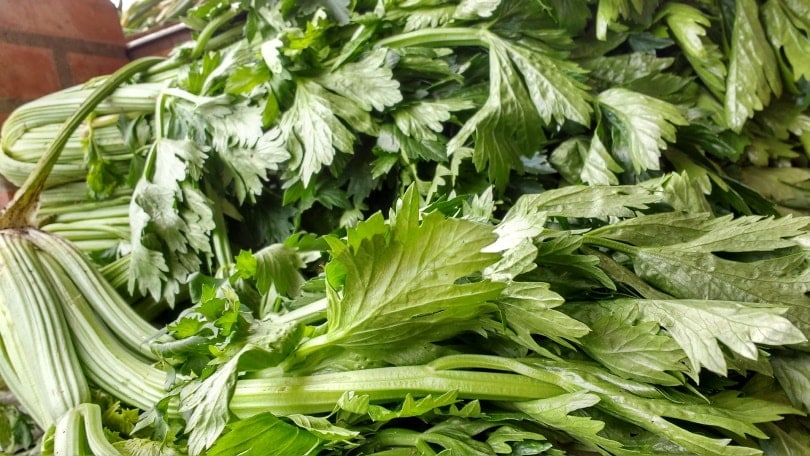
Celery is another great choice for dogs who need hydration, as it's also 95% water. Plus, it contains tons of fiber to keep your dog's digestive system running smoothly and reduce any gas or bloating they might experience.

Are There Vegetables You Shouldn't Feed Your Dog? 3 Main Vegetables to Avoid
Yes, some vegetables are unsafe for dogs and can actually be toxic to their health. Here are a few examples of vegetables you should never let your dog eat.
1. Onions and Garlic
Onions and garlic contain compounds that can damage red blood cells and cause health problems. This includes dehydrated onions and onion powder, which are often found in some commercial dog foods.
2. Unripe Tomatoes
Unripe tomatoes contain a compound known as tomatine that can harm your dog. The compound can cause diarrhea, vomiting, muscle weakness, loss of appetite, and other symptoms. It's best to avoid unripe tomatoes and tomato plants altogether.
3. Mushrooms
Some species of mushrooms can be highly toxic to dogs and cause severe damage. That said, most mushrooms sold in groceries are fine to feed dogs, but it is the process of cooking them and seasoning them to make them tastier which poses a problem for dogs. Also, some dog owners have reported seeing mushrooms sprouting out of their dog's feces after they ingested them. To be safe, it may be best practice to steer clear of mushrooms if you have a dog.

Final Words: Veggies Are Great for Your Dog
Overall, vegetables are an essential part of a healthy dog diet, and there are many different vegetables that you can feed your dog to help them stay strong, healthy, and happy. If you want a healthy dog or just want to break the monotony of your dog's diet, consider giving them some vegetables and see the difference for yourself.
Sources
Featured Image Credit: Jumpstory
Get Hepper In Your Inbox


Pet care tips from our vets and experts, straight to your inbox.
You may opt-out at any time. View our Privacy Policy for more information.
Nicole is a lover of animals of all sizes but is especially fascinated with the feline variety. She’s the proud mom of Baby, a Burmese, and works every day so he can relax in the sunshine or by the fire. She’s always had a cat in her home and has spent countless days with others, observing behaviors and softening up even the grouchiest of the lot. Nicole wants to share her kitty expertise with you so you and your cat can live happy, healthy, and care-free.
Join the conversation
Ask a question, share your story, or send private feedback.