Hepper is reader-supported. When you buy via links on our site, we may earn an affiliate commission at no cost to you. Learn more.
Can Dogs Eat Egg Whites? Our Vet Answers!


In this article
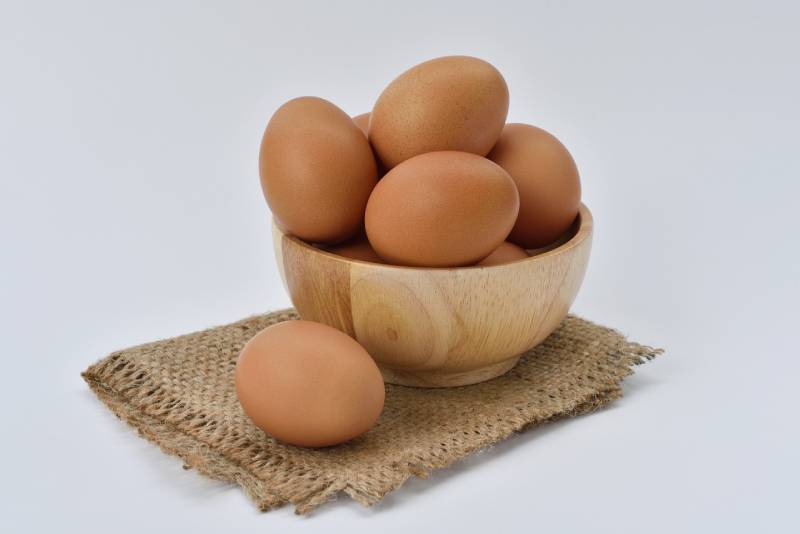
Egg whites are a hardy and healthy breakfast food. But can you share your love of this delicious dish with Fido? The answer is yes. Your dog can eat egg whites in moderation. Additionally, the occasional egg white added to your dog’s meal can be beneficial to their health.
If you want to learn more about egg whites and your pooch, keep reading.

Can Dogs Safely Eat Egg Whites?
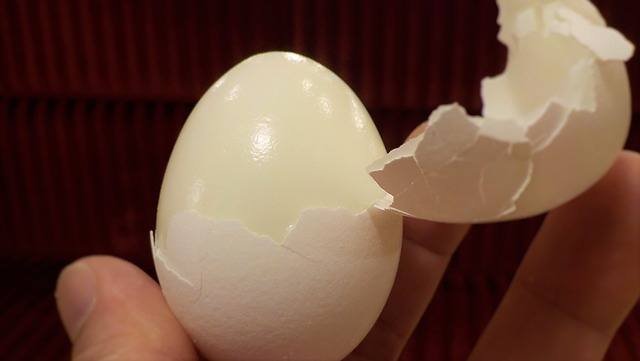
As we stated previously, egg whites are perfectly safe for canines to consume. They’re also a healthy addition to their diet.
As a nutrient-dense food, egg whites can provide your dog with easily digestible proteins and the following vitamins and nutrients:
- Folate
- Iron
- B12 vitamin
- Selenium
- Riboflavin
Even better, a single raw white egg contains 0.056 grams of fat and 3.6 grams of protein, both of which are essential for a healthy and happy pooch.
The Possible Drawbacks of Feeding Your Dog Egg Whites
For egg white protein to be in the most digestible form for your dog, it is recommended to gently cook the egg whites. Your dog can get the most nutritional advantage if you serve them this way. If you wish to feed raw egg whites to your dog, it’s critical to do so only in moderation. Routinely feeding your pup large amounts of egg whites can lead to biotin deficiency due to an antimicrobial protein called avidin. Avidin will tightly bind to biotin and interfere with your pet’s ability to properly absorb it. Biotin is critical for skin, hair, and nail health. If regularly fed raw egg whites, your dog could suffer from skin and fur problems.
Another possible problem of feeding your dog raw egg whites is the threat of Salmonella. These dangerous bacteria can cause diarrhea, fever, abdominal cramps, and vomiting.
To reduce the risk of Salmonella contamination, always:
- Purchase in-shell pasteurized eggs
- Buy fresh, organic eggs
- Store the eggs in a fridge and never at room temperature
- Dispose of eggs with a dented or broken shell
- Cook or boil the egg white before feeding it to Fido

How to Prepare Egg Whites for Your Dog
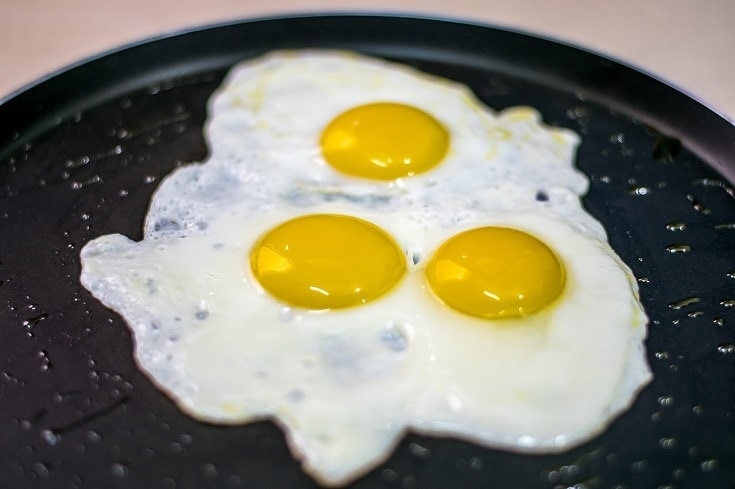
Never use an egg with a broken or dented shell. Before feeding your dog egg whites, it is best to either boil or cook them.
What About Egg Shells?
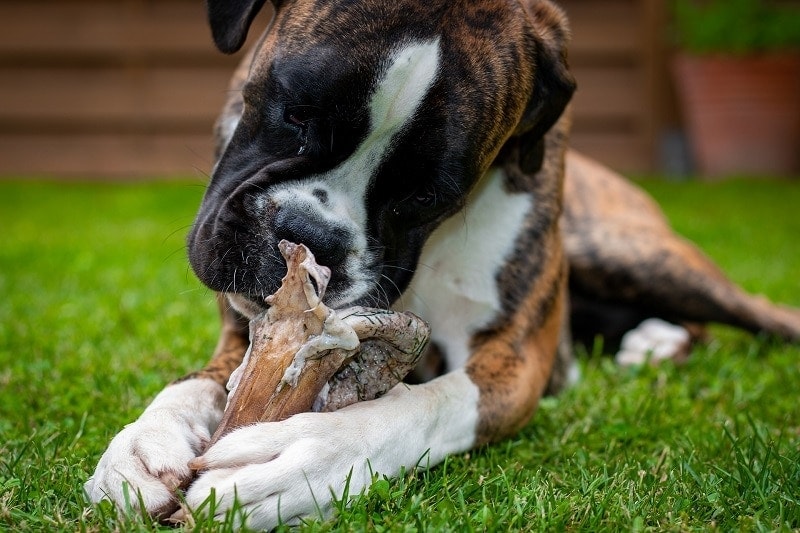
Dogs can eat eggshells in moderation. They provide an excellent source of calcium for canines. To feed your dog eggshells safely:
- Wash the eggshells
- Boil the eggshells
- Place the eggshells on a baking sheet and allow them to dry
- Bake for 10 minutes at 200 °F
- Grind the egg shells in a coffee grinder
- Store in a clean and dry mason jar
- Sprinkle the powder over your dog’s next meal
Conclusion
Egg whites are perfectly safe for dogs to eat in moderation. Feeding excessive amounts of raw egg whites to your dog might not be the best idea. Be sure to always cook or boil egg whites before serving them to your pet.
Egg whites can be beneficial to your dog’s health when offered as the occasional tasty treat. As with any diet change, consult with your vet before adding egg whites to your dog’s meal.
Related Reads:
Featured Image Credit: Jill WT, shutterstock
Get Hepper In Your Inbox


Pet care tips from our vets and experts, straight to your inbox.
You may opt-out at any time. View our Privacy Policy for more information.
Paola Cuevas is a veterinarian and animal behaviorist, with over 18 years of experience working with a variety of species. Her passion is animal welfare and focuses on the importance of preventive medicine. Paola has skills in the fields of nutrition, microscopy, clinical pathology, diagnostic imaging, and endoscopy as well as extensive experience in animal training through positive reinforcement. As our in-house veterinarian, Paola is very happy to share her knowledge and experience with our readers and hopes to be helpful with any issue presented by your non-human family members.
Dr. Paola is our Senior In-House Veterinarian at Hepper, and she loves sharing her knowledge and experience with our readers. Paola hopes to provide helpful information for any issue presented by your fur babies.
Her passion is animal welfare and she focuses on the importance of preventive medicine.
Education
Paola graduated from the University of Guadalajara, Mexico.
Experience
Dr. Cuevas has over 18 years of veterinary and animal behaviorist experience and has worked with a variety of species, from companion animals to exotics. She has skills in the fields of nutrition, microscopy, clinical pathology, diagnostic imaging, and endoscopy as well as extensive experience in positive reinforcement animal training.
Things You Didn't Know About Dr. Paola:
As a student, Paola received an outstanding student scholarship. She had the opportunity to travel to Canada and learn about aquaculture diagnostics and pathology.
Paola and another colleague trained gentoo penguins to recognize shapes and colors and their project achieved an international first-place award in research.
Paola has trained several species of animals to voluntarily accept medical procedures such as ultrasound examinations, X-rays, and the collection of biological samples with the goal of improving their healthcare without additional stressors or the need for physical restrain.
Join the conversation
Ask a question, share your story, or send private feedback.