Hepper is reader-supported. When you buy via links on our site, we may earn an affiliate commission at no cost to you. Learn more.
Can Dogs Eat Sardines? Vet-Verified Facts & FAQ


In this article
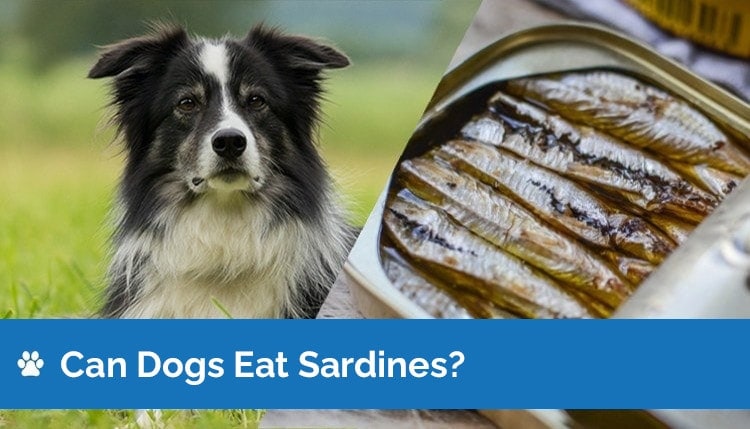
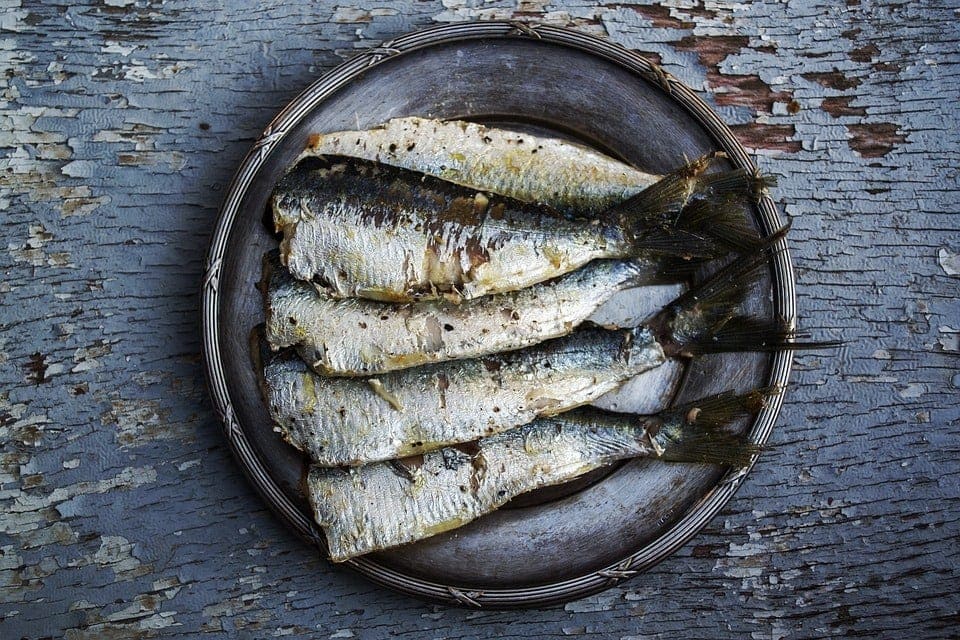
Sardines are abundant in the Atlantic, Pacific, and Mediterranean seas. They are revered for their nutritional benefits, as well as their lower levels of mercury. However, these soft-boned fish are highly perishable, so they are most often found canned rather than fresh.
Although they are not that popular in the USA, sardines are especially popular in the Mediterranean diet. They are considered very healthy for human consumption and are also considered a safe treat for dogs.

Health Benefits of Sardines: Can They Apply to Dogs?
Sardines are packed with vitamins and minerals. They are low in calories and are considered oily fish, which means that they have a high level of omega fatty acids. They are also rich in coenzyme Q10, vitamin B12, and vitamin D. They also have the benefit of being easy to prepare, and most dogs enjoy the smell and the taste.
Their size and the fact that they primarily live on plankton mean that they have lower mercury levels than many other fish. Mercury poisoning from eating contaminated seafood can cause severe and chronic problems in the nervous system. The bigger and older the fish, the higher the level of mercury they build up, and the greater the risk of mercury poisoning.
Organochloride (OC) and polychlorinated biphenyl (PCB) compounds seem to be low in sardines, depending on the source of the fish, so they aren’t a concern for human health.2 Most of the valuable nutrients in sardines and their benefits have been established in humans using nutritional analysis and the known effects and roles of specific compounds, such as vitamins and minerals.
Others, such as polyunsaturated fats, are still being studied in depth. Some of the presumed benefits across many websites have not yet been backed by science. We are also faced with a lack of evidence regarding these benefits in our canine companions, so we must be critical when assessing all this information.
What may be good for us may not be good or safe for our dogs. Keeping all this in mind, sardines are considered safe for most dogs, but if you want to consider adding sardines as a regular treat for your dog, consult your vet first. However, we won’t dispute that sardines are great fish for most people, so let’s dive into some of the nutrients they contain.
Omega-3 Fatty Acids
Most of us have heard of omega-3 and know it is good for us. The same may also be true for our dogs, and some of the assumed benefits have been proven by science, while others need further research. AAFCO provides guidelines for the required minimum amount of omega-3 and omega-6 essential fatty acids for dogs. Some of the potential benefits include nourishing the skin and coat, minimizing shedding and dandruff production, and improving the luster of your canine companion’s coat.
Omega-3 is also suspected to enhance the immune system and may stave off inflammatory conditions like arthritis. DHA even seems to benefit mental health, acting as a natural antidepressant in dogs. However, it’s important to consult your vet when considering foods rich in essential fatty acids, as some dog foods may already contain high amounts, and an excess of this type of fat can still lead to an overdose and side effects in some dogs.
They occur mostly at high doses and include clotting issues, stomach upset, delayed wound healing, weight gain, altered immune function, itching and flaky skin, and (in some dogs) inflammation of the pancreas. If your dog is taking anticoagulant medications or has blood-clotting disorders, diabetes, diarrhea, or a history of pancreatitis, consult your vet first before offering fatty fish. Omega-3 should be used cautiously in pregnant or nursing dogs since there are currently no available recommendations or safety guidelines.
Vitamin D
Vitamin D, the sunshine vitamin, is essential for dogs, but too much can be dangerous. They need it to be healthy and thrive, but they cannot naturally produce enough of the vitamin. Therefore, it is an essential component of your dog’s diet, and the common sources include animal liver, fish, eggs, beef, and dairy products.
Fish is certainly the least likely protein to cause a food allergy in dogs. Vitamin D helps muscles and nerves function properly, but its most important role is helping the body absorb calcium and regulating the body’s use of calcium.
Vitamin B12
Cyanocobalamin (vitamin B12) is vital to your dog’s energy level. It can also increase your dog’s appetite, which means that it may be easier to encourage them to eat a good diet of healthy foods. It is vital for the production of myelin, which coats the nerves and helps protect them and ensure their proper functioning. It also aids in the production of red blood cells and DNA.
Amino Acids
Amino acids are the building blocks of protein. They are used to grow, repair, and protect tissues and muscles, so their role in the body is critical. This is another nutrient found in abundance in sardines.
Coenzyme Q-10
Coenzyme Q-10 is in the body of all dogs, but as dogs age, these levels gradually reduce. It is a component of the mitochondria in cells. This is particularly abundant in the heart, kidneys, liver, and pancreas. Currently, studies on using Q-10 food sources and their potential benefits in dogs are still lacking.
However, as a strong antioxidant, it’s sometimes used as a supplemental treatment for inflammatory conditions, heart disease, and possibly some cancers. Speak to your vet first if you feel your dog may benefit from Q-10, as product availability, dosage, and safety recommendations will differ significantly based on the state or country.
How To Prepare Sardines for Your Dog

In addition to being healthy for your dog, sardines are blissfully easy to prepare. Although sardines are considered soft-boned, you must still make sure there are no firm bones. Sometimes, a few can be missed if they haven’t been boiled to the point of disintegration. If so, they should be removed.
You should never offer raw fish to your dog, as it may contain harmful bacteria and parasites that can lead to serious health concerns and food poisoning. One approach to cooking sardines is to steam them. This ensures that the fish retains most of its nutritional value. It will also retain plenty of flavor and make it more appealing to your dog. Ensure it’s thoroughly cooked.
Are Canned Sardines Healthy For Dogs?
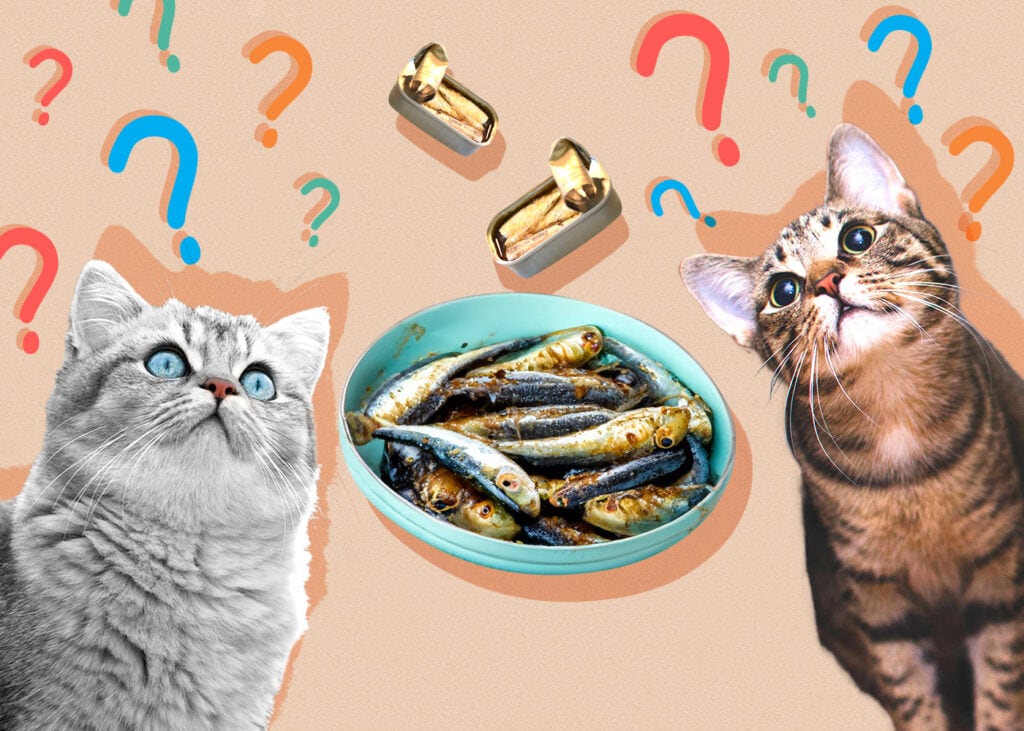
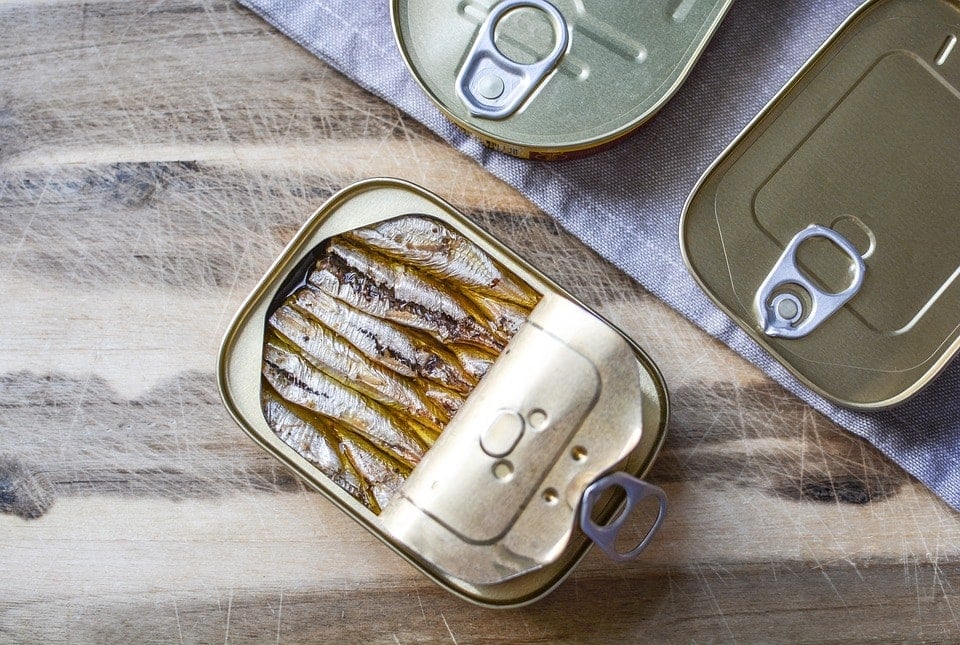
Canned sardines are prepared and ready-cooked. They have usually been boiled so hard that the bones have turned to mush. You can serve them from the can, but it's better to cut them into smaller pieces to prevent choking. Canned sardines are incredibly salty and should only be served to your dog as an occasional treat.
Can Dogs Eat Sardines In Olive Oil?
Natural oils like olive oil and coconut oil are usually fine and considered safe for most dogs in small amounts, but you should avoid processed sauces and brine. Brine is just salt water, which can lead to increased thirst and may be excessive for small-sized dogs, although a toxic dose of salt is fairly high at 2 grams per kilogram of a dog’s body weight.
Freshwater and spring water are common sardine liquids, which are also considered healthy for your dog. Some dogs may still develop an upset stomach from excess oils due to their high fat content.
How Many Sardines Can A Dog Eat?
Dogs can benefit from having a small amount of sardines occasionally, but contact your vet for feeding suggestions. Similarly, the dog's size will determine how many sardines you should feed. Small dogs may be able to eat a single small sardine, while larger dogs could probably have a few more.
Do not offer a sardine with large bones, and remove the oil as best as possible, as it may cause a stomach upset. Also, avoid sardines that have seasonings, excess salt, or other additives that may be harmful to dogs, depending on the amounts and the dog’s size.
Alternatives To Sardines
Sardines are a healthy and beneficial source of vitamins and minerals. They are a good protein source, and they can form the basis of your dog’s weekly treat options. Still, keep in mind that depending on the amount of sardines your vet recommends, the actual nutritional benefits may be small. Otherwise, your dog would need to eat more than the recommended amount, which could lead to an upset stomach or other issues.
However, some dogs don’t enjoy sardines, and in some parts of the world, they can be difficult to find and expensive to feed regularly. Fish alternatives that you can give your dog are mackerel and wild salmon. But, if your dog doesn’t like the taste of sardines, there is a chance they won’t like the taste of the other fish. High-quality commercial treats are generally safer to feed dogs than fish.

Are Sardines Safe For Dogs?
Sardines are not only considered safe for dogs but can also be a healthy addition to their diet. They contain omega-3 fatty acids and a host of other vitamins and minerals, including vitamin D. You can feed them canned or cooked sardines. Speak to your vet first to ensure your dog can safely eat sardines and how much is appropriate, depending on their age, medical history, and current health.
Related Reads:
Sources
Are There Health Benefits to Eating Sardines? Pros and Cons, Nutrition Information, and More
Mercury Levels in Commercial Fish and Shellfish (1990-2012) | FDA
Role of Dietary Fatty Acids in Dogs & Cats | Today's Veterinary Practice
Natural Oils for Dogs That Can Help With Dog Skin Conditions | PetMD
Salt Toxicosis in Animals - Toxicology - MSD Veterinary Manual
Featured Image Credit: Pixabay
Get Hepper In Your Inbox


Pet care tips from our vets and experts, straight to your inbox.
You may opt-out at any time. View our Privacy Policy for more information.
Nicole is a lover of animals of all sizes but is especially fascinated with the feline variety. She’s the proud mom of Baby, a Burmese, and works every day so he can relax in the sunshine or by the fire. She’s always had a cat in her home and has spent countless days with others, observing behaviors and softening up even the grouchiest of the lot. Nicole wants to share her kitty expertise with you so you and your cat can live happy, healthy, and care-free.
Join the conversation
Ask a question, share your story, or send private feedback.