Hepper is reader-supported. When you buy via links on our site, we may earn an affiliate commission at no cost to you. Learn more.
Can Dogs Eat Anchovies? Vet Approved Facts & FAQs



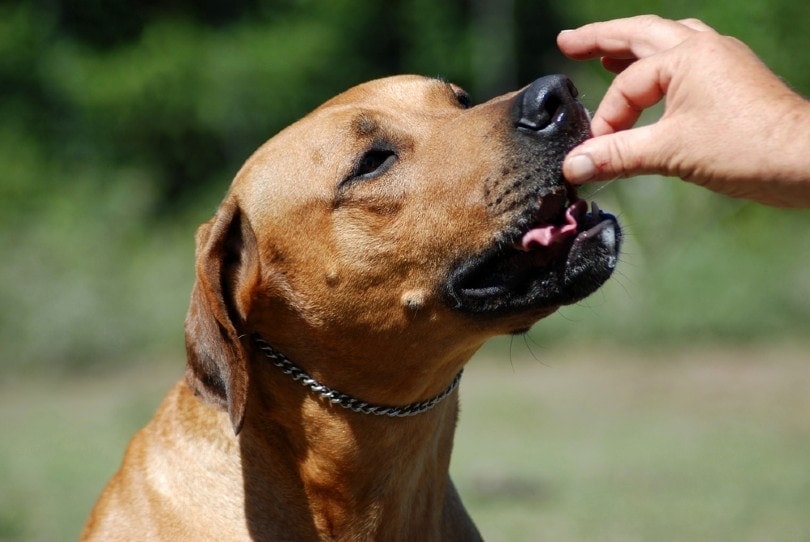
Anchovies are one of those divisive foods—you either love them or hate them. But dogs love anchovies. Pop open a can or bottle of these fish anywhere near your dog, and within seconds, you can almost guarantee that your pooch will be at your feet, staring up at you with longing eyes. There’s just something about the strong fishy smell of anchovies that dogs can’t get enough of, but can you feed these little fish to your dog? Are anchovies safe for dogs?
The good news is that, yes, most dogs can eat anchovies. So, it is safe to give in to your pet’s pleading eyes and share that fishy goodness with them, but before you do, there are a few things that you may want to keep in mind.

What Exactly Are anchovies?
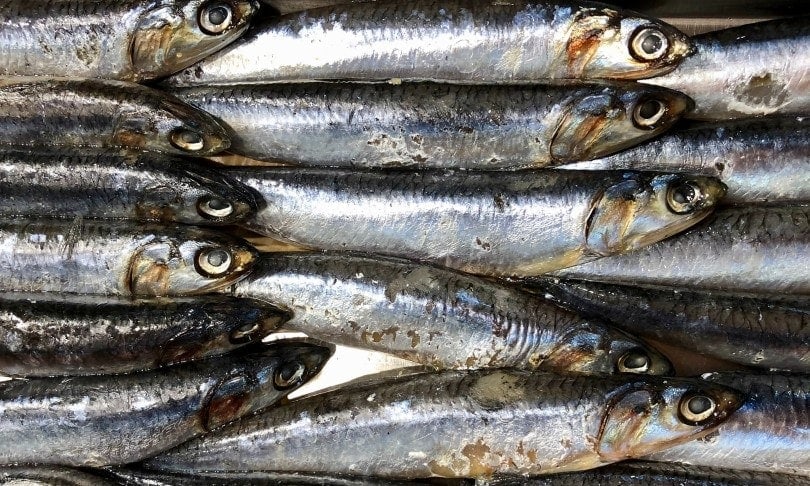
There are over 150 different anchovy species, all of which belong to the Engraulidae family.
Most are fast-growing small fish, typically reaching no more than 6 inches in length, and while they can be found in cool to temperate oceans around the world, they are most common in and around the Mediterranean.
Anchovies are best known for their strong flavor, but their strong taste actually has more to do with how the fish are cured than their natural taste. Fresh, uncured anchovies are quite mild in flavor.
This curing process mixes the anchovy origin story up a bit, as in Finland and Sweden, the term “anchovy” refers to a traditional seasoning process rather than a type of fish. Thus, anchovy products imported from those countries often contain herring and other types of sprats.
Things to Consider
Before you indulge your dog’s desire to share your anchovies, here are a few things to consider.
Be careful which anchovies you feed your dog
Fish are a nutritious source of protein for dogs and may be especially valuable in those suffering from the most common food allergies (beef, dairy, chicken, and eggs). They are a natural source of omega-3 fatty acids, which are essential for keeping your dog’s coat looking its best and their skin healthy.
Anchovies can be particularly good choices for your dog. As a fast-growing species with a relatively short lifespan, they typically contain less mercury and other heavy metals in their flesh than other longer-living species. However, this also depends on the area where they were harvested, as anchovies from some parts of the Mediterranean may have higher levels of cadmium and industrial chemicals like polychlorinated biphenyls.
Consider cutting the anchovies up
Due to their small size, anchovies are almost completely digestible, which means that many dogs could eat them whole without fear that they will get fish bones stuck in their throat. That said, with small dog breeds or dogs that are more food-oriented, you may still need to cut the anchovies in several smaller pieces to make sure they’re easy to swallow, as some dogs may still get them stuck at the back of the throat. Supervise your dog when offering them anchovies for the first time.
Be careful how you prepare the anchovies
The best anchovies to prepare for your dog are freshly caught or frozen and thawed raw anchovies. Boil, roast, or steam them before offering, as they may be contaminated with bacteria and parasites that are harmful to your dog. Make sure you do not add any seasonings or oils. The American Veterinary Medical Association warns against feeding dogs raw fish due to the risk of gastrointestinal illness and the effect on human health as well as the animal’s health.
However, unless you’re a huge fan of these little fish or keen on cooking Mediterranean-style dishes, chances are that the anchovies that you will have on hand will be cured anchovies.
In the United States, cured anchovies can be found in three different forms: oil-packed, salt-packed, or marinated in vinegar. There are no available official veterinary recommendations when it comes to the safety of cured fish for dogs, so we urge you to speak to your vet first. With all three of these, you should be aware of some downfalls. Cured fish is not thermally processed, and curing really means the addition of chemicals, such as salt, sugars, or acids. There are two main types of salt-curing used in the fish industry: dry salting and pickle-curing.
There is a variable amount of salt in salt-packed anchovies, and while dogs tolerate salt better than us, too much will lead to thirst, while excessive amounts in very small dogs may lead to salt toxicosis. This can happen if they eat more than 2 grams of salt per kilogram of their body weight or less if water is not readily available. Olive oil and apple cider vinegar are considered safe for dogs when fed in moderation and administered with the advice of a vet. However, both oil and vinegar can cause an upset stomach in some dogs and should not be offered in significant amounts alongside the anchovies.
Besides, the FDA recommends cooking fish up to an internal temperature of 145 degrees Fahrenheit due to risks associated with people consuming undercooked or raw fish. There is no need to offer our dogs anything unsafe that we wouldn’t eat ourselves.
How Many Anchovies Should I Feed My Dog?
The exact number of anchovies that a dog can eat in one sitting will depend greatly on your dog’s size and how much food they eat each day. However, as anchovies don’t contain all the nutritional requirements that your dog needs to stay fit and healthy, they should only be given as a treat or a supplement and should never completely replace your dog’s meal.
It may be best to limit your dog’s intake of anchovies to a couple per week. Alternatively, seek your vet’s advice if you want to make anchovies a more regular part of your pet’s diet.
Related Reads:
Sources
10 Best Dog Foods with Omega-3 Fatty Acids in 2023 - Reviews & Top Picks | Hepper
Occurrence of heavy metals (Hg, Cd, and Pb) and polychlorinated biphenyls in salted anchovies
Salt Toxicosis in Animals - Toxicology - MSD Veterinary Manual
Natural Oils for Dogs That Can Help With Dog Skin Conditions | PetMD
Featured Image Credit: Anchovies (4122029675), Paul Asman and Jill Lenoble, Wikimedia Commons CC 2.0 Generic
Get Hepper In Your Inbox


Pet care tips from our vets and experts, straight to your inbox.
You may opt-out at any time. View our Privacy Policy for more information.
Nicole is a lover of animals of all sizes but is especially fascinated with the feline variety. She’s the proud mom of Baby, a Burmese, and works every day so he can relax in the sunshine or by the fire. She’s always had a cat in her home and has spent countless days with others, observing behaviors and softening up even the grouchiest of the lot. Nicole wants to share her kitty expertise with you so you and your cat can live happy, healthy, and care-free.
Join the conversation
Ask a question, share your story, or send private feedback.