Hepper is reader-supported. When you buy via links on our site, we may earn an affiliate commission at no cost to you. Learn more.
Can Dogs Eat Artichokes? Vet-Reviewed Benefits, Risks, & FAQs



In this article
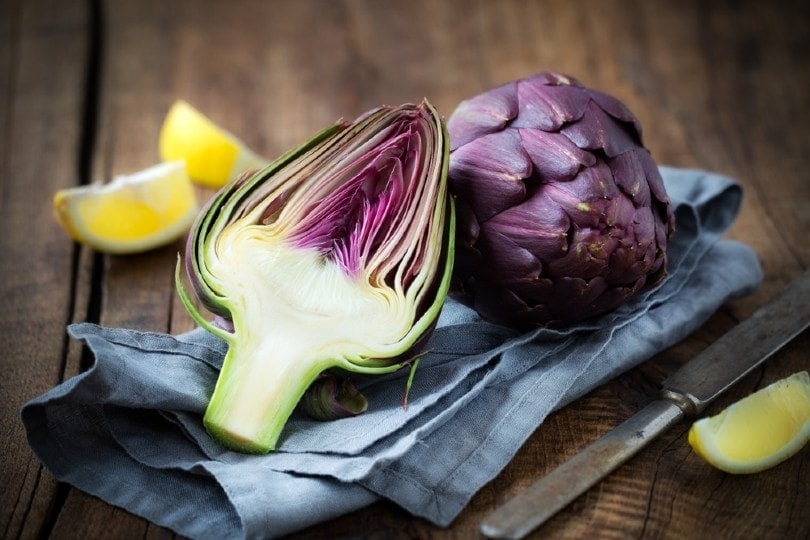
The artichoke is a popular plant that people love to consume due to its nutritional benefits, including a high fiber content, vitamins, and minerals. Artichoke, although commonly considered a vegetable, is actually the edible bud of a thistle-type flower. They're said to improve liver and digestive health, lower cholesterol levels, and help regulate blood pressure.
Since artichokes are considered beneficial for humans, many dog parents wonder if their furry companions can eat them. The simple answer is yes, dogs can eat artichokes. That said, there are several things that you should know before giving these veggies to your canine.
Read on to learn more about the health benefits and risks of artichokes when it comes to dogs.

The 4 Health Benefits of Feeding Artichokes to Your Dog
Artichokes have plenty of health benefits for humans, and some also apply to our canine friends. When consumed in moderation, artichokes can positively impact your dog’s health in several ways.
1. Vitamins and Minerals
Dogs are omnivores (or facultative carnivores), meaning they primarily need meat in their diets, but veggies and plants like artichokes can be good treats that will give them an additional vitamin and mineral boost.
Artichokes contain various vitamins and minerals, including vitamins A, B3, and K, potassium, magnesium, manganese, phosphorus, and zinc. These nutrients can aid your dogs’ body functions, support their immune system, and promote proper development.
2. Antioxidants
Artichokes are known for containing antioxidants that are beneficial to a dog’s health and immune system. Antioxidants can help reduce the number of free radicals in your dog’s body, reducing inflammation, protecting against cancer and providing aid in cognitive function.
3. Low in Fat and No Cholesterol
Artichokes are low-fat and have no cholesterol, meaning your dog can safely consume them without the risk of weight gain or overeating. This means they can make decent treats that will be good for dogs who need to be on a low-fat diet.
4. Prebiotics and Fiber
A small study on dogs showed encouraging data that Jerusalem artichoke may be useful as a prebiotic to help improve gut health by providing food for beneficial gut bacteria. The fiber contained in artichoke also helps to maintain a healthy digestive tract.

The 3 Health Risks of Feeding Artichokes to Your Dog
While eating artichokes can have several health benefits for dogs, it also carries several risks that you should be aware of.
1. Oil and Seasonings
When consuming artichokes, people often mix them with oils and seasonings to boost their flavor. They are often enjoyed as anti-pasto bought in jars with preservatives. While humans can eat spicy and oily food, dogs shouldn’t.
Vegetables like garlic and onion are toxic to dogs and a lot of oil can cause various health issues such as pancreatitis with signs including abdominal pain, diarrhea, and vomiting.
2. Choking Hazard
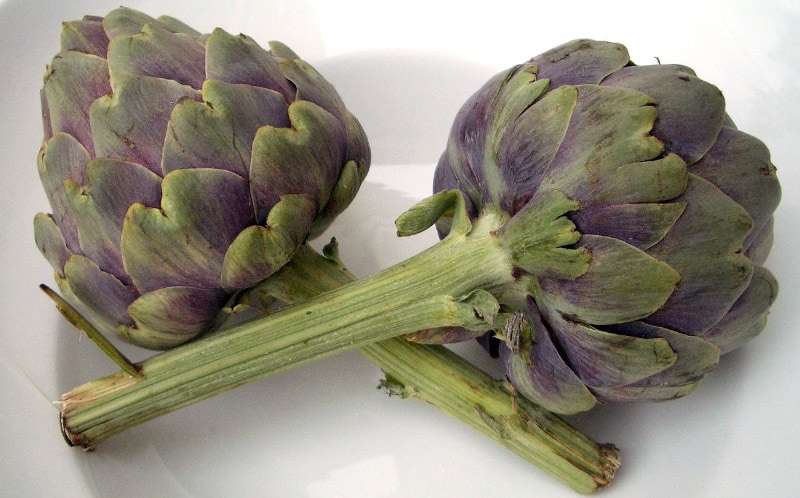
Artichokes are large and sturdy, with their leaves being hard and dense. This means they can often be hard to chew and swallow for many canines, especially small breeds.
Since choking could occur when your dog eats artichokes, it is essential to know how to give these veggies to them while minimizing choking hazards.

3. Too Much Fiber
Dogs need fiber in their diet but only in moderation. While artichokes can be great for meeting your dog’s daily fiber intake levels, consuming too much fiber could backfire, which is why eating too many artichokes could lead to diarrhea or flatulence.
Should Dogs Eat Artichokes? Are Artichokes Good for Dogs?
Artichokes are not poisonous for dogs, and since they contain plenty of vitamins and minerals, dogs can safely eat them in moderation. So if you are looking for a nutritious treat alternative for your dog, or they ate some while you were preparing food in the kitchen, artichoke is generally safe for dogs. When given every now and then, artichokes can be good for your canine and provide numerous health benefits.
Still, you should ensure that your dog doesn’t consume too many artichokes, as that could potentially backfire and cause distress. Your dog should be getting all the nutrients they need from a complete and balanced dog food diet.
Frequently Asked Questions
My Dog Ate Artichokes; Should I Worry?
If your dog ate artichokes but you’re not noticing any signs of discomfort or distress, your furry friend should be entirely fine, and there is no need to worry. However, if you notice any negative reactions in your dog, such as vomiting, abdominal pain, or diarrhea, it is best to contact your vet. They will provide you with the necessary advice and let you know if your pet will need an examination.

How Can I Safely Feed Artichokes to My Dog?
Artichokes can be of great benefit to your canine when eaten in moderation. But since eating artichokes can pose a hazard you need to know how to safely feed these veggies to your dog.
Here is a list of tips that will enable you to feed artichokes to your dog without having to worry about possible issues or injuries:
- Thoroughly clean the artichokes.
- Cut the artichokes into small, bite-sized pieces to prevent possible choking hazards.
- Ensure that the artichokes have no seasonings or oils, and serve them to your dog cooked or raw.
Conclusion
Dogs can eat artichokes on occasion because these delicious buds can provide them with many nutritional benefits. However, keep in mind that you should serve them unseasoned and cut them into small pieces to prevent any problems.
Related Reads:
Get Hepper In Your Inbox


Pet care tips from our vets and experts, straight to your inbox.
You may opt-out at any time. View our Privacy Policy for more information.
Visnja is a content writer that covers various topics such as DIY, pets, home improvement, travel, gardening, and more.
She is a young mom and a college student, who didn’t have enough time to balance her personal and work life, so after multiple years of working a regular 9 to 5 job, she decided to pursue her passion and make a living out of it. She has been writing for a couple of years, helping people find valuable and interesting information online.
Join the conversation
Ask a question, share your story, or send private feedback.