Hepper is reader-supported. When you buy via links on our site, we may earn an affiliate commission at no cost to you. Learn more.
My Dog Ate Garlic! Here’s What to Do (Vet Answer)

In this article
There are many things our dogs should not be eating, but it can be difficult for owners to know what is safe and what isn't. One common ingredient in a lot of our food that is poisonous to dogs is garlic. If your dog has eaten garlic, you need to contact your vet immediately, as garlic is toxic to dogs. Depending on how much garlic has been eaten, there is a chance they might become very sick.
The problem with garlic is that it comes in many different forms and can be well disguised in food items. You can find it as fresh cloves or diced, which can be relatively easy to identify, or ground down into garlic powder or garlic salt and harder to spot. Garlic butter and garlic bread are also popular foods that owners may not realize contain a high amount of garlic that could provide a toxic dose for our dogs.
Dogs explore their world with their nose and mouth, they are inquisitive animals and will often scavenge human food. As garlic is so widely used, it is a very common occurrence for a dog to be fed or to steal some human food and end up eating garlic. Let's find out exactly what you need to do in this situation.

My Dog Has Eaten Garlic, What Do I Do Now?
Prevent your dog from eating any more garlic. Make sure your dog cannot get hold of any more garlic. Remove any food items with garlic in them from the area your dog is in and clean up any mess that has been left. Pick up any discarded packets. If your dog will tolerate it, remove any food items containing garlic from their mouth to prevent them from swallowing anymore. Ensure your dog is supervised to stop them sneaking off to scavenge more food. If possible, keep any packets or containers to show to your vet.
Get on the phone with your vet immediately. It is important to let your vet know as soon as possible what has happened, as it is likely that they will want to see your dog. Try to stay calm and gather as much information as possible to give to your vet. Be prepared to answer questions such as:
- What sort of product was eaten? (Raw garlic, garlic powder, garlic oil, etc.)
- How much of it was eaten?
- How long ago was the garlic ingested?
- How big is your dog?
- How much does your dog weigh?
- Is your dog currently showing any signs of illness?
- Does your dog have any health issues at the moment?
- Is your dog currently on any medication of any sort?
You can also call the Pet Poison Helpline or the Animal Poison Control for advice.
There is usually a charge for these services. It must be noted that they will not see or treat your dog for you though, so it is best to get in contact with your vet first.
Follow your vet's instructions. They will usually ask you to bring your dog to the hospital. If this is the case, make your way down there as quickly as you can so as not to delay treatment for your dog. Bring any packets or wrappers with you to show to your vet.
Do not attempt to treat your dog at home. It is very important that your dog receives the appropriate veterinary treatment. Attempts to make your dog vomit at home should not be made. At-home methods of induction of vomiting are unreliable and can be dangerous. Leaving your dog and monitoring them is not a safe option, as there is no way of knowing how much damage the garlic is doing to them, and if you wait until you see clinical signs, it might be too late. It's always better to be safe than sorry.

Why Is Garlic Dangerous for Dogs?
Garlic contains substances called thiosulfates. When ingested by dogs, thiosulfates cause anemia. This is because thiosulfates cause damage to red blood cells. When this damage occurs, the red blood cells are unable to transport oxygen to the tissues in the body as efficiently. This means less oxygen reaches the vital organs and the dog will show signs of weakness, breathing difficulty, and lethargy.
To explain this in more depth, two thiosulfates (bis-2-propenyl trisulfide and bis-2-propenyl) cause damage to hemoglobin in dogs (but not in humans). These compounds prevent the hemoglobin from repairing itself, therefore making the dog anemic, as the damaged hemoglobin cannot carry oxygen as it should. It also means the structure of the red blood cells is compromised and they break apart very easily. This is called hemolysis and can have fatal consequences for your dog.
Garlic 101
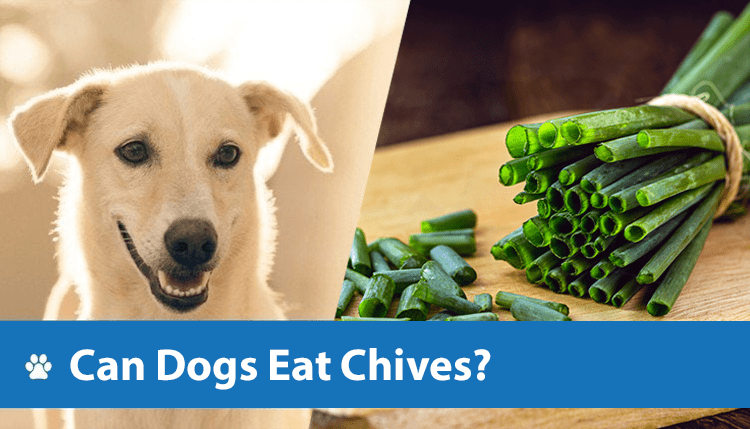
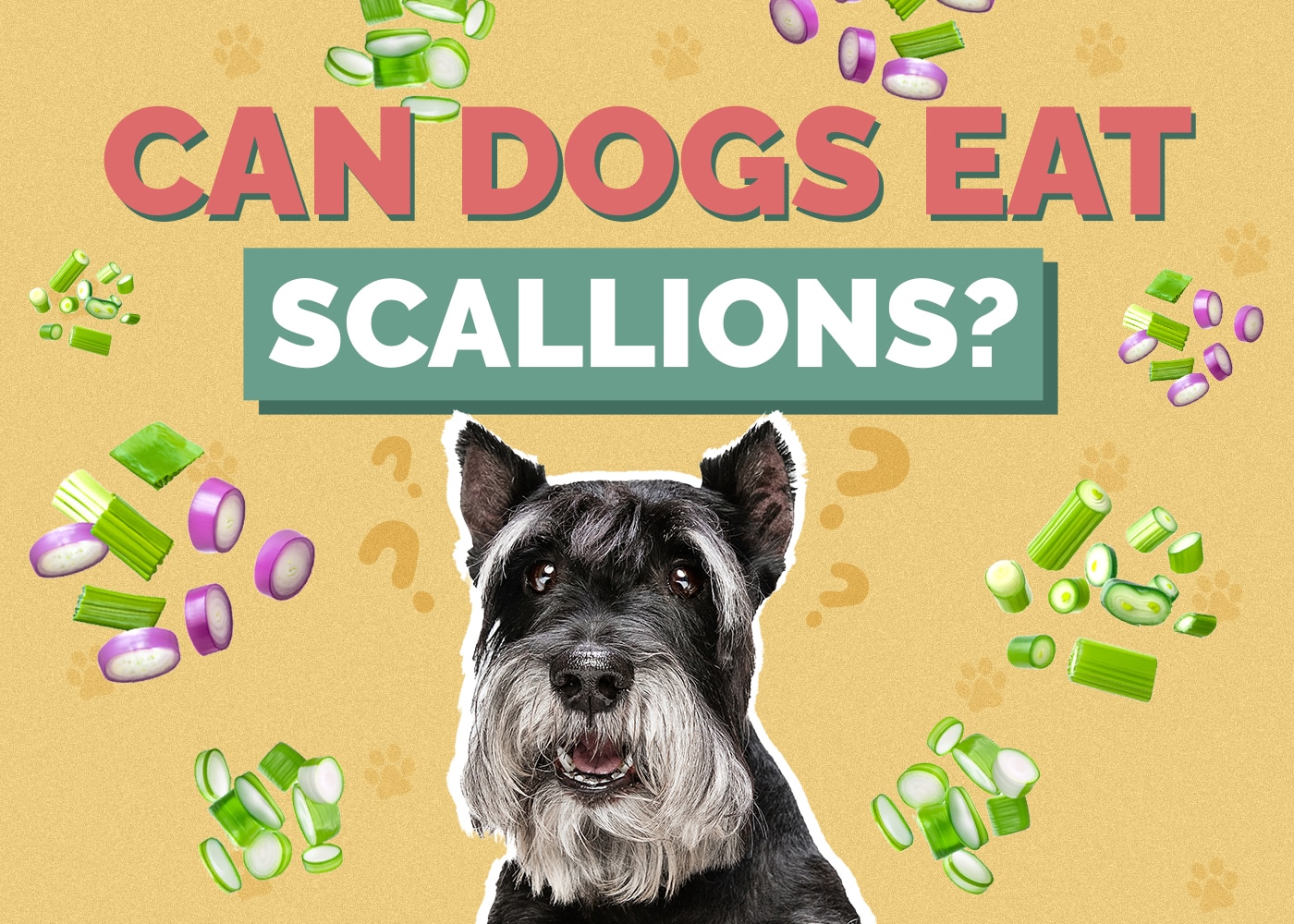
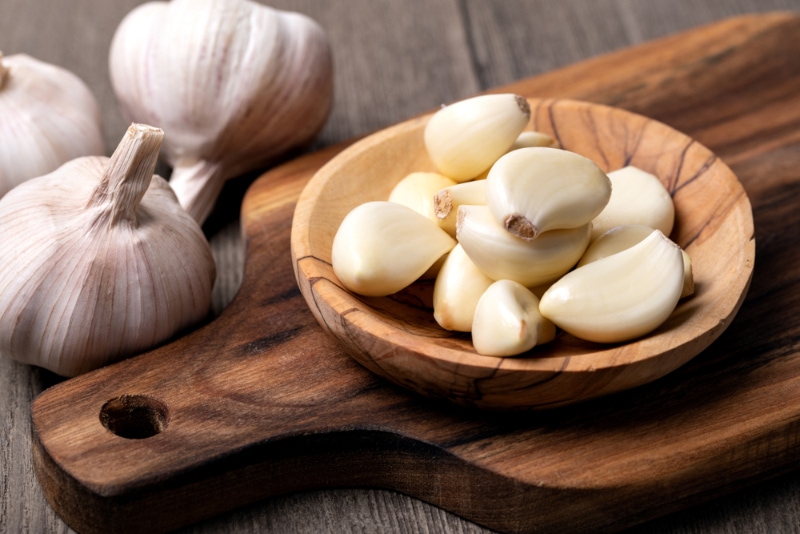
Garlic is a popular plant item that is used frequently to add flavor to our food. It has edible bulbs that are used in many different formations to cook with. It is part of the Allium family, which includes leeks, onions, chives, and shallots. All of these are toxic to dogs. Depending on the amount of garlic ingested, your dog may experience signs in just a few hours or days later.
Small amounts can cause anemia, and larger amounts can result in organ failure and death.
Signs of Garlic Toxicity in Dogs
- Lethargy
- Pale gums
- Weakness/collapse
- Respiratory distress
- Faster heart rate than usual
- Vomiting
- Diarrhea
- Muscle tremors
- Shock
- Yellowing of skin and eyes
- Blood present in urine
What Will Your Vet Do?
When you arrive at your vet, they will examine your dog and decide if they require urgent treatment or not. If your dog has recently ingested garlic, they may attempt to make your dog vomit by giving them an injection of apomorphine. Your vet may also choose to administer activated charcoal if the garlic was recently ingested. The charcoal binds to the garlic in the stomach to aid its removal and help detoxify the dog.
There is no distinct cure for garlic poisoning. Management will start with symptomatic treatment and administration of supportive care. This can include monitoring of blood and urine parameters, intravenous fluid therapy, and blood transfusions. If your dog has a bad case of garlic poisoning, your vet is likely to admit them for a few nights to continue treatment and monitor their blood cell counts.

Conclusion
Garlic is found in many human food products, so dogs often ingest it accidentally. It is very toxic to dogs, and depending on the dose received, it can cause severe health issues. If you think your dog may have eaten garlic in any form, ensure you contact your vet immediately. If your dog is left untreated, the consequences could be fatal.
In mild cases where only small amounts of garlic have been ingested, providing treatment is started promptly, the prognosis is good.
See Also
Sources
Featured Image Credit: gresei, Shutterstock
Get Hepper In Your Inbox


Pet care tips from our vets and experts, straight to your inbox.
You may opt-out at any time. View our Privacy Policy for more information.
Dr. Emma is an experienced vet who is always happy to share her knowledge and expertise with our readers. Her passion is surgery but she will happily talk about anything animal related. Dr. Chandley graduated from The Royal Vet College and since then she has worked in general practice in the UK. She has completed a postgraduate certificate in Small Animal Surgery and has also gained Advanced Practitioner status in the same discipline. She enjoys developing her skills in clinical pathology, animal behavior and nutrition as well.
Emma is an experienced veterinarian who is always happy to share her knowledge and expertise with our readers. She is passionate about surgery but will happily talk about anything animal related.
Experience
Since graduating, Dr. Emma has worked in general practice in the UK. She has completed a postgraduate certificate in Small Animal Surgery and has also gained Advanced Practitioner status in the same discipline. She also has expert knowledge in small animal medicine with a special interest in Endocrinology, although surgery is her passion. She enjoys developing her skills in clinical pathology, animal behavior, and nutrition as well.
Education
Emma received her degree from the Royal Vet College, University of London. She obtained her postgraduate certificate from the British Small Animal Veterinary Association and Nottingham Trent University.
She was granted Advanced Practitioner status by The Royal College of Veterinary Surgeons.
Join the conversation
Ask a question, share your story, or send private feedback.