Hepper is reader-supported. When you buy via links on our site, we may earn an affiliate commission at no cost to you. Learn more.
Can Dogs Eat Jam? Vet Reviewed Facts & FAQ


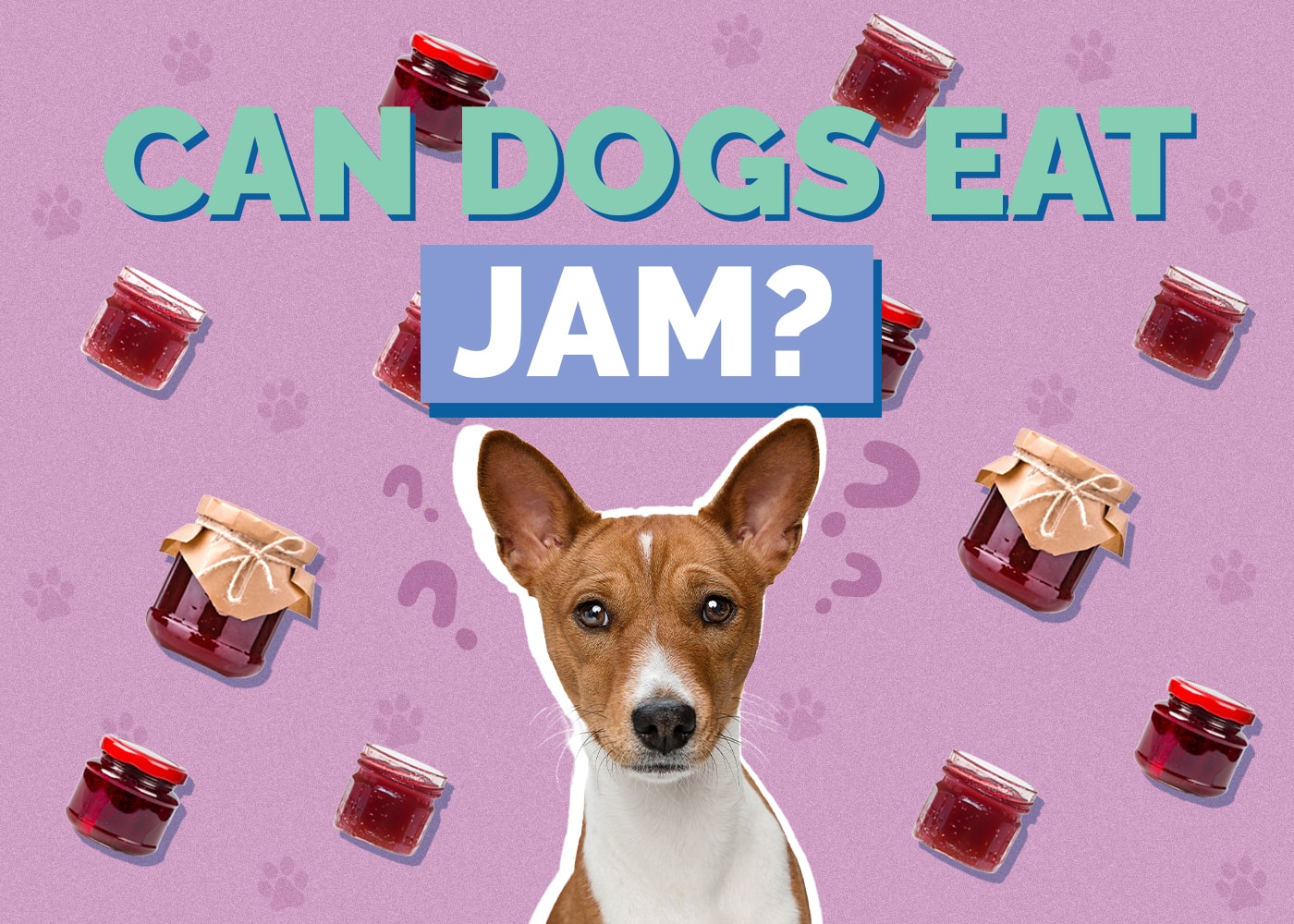
Dogs love fresh fruit as much as humans, so it makes sense why we’d want to toss some freshly toasted bread with jam their way. But be careful - jam isn’t a good treat for dogs.
Keep reading to learn more about the potential dangers of jam and what fresh fruits you can offer your dog as a treat instead.

Why Jam Is Off Limits
If your dog has just stolen a piece of toast with jam on it is likely there will be few consequences. Jam is a delicious spread made from mashed fruit. Some jams contain seeds, chunks of fruit, or peels. Some jams even have savory spices and vinegar. But most jams resting in pantries are deliciously sweet. And herein lies the problem.
Jams contain high amounts of sweeteners and sugars that are bad for dogs. Sugar isn’t toxic, but too much can lead to obesity, diabetes, and an upset stomach. Therefore jam should not form a regular part of any dog’s diet.
Store-bought jams can cause more damage since they’re full of artificial sweeteners like xylitol, high fructose corn syrup, and higher amounts of processed sugar. Xylitol specifically is toxic for dogs and should not be given to dogs. So if your dog has gotten hold of some jam be sure to check the ingredients. If it contains xylitol you must contact your veterinarian for advice.
What About Homemade Jam?
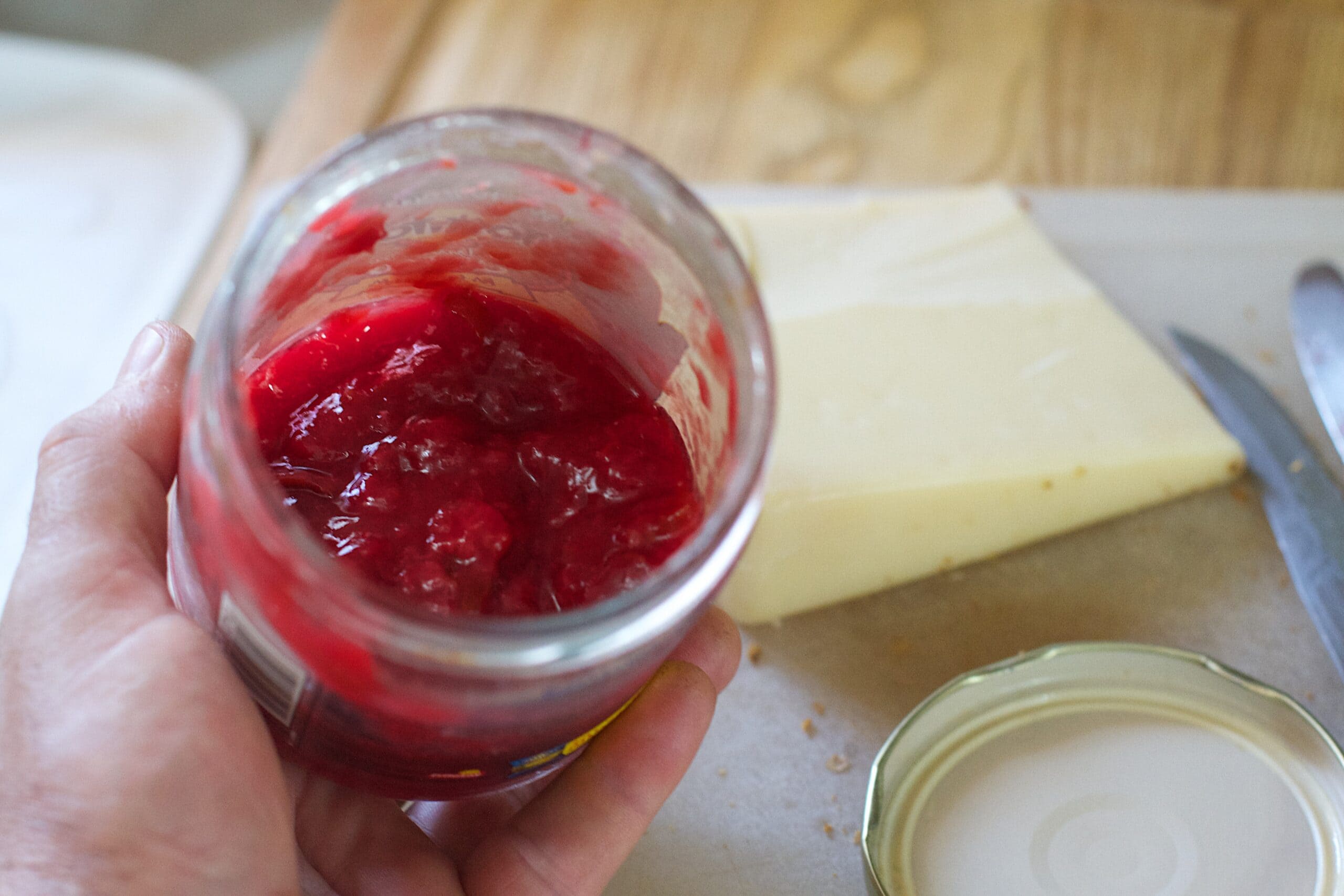
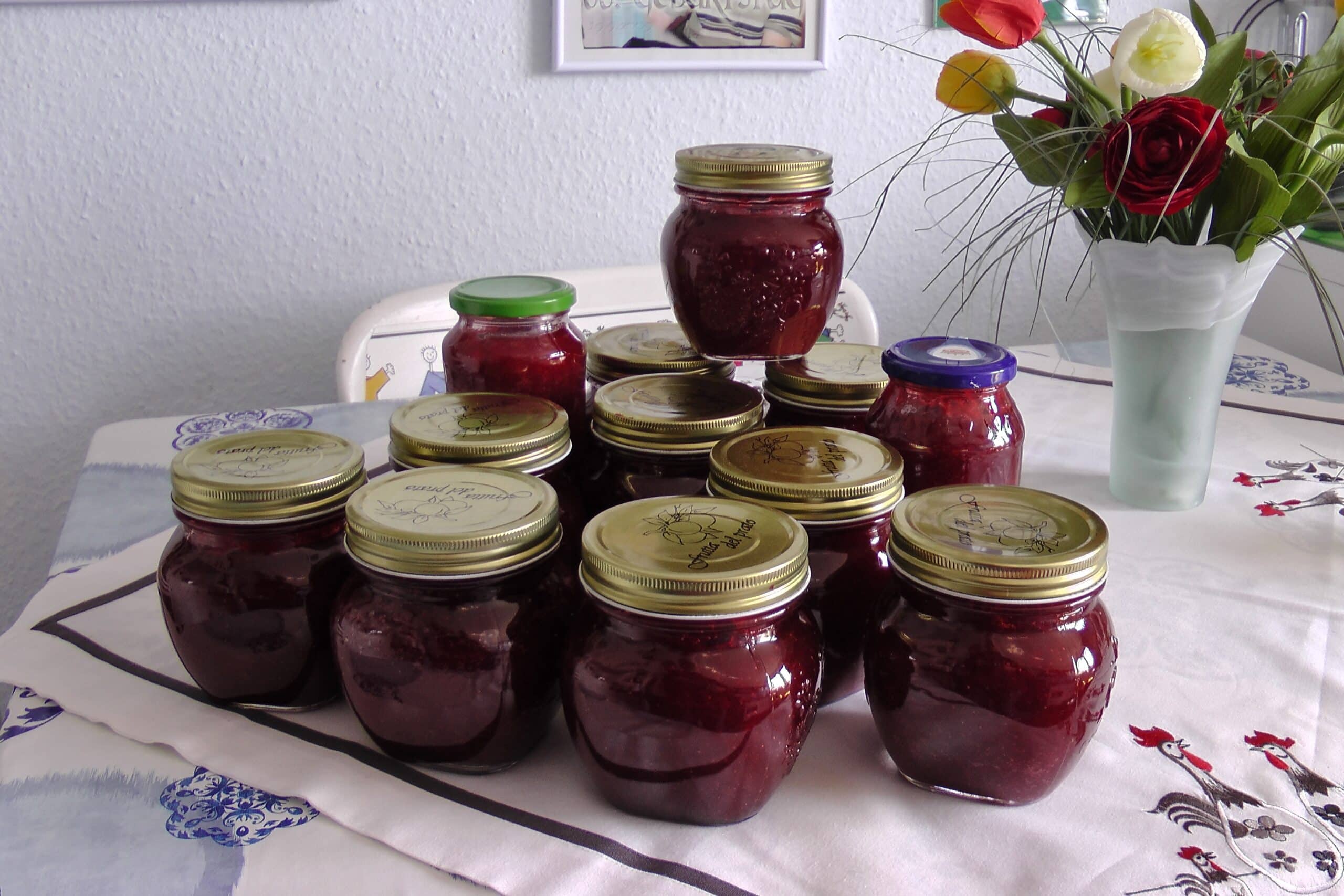
Homemade jams are much better since you can control how much sugar is put into the jam (if any), and you don’t have to use artificial sweeteners. Still, it’s best to avoid jam altogether.
Can I Feed My Dog Sugar-Free Jam?
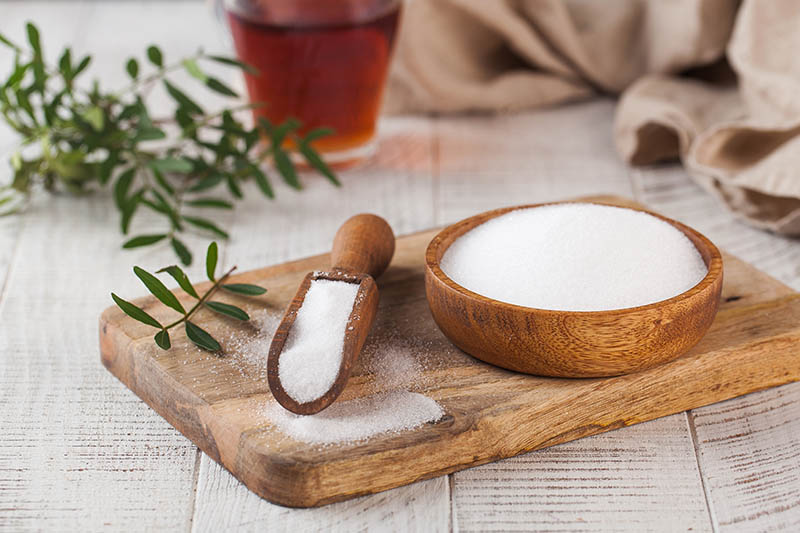
Unfortunately, sugar-free jams are worse since many contain xylitol. Xylitol is a natural sugar substitute in plants like corn, mushrooms, berries, plums, oats, lettuce, and trees. But most xylitol comes from corn fiber and birch trees.
Xylitol is safe for humans, but it’s highly toxic for dogs. Small amounts can cause hypoglycemia and, in worse cases, liver failure.
Xylitol poisoning includes vomiting, diarrhea, lethargy, loss of coordination, and even seizures. Do your dog a favor and keep the sugar-free jam as human food only.
What Fresh Fruit Is Good for Dogs?
Even though you can’t give your dog jam, you can offer tasty fresh fruits.
The dog-safe fruits include:
To be on the safe side, ensure all of the seeds, pits, skins, and cores are removed before offering any fruit to your dog. Some fruit seeds and pits can cause health problems. Any fruits should be considered an occasional snack and given in small portions.
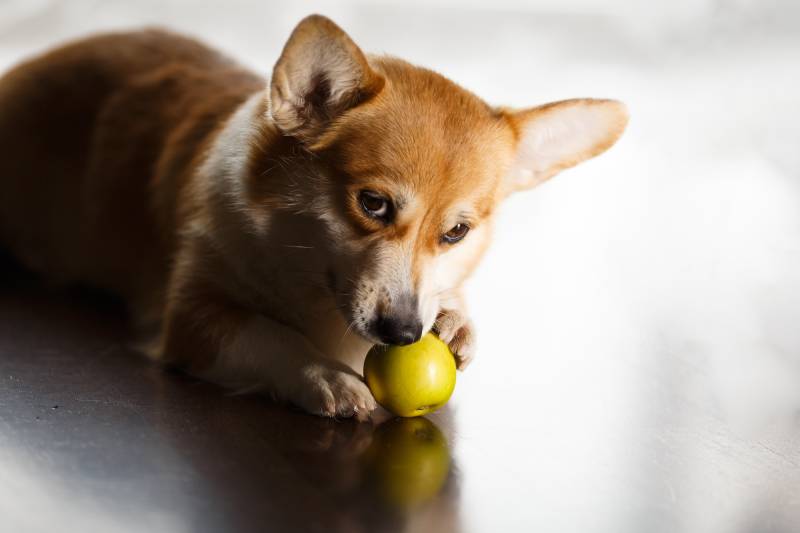
Fruits That Are Toxic to Dogs
There aren’t many fruits you need to avoid giving your dog, but a few make the list:
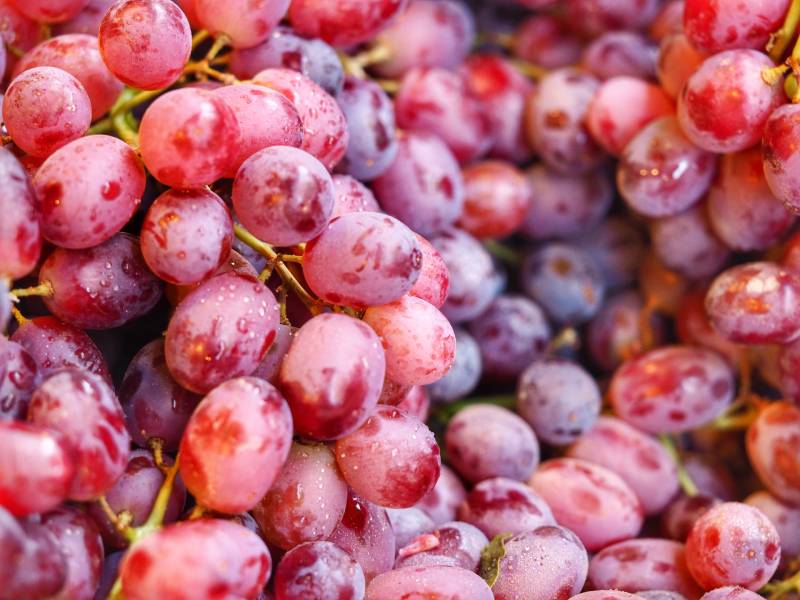
The dog-unsafe fruits include:
How Much Fruit Can My Dog Eat?
How much fruit you offer depends on how much your dog eats daily. The general rule for treats is to offer no more than 10% of your dog’s daily caloric intake. So, if your dog eats 900 calories in a day, treats should make up no more than 90 calories.
Conclusion
Jam isn’t toxic to offer your pet unless it contains xylitol, but it’s best to steer clear of all jams. There are simply too many sugars and sweeteners in jams to risk feeding your dog. Instead, offer fresh fruit. Your dog will enjoy the snack regardless, and it’s a healthy option.
Sources
Featured Image Credit: JumpStory
Get Hepper In Your Inbox


Pet care tips from our vets and experts, straight to your inbox.
You may opt-out at any time. View our Privacy Policy for more information.
Cassidy is a vet tech and pet sitter who has more recently become a pet writer. She loves cats and dogs and has had dozens of pets over the years. Her specialty is the human-animal bond.
Cassidy and her husband currently live in Kansas with a German Shepherd named Raven, two cats named Lucy and Streudel, and several backyard chickens.
Join the conversation
Ask a question, share your story, or send private feedback.