Hepper is reader-supported. When you buy via links on our site, we may earn an affiliate commission at no cost to you. Learn more.
15 Plants Toxic to Dogs: Vet Reviewed Facts & Symptoms


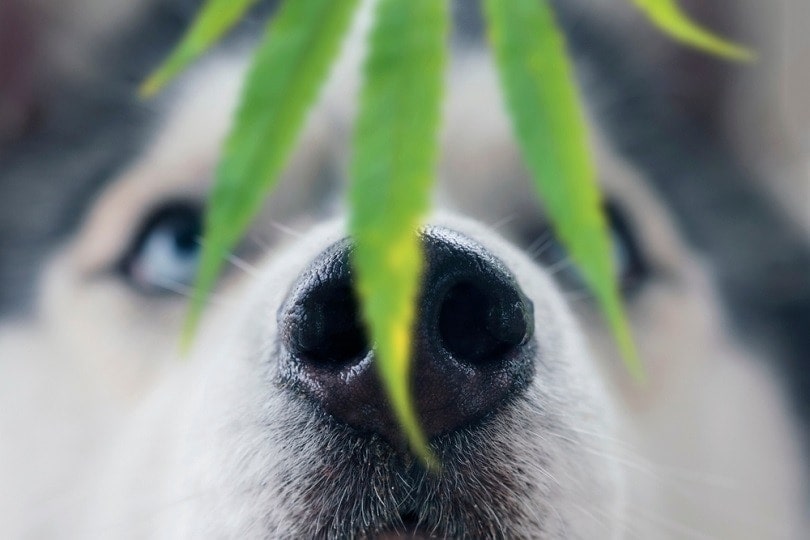
There are a lot of plants that are toxic to dogs. Dogs tend to explore the world with their mouths and so can easily be at risk of licking, chewing, or eating a poisonous plant. Some dogs are more curious than others, especially puppies and young dogs, which means you need to be extra careful to keep your furry friend safe.
While not all plants considered toxic are life-threatening, keeping your eyes on your dog is still important. Consumption of any unhealthy plant can cause an upset stomach and other issues. While the symptoms may be mild and not life-threatening, they can be uncomfortable for your pet.

The 15 Common Plants That Are Toxic to Dogs
1. Tulips
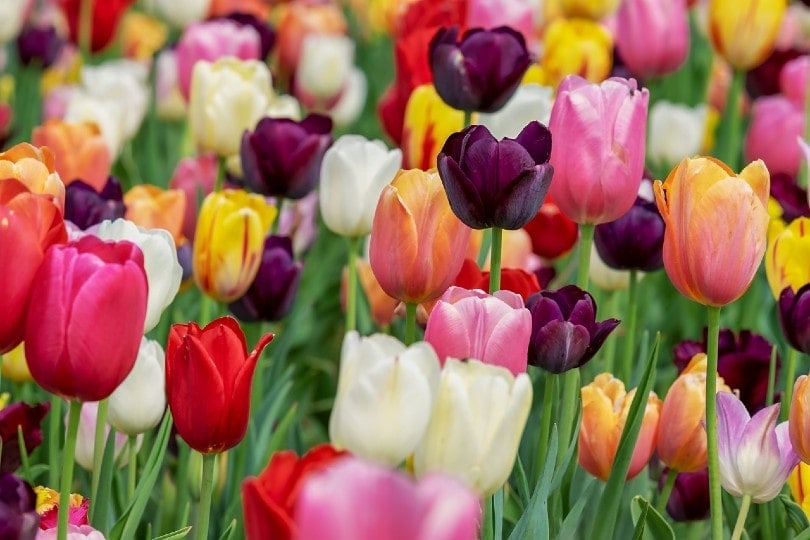
Tulips are a beautiful and commonly bought spring flower for any occasion. However, dog owners should be wary. While the stem and leaves aren’t necessarily toxic and can only cause an upset stomach, you should still be careful and keep the plant away from your pet. The real danger is when your dog comes into contact with the bulbs of the plant. This part of the Tulip is dangerous and can cause multiple issues.
Some reported signs include:
2. Sago Palms
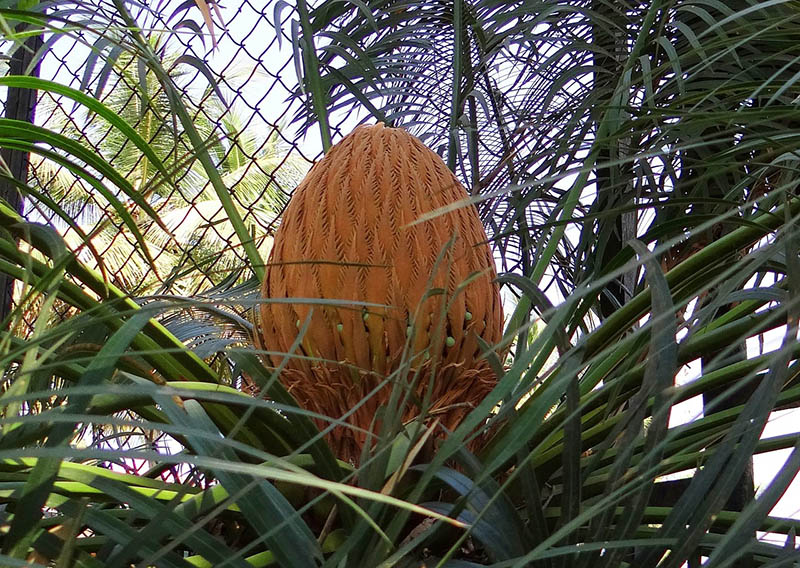
Sago palms, known as coontie palms, zamias, cycads, and cardboard palms, are well-known toxic plants for dogs. Due to their stiff, long leaves, Sago palms look like mini palm trees. This plant can live inside or outside, making it a common house plant. If you own a sago palm and a pet, it’s probably best to either ensure the plant is as far away as possible from your pet and out of reach or make sure it is thrown away or composted. This plant is extremely dangerous to dogs and potentially life-threatening.
Some health signs reported from this plant include:
3. Azaleas
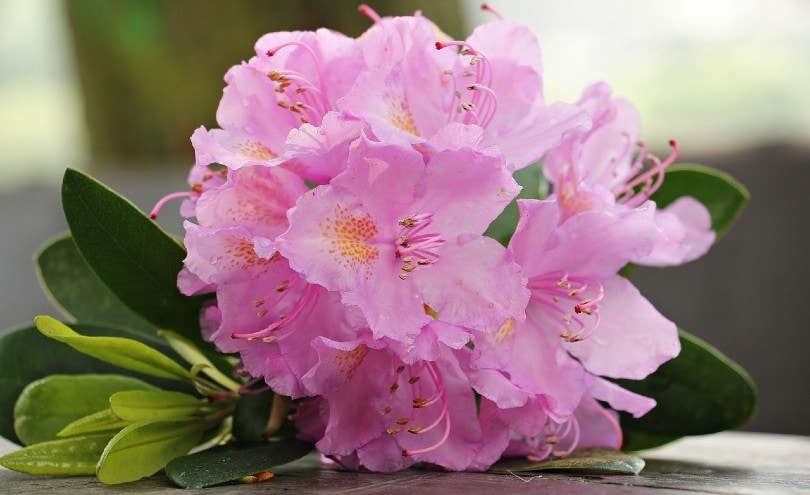
Azalea, also known as rosebay, is a species of rhododendron. They are fairly common outdoor plants planted as bushes outside of houses. This plant has what’s called grayanotoxin, which is toxic to dogs. Usually, it’ll leave dogs with just an upset stomach, but if they eat too much, it can cause other problems.
Some signs that are connected with the ingestion of this plant include:
4. Lilies of the Valley
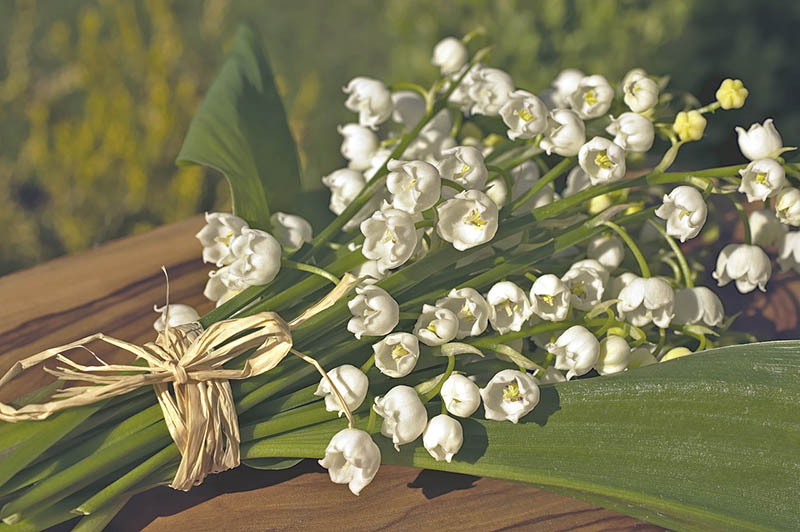
Lilies of the valley are sweet-smelling, beautiful, and popular garden plants. They tend to thrive in shady places, making them a perfect garden plant for some. While a beautiful addition to any garden, the flower absolutely needs to be kept away from dogs. If your dog ingests even a little bit, these flowers can cause cardiovascular issues.
Some reported signs of ingestion are:
5. Oleanders
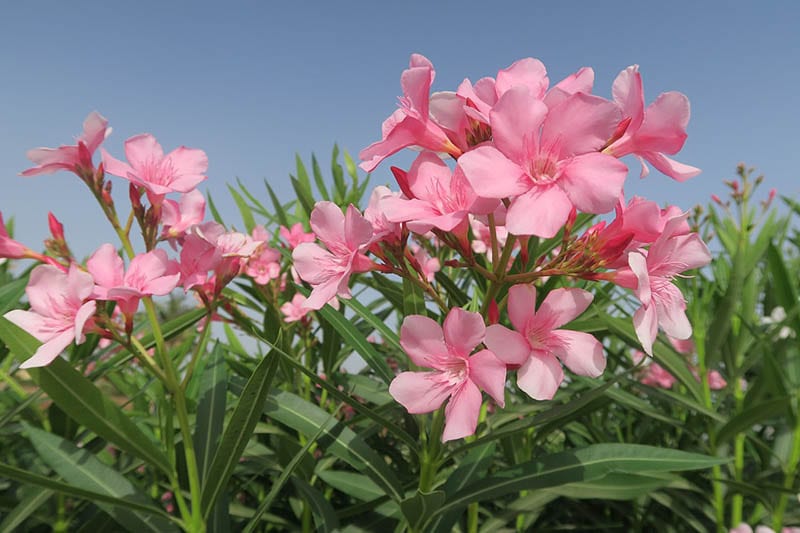
The Oleander is a common landscaping plant primarily used on the west coast. This shrub is commonly planted because of its high stature (up to 12 feet) and beautiful white, pink, red, and yellow flowers. However, this plant needs to be kept away from your dog. Every part of this plant is toxic to dogs, from the roots to the petals.
Some common signs connected to Oleander ingestion are:
6. Daisies
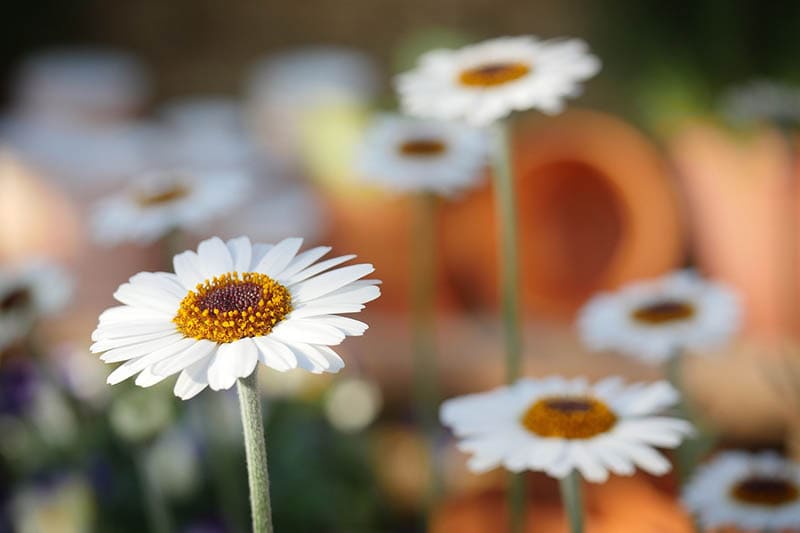
Daisies are one of the most well-known flowers. They are known for being in many gardens and flower arrangements. There are many different varieties of these beautiful small flowers and the amount of toxic chemicals they contain also varies. As many are dangerous if eaten by dogs, it is best to contact your veterinarian to be on the safe side.
Some signs of Daisy ingestion include:
7. Hyacinths
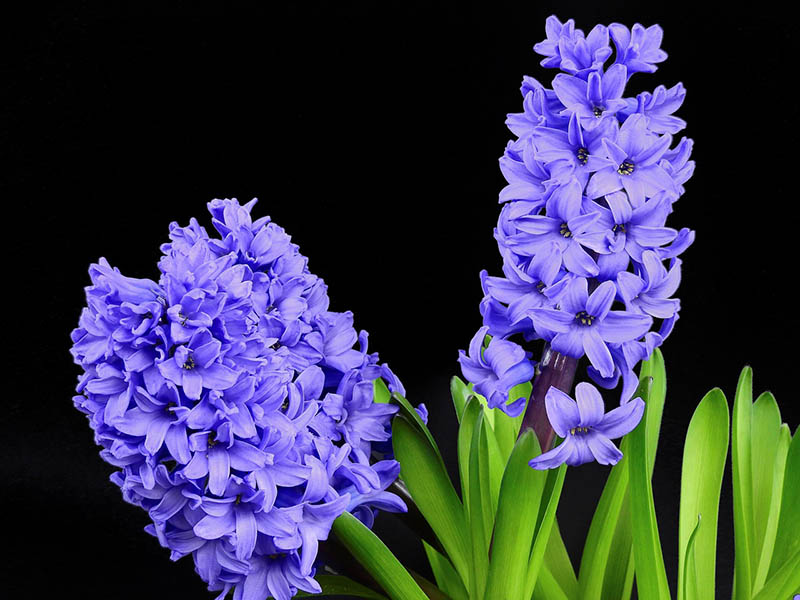
Hyacinths are commonly planted because they are perennials, meaning they return every spring. They do best when the temperatures are consistently warm to bloom properly in the spring. This plant, particularly the bulb, poses a fair danger to pets. Toxic to dogs, the hyacinth is known for causing all sorts of painful and uncomfortable symptoms to occur in your dog.
Some known signs include:
8. Cyclamens
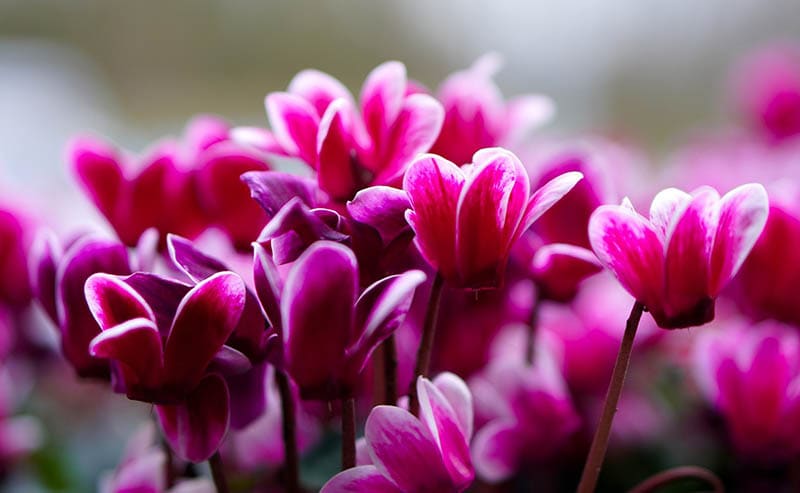
Cyclamens are a popular indoor plant for their vibrant colors and extremely interesting-looking leaves. They have very particular temperatures that they need to stay around, making them a good indoor plant where temperature can be monitored easily. However, every part of this beautiful plant is toxic to dogs, so you must be careful when taking it inside your home. If your dog gets into it, it can cause many issues.
Some signs reported from Cyclamen ingestion include:
9. Autumn Crocus
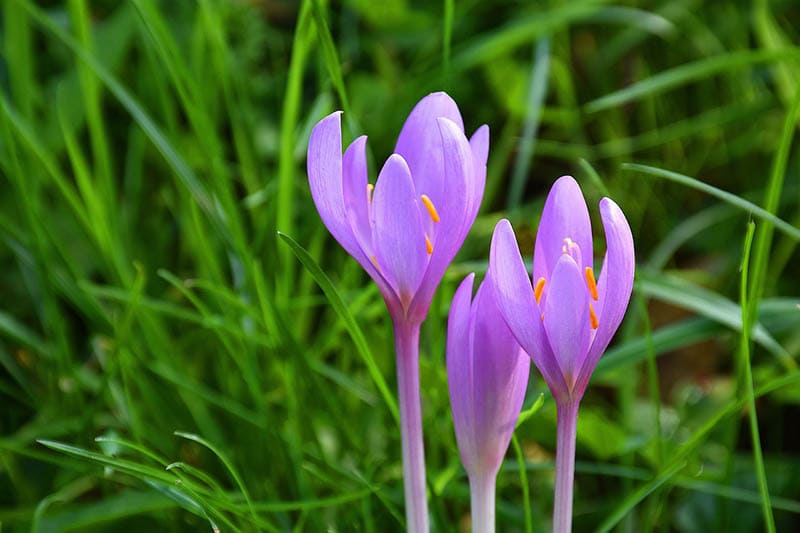
The Autumn Crocus is a flower known for blooming in the fall, hence the name “Autumn” Crocus. The Autumn Crocus isn’t actually a Crocus but part of the lily family. Common names for this plant are the Meadow Saffron, Naked Lady, and Colchicum. All parts of the Autumn Crocus can be severely toxic to dogs if ingested.
Some known signs include:
10. Hydrangea
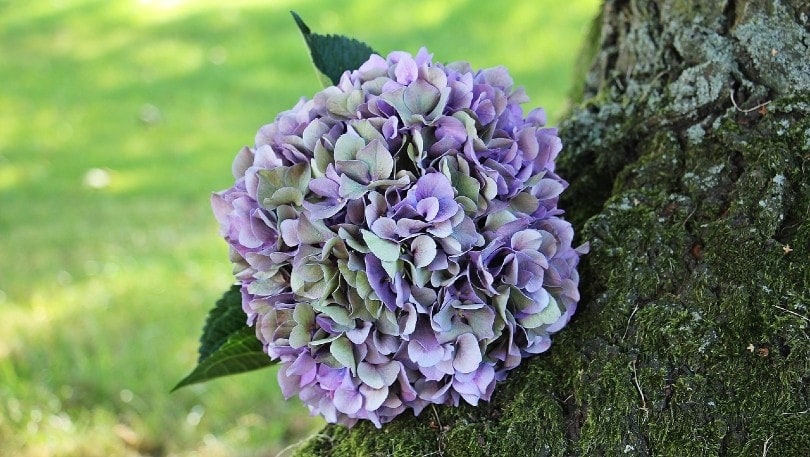
The Hydrangea is a well-known shrub known for its beautiful flowers. They tend to tolerate any kind of soil and are known to have various shapes and colors of their blooms. However, these beautiful shrubs are also known to be toxic to dogs.
Some signs of Hydrangea ingestion are:
11. Iris
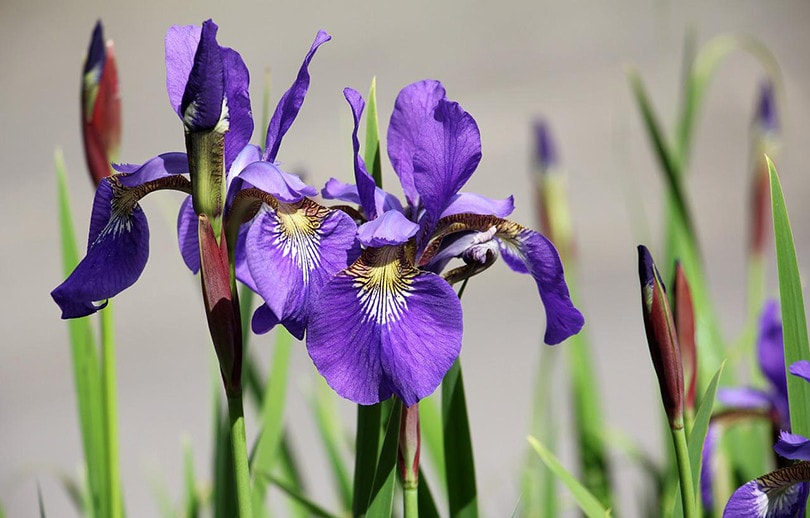
The Iris flower is not just one kind of flower but includes 310 different species. It’s a very common garden flower for its showy blooms, but did you know that they are toxic to dogs and other animals? Be careful if you grow this in your garden; if a dog ingests too much, it can be dangerous.
Some known signs include:
12. Japanese Yews
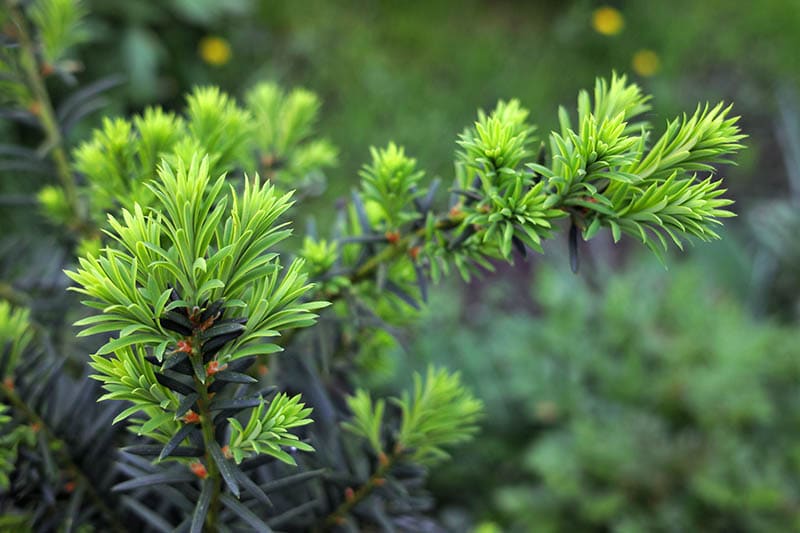
The Japanese Yew is a popular evergreen shrub that is a great addition to any garden. They vary in size and have beautiful small seed-bearing berries. However, despite its looks, every part of it is toxic. From the leaves to the bark to the berries, all of it is toxic to people, cats, and horses as well as our canine companions.
Some signs linked to ingestion of Japanese Yew are:
13. Philodendrons
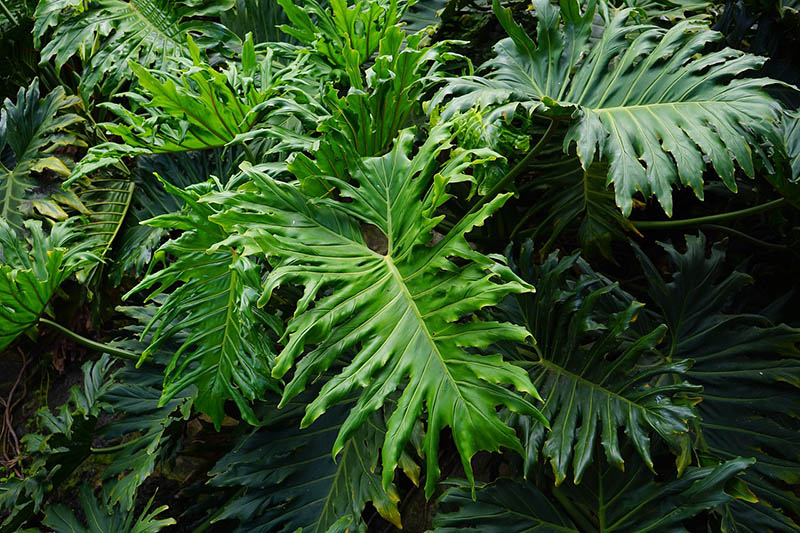
While there are many kinds of Philodendrons that climb to ones that don’t, they are all toxic to humans, dogs, and other pets. They should not be ingested under any circumstances. These plants, while beautiful, can cause many issues. In extreme cases, they can even cause death. These plants are also known as cordatum or sweetheart plants.
Some known signs include:
14. Jade
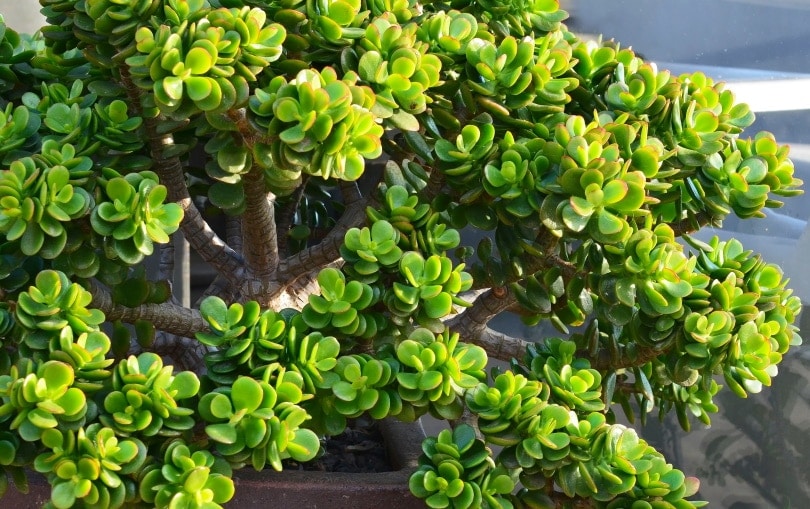
Jade plants are known for being easy to take care of houseplants and are even said to bring luck. They are also known by many names, including Baby Jade, Dwarf rubber plant, Jade tree, Chinese rubber plant, and the Japanese rubber plant. This plant is toxic to dogs and most other pets, so keep this beautiful houseplant out of reach from your pups.
Some known signs of Jade ingestion are:
15. Morning Glory
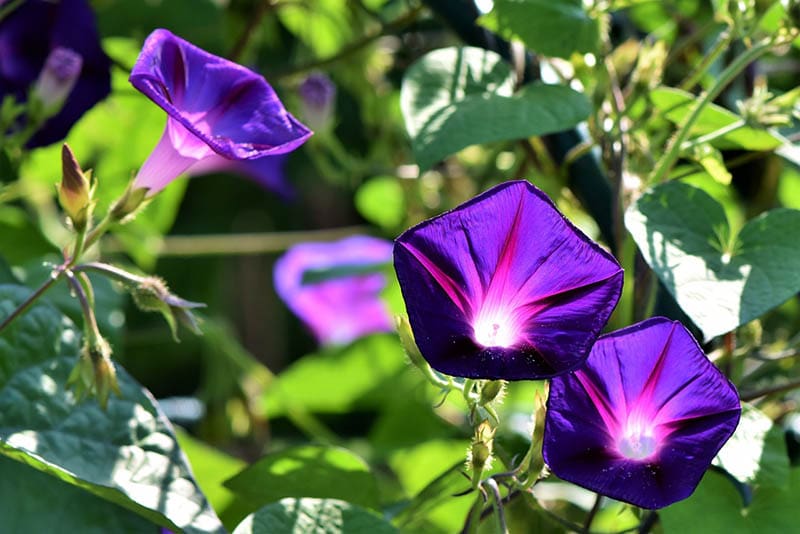
Morning Glories are known for being beautiful flowers that unfurl during the morning. They are also known for bringing butterflies and hummingbirds to the area. While beautiful, they can cause quite a stir if a dog or another pet ingests the seeds.
Some known signs are:
Conclusion
Many plants are toxic to dogs, so be sure to be on the lookout for your dog ingesting any unknown plant species. It’s safest to keep all house plants out of your dog’s reach and closely monitor them when in your garden or on walks. If you’re concerned your pup might have ingested a toxic plant then contact your vet and take a photo or sample of what they have eaten to your appointment if you don’t know what plant species it was. They will take care of your dog if they ingest anything toxic.
Related Reads:
Featured Image Credit: Anton Watman, Shutterstock
Get Hepper In Your Inbox


Pet care tips from our vets and experts, straight to your inbox.
You may opt-out at any time. View our Privacy Policy for more information.
Kristin is passionate about helping pet parents create a fulfilling life with their pets by informing them on the latest scientific research and helping them choose the best products for their pets. She currently resides in Tennessee with four dogs, three cats, two fish, and a lizard, though she has dreams of owning chickens one-day!
Join the conversation
Ask a question, share your story, or send private feedback.