Hepper is reader-supported. When you buy via links on our site, we may earn an affiliate commission at no cost to you. Learn more.
Can Dogs Eat Peanut Butter? Vet-Verified Facts & FAQ


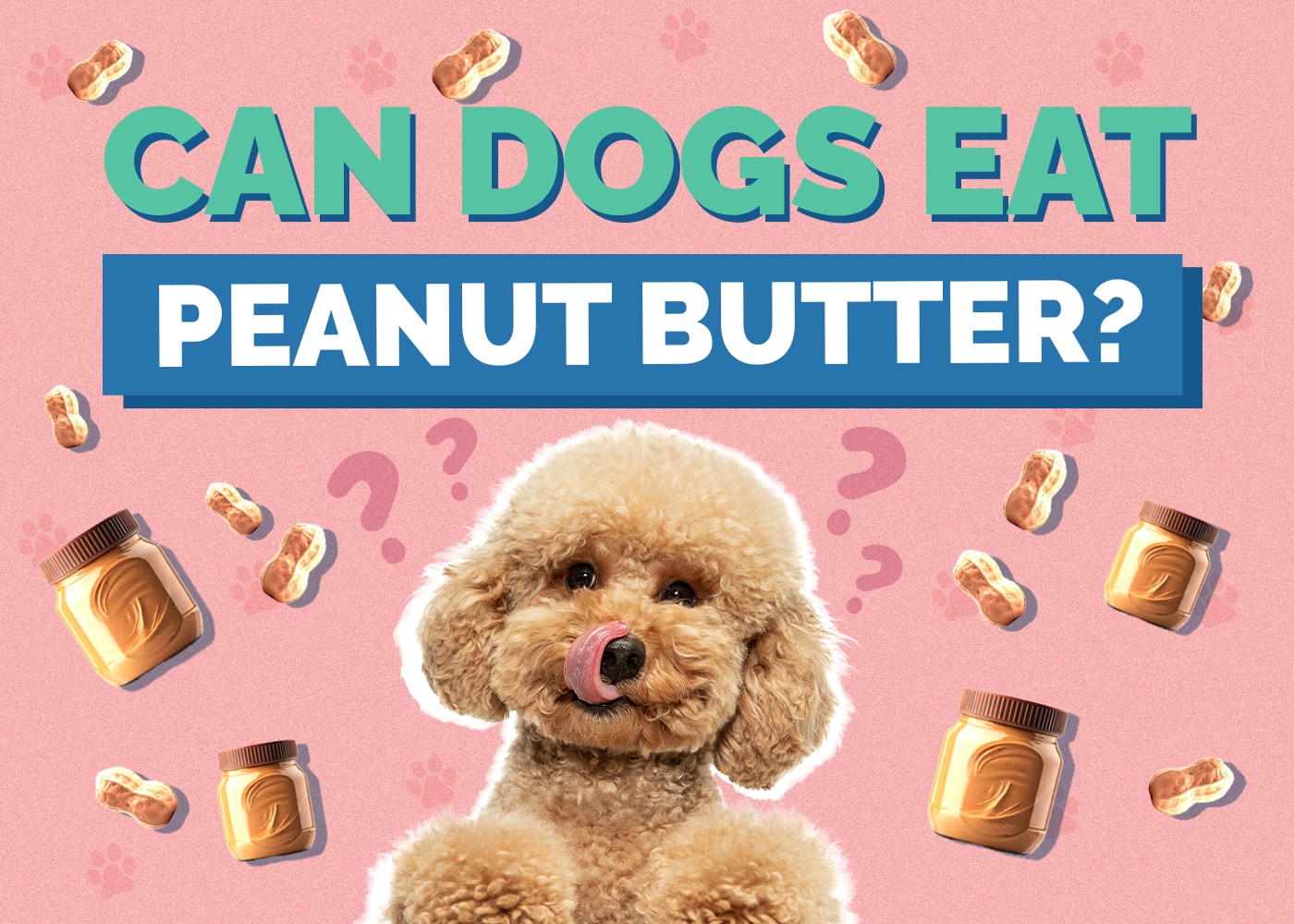
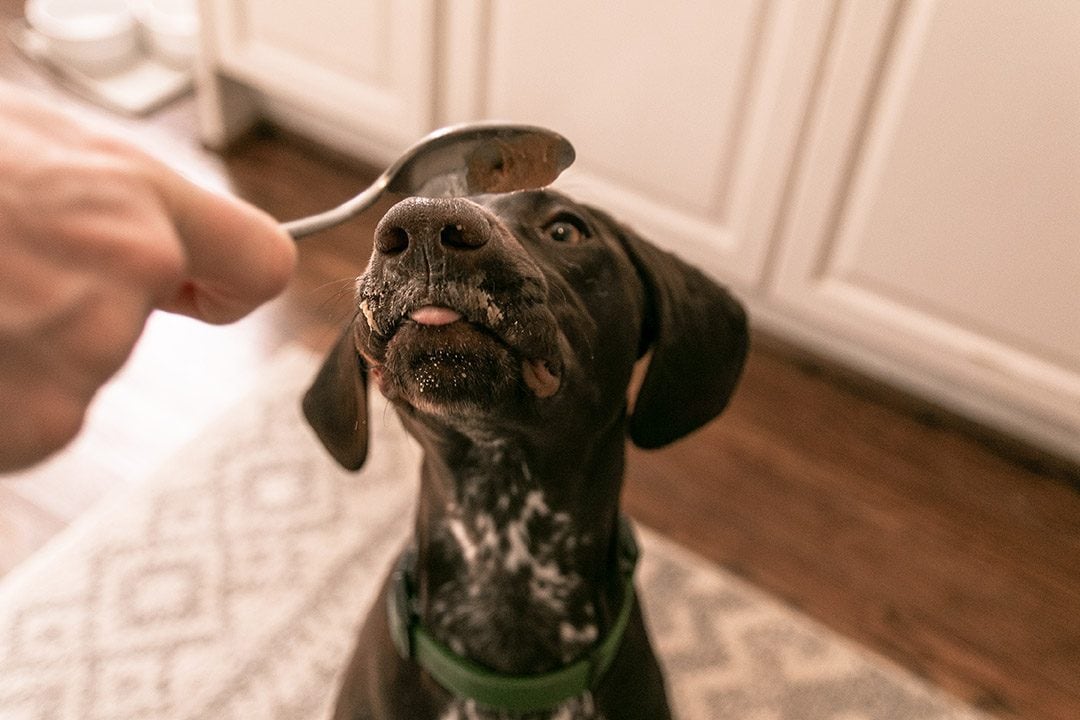
It doesn’t seem possible, but somehow, your dog can recognize the sound of the peanut butter lid getting unscrewed. Every time you go for a spoonful, in comes your pooch, begging for a lick of their own. Fortunately, in some cases, you can oblige them, as certain types of peanut butter are safe for dogs to eat in moderation.
Not only is it safe for pups, but most of them also go nuts for it. It makes a great treat, either as a reward for good behavior or just because. However, not all peanut butter is safe, and it’s not without its drawbacks. Make sure it doesn’t contain any artificial sweeteners such as xylitol, which is toxic for dogs. To learn more about when you should steer clear of sharing your spread, read on.

Is Peanut Butter Safe for Dogs?
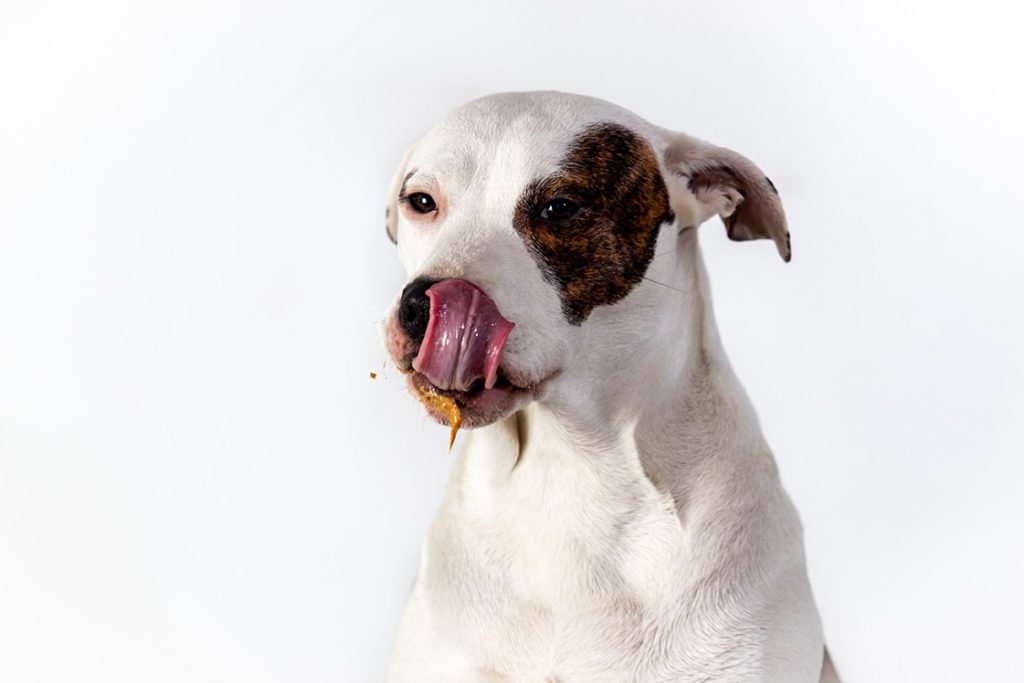
Peanut butter is safe for dogs to eat, with one big exception. Some peanut butter contains xylitol, which is an artificial sweetener that’s toxic to dogs.1 It’s mostly found in “diet” peanut butter, as it’s used as a replacement for sugar. Xylitol is not safe in any amount, so be sure to check the label before sharing your spoon.
Another thing to beware of is peanut butter and jelly. Many jellies also contain xylitol, and some are made from foods that are also toxic to dogs, like grapes.2 Even a “safe” jelly is packed with sugar, so there’s no reason to feed it to your pup. Stick to plain peanut butter.
Beyond that, most peanut butter won’t harm your dog. That’s not to say that you should let them eat to their heart’s content, though. Many commercial peanut butters are full of sugar and other undesirable ingredients, and even at its best, peanut butter is high in fat, protein, and calories.
Too much peanut butter can cause all manner of digestive problems in your pooch. Most of these will be short-lived, but if you don’t want to clean up a big mess on your next walk, you should practice moderation with the jar.
If you really want to share peanut butter with your dog, pick a natural unsalted xylitol-free option that doesn’t have added sugar or other additives. These are more expensive, but they’re better for your pup. You can also make your own at home, if you’re so inclined.

Is Peanut Butter Good for Dogs?
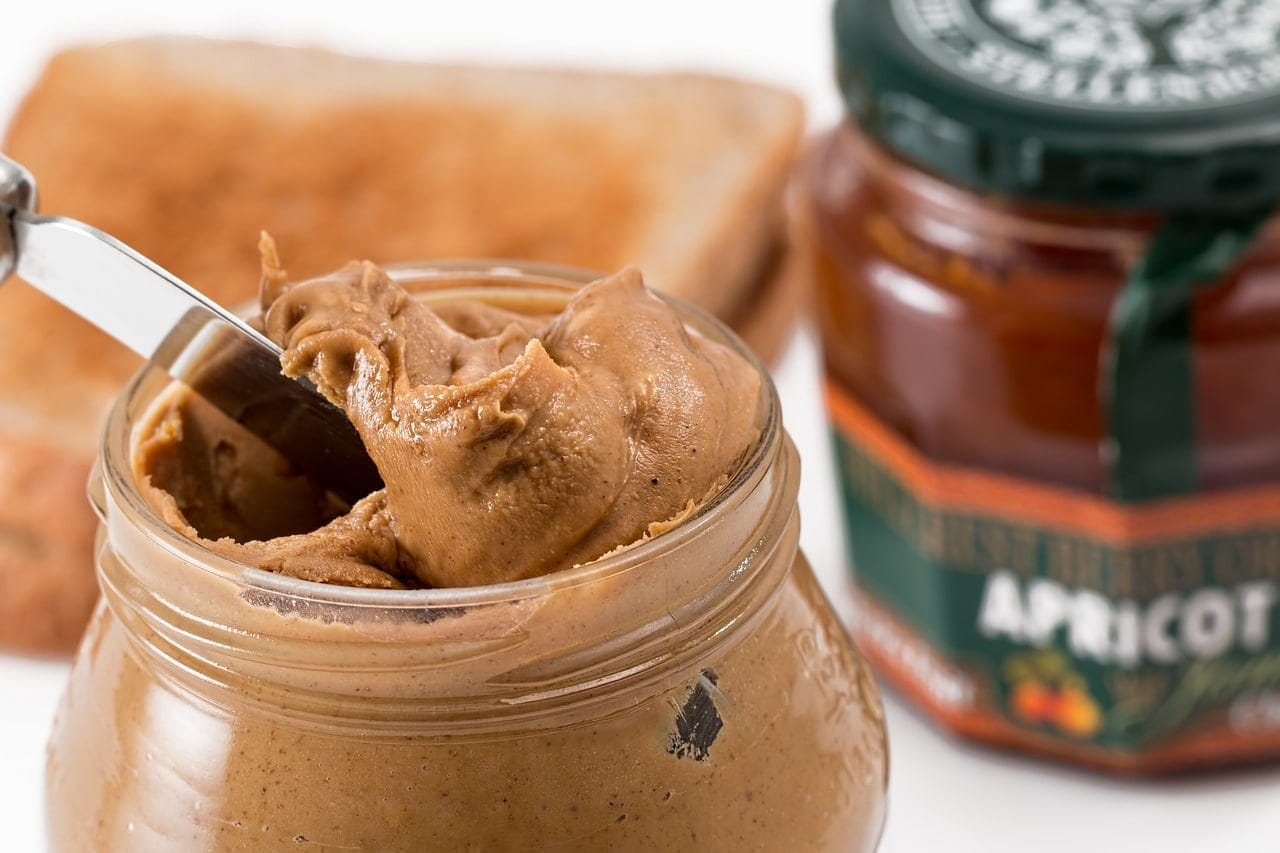
This is a tricky question to answer. It’s not good in the sense that your dog needs it, but peanut butter does have quite a few nutrients that are handy for dogs, making it a good alternative to some highly processed treats.
The biggest advantage peanut butter has is that it’s extremely high in protein, however, it doesn’t contain all of the essential amino acids.
There’s plenty of healthy fat in peanut butter as well. Healthy fats do everything from boosting your pup’s immune system to giving their coats a nice shine, so it’s important that they get enough, and these are supplied by their balanced and complete diets.
However, fat is still fat, and too much is never a good thing. If you really want to boost your dog’s healthy fat intake, feeding them cooked fish is a much better alternative, as it has all the benefits with much less risk of causing obesity.
Also remember, no treat is a supplement for a healthy, balanced and complete diet, despite any useful and nutritious ingredients they may contain. They should always be offered in moderation to avoid causing any harm to your pooch, meaning their nutritional benefits will be limited and should not be counted on. However, you do need to count them in your dog’s daily food and treat caloric intake.
What Are the Best Ways to Feed Your Dog Peanut Butter?
Dogs aren’t particular about how they get their peanut butter, so you can simply offer them a spoon and watch them lick it clean. They’re also great for cleaning out empty peanut butter jars to prepare them for the recycling bin.
Peanut butter is a great way to mask pills and other medications if you have a dog that refuses to take them. It has a powerful aroma that usually masks the smell of the medicine, and you can use the stickiness of the butter to attach the pill to another treat. This usually works for even the most finicky of pups.
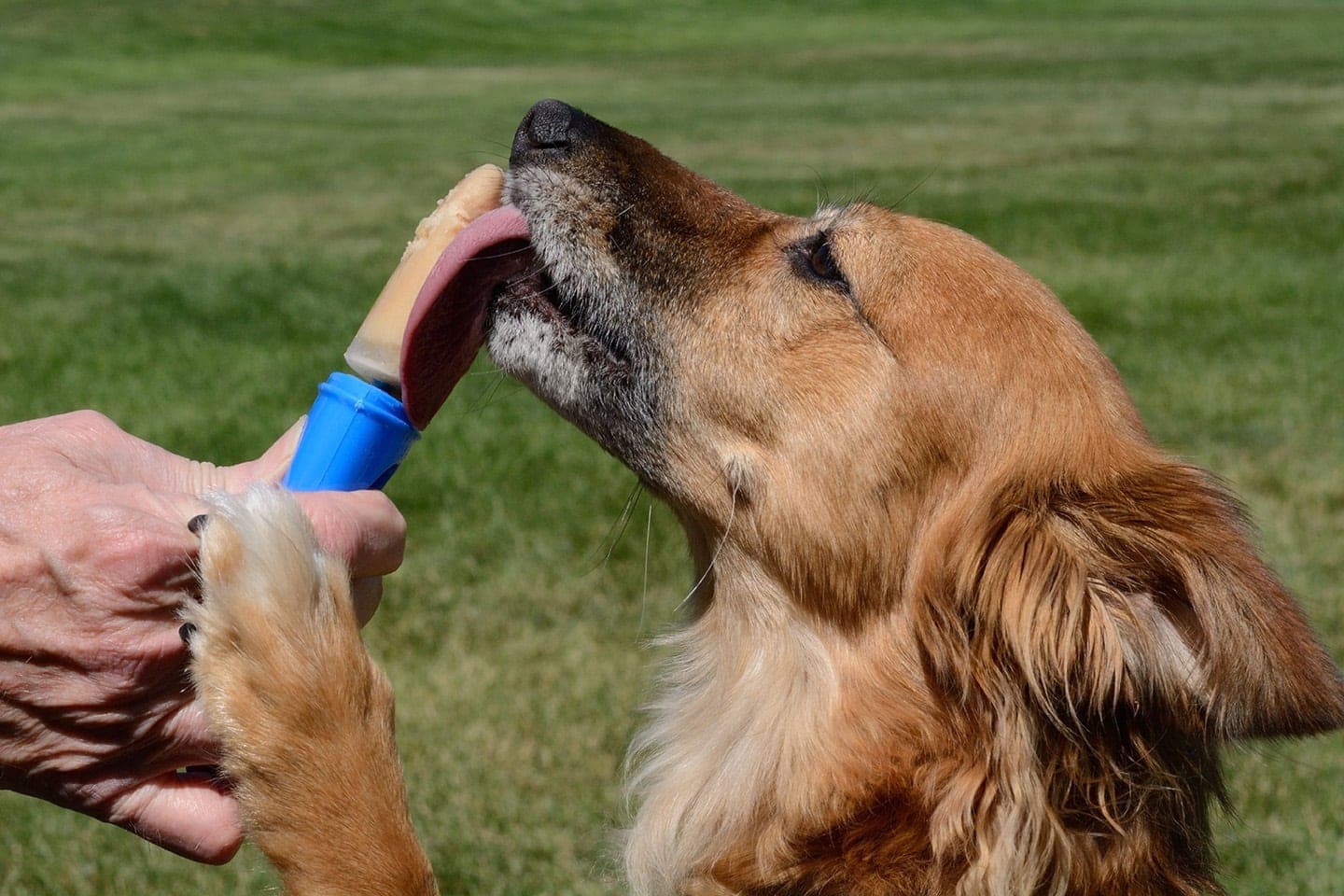
If you want a cool treat that will keep your dog occupied for hours on a hot day, consider stuffing a Kong toy with peanut butter and then freezing it. Your dog will spend quite a bit of time licking it clean, and trying to get their tongue into every nook and cranny of the toy will tax them mentally as well.
You can also make your own dog treats using peanut butter. There are a variety of recipes online, and they’re generally easy to follow. Just make sure that every ingredient is safe, as many recipes are posted by people who know more about cooking than about canine health.
If your dog refuses to eat peanut butter, don’t despair. There’s nothing in it that’s essential to dogs, and they can get all the nutrients from other places (like their kibble, hopefully). However, the ideas above should give you plenty of ways to give your dog peanut butter, ensuring that they never get bored of the stuff.
What’s the Verdict? Is Peanut Butter Safe for Dogs?
As long as it doesn’t have any toxic ingredients like xylitol inside or too much salt, sugar, or other additives, and as long as you serve it in moderation, then yes, peanut butter is safe for most dogs. It makes a delicious and fairly nutritious treat, and it’s extremely rare to find a dog that won’t immediately gobble it down.
Even so, it’s best that you do not give your dog peanut butter too often, as it is quite rich in fat. Make sure it’s as healthy as possible, whether it’s store-bought or homemade. Those extra ingredients and excess calories add up quickly, and it won’t take much to have an obese dog on your hands.
Related Reads:
Sources
Get Hepper In Your Inbox


Pet care tips from our vets and experts, straight to your inbox.
You may opt-out at any time. View our Privacy Policy for more information.
Quincy never intended to be a cat person. He grew up around dogs, and when his wife brought home a kitten one day, he told her she had one week to find it a new home. That week turned into 10 years (his wife moves very slowly), and that kitten turned into three (they got two more, the kitten didn't self-replicate). After a decade of sharing his home with three cats, one horrifying realization finally set in: oh God, he's a cat person now, isn't he???
Join the conversation
Ask a question, share your story, or send private feedback.