Hepper is reader-supported. When you buy via links on our site, we may earn an affiliate commission at no cost to you. Learn more.
Can Dogs Eat Pudding? What The Science Says


Pudding is a tasty dessert that comes in a variety of flavors and is a common staple in lunchboxes and pantries across the country. Many dog owners may have a hard time resisting offering their dogs a bite of what they are indulging in, which leads to the question of whether dogs can even eat pudding.
While pudding isn’t typically toxic to dogs, some of the ingredients used to make it may very well be. Since it’s already full of sugar and fat, it’s a good idea to avoid letting your dog have any at all. You should especially avoid it if it contains ingredients that are toxic to your dog. Keep reading to learn more.

What Is Pudding Made Of?
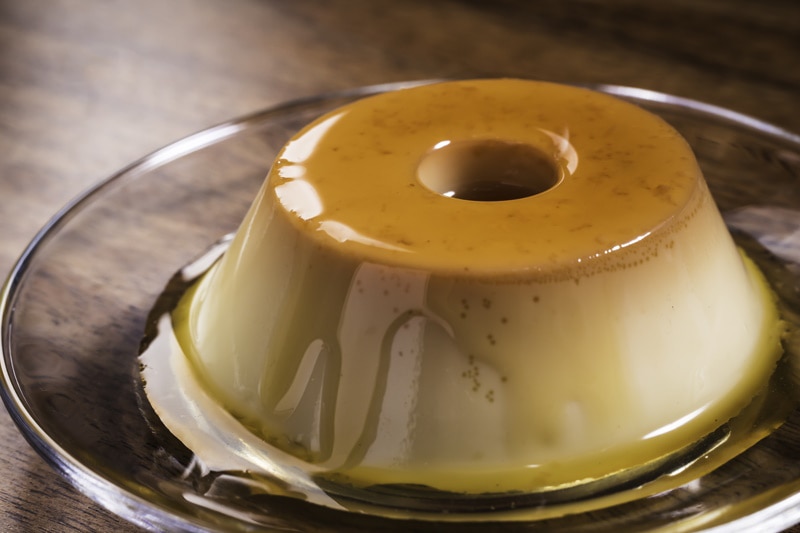
Pudding has different meanings in different parts of the world, but in the United States, pudding is a sweet, milk-based dessert with the consistency of custard. Puddings are often set using cornstarch, gelatin, or other similar coagulating agents.
There are many flavors of pudding, with the most common being chocolate, vanilla, butterscotch, and tapioca. It can either be homemade or bought commercially as premade, or in an instant packet form to be mixed with milk.
The most popular commercial puddings are often full of artificial colors and flavors, which even humans try to avoid. While most pudding is filled with sugar, there are plenty of sugar-free varieties that use artificial sweeteners instead.

Why Pudding Should Never Be Fed to Your Dog
Most dog owners are already aware that chocolate is toxic to dogs, but many are unaware of the potential dangers of certain artificial sweeteners, mainly xylitol, that are used as substitutes for sweetness in many different human products.
Chocolate
Most dog owners are familiar with the fact that chocolate is toxic to our beloved canines and should never be offered or left out unattended. Chocolate poisoning is rarely fatal but can lead to varying degrees of illness. The more chocolate that is consumed, the worse the clinical signs will be.
Theobromine is the primary toxin in chocolate and the amount of theobromine varies by the type of chocolate. A small amount of chocolate pudding is likely not going to contain high amounts of theobromine, but it’s still necessary to exercise caution and reach out to your vet with any concerns if your dog has consumed any form of chocolate.
Signs of Chocolate Poisoning
Xylitol
An ingredient to be cautious about in pudding and other human products is xylitol. While most pudding is sweetened with sugar, sugar-free varieties often use artificial sweeteners to get that sweetness without all the sugar and carbohydrates. One artificial sweetener, in particular, is incredibly toxic to dogs – xylitol.
Xylitol is a naturally occurring sugar alcohol found in berries, plums, corn, oats, mushrooms, lettuce, trees, and certain fruits. Commercially available xylitol is extracted from corn fiber and birch trees. Xylitol causes a rapid decrease in blood sugar levels in dogs and can also lead to liver damage or liver failure.
The toxic effects of xylitol are often observed about 30 minutes after ingestion and are related to the dog experiencing low blood sugar. Any products containing xylitol should be kept safely out of your dog’s reach and if ingested, you need to contact your veterinarian immediately.
Signs of Xylitol Poisoning
Contains Lactose (Dairy)
Most dogs are lactose intolerant, meaning they are either partially or completely unable to digest lactose, or milk sugar, which is found in milk and other dairy products. Dairy is one of the leading sources of food intolerance in dogs.
Lactose intolerance occurs when the small intestine fails to produce enough of the enzyme, lactase, which is needed for the proper digestion of lactose. Lactose is naturally occurring in the milk of mother dogs during nursing, but the puppies will produce excess amounts of lactase to aid in the breakdown of the mother’s milk. This lactase production will slow down and sometimes stop altogether after weaning.
Some dogs that experience lactose-intolerant dogs may only show signs when drinking milk but not other dairy sources like yogurt, cheeses, or butter since they are often easier to digest. Others dogs may show signs of intolerance to any type of dairy they ingest. Since pudding is milk based and may even contain butter or other dairy products, best to avoid offering it to your dog.
Signs of Lactose Intolerance in Dogs
High Sugar and Fat Content
While it may be fine for dogs to eat foods that have naturally occurring sugars like fruit or vegetables, they should not be allowed to consume foods that contain added sugar. Excessive sugar isn’t even good in a human’s diet and should be avoided altogether for your dog.
The same goes for excess fat. While fat is a crucial part of a dog’s diet, the high-fat content in the pudding is much too excessive for their digestive system and dietary needs. Fatty human foods can lead to digestive upset and obesity if fed in large amounts.
Artificial Colors, Flavors, and/or Preservatives
Artificial colors, flavors, and preservatives are used in a wide variety of both human and pet foods. These ingredients are under much scrutiny when it comes to both human and pet health and plenty of people prefer to go without them.
Commercial pudding packets and pre-made cups often contain these ingredients, which is another reason to avoid offering them to your dog. Concerns over these ingredients should be discussed in detail with your veterinarian.

Reasons to Avoiding Offering Human Food

Occasionally, feeding safe human food is certainly not the worst thing you can do for your dog’s health. Owners need to understand which foods are safe and which are not to prevent any adverse side effects. Offering safe table scraps or other people foods is generally not recommended for the following reasons, however:
- You will likely promote begging behavior.
- You run the risk of your dog having digestive trouble.
- They may become a much pickier eater.
- You run the risk of toxicity.
Tips for Feeding Your Dog a Healthy Diet
There are plenty of ways to ensure your dog is being fed a healthy, nutritious diet to keep them in optimal health. Here are some tips on how to make the best food choices for your beloved pooch!
Research Dog Food and Dog Treat Brands
Research and education are important to make the most well-informed health decisions. There are many different dog food and dog treat brands commercially available. It’s a good idea to read reviews from other dog owners, check into each brand’s reputation, search for any history of recalls, and look to see if the foods are crafted using the AAFCO guidelines for your dog’s nutritional needs.
A high-quality diet is very important since nutrition plays a crucial role in overall health. Don’t settle for a brand that does not put well-balanced nutrition and wholesome ingredients as a priority for its business model.
Learn How to Read Labels
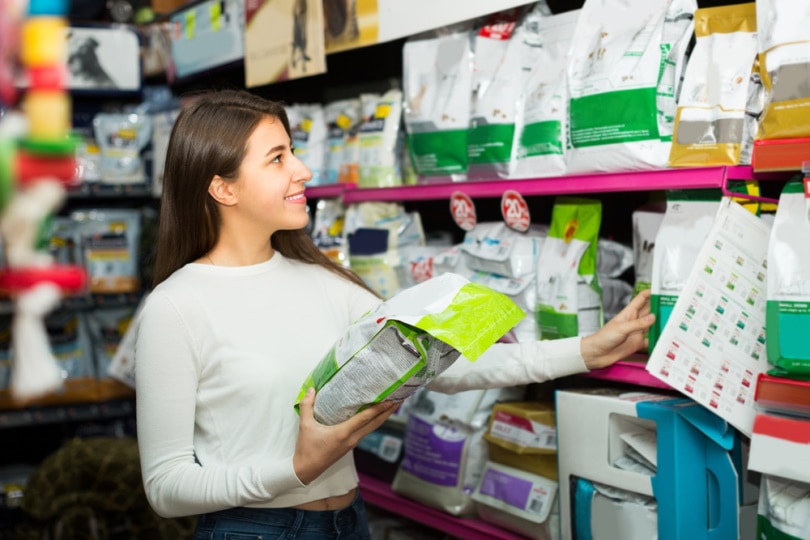
Reading a dog food label can help you out significantly in your search for the right food option. You can learn how to look into the list of ingredients, the caloric content, and guaranteed analysis to see how the food stands up against other competitors.
Avoid Unnecessary Ingredients
The world of dog nutrition can send you down many rabbit holes. Not only are there contradicting bits of information regarding certain ingredients and formulations but there are plenty of controversies. It is often recommended to avoid certain ingredients like artificial preservatives, flavors, and dyes. There are also various fillers used, especially in dry kibbles that are often looked down upon. The best thing you can do is discuss ingredient concerns directly with your veterinarian to learn what is best avoided.
Consider Your Dog’s Specific Needs
Not only is a high-quality, nutritionally balanced food of the utmost importance, but it should also be based on your dog's specific needs. You should always feed a food that is appropriate for their size, age, and activity level.
Special diets and/or supplements may be required if your dog suffers from certain health conditions or has other nutritional needs. Special diets and supplements should only be offered if suggested or approved by your veterinarian.
Talk to Your Veterinarian
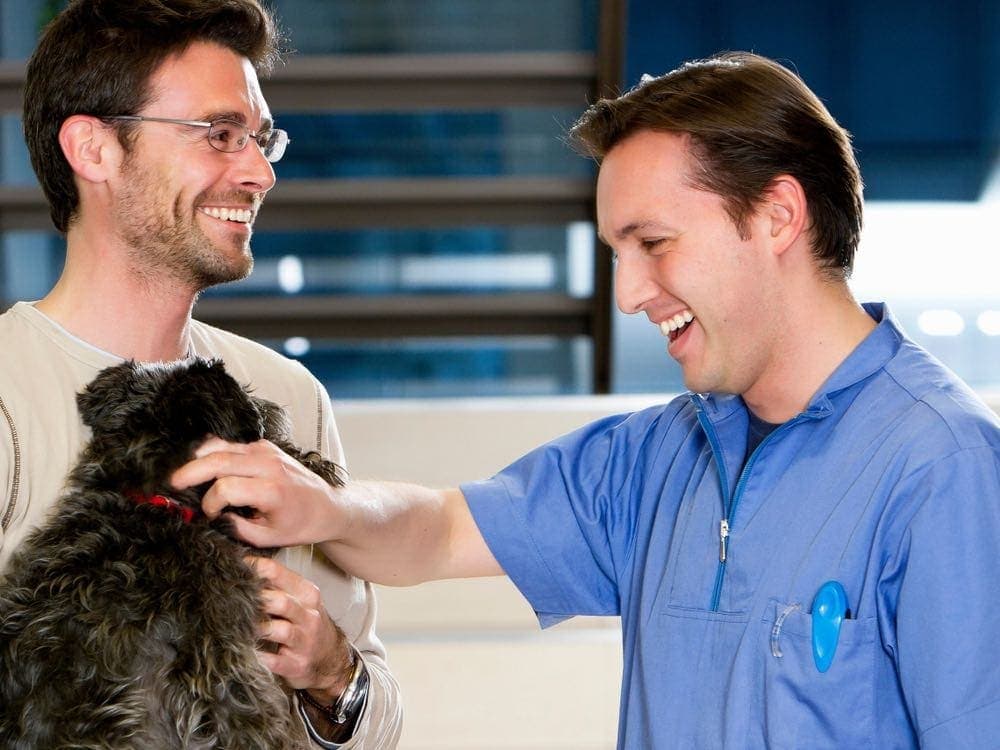
Any questions regarding your dog’s dietary and nutritional needs should be discussed with your veterinarian. They are going to be aware of your specific dog’s needs and medical history and will be able to direct you appropriately.
You always reach out to your veterinarian first before making any changes to your dog’s dietary regimen and never hesitate to reach out if you are concerned about anything they have eaten.

Conclusion
While eating pudding will likely not cause any problems other than the risk of digestive disturbances, this is a food that should never be offered to your dog. Not only is pudding a milk-based food, but it's high in sugar and fat and may contain toxic ingredients like chocolate or xylitol (some sugar free versions). Feeding your dog any human food is discouraged for various reasons, so it’s best to stick to high-quality dog food and occasional treats.
Related Reads:
Sources
https://unionlakeveterinaryhospital.com/blog/ingredients-to-avoid-in-dog-food-treats-and-bones
https://vcahospitals.com/know-your-pet/chocolate-poisoning-in-dogs
https://vcahospitals.com/know-your-pet/adverse-reactions-to-food-in-dogs
https://southtownsanimalhospital.com/uncategorized/aware-xylitol-common-products/
https://www.petmd.com/news/view/why-dogs-should-not-eat-people-food-34758
https://www.petmd.com/dog/care/what-people-foods-are-harmful-my-pet
https://pets.webmd.com/dogs/features/how-to-read-a-dog-food-label
https://unionlakeveterinaryhospital.com/blog/ingredients-to-avoid-in-dog-food-treats-and-bones
Get Hepper In Your Inbox


Pet care tips from our vets and experts, straight to your inbox.
You may opt-out at any time. View our Privacy Policy for more information.
Lindsay is a wife, mother, nature enthusiast, animal lover, and business major. She was born and raised in the United States and now lives in Tulsa, Oklahoma. She shares her home with a German Shepherd, several snakes, tarantulas, and a couple of rescue cats.
Lindsay and her husband enjoy traveling the US with their children and photographing wildlife. Lindsey is passionate about proper animal care and education around it!
Join the conversation
Ask a question, share your story, or send private feedback.