Hepper blog

Search our database of over 9,984 posts with up-to-date information from our experts and veterinarians.

Hepper is reader-supported. When you buy via links on our site, we may earn an affiliate commission at no cost to you. Learn more.

Can Dogs Eat Water Chestnuts? Vet-Approved Facts & Tips

By Beth Crane · Reviewed & fact-checked by Dr. Lorna WhittemoreVet Approved
Dr. Lorna Whittemore
Reviewed & Fact-Checked byDr. Lorna WhittemoreVeterinarian
Lorna is a Scottish vet who has lived, studied, and worked on three continents and has a love of travel. With 20 years of experience in small animal medicine andsurgery, both in the charity and private sector. Gaining a further qualification in feline medicine has given her a continued sense of amazement at the fabulous animals. Currently living in Cape Town, South Africa, with her family and expanding number of pets allows her to spend time in and around nature where she is at her happiest. With a love for learning, Lorna is enjoying researching, editing, and fact-checking for Hepper veterinary editorial team and truly feels that she has the best job in the world!View authorThe information is current and up-to-date in accordance with the latest veterinarian research. Read about our vets
Share
Ask us a question in the comments
Can Dogs Eat Water Chestnuts

Water chestnuts are the misleadingly named vegetables commonly found in health and Asian food shops. They can be pre-prepared in cans or packages or bought raw and prepared at home. Dogs absolutely can eat water chestnuts, but only if they're prepared a certain way.

What Are Water Chestnuts?

Water chestnuts are not nuts at all (despite their name). Water chestnuts (or Chinese water chestnuts) are tuber vegetables that grow in marshes, ponds, muddy pools, or other watery areas. They are vegetables native to parts of Asia, including China, Japan, India, and the Philippines.

The corms are the parts of the water chestnut plant that can be consumed raw or cooked. They're common ingredients in stir fry and can also be found in canned or pickled form (although those aren't suitable for dogs to eat).
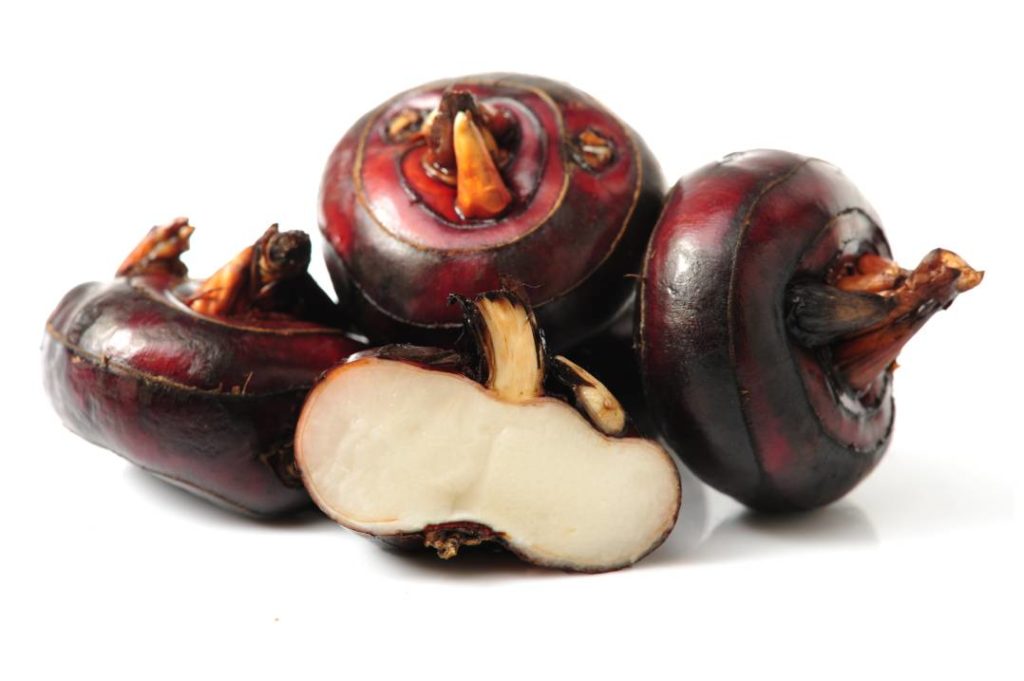
Water Chestnuts
Image Credit: Juangdi, Shutterstock

Are Water Chestnuts Healthy for Dogs?

In small portions, water chestnuts are a very healthy, low-calorie snack for dogs.1 Water chestnuts provide lots of key vitamins and minerals for dogs and offer a satisfying crunch. The vitamins and minerals most beneficial to dogs that are found in water Chestnuts include:

  • Vitamin B: It regulates glucose in the body and can contribute to the healthy functioning of the nervous and immune systems. Vitamin B can also help regulate hormones and maintain a healthy metabolism.
  • Potassium: Potassium is essential for the control of electrical impulses in the body. These impulses play an important part in the function of the heart, brain, and nervous system. Potassium also contributes to healthy muscles and aids digestion.
  • Manganese: Manganese helps dogs metabolize protein and carbohydrates correctly and helps create fatty acids.
  • Copper: Water chestnuts are a great source of copper, which contributes to the functions of red blood cells, helps the body absorb iron, and contributes to a healthy muscular system.

Water chestnuts are very low-calorie, making them the ideal occasional treat for dogs on a diet. They also have a very high water content, making them useful for hydration.

How Should I Prepare Water Chestnuts for My Dog?

Water chestnuts should be peeled, whether feeding them raw or cooked, as the peel is very tough and presents a choking hazard. Before giving them to your dog, ensure the water chestnuts are chopped into pieces to prevent choking and only give them plain. They can be boiled or fried in a very small amount of oil, but don't add any other ingredients.

Additional ingredients such as onions and garlic are often cooked with water chestnuts, but they are toxic to dogs and shouldn't be given.

female owner giving dog treats to miniature schnauzer
Image Credit: DegrooteStock, Shutterstock

Are There Any Risks to Giving My Dog Water Chestnuts?

While water chestnuts are a tasty and healthy snack for dogs, there are a few potential risks. As stated previously, the skin of water chestnuts is very tough and is a choking hazard for dogs, so removing it before serving is essential to keep your dog safe.

Water chestnuts also contain lots of fiber, which can cause gastrointestinal upset if too much is eaten at once. Giving the whole corm of the tuber can also be a choking hazard, so cutting them up into bite-sized pieces is recommended to prevent this.

Can My Dog Eat Canned Water Chestnuts?

Dogs shouldn't eat canned water chestnuts because they are often packed with sodium, which can harm dogs. Dogs that eat too much sodium (salt) can suffer from salt toxicity, which can even be deadly if large amounts are consumed.

The signs of sodium toxicity in dogs include:
  • Depression
  • Ataxia (uncoordinated gait)
  • Seizures
  • Weakness
  • Collapse
  • Tremors
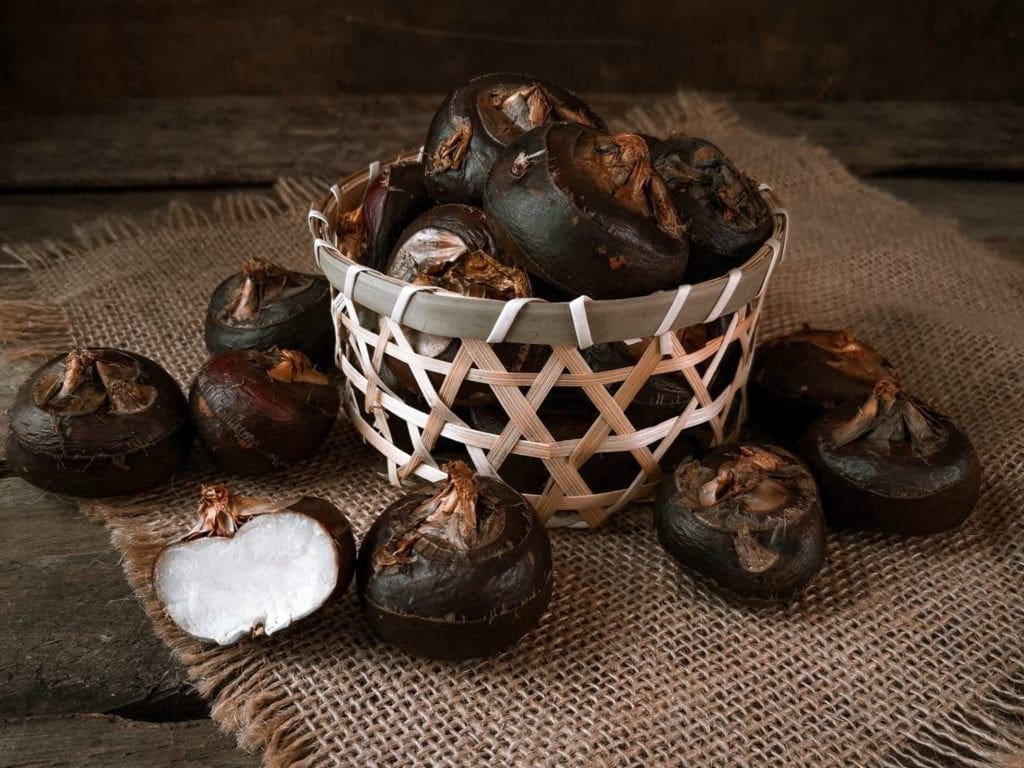
Water Chestnuts
Image By: SurianiSuzie, Shutterstock

Can Dogs Eat Other Types of Chestnuts?

There are a few types of chestnuts that dogs can eat, but some are extremely toxic to dogs. A true chestnut that is nutritious for dogs is the American or Sweet chestnut. These nuts contain omegas 3 and 6, which can contribute to a healthy brain, skin, and coat.

On the other hand, horse chestnuts are incredibly toxic to dogs. Horse chestnuts contain aesculin and other saponins, which are very harmful to dogs and can affect their brain and nervous systems.

Symptoms of horse chestnut ingestion and toxicity include:

  • Severe vomiting
  • Diarrhea
  • Depression
  • Seizures
  • Ataxia (uncoordinated gait)
  • Coma

If you're unsure of the type of chestnut your dog is eating, stop them from eating it and take them to the vet.

A sad golden retriever dog lies in the grass
Image Credit: Birgit, Pixabay

Final Thoughts

Water chestnuts are a great addition to a dog's diet as an occasional treat, provided you've checked with your vet. Water chestnuts retain their crunch when cooked and are healthy but low-calorie, meaning your dog gets a satisfyingly crunchy treat packed with vitamins that won't affect their waistline. Water chestnuts can be given cooked or raw, but ensure never to give your dog canned or pickled varieties since they contain too much salt.

See also: My Dog Ate a Conker: Vet-Approved Facts & Safety Guide

Sources

Get Hepper In Your Inbox

Pet care tips from our vets and experts, straight to your inbox.

List

Select all that apply.

You may opt-out at any time. View our Privacy Policy for more information.

Beth Crane
Authored by

Beth Crane

Join the conversation

Ask a question, share your story, or send private feedback.

Rate this post
Required to post. Only our editors see your rating.
Who should see this?

A human reviews every comment before it appears. Your email is never published.

Picked to go with this article

Can Dogs Eat Chestnuts? Vet-Approved Safety Facts & FAQ

Can Dogs Eat Chestnuts? Vet-Approved Safety Facts & FAQ

Chestnuts are a delicious snack for humans that offer several vitamins and minerals and are low in fat, making them a healthy go-to treat. They can be eaten ro…

Rachel Giordano
By Rachel Giordano ·
Can Dogs Eat Bok Choy? Vet-Verified Nutrition Facts & Benefits

Can Dogs Eat Bok Choy? Vet-Verified Nutrition Facts & Benefits

Bok choy is a common ingredient in Asian cuisine. A member of the cabbage family, bok choy has dark green leaves packed with nutrition. But can dogs eat bok ch…

Nicole Cosgrove
By Nicole Cosgrove ·
Can Dogs Eat Cashews? What You Need to Know!

Can Dogs Eat Cashews? What You Need to Know!

We all know how much dogs love peanuts. They like them alone, in treats, in butter form, and pretty much any way they can get them. Do you ever wonder, however…

Nicole Cosgrove
By Nicole Cosgrove ·
Can Dogs Eat Lotus Root? Vet-Approved Facts & FAQ

Can Dogs Eat Lotus Root? Vet-Approved Facts & FAQ

Before changing your dog’s/ cat’s diet or introducing new ingredients or supplements that they haven’t eaten before, especially when it comes to human food, ma…

Kerry-Ann Kerr
By Kerry-Ann Kerr ·

Keep reading

More stories you might like

Can Dogs Eat Zucchinis? Vet Approved Tips & FAQs

Dogs can eat many different veggies. So, the next time you are chopping up some zucchini for dinner or a snack, toss your pup a piece or two! Zucchini is packe…

Nicole Cosgrove
By Nicole Cosgrove ·
Can Dogs Eat Zucchinis? Vet Approved Tips & FAQs

Can Dogs Eat Bamboo Shoots? Keep Your Dog Healthy!

Bamboo1 shoots are robust plants used in Asian cuisine that were once considered exotic. Bamboo grows quickly and adds a nice touch of décor to any home or gar…

Rachel Giordano
By Rachel Giordano ·
Can Dogs Eat Bamboo Shoots? Keep Your Dog Healthy!

Can Dogs Eat Chinese Food? Vet-Verified Facts & Risks

No matter what we have on our plates, we have a set of doe eyes silently pleading for just a taste. With something as yummy as Chinese food, it's no wonder you…

Ashley Bates
By Ashley Bates ·
Can Dogs Eat Chinese Food? Vet-Verified Facts & Risks

Can Dogs Eat Lychee? What The Science Says!

If you love tropical fruit, you might have tried lychees. Lychees may be yummy to us, but can our four-legged friends enjoy them too? The short answer is yes,…

Nicole Cosgrove
By Nicole Cosgrove ·
Can Dogs Eat Lychee? What The Science Says!

Can Dogs Eat Pine Cones? Health Concerns Reviewed

The weird things our dogs seem to fancy eating sometimes can be something of a surprise. As dog parents ourselves, we’ve witnessed our dogs attempt to hoover u…

Kit Copson
By Kit Copson ·
Can Dogs Eat Pine Cones? Health Concerns Reviewed

Can Dogs Eat Swiss Chard? Vet Approved Facts & Tips

Although Swiss chard isn’t as popular as other vegetables such as pumpkin and kale, it’s full of nutrients, versatile, and has a mild taste. It’s a great addit…

Keri-Beth Clur
By Keri-Beth Clur ·
Can Dogs Eat Swiss Chard? Vet Approved Facts & Tips

Can Dogs Eat Artichokes? Vet-Reviewed Benefits, Risks, & FAQs

The artichoke is a popular plant that people love to consume due to its nutritional benefits, including a high fiber content, vitamins, and minerals. Artichoke…

Visnja Radosavljevic
By Visnja Radosavljevic ·
Can Dogs Eat Artichokes? Vet-Reviewed Benefits, Risks, & FAQs

Can Dogs Eat Lupini Beans? Vet-Approved Facts & FAQ

Feeding our beloved dogs a few extra treats is something most pet parents enjoy, and your dog usually appreciates this gesture too! If you are a fan of eating…

Annaliese Morgan
By Annaliese Morgan ·
Can Dogs Eat Lupini Beans? Vet-Approved Facts & FAQ