Hepper is reader-supported. When you buy via links on our site, we may earn an affiliate commission at no cost to you. Learn more.
Can Dogs Eat Mandarins? Nutrition Facts & Safety Guide

In this article
Mandarins are a very popular citrus fruit that tastes great and is considered a healthy food for many people, so it is perfectly reasonable to wonder if they are safe to feed your dog. The short answer is yes, you can feed your dog a small portion of mandarin if they like them, but there are a few things you should know before you begin peeling one for your K-9 friend.
Join us while we look at all the pros and cons of feeding this food to your dog and discuss some healthy ways your pet can enjoy it.

What Is a Mandarin?
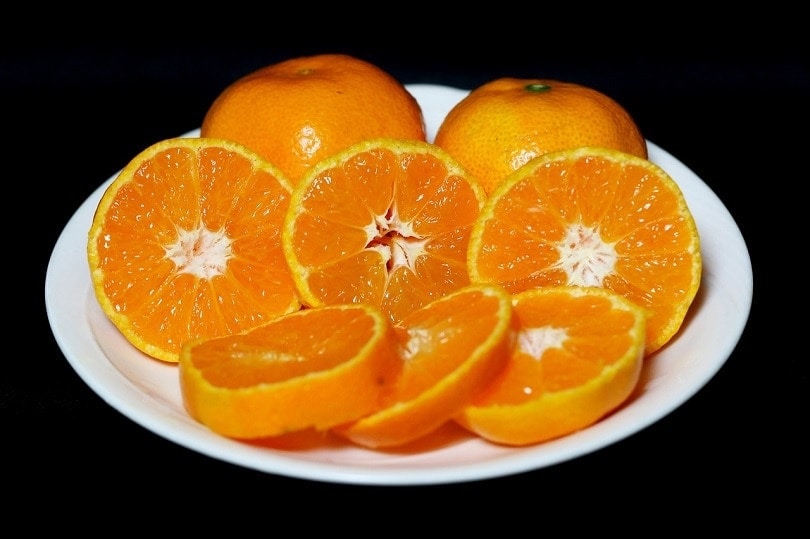
As you may have guessed, the mandarin is part of the orange family of citrus fruits. They're much smaller and sweeter than oranges, and they are flatter on the top and bottom. The skin is thinner and easier to peel. While we can buy oranges all year, mandarins tend to be more seasonal, arriving just before the fall. Clementines and tangerines are mandarin variants.
Are Mandarins Bad for Dogs?
Here are a few reasons you might not want to feed your dog mandarins.
Sugar
Mandarins contain a high amount of sugar that can lead to tooth decay, obesity, diabetes, and other health problems for your dog. Studies show that obesity is on the rise, and as many as 45% of dogs1 over four are overweight. That statistic alone is enough to caution against adding any unnecessary sugar to your pet’s diet.
If your dog is already overweight, has diabetes, or other sugar-related health issues, you should not provide mandarins as part of their diet.
Seeds
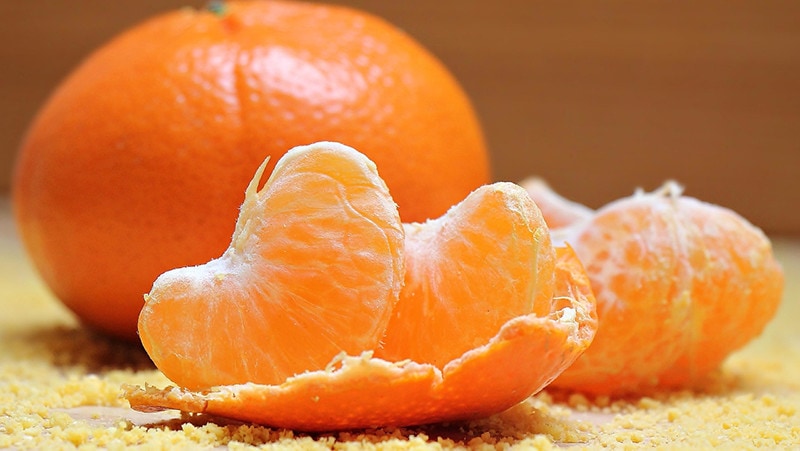
Clementine's do not contain seeds, but mandarins and tangerines do, and these seeds contain trace amounts of cyanide that can potentially cause health issues for your pet. While the amount needed may be large, and your pet will need to chew or crush the seeds to expose the cyanide, the risk is present. Therefore it is highly recommended to remove any fruit seeds before allowing your pet to eat mandarins or tangerines.
Peels
The peel of a mandarin is very sour and is difficult for your pet’s digestive system to break down, which can lead to an upset stomach, vomiting, and diarrhea. Another problem with eating the peels is that they are very likely to contain pesticides, and these pesticides can prove extremely toxic to your pet’s health. Pesticide poisoning can cause diarrhea, confusion, excessive drinking, pawing at the face, tremors, rashes, and more.
Upset Stomach
Even if you remove the seeds and the peel, feeding your dog too many mandarin oranges can cause them to have an upset stomach and possibly diarrhea.


Are Mandarins Good for Dogs?
There are a couple of good reasons to let your dog have a few pieces here and there.
Vitamin C

Mandarin has plenty of vitamins, especially vitamin C, which acts as an antioxidant, warding off disease and keeping your pet healthier. Vitamin C can also help remove free radicals and reverse the effects of oxidation. Vets prescribe it to dogs that suffer from many ailments, including cancer, kennel cough, bacterial infections, joint disease, and more.
Vitamin A
The vitamin A present in the mandarin will help protect your dog’s mucus membranes and boost night vision.
Minerals
There are also many minerals present in the mandarin, including calcium, iron, copper, magnesium, manganese, potassium, and zinc. These minerals take part in countless processes within the body and help energize your pet and keep it healthy.
Water
The mandarin also contains a lot of water to hydrate your pet and prevent the onset of constipation.
How Should I Feed My Dog Mandarins?

If your dog is a healthy weight and has no problems with diabetes or other health problems, it’s fine to give your dog a few mandarin orange slices now and then. We don’t recommend the whole mandarin, maybe 25%, and not every day. Make sure you remove the seeds and skin before serving, and it’s best to wait until your pet has eaten dinner, so the mild citric acid doesn’t upset their stomach.
If you notice any adverse reactions to the fruit, no matter how minor, quit feeding it immediately. If there is a problem, the first signs will be an upset stomach, diarrhea, and possibly hyperactivity from too much sugar.

Conclusion
We hope you have enjoyed this look into the health benefits and risks of feeding your dog mandarin oranges. It’s perfectly fine in moderation, and your dog may receive some health benefits, but it can quickly become too much, and several health problems can begin to manifest, including obesity. If we have answered your questions, please share this guide to feeding your dog mandarins on Facebook and Twitter.
Get Hepper In Your Inbox


Pet care tips from our vets and experts, straight to your inbox.
You may opt-out at any time. View our Privacy Policy for more information.

Nicole is a lover of animals of all sizes but is especially fascinated with the feline variety. She’s the proud mom of Baby, a Burmese, and works every day so he can relax in the sunshine or by the fire. She’s always had a cat in her home and has spent countless days with others, observing behaviors and softening up even the grouchiest of the lot. Nicole wants to share her kitty expertise with you so you and your cat can live happy, healthy, and care-free.
Join the conversation
Ask a question, share your story, or send private feedback.