Hepper is reader-supported. When you buy via links on our site, we may earn an affiliate commission at no cost to you. Learn more.
Can Dogs Eat Garlic Bread? Vet-Reviewed Info & FAQs


In this article
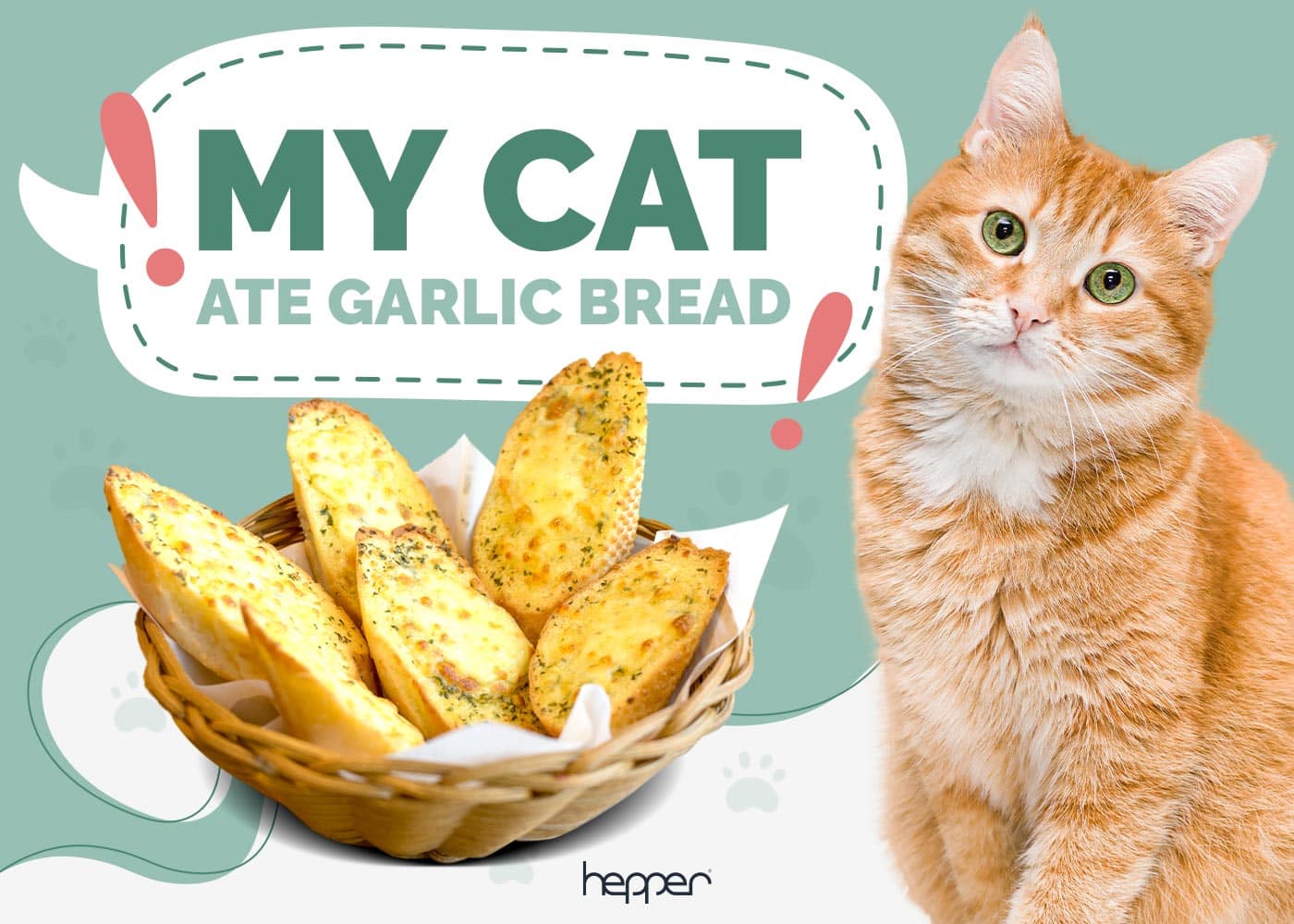
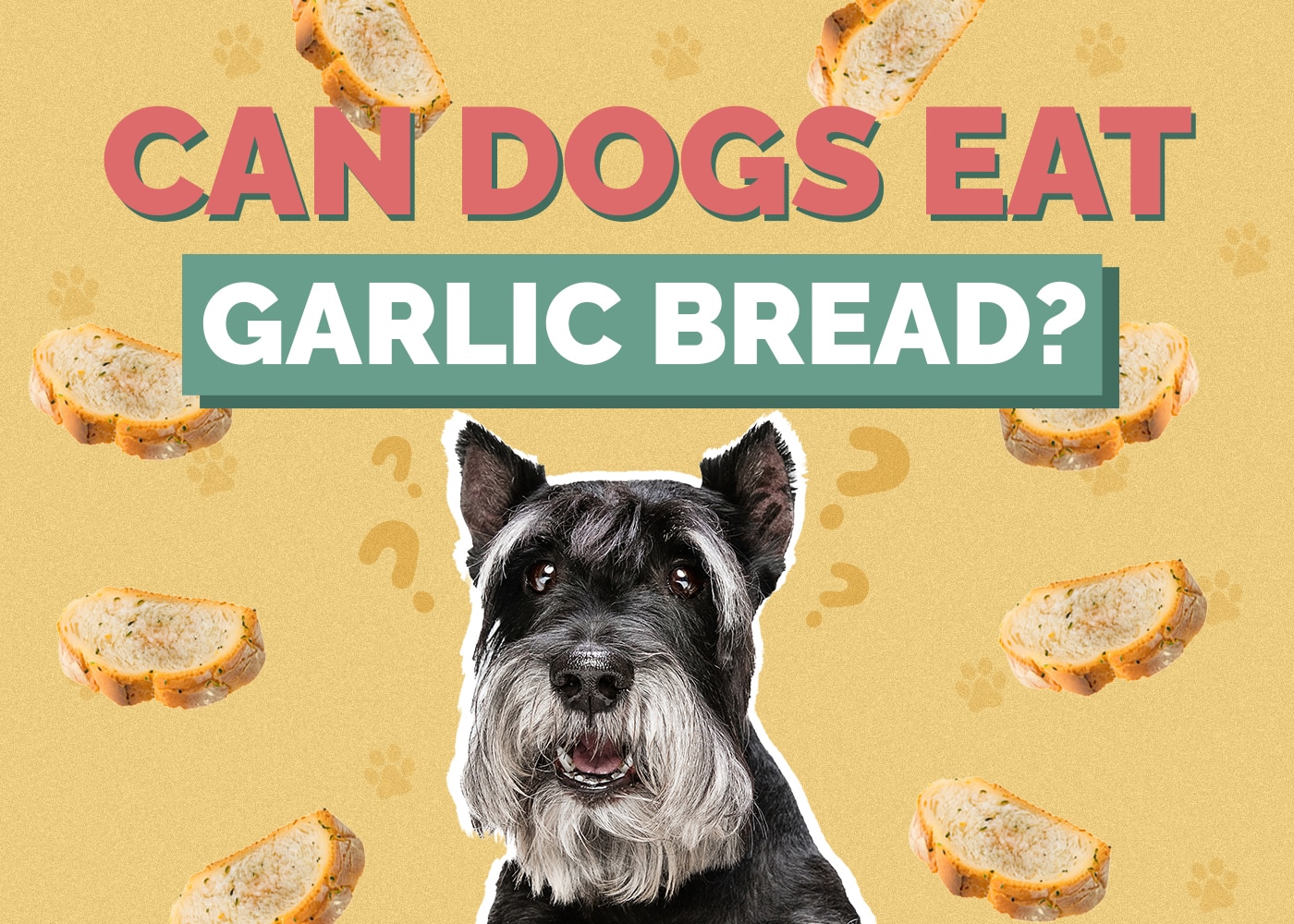
Garlic bread is a dinnertime favorite and a holiday tradition for many. It’s a tasty component that is easy to make and enjoy, so it’s no surprise that dogs will beg for it. That's right, everyone's favorite side dish can be dangerous to dogs. While garlic bread looks completely harmless and innocuous, garlic is toxic to dogs. Garlic bread is also made with butter, oil, and other herbs, which are also not healthy for dogs. Read on to help prevent garlic poisoning and what to do if your dog does consume it.

Can Dogs Eat Garlic Bread?
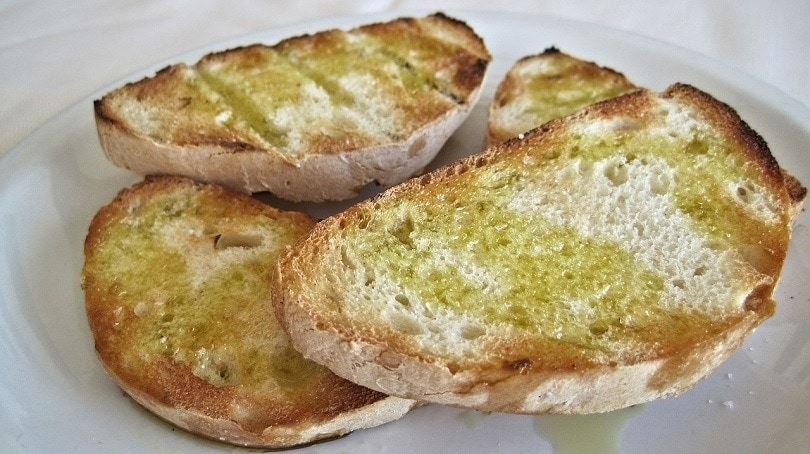
Dogs cannot safely eat garlic bread. Garlic, as well as onions, are part of the allium family, which contains thiosulfate. Although it's perfectly safe for humans, thiosulfate is very toxic to dogs because it damages the red blood cells. That damage can result in hemolytic anemia, a condition in which the red blood cells attack themselves. Severe cases of anemia from garlic poisoning need veterinary treatment immediately. Garlic can also cause gastrointestinal issues, discoloration of the urine, and diarrhea, all of which can last a few days after.
Is Garlic Bread Good for Dogs?
Garlic bread is not good for dogs and should not be fed to dogs, especially if there are other herbs on it as well. As we mentioned above, garlic and onions are toxic to dogs. However, garlic bread is also made with butter, which can cause severe gastrointestinal issues as well. Garlic bread is also made with bread, which can cause issues depending on the type of bread. White and wheat bread are generally safe, but bread with nuts, seeds, and herbs may not be safe. Raisin bread is extremely toxic for dogs as well.
You should never give your dog garlic bread, even in small amounts. Small dogs are especially prone to severe garlic poisoning, but bigger dogs can easily become sick from it as well. It’s best to find plain, unseasoned food that is safe for dogs to eat. Food items like plain chicken breast, plain steak, and eggs are all safe for your dog to eat, which are all healthier than garlic bread. If you’re worried about dinner guests feeding your dog, keep your dog away from the dinner table to remove the temptation.

Health Risks of Garlic Bread for Dogs
Garlic bread has a lot of health risks that can be fatal to your dog. Thiosulfate poisoning is a serious condition that needs veterinary treatment, with severe cases leading to death. Garlic bread is also made with fatty butter or oil and can lead to other complications, but the main concern is with the garlic and potential garlic poisoning.
Can Dogs Eat Raw Garlic?
Raw garlic contains thiosulfate, which is the chemical that causes toxicity in dogs. Thiosulfate is found not only in garlic, but in onions, shallots, leeks, and chives, which are all part of the allium family. Raw, cooked, or processed, all of these herbs should not be fed to your dog, since they can lead to serious complications. If your dog manages to steal a piece of uncooked garlic bread, take your dog to your vet immediately. Do not induce vomiting, as this can cause damage to the esophagus and stomach lining.
Can Dogs Have Cooked or Baked Garlic?
While some food can be safe for dogs when cooked, garlic bread and anything related to garlic are still toxic to dogs after being cooked or baked. Just like raw garlic, the thiosulfate is still present after processing and baking. This also applies to dried garlic, minced garlic, garlic powder, minced onions, and onion powder. Any food that contains garlic, onions, leeks, shallots, and chives should be avoided, regardless if they’re raw, baked, or dried.

What Should I Do if My Dog Eats Garlic Bread?
Garlic bread and any food containing items with thiosulfate can turn a nice dinner night into a full-blown emergency, so it’s important to keep it away from your dog. Even small doses of garlic can be harmful, so it’s crucial that you avoid it completely. If your dog ate a large piece of garlic bread, the signs can arise within a half hour.
However, dogs are smart and know how to beg. If your dog steals a piece of garlic bread or one of your guests gives your dog a piece, take your dog to your vet immediately.
Signs of Garlic Poisoning
If your dog is showing any of these signs, go to a vet hospital as soon as possible. While garlic poisoning can usually be treated with little to no long-term effects, ignoring these signs can lead to further complications. Although it’s rare and your dog would have to eat a large amount of garlic, garlic poisoning can lead to death.


How Long Does Garlic Poisoning Last?
While garlic poisoning signs can arise within a half-hour of consumption, it can take up to five days for your dog to fully recover. With veterinary treatment, your dog should start to feel better within 24 hours. Prognosis depends on your dog’s weight, the amount of garlic that was consumed, and how quickly treatment was started.
My Dog's Supplements Contain Garlic Powder. What Should I Do?
There is a debate on whether garlic is safe in small amounts, usually found in "all-natural" flea and tick supplements.
There is no clinical evidence that supports the myth about garlic being an effective flea and tick preventive. Topical flea and tick medications for both cats and dogs do not use garlic (or its extract) as an ingredient. To prevent garlic poisoning or any other medical concerns, do not start your dog on a new supplement without your vet’s opinion.

In Summary
Garlic bread may be a dinnertime favorite and a tasty side for most dishes, but it’s best to keep it on your plate and away from your dog. Garlic, onions, chives, and all herbs from the allium family contain thiosulfate, which is the chemical compound that leads to toxicity in dogs. It can cause serious complications if left untreated, so it’s important not to feed your dog anything with garlic in it. Should any signs arise that are of concern, you should go to an emergency hospital. If you want to feed your dog some tasty snacks, try food like unseasoned chicken, steak, lamb, eggs, and other dog-safe alternatives.
See Also:
Featured Image Credit: distelAPPArath, Pixabay
Get Hepper In Your Inbox


Pet care tips from our vets and experts, straight to your inbox.
You may opt-out at any time. View our Privacy Policy for more information.
Nicole is a lover of animals of all sizes but is especially fascinated with the feline variety. She’s the proud mom of Baby, a Burmese, and works every day so he can relax in the sunshine or by the fire. She’s always had a cat in her home and has spent countless days with others, observing behaviors and softening up even the grouchiest of the lot. Nicole wants to share her kitty expertise with you so you and your cat can live happy, healthy, and care-free.
Join the conversation
Ask a question, share your story, or send private feedback.