Hepper blog

Search our database of over 9,984 posts with up-to-date information from our experts and veterinarians.

Hepper is reader-supported. When you buy via links on our site, we may earn an affiliate commission at no cost to you. Learn more.

Can Dogs Eat Pinto Beans? Vet Reviewed Facts & FAQ

By Nicole Cosgrove · Reviewed & fact-checked by Dr. Paola CuevasVet Approved
Dr. Paola Cuevas
Reviewed & Fact-Checked byDr. Paola CuevasMVZ (Veterinarian)
Paola Cuevas is a veterinarian and animal behaviorist, with over 18 years of experience working with a variety of species. Her passion is animal welfare and focuses on the importance of preventive medicine. Paola has skills in the fields of nutrition, microscopy, clinical pathology, diagnostic imaging, and endoscopy as well as extensive experience in animal training through positive reinforcement. As our in-house veterinarian, Paola is very happy to share her knowledge and experience with our readers and hopes to be helpful with any issue presented by your non-human family members.View authorThe information is current and up-to-date in accordance with the latest veterinarian research. Read about our vets
Share
Ask us a question in the comments
Can Dogs Eat pinto-beans

Can your dog eat pinto beans? The short answer is yes! Pinto beans are a great source of protein for your pooch. They are also high in fiber and will aid in your dog’s digestion. But before you rush out to purchase bags of pinto beans for your pooch to feast on, there are a few things to take into consideration.

While pinto beans have definite health benefits for your dog, the key is moderation. Too much of a good thing can quickly become harmful, especially to animals. Remember that although feeding pinto beans to your dog is perfectly fine and even beneficial, pinto beans are not a part of their natural diet, so there are some things to be aware of.

What Are Pinto Beans?

Pinto beans are medium-sized beans with a brown, mottled exterior when raw. After they’ve been cooked, they are soft and creamy with a distinctive buttery flavor. They are often described as nuttier in flavor and tastier than most other beans, and they are an affordable and easy-to-prepare option to add to your pooch’s diet.

Health Benefits of Pinto Beans

Pintos are an extremely nutritious variety of bean, with several health benefits. They are also completely non-toxic and have a host of beneficial vitamins and nutrients.

Key benefits include:

  • Protein is an essential component of your dog’s diet, as it contributes to the overall health of their coat and skin, and muscle development, and it provides them with abundant energy. Pintos contain around 15 grams of protein per cup.
  • Pintos contain 15 grams of fiber per cup, and fiber is an essential aid in digestion, promotes heart health, and gives your pooch a healthy gut.
  • Pintos are low in cholesterol and fat, making them ideal for dogs with weight issues, and they may help prevent cardiovascular disease.
  • Pinto beans are rich in antioxidants, which will help slow the aging process and boost your dog’s immune system.
  • Pinto beans are inexpensive and easy to prepare, making them a cheap and convenient addition to your dog’s diet.

Keep in mind that these health benefits come from whole, home-cooked pinto beans. Canned pinto beans can often contain added preservatives, salt, and even sugar, which can be harmful to your dog’s health. If canned beans are all you have access to, giving them a thorough rinse with drinking water will help reduce the added ingredients.
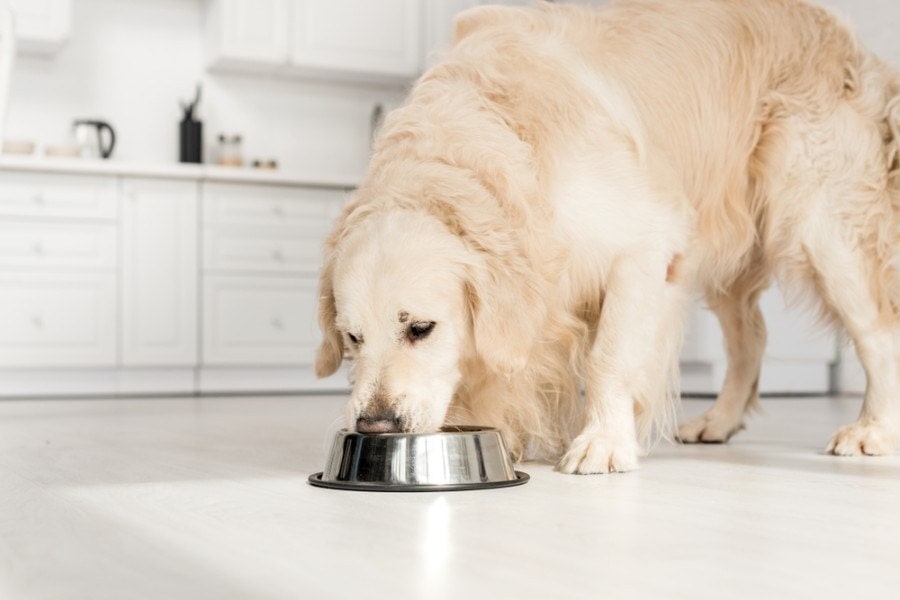
dog eating
Credit: LightField Studios, Shutterstock

Health Concerns of Pinto Beans

While pinto beans are non-toxic and are perfectly fine to give your pooch, there are a few concerns to be aware of. Firstly, moderation is key, and feeding them too much can become a problem.

Health issues to take into consideration include:

  • Most beans and legumes, including pintos, are notorious for causing gas and bloating when eaten in excess. This is because their skins contain unabsorbed short-chain carbohydrates like galacto-oligosaccharides and fructans. These sugars are poorly absorbed in the digestive system, and your pooch’s gut bacteria quickly attempt to take care of them via fermentation. This results in gas and bloating which can sometimes be painful for your dog.
  • While it may seem counterintuitive, excess fiber can cause constipation in your pooch. Fibrous bulk in your dog’s digestive system attracts water, and if they are not adequately hydrated, this can cause compaction and constipation.

Almost all the health concerns with eating pinto beans can largely be mitigated by not feeding them to your dog in excess and by thoroughly cooking them first. Soaking them in hot water before cooking and then discarding the excess water will also help reduce these issues. You should never give your dog raw pinto beans or any other raw beans, for that matter.

Raw beans contain lectins that can be harmful to your pooch. While pinto beans are a great source of protein, they should not be the only source of protein your dog has access to.

Preparing Pinto Beans

Now that you know pinto beans are not only safe for your dog but also have a host of benefits, you may be wondering the best way to add them to your dog’s diet. We recommend no more than a couple of tablespoons every few days, depending on your dog’s size. A good rough guide is around 5–10% of their weekly food intake. Any more than this may start causing complications.

If you wish to add pintos to your dog’s diet, simply mix the beans with their existing dry or wet food a few times a week, giving them small amounts at first. Your dog may not enjoy or tolerate them well, so starting slow will give you a good indication of any potential reactions. These beans need to be thoroughly rinsed and cooked before serving, and they will usually take around 2–3 hours to cook through completely. You can dramatically speed up the cooking process by soaking the beans overnight. Soaking the beans also helps get rid of the oligosaccharides, making them easier for your pup to digest.

Please remember that when preparing beans for your dog, you should boil them without excess salts or other toxic ingredients, such as onion or garlic.
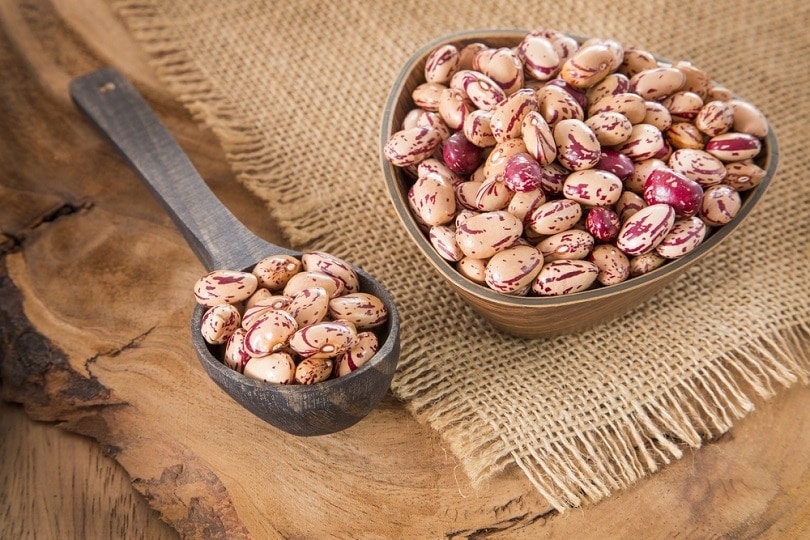
Pinto beans on wood bowl
Image Credit: Luis Echeverri Urrea, Shutterstock

Other Beneficial Beans

If your dog enjoys and tolerates pinto beans, you might consider other beans that are also beneficial to your pooch. As always, these should all be thoroughly rinsed and cooked before serving.

  • Black beans
  • Kidney beans
  • Soybeans
  • Green beans
  • Butter beans
  • Lima beans

Conclusion

Not only are pinto beans perfectly safe for dogs to eat, but they can provide your pooch with a host of nutritional benefits too. They contain high amounts of protein and fiber, essential components to your dog’s healthy and balanced diet. They also have several minerals and vitamins that are beneficial to your dog’s diet. They are easy and quick to prepare and are an inexpensive addition to your dog’s food.

As long as the beans are properly cleaned, soaked, and cooked, the only downside to pinto beans is when they are given in excess. This can result in gas, bloating, and even diarrhea, but given in moderation, they will be perfectly fine for your dog’s digestion.

To conclude, yes, your dog can eat pinto beans, and they will make a nutritious and inexpensive addition to your dog’s regular diet!

See Also:

Sources

Get Hepper In Your Inbox

Pet care tips from our vets and experts, straight to your inbox.

List

Select all that apply.

You may opt-out at any time. View our Privacy Policy for more information.

Nicole Cosgrove
Authored by

Nicole Cosgrove

Join the conversation

Ask a question, share your story, or send private feedback.
Rate this post
Required to post. Only our editors see your rating.
Who should see this?

A human reviews every comment before it appears. Your email is never published.

Picked to go with this article

Can Dogs Eat Beans? Nutrition Facts & Safety Guide

Can Dogs Eat Beans? Nutrition Facts & Safety Guide

Beans, beans, they’re good for the heart. The more you eat them, the more you… We’ll stop ourselves right there. However, many dog owners wonder if this nutrit…

Nicole Cosgrove
By Nicole Cosgrove ·
Can Dogs Eat Chickpeas? Vet-Reviewed Info on Garbanzo Beans, Hummus & More

Can Dogs Eat Chickpeas? Vet-Reviewed Info on Garbanzo Beans, Hummus & More

Chickpeas are a fiber-rich source of protein that are part of the legume family. They are popular in Indian, Moroccan, and other cuisines. Chickpeas can be saf…

Nicole Cosgrove
By Nicole Cosgrove ·
Can Dogs Eat Kidney Beans? Vet-Reviewed Nutrition Facts & Safety Guide

Can Dogs Eat Kidney Beans? Vet-Reviewed Nutrition Facts & Safety Guide

You may be wondering if kidney beans are safe for your dog to eat. Perhaps you bought kidney beans and as you were preparing them for dinner, you thought about…

Nicole Cosgrove
By Nicole Cosgrove ·
Can Dogs Eat Black Beans? Vet-Verified Nutrition Facts

Can Dogs Eat Black Beans? Vet-Verified Nutrition Facts

Also known as turtle beans or caviar criollo, black beans are a type of legume. They have a similar shape to kidney beans, although less pronounced, and they a…

Nicole Cosgrove
By Nicole Cosgrove ·

Keep reading

More stories you might like

Can Dogs Eat Lupini Beans? Vet-Approved Facts & FAQ

Feeding our beloved dogs a few extra treats is something most pet parents enjoy, and your dog usually appreciates this gesture too! If you are a fan of eating…

Annaliese Morgan
By Annaliese Morgan ·
Can Dogs Eat Lupini Beans? Vet-Approved Facts & FAQ

Can Dogs Eat Soybeans? Vet Approved Advice

Soybeans are a popular ingredient in many dishes and are commonly eaten by vegetarians and vegans. Soybeans are high in fiber, cholesterol-free, and contain an…

Keri-Beth Clur
By Keri-Beth Clur ·
Can Dogs Eat Soybeans? Vet Approved Advice

Can Dogs Eat Potatoes? Are Potatoes Safe for Dogs? Vet-Verified Facts

Potatoes are a staple food for many households, thanks in part to their affordability and diversity. Potatoes can be baked, fried, mashed, and stewed. And they…

Nicole Cosgrove
By Nicole Cosgrove ·
Can Dogs Eat Potatoes? Are Potatoes Safe for Dogs? Vet-Verified Facts

Can Dogs Eat Purple Sweet Potatoes? Vet Approved Nutrition Advice

This is one of those times where the health benefits of a food are the same for dogs and humans. So, yes, your dog can enjoy plain purple sweet potatoes. They…

Kerry-Ann Kerr
By Kerry-Ann Kerr ·
Can Dogs Eat Purple Sweet Potatoes? Vet Approved Nutrition Advice

Can Dogs Eat Ground Beef? Vet-Approved Health Facts & FAQ

Feeding your dog is one of your most important tasks as a pet parent. Dogs, like humans, need the proper diet with the correct levels of fats, carbohydrates, a…

Gregory Iacono
By Gregory Iacono ·
Can Dogs Eat Ground Beef? Vet-Approved Health Facts & FAQ

Can Dogs Eat Bean Sprouts? Vet-Reviewed Benefits

Bean sprouts are growing in popularity every year. Whether you grow them or pick them up from the store, you might want to share them with your neighbors or yo…

Chelsea Mortensen
By Chelsea Mortensen ·
Can Dogs Eat Bean Sprouts? Vet-Reviewed Benefits

Can Dogs Eat Eggplant? Vet-Reviewed Facts & Safety Guide

Our omnivorous canines can have all sorts of fruits and vegetables. You can toss your dog a carrot or give your dog a piece of kale. After all, these are prett…

Ashley Bates
By Ashley Bates ·
Can Dogs Eat Eggplant? Vet-Reviewed Facts & Safety Guide

Can Dogs Eat Sweet Potatoes? Vet-Reviewed Facts & FAQ

The short answer is yes—you can serve your dog some sweet potatoes, as whole fresh food diets are normally considered healthier options. However, you have to b…

Nicole Cosgrove
By Nicole Cosgrove ·
Can Dogs Eat Sweet Potatoes? Vet-Reviewed Facts & FAQ