


In movies, dogs always chase the mailman. If you are thinking about getting a dog, you may be wondering if the movie’s portrayal matches reality or if it is nothing more than a myth.
As most dog owners will tell you, their dogs love to bark at the mailman, whether out of fear, excitement, territorial behavior, frustration, or the desire for tasty treats. Luckily, you don’t have to take your dog barking at the mailman lying down. You can discourage this behavior, but you first have to separate the myths from reality.
In this article, we will help you do just that. We’ll look at why dogs may react strongly to the mailman, as well as discuss some common myths that prevent dog owners from understanding and managing their dog and the mailman have a much more respectful and quiet relationship.

Why Do Dogs Hate Mailmen?
First things first, do dogs hate the mailman? The trope that all dogs go crazy when the mailman delivers the daily mail is something that just about everyone knows. The movies make it seem like dogs almost have an instinct that can detect when the mailman approaches the house.
If you own a talkative pooch, you likely know that dogs bark when they see the mailman. may bark at approaching people because they are alert to movement, unfamiliar activity, noises, excitement, or someone entering their perceived territory. Even though the mailman does not come into the home, they get close enough that may trigger alert barking or excitement in some dogs. As a result, your dog goes crazy; they may bark, pace, jump, or become highly aroused.
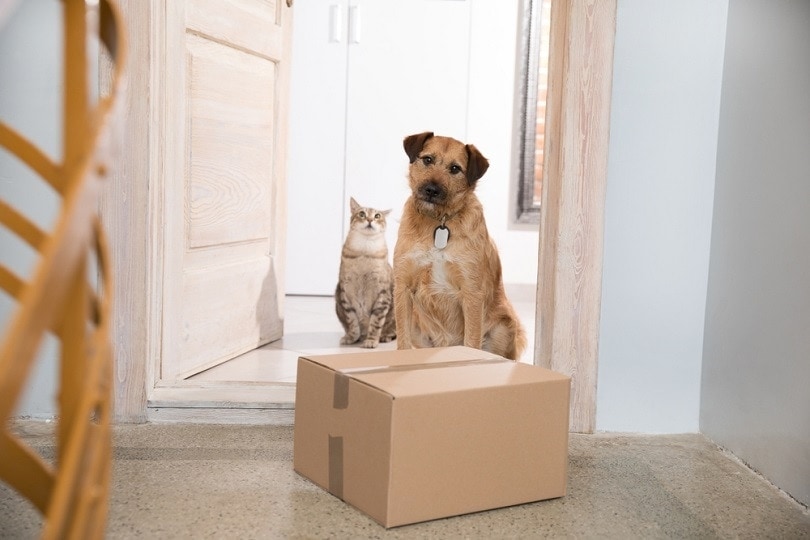
If you think your dog gets progressively louder every time the mailman comes to the door, you are probably right. For some dogs, the repeated arrival and departure of the mail carrier can unintentionally reinforce barking behavior. Your dog may learn that barking occurs right before the person leaves, even though the barking is not actually causing the mail carrier to go away.
At the same time, not all dogs hate the mailman. Some peer out the window every time the mailman comes up with their tails wagging, and they rarely bark.
Some dogs may be barking because they are excited to see the mailman. If your dog associates the mailman with potential treats or toys, which some dogs think the mail is, they may bark out of excitement, not fear or frustration.

Myths vs Reality: Dogs and Mailmen
Now that we’ve looked at the basics of the messy relationship between dogs and the mailman, we’ll examine the myths and realities about it.
All Dogs Hate the Mailman: Myth
As we learned above, it is a myth that all dogs hate the mailman. Some dogs have no problem with the mailman and simply look out the window. Several dogs get excited when they meet the mailman. This is especially true of dogs who love people and have been introduced to the mailman one-on-one. Once the dog knows the mailman, they no longer view them as an intruder.
It’s important to note that even when the dog becomes comfortable with the mailman, that does not mean they will stop barking. Some dogs bark out of excitement. If that is your dog, they may continue to bark whenever they see their postal friend walking up to the door.
Additionally, some dogs bark for attention. If you give your dog a treat every time they stop barking on command, they may learn to repeat the behavior because it results in attention or rewards. Some trainers also teach dogs to bark on cue and then pair it with a “quiet” cue, which can help place barking under stimulus control. Over time, some dogs begin offering the barking behavior less frequently because they learn that barking only results in rewards when it happens after a specific cue.
Mailmen Have an Increased Risk of Dog Bites: True
Unfortunately, this is true. Delivery people are at much higher risk of being bitten by a dog on the job. Thousands of postal workers are bitten or attacked by homeowners’ otherwise lovable pups.
Dogs Recognize Your Mailman: True
Dogs are incredibly smart, and they can recognize familiar people through visual cues, scent, routines, and repeated interactions. As a result, your dog probably recognizes your mailman. Whenever a different postal worker delivers your mail, your dog may even respond differently because they recognize that it is not the same worker.
To many people, it seems backward that a dog hates the mailman, even when they recognize the repeat visitor. As we mentioned above, the fact that the mailman repeatedly comes may be why dogs bark so much. For some dogs, the mail carrier’s arrival and departure can unintentionally reinforce barking behavior. Because the person leaves shortly after the barking occurs, the dog may associate barking with the mail carrier going away, even though the barking is not actually causing the person to leave.
Dogs Only Bark at Mailmen: Myth
This is a myth. Although the trope that dogs bark at the mailman is so prevalent, dogs will bark at just about anyone who comes to your house. The mailman is just a trope since everyone has a mail delivery service, and dogs routinely love barking at them.
Dogs often bark at unfamiliar people, movement, noises, or activity near the home. Because you are part of their social group, dogs want to let you know that someone new is approaching.
It doesn’t matter if that new person is the mailman, someone walking on the street, or a Door Dasher. Your dog may view them all as a potential threat and act accordingly.
There Are Different Types of Barks: True
Believe it or not, there are many types of barks, and not all dogs bark at the mailman for the same reason. Most commonly, dogs use an alert bark whenever someone approaches the home or property. This includes the mailman or anyone else they perceive as unfamiliar, exciting, or potentially concerning.
Because alert barking is a natural canine behavior, you cannot always completely eliminate this behavior. Most people would not want to anyway, since it is helpful at night or if there is an actual intruder. However, you can teach your dog to listen to your voice commands. For example, you can teach them to stop barking whenever you say “Quiet.”
Another type of bark is fear barking. If your dog acts aggressively toward the mailman, they are possibly barking out of fear. A fearful dog is more likely to react defensively if they feel cornered or overwhelmed. Unfortunately, it can be challenging to tackle fearful barking since dogs are often highly aroused or stressed at the time. Giving them treats when they calm down after a fearful situation can help create a more positive association with future situations.
Attention-seeking barking occurs when they bark just because they want attention. This type of barking is common where the mailman is concerned. If the dog likes the mailman, they may be barking to get their attention. You can help reduce this behavior by avoiding reinforcement of excessive barking and rewarding calm behavior instead.
Finally, the last type of barking is boredom barking. Dogs may bark out of boredom at the mailman if they want the mailman to come in and play with them. Dogs that don’t get much outdoor time or playtime are more likely to bark in this manner.
The great thing about the last two types of barking, where the mailman is concerned, is that they will typically stop barking as soon as the mailman leaves. Plus, they are not necessarily barking out of fear or aggression, meaning they may be less likely to worry about your dog lashing out.
You Can’t Do Anything About Your Dog’s Hatred of the Mailman: Myth
Many movies make it seem like dogs have an innate hatred for the mailman that you can’t do anything about. This is not true at all. Dogs are easier to train than most pets, and you can teach them to remain calmer around the mail carrier, though it may take some work with certain pups.
Most notably, try to introduce your dog to the mailman as early as possible. You might want to do this through a screened door where the worker is not at risk of being bitten. If your dog is showing signs of fear, stress, or overstimulation, do not let the postal worker near the dog because fearful or highly stressed dogs may react defensively.
You can also place a treat in or beside your mailbox every day for the mailman to slide in with your mail. If you do this, your dog will begin associating the mail carrier with positive experiences. On the contrary, your dog may become excited to see the mailman and may continue to bark at them purely out of excitement.
Finally, you can teach your dog how to respond to voice commands when you want them to stop barking. This is a great idea, even if your dog does not bark at the mailman. However, you will likely find it helpful if your dog barks out of boredom, excitement, or attention every time the mailman delivers your mail. Teaching a reliable “quiet” cue can help your dog learn when it’s time to settle down.

Final Thoughts: Why Don’t Dogs Like Mailmen
As corny as it may sound, the trope that dogs hate the mailman is pretty true. Dogs are on high alert whenever a new person, such as the mailman, enters or approaches your property. Still, not all dogs bark out of fear or frustration. Some may bark out of excitement, boredom, or due to other factors not associated with fear or aggression.
If your dog reacts strongly to the mailman, you can encourage them to change their response over time. For example, you can teach them voice commands, introduce your dog to the mailman, or supply your mailman with treats. These simple tips can help your dog feel more comfortable around the mailman and bark less whenever they come around.
If only teaching a dog not to go after the neighbor’s cat were this easy!
Related Reads:
- Dog Sleeps with Eyes Open: Is This a Problem?
- Is Peppermint Oil Safe for Dogs?
- Can Dogs Get Frostbite?
Featured Image Credit: WilleeCole Photography, Shutterstock
 Why Do Dogs Hate Mailmen?