Hepper is reader-supported. When you buy via links on our site, we may earn an affiliate commission at no cost to you. Learn more.
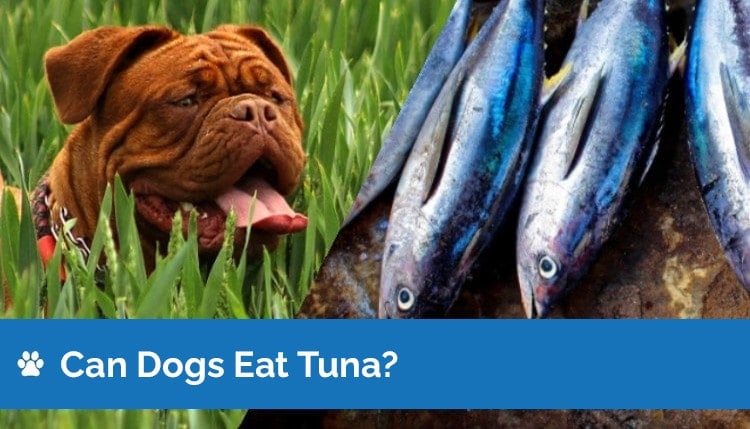
Can Dogs Eat Tuna? Vet-Reviewed Facts & Safety Guide


In this article
Most fish is extremely healthy for both you and your pup, so you may be tempted to share a bite of tuna with your dog the next time that you open a can. However, have you ever stopped to wonder if tuna is actually safe to feed to dogs?
It’s a tricky one! There are no official safety recommendations or guidelines on how much tuna may be safe or appropriate for a dog to eat, so we would recommend speaking to your vet, to be on the safe side.
Tuna should be avoided as a regular part of a dog’s diet due to several health concerns. There are many safer and equally, if not more, nutritious fish options for your pooch. Tuna is high in mercury, which is toxic to dogs over time and is one of the main reasons your dog should steer clear of it. On the other hand, an occasional treat of light canned tuna in springwater is unlikely to harm your pooch.
Below, we go over what you need to know about the safety of tuna for dogs and why it’s best avoided, alongside important precautionary tips if you do decide to offer it as an occasional treat.

Why Is Tuna Not Safe for Dogs?
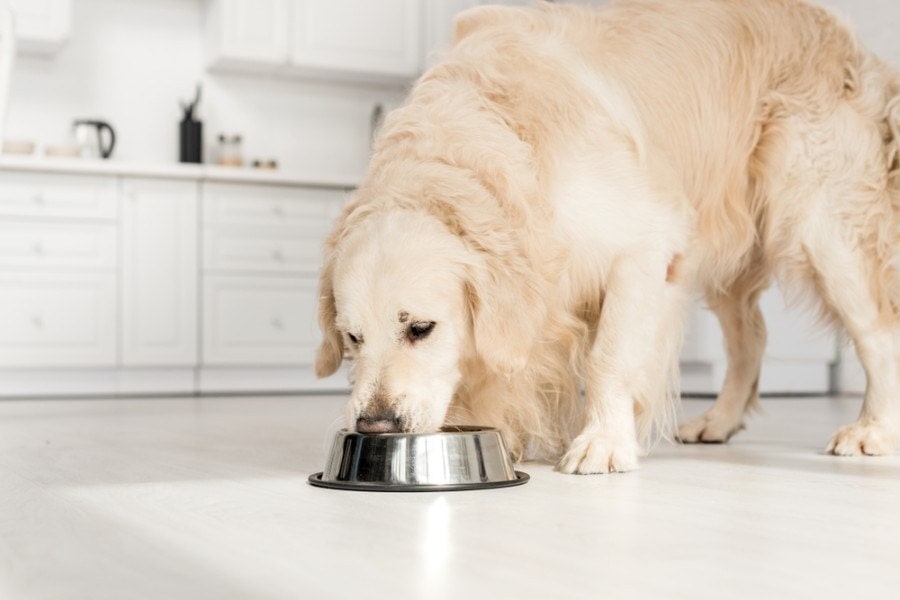
There is nothing that originates in tuna meat itself that’s toxic to dogs. Most pooches love the taste, and it has a variety of important nutrients.
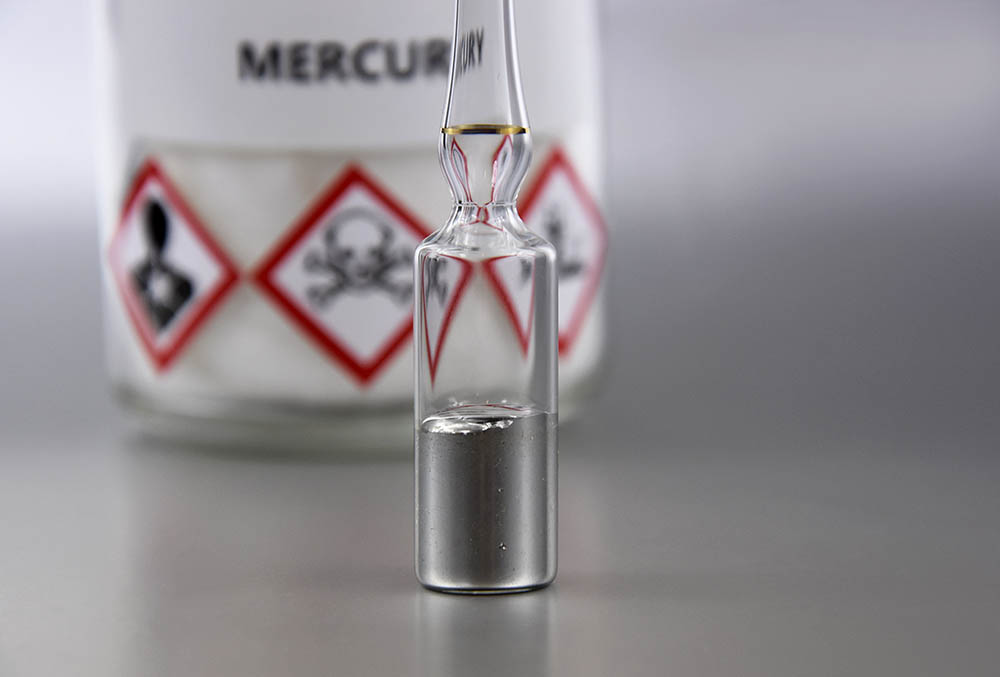
However, tuna also tends to be full of something that’s not quite as nutritious, and is actually quite harmful: mercury.
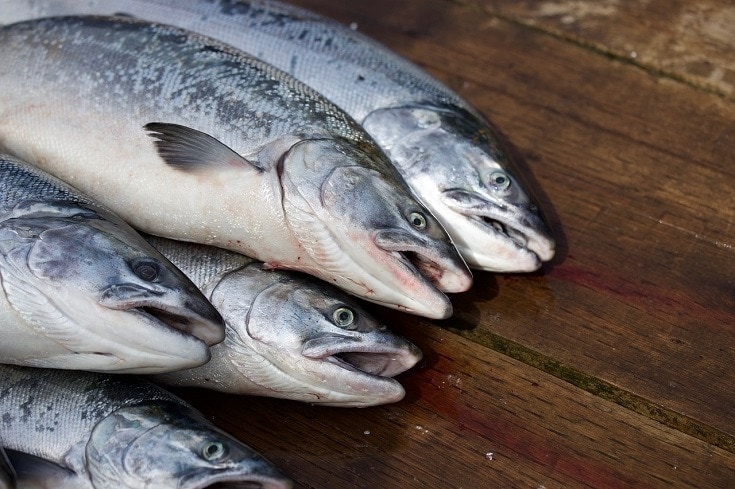
Fresh tuna has high levels of mercury when compared to many other commercially sold fish.1 This heavy metal is bad for people, as well as dogs, but since most dogs are quite a bit smaller than their owners, it has a more pronounced effect on them.
Dogs usually get chronic signs of mercury poisoning from ingesting small amounts over time, commonly from foods that contain high levels of mercury, such as tuna fish. Puppies and young dogs are particularly at risk due to their developing nervous system.
If your dog consumes enough mercury over time, they can suffer from a variety of ailments, including:
In extreme cases, death can even result. This is why many experts recommend avoiding tuna if you want to feed fish to your dog; it’s not the tuna itself that’s the problem, but that won’t matter much if your dog comes down with mercury poisoning.
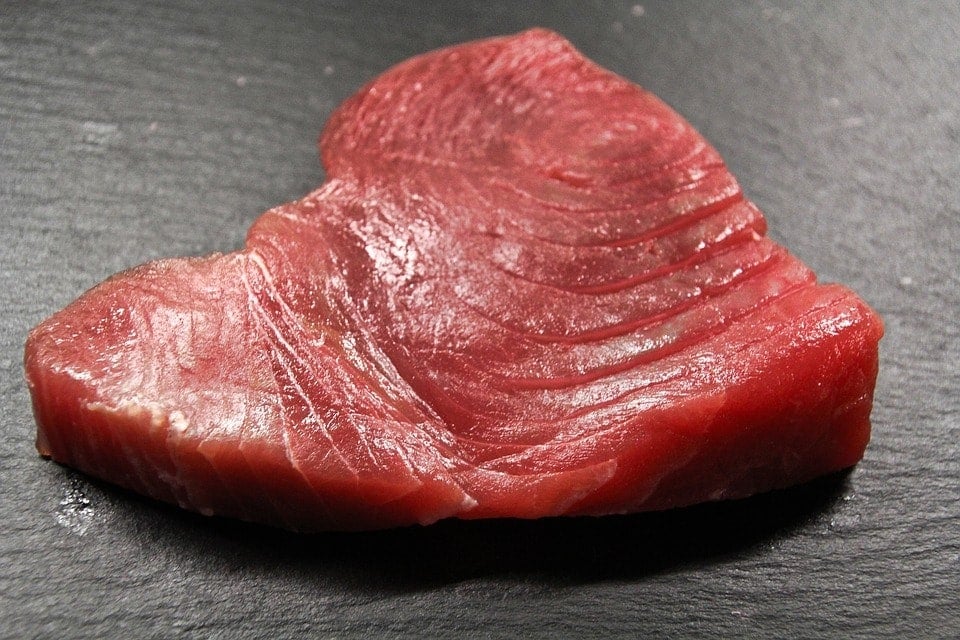
How Much Tuna Is Safe for My Dog?
This is difficult to answer, as it depends on the size of your dog and the amount of mercury in the tuna. The latter question is almost impossible to pin down, as mercury levels will vary from fish to fish. If you give your adult healthy dog a small piece of cooked tuna now and then, and do so sparingly, it’s likely to be safe. But feeding tuna in larger portions or more regularly is just not a good idea based on all the presented evidence and facts.
Generally speaking, if your pooch snatches a small piece of tuna off the floor before you manage to pick it up, they will be just fine, but you shouldn’t make it a part of their regular diet, nor use it as a frequent snack. You should definitely avoid it altogether if you have a small breed dog.
Another concern involved in feeding your dog tuna can sometimes be the presence of fish bones or various additives, such as oil and brine, when it comes to canned tuna. Dogs can choke on fish bones, so if you do decide to give your dog a small amount of tuna, knowing and accepting all the risks we discussed, make sure all bones have been removed before serving. Smaller portions are also less likely to have dangerous bones inside, which is another reason to limit your dog’s intake. Please consult your vet before offering your dog tuna, and if you decide to give it, do so sparingly and infrequently.
Oils and salty brine are also inappropriate for your dog to eat and may lead to an upset stomach. The amount of salt varies and may be excessive, particularly for small dogs. The amount of sodium that will lead to signs of salt toxicosis in dogs is around 2-3 grams per kilogram of bodyweight, or less if there is no access to fresh water. If you are worried about your dog ingesting too much salt, contact your veterinarian for advice.

In general, there is controversy and debate in the veterinary world about using tuna as a source of protein in pet food due to the harmful mercury content, but the concentrations of methylmercury present in commercial dog food is generally considered to be too low to pose a risk to healthy adult dogs according to researchers from University of California. We will update our guidance as soon as new data becomes available, but for now, we believe it is best to play it safe and consult with your vet. Tuna should be avoided, particularly in small dogs, puppies, and growing dogs, due to a higher predisposition for mercury poisoning. Very rarely giving a small piece of cooked tuna meat, without any additives, is unlikely to cause concern.

Are There Any Health Benefits to Feeding Your Dog Tuna?
Like most fish, tuna is absolutely loaded with omega fatty acids. These powerful antioxidants are claimed to perform all sorts of wonderful functions in your dog’s body, from boosting their immune response to ensuring that their brains and eyes develop properly. To date, the most compelling evidence shows alleviation of some of the signs associated with arthritis. Many other potential benefits are extrapolated from human medicine and need further research. Excess of fatty acids, even polyunsaturated ‘healthy’ ones like omega-3, may also lead to adverse effects in some dogs and should be used only after consulting with your vet. Some of these signs may involve a stomach upset, blood clotting abnormalities, delayed wound healing, and immune dysfunction.
Tuna is also high in lean protein, so it’s a great way to help your dog maintain muscle without packing on extra pounds. Few dogs are allergic to it, which gives it a leg up on other protein sources like chicken or beef.
However, there’s nothing special about tuna itself that you can’t get from other fish. It’s hard to justify feeding your dog something that may expose them to harmful mercury when they could get all the benefits from other fish.
Does It Matter How the Tuna Is Prepared?
No, there’s no way to cook all the mercury out of tuna.
However, if you’re going to serve your dog a small amount of cooked tuna, make sure you take all the bones out of it first. Tuna steaks can be considered for this reason, but of course, you never want to give your dog anything as large as a whole steak. A small piece of meat is more than enough for an occasional snack.
Also, be wary of what kinds of spices and additives you use when cooking it. Most of these seasonings can upset your dog’s stomach, and they’re completely unnecessary from the dog’s perspective. Your pooch will surely tell you that meat needs no decoration.
Canned tuna is often stored in oil, as already mentioned, so that’s something else to consider. The oil may add even more omega fatty acids, but it will also increase the calorie levels, making the meat more fattening. Excessive fat may lead to an upset stomach, and there is some debate that fatty foods may predispose some dogs to pancreatitis. This is an inflammation of the pancreas that requires veterinary treatment and can sometimes even be severe and life-threatening. Most canned tuna includes additives that aren’t healthy for dogs.
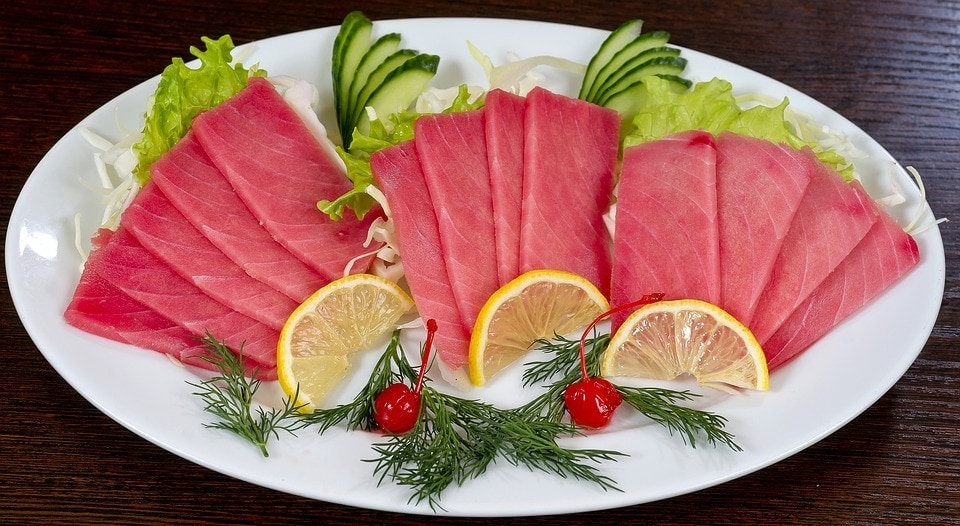
Never offer your dog raw fish. More often than not, they contain bacteria and parasites that can make them very ill.

What’s the Verdict? Is Tuna Safe for Dogs?
In the strictest sense of the word, yes, tuna may be safe for dogs, but unfortunately it comes with a high amount of mercury. The fish itself is full of protein and omega fatty acids, giving your dog a ton of important nutrients.
However, there’s also mercury inside the tuna that can be quite dangerous for your dog. The more your dog eats, the more danger they’ll be in, so it’s best to speak to your vet and limit their tuna consumption as much as possible, or avoid it altogether.
At the end of the day, while tuna offers a variety of health benefits for dogs, it’s hard to justify serving it to your pooch when there are so many safer and better options out there.
See Also:
Sources
Featured Image Credit: Pixabay
Get Hepper In Your Inbox


Pet care tips from our vets and experts, straight to your inbox.
You may opt-out at any time. View our Privacy Policy for more information.
Quincy never intended to be a cat person. He grew up around dogs, and when his wife brought home a kitten one day, he told her she had one week to find it a new home. That week turned into 10 years (his wife moves very slowly), and that kitten turned into three (they got two more, the kitten didn't self-replicate). After a decade of sharing his home with three cats, one horrifying realization finally set in: oh God, he's a cat person now, isn't he???
Join the conversation
Ask a question, share your story, or send private feedback.