Hepper is reader-supported. When you buy via links on our site, we may earn an affiliate commission at no cost to you. Learn more.
Can Dogs Eat Sesame Oil? Vet-Approved Health Facts



In this article
Sesame oil is a staple in many Asian dishes and is considered one of the earliest plant oils cultivated by people. It has a distinct flavor profile that makes it excellent in some meals, but have you ever wondered if it’s healthy? We always hear about how healthy some oils are, like olive oil and nut oils, but is sesame oil healthy? If so, is it good to start giving your dog a little sesame oil to help keep them healthy? In short, yes small amounts of sesame oil are safe for dogs. Here’s what you should know.

Can Dogs Eat Sesame Oil?
Yes, sesame oil and sesame seeds are safe for dogs in small quantities. Sesame oil has shown some health benefits for humans and may also have some health benefits for dogs. Widespread studies have not been performed on sesame oil’s benefits for dogs, so it’s best to check with your vet before offering any sesame oil to your dog.
Is Sesame Oil Healthy?
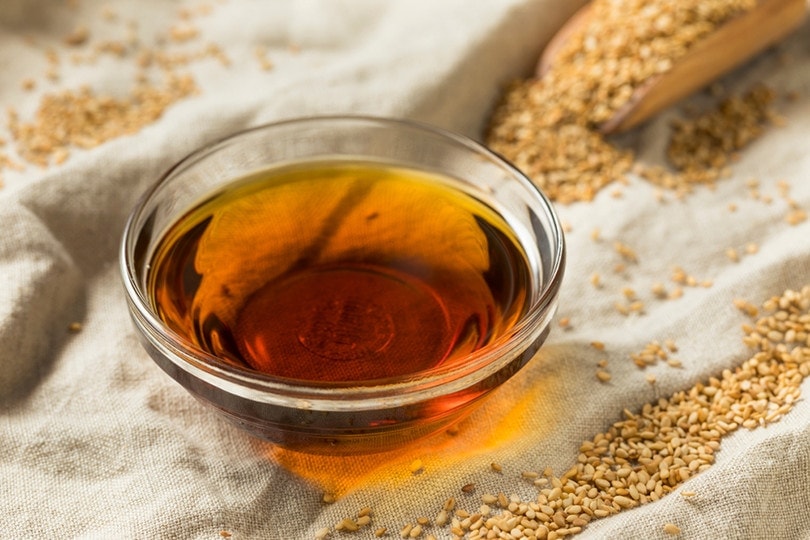
Yes, sesame oil is a healthy oil. It’s a good source of antioxidants, especially phytosterols and vitamin E. Phytosterols have shown the ability to help lower people’s cholesterol, but it’s unclear how effective the oil is for treating canines.
Sesame oil is primarily made of unsaturated fats, which tend to be healthier than saturated fats. The fats in sesame oil support heart health and help reduce inflammation, which may benefit dogs with certain inflammatory disorders.
Studies on the health benefits of sesame oil in humans and dogs are minimal, so it’s important to remember that many of these benefits are presumed and not proven. It’s also important to keep in mind that sesame oil is a straight oil, so it is high in fat and calories. Over time, excess calories can lead to weight gain in dogs, while fatty foods can lead to pancreatitis.
How Much Sesame Oil Should I Feed My Dog?
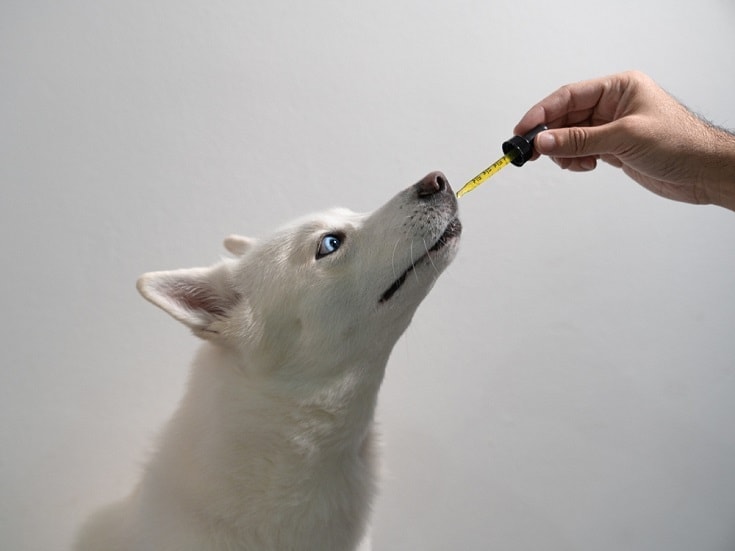
Before feeding your dog sesame oil, you should check with your vet first. Some oils can be added to a dog’s food, but careful measurements to prevent stomach upset are necessary. Your vet can advise on the proper dosage and explain which oils are best for your dog’s health.
If your dog consumes a little sesame oil, there is no toxic risk, so you shouldn’t be overly concerned. However, stop serving the oil and take your dog to the veterinary clinic if you observe excessive vomiting, abdominal pain and tenderness, lethargy, lack of appetite, and fever. Sesame seeds are also safe for dogs, but they can lead to stomach upset in large quantities due to their high fiber content. Even though sesame oil is safe for your dog, you shouldn’t go out of your way to serve it without veterinary guidance.
In Conclusion
Sesame oil is safe for dogs in small amounts and has some potential health benefits. However, it can also lead to stomach upset in higher doses, so it’s important to talk to your dog’s vet before introducing this oil into your dog’s diet. If your dog gets into sesame oil, there is low risk to their health. It may cause stomach upset, so be prepared for your dog to need a few emergency potty runs.
Sources
Featured Image Credit: Halil ibrahim mescioglu, Shutterstock
Get Hepper In Your Inbox


Pet care tips from our vets and experts, straight to your inbox.
You may opt-out at any time. View our Privacy Policy for more information.
After nine years as a veterinary assistant, Brooke Billingsley transitioned to a career as a nurse in 2013. She lives in Arkansas with her boyfriend, sharing their home with three dogs, two cats, five fish, and two snails. A dedicated animal lover, Brooke has a special place in her heart for special needs pets, including a three-legged senior dog and a famous cat with acromegaly and cerebellar hypoplasia. Fish keeping is one of her hobbies, and she is constantly improving her knowledge to care for her aquarium pets. Brooke is an active yoga enthusiast, having obtained her 200-hour yoga teacher certification in 2020. She believes in the importance of continuous learning and dedicates time each day to developing new skills and expanding her knowledge.
Join the conversation
Ask a question, share your story, or send private feedback.