Hepper is reader-supported. When you buy via links on our site, we may earn an affiliate commission at no cost to you. Learn more.
Can Dogs Eat Sesame Seeds? Vet Approved Nutrition Facts & Safety Guide



In this article
Sesame seeds are commonly found on bagels and hamburger buns, as well as in certain Chinese dishes. Since they pack a nutritional wallop for people, you can also find them in salads, yogurt, and even smoothies. Many dogs are known to scarf down their owners’ food when they are not looking, so you might be concerned about ingredients like sesame seeds.
Sesame seeds are safe for dogs to eat, and will often pass through with no ill effects. However, dogs should only consume sesame seeds in moderation.
In this article, we explore sesame seeds and how safe it is to feed them to your dog.

A Little About Sesame Seeds
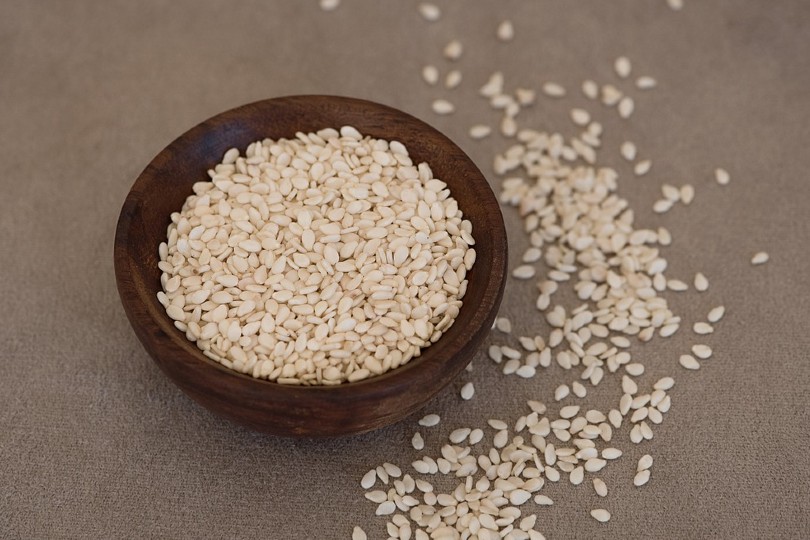
Sesame seeds likely originated in Africa and/or Asia. They grow in green pods of the Sesamum indicum plant. There are roughly 80 sesame seeds in each pod, which sounds like a large number, but they are quite tiny. Sesame seeds can be roasted and eaten in a variety of dishes. Sesame oil is quite popular in Japanese, Chinese, and Middle Eastern dishes.
Sesame seeds are high in B vitamins, antioxidants, fiber, and protein. They are known to help with inflammation and high cholesterol and contribute to bone health. However, for all these health benefits, you have to consume a large number of sesame seeds to see any of these positive effects.
Should You Give Sesame Seeds to Your Dog?
It’s not necessary to intentionally feed sesame seeds to your dog. They would need to eat a large number to reap the benefits.
The problem with giving your dog that many sesame seeds is that it may lead to digestive upset. While most of the time sesame seeds move right through without being digestively touched, eating a large number can lead to signs like:
- Vomiting
- Diarrhea
- Loss of appetite
- Flatulence
- Abdominal pain
If you give sesame seeds to your dog, watch out for these signs. If your dog does end up with digestive problems, you’ll know to keep them away from sesame seeds in the future.
You should speak to your vet before you add anything new to your dog’s diet, particularly if they have any health conditions.
When Is It Not Okay to Give Sesame Seeds to a Dog?
Since sesame seeds are high in fat, you’ll want to avoid giving them to your dog if there are any health issues. Eating foods rich in fats will increase the number of calories which can lead to weight gain and obesity. Eating a high-fat meal has also been associated with pancreatitis. If your dog appears to have trouble digesting the seeds, it’s best to keep them away.
In general, sesame seeds won’t really help your dog in the long run, so you should instead focus on providing your pet with a healthy diet and species-appropriate treats.

Can Dogs Eat Other Seeds and Nuts?
A few nuts and seeds are safe for dogs, while others are toxic. Nuts and seeds tend to be high in fat and your dog would need to eat quite a few in order to get any benefits. What’s considered a safe nut or seed should be looked at as those that you don’t need to worry much about if your dog grabs a few rather than something you can intentionally feed your dog. There are plenty of other treats that make healthier options.
Nuts
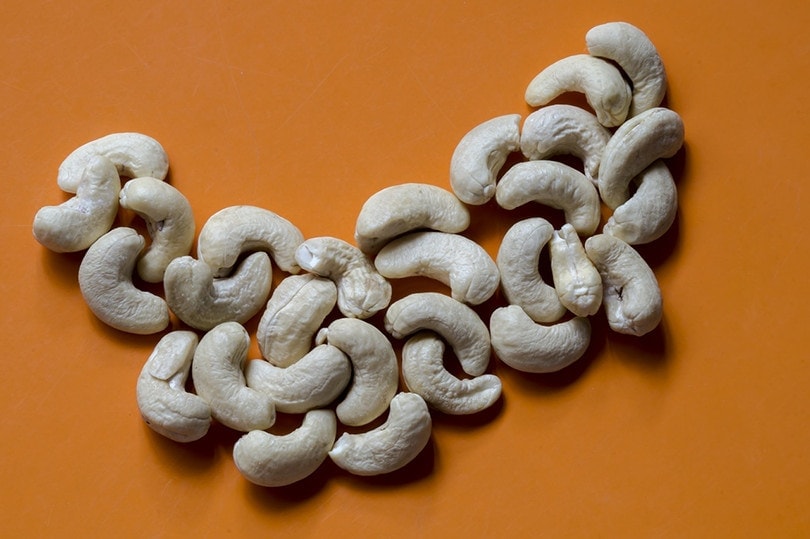
Peanut butter is a popular treat for dogs (without added ingredients like salt, sugar, and especially xylitol), and plain peanuts without shells are also safe in moderation. You can also try offering hazelnuts and roasted (not raw) cashews. But remember to only serve them plain and without added oils or seasonings.
Nuts that must be avoided are:
- Black walnuts
- Macadamia nuts (highly toxic)
- Raw cashews
- Moldy walnuts (or any nuts)
- Pistachios (choking hazard)
- Hickory nuts (choking and blockage hazard)
- Pecans (mold issues)
- Almonds (choking and blockage hazard)
- Brazil nuts (choking and blockage hazard and high in fat)
Seeds
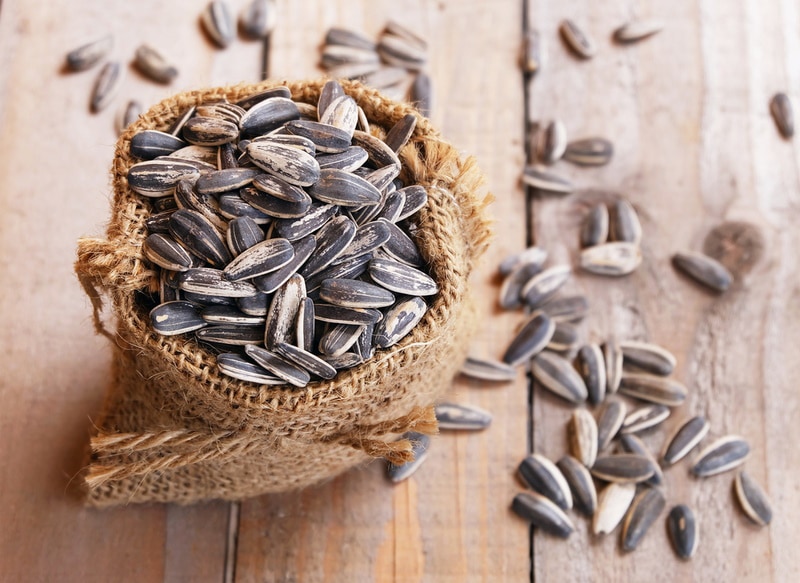
The safest seeds are:
- Sunflower seeds
- Chia seeds (soaked in water beforehand)
- Ground and cold-pressed flax seeds
- Pumpkin seeds
Is Sesame Oil Safe for Dogs?
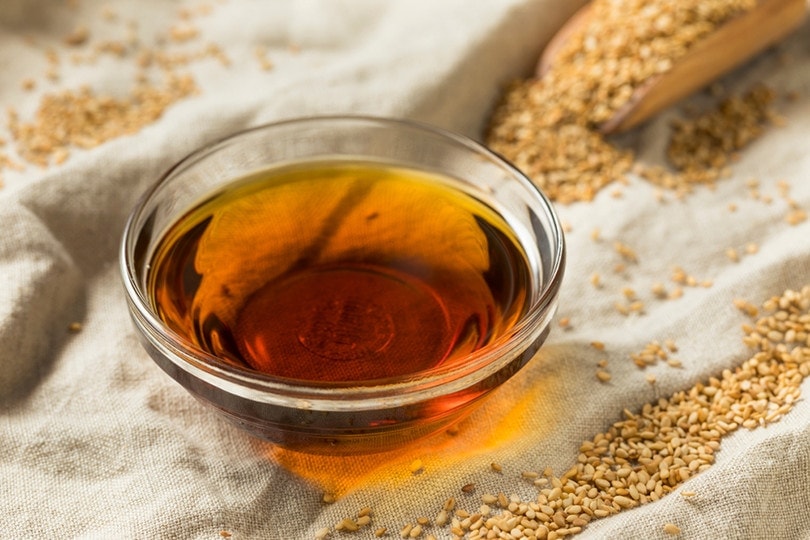
Dogs don’t need sesame oil for anything nutritionally related, so there’s really no reason to give it. If you’re looking to supplement your dog’s omega fatty acids, speak to your vet first and then consider fish or cod liver oil instead.

Summary
If you were concerned because your dog just scarfed down your sesame bagel, you now know that you don’t need to worry about the sesame seeds. You should be more concerned about the bagel itself because it’s so high in carbs and sugar.
Sesame seeds are not toxic to dogs, but they won’t help your dog in any significant way either. So, while you typically don’t have to worry if your dog eats a small amount, regular feeding isn’t recommended either.
Remember to speak to your vet before changing your dog’s diet, especially when it comes to adding any human food to it.
See also:
Sources
Featured Image Credit: ELAKSHI CREATIVE BUSINESS, Shutterstock
Get Hepper In Your Inbox


Pet care tips from our vets and experts, straight to your inbox.
You may opt-out at any time. View our Privacy Policy for more information.
Kathryn was a librarian in a previous lifetime and is currently a writer about all things animals. When she was a child, she hoped to work in zoos or with wildlife in some way, thanks to her strong love for animals. Unfortunately, she's not strong in the sciences, so she fills her days with researching and writing about all kinds of animals and spends time playing with her adorable but terribly mischievous tabby cat, Bella. Kathryn is hoping to add to her family in the near future – maybe another cat and a dog.
Join the conversation
Ask a question, share your story, or send private feedback.