Hepper is reader-supported. When you buy via links on our site, we may earn an affiliate commission at no cost to you. Learn more.
Can Dogs Eat Vanilla Wafers? Vet-Verified Nutrition Facts & Risks



In this article
You may be snacking while reading a book, watching television, or browsing on your computer while your furball is laying on the couch with you. Sometimes, your dog may even beg you for some of your tasty snack as well.
Vanilla wafers are a popular biscuit to snack on, and it can be tempting to give your pooch a bit especially when they're begging. But before you give in to those puppy dog eyes, you may be wondering—are vanilla wafers safe for your dog to eat? In short, dogs should not eat vanilla wafers due to certain ingredients present in them. While vanilla wafers are safe to eat in small amounts, they are not healthy and can lead to a variety of health issues, especially when consumed in large amounts.

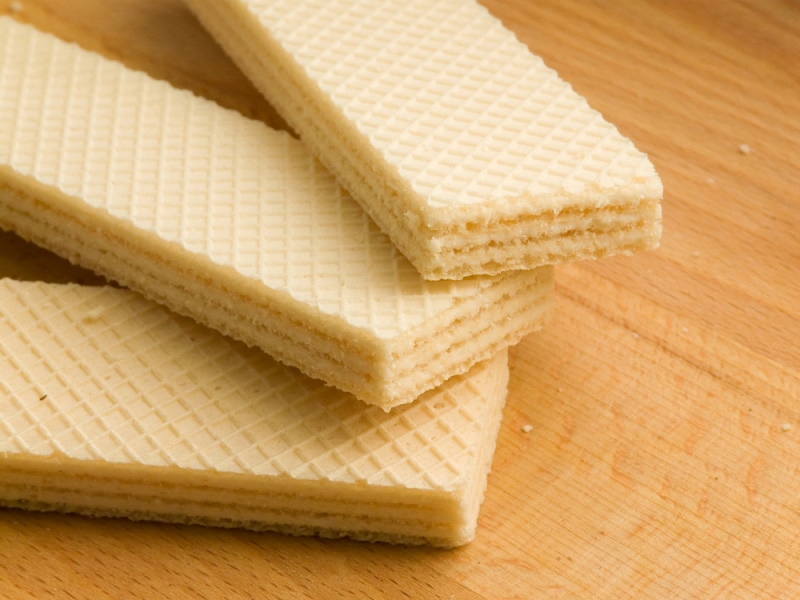
What Ingredients Are in Vanilla Wafers?
Vanilla wafers are bad for dogs because they offer them no nutritional value to help them stay active and healthy, something they obtain from food and treats that are specifically designed for dogs.
Each company has their own recipe and mix of ingredients for their vanilla wafers. Regardless of the vanilla wafer, whether commercial or homemade, the following ingredients are commonly included and are not recommended for consumption by dogs:
- Sugar
- Baking Soda
- Sodium Bicarbonate
- Hydrogenated Oils
- Corn Syrup
- Flour
- Fats
- Vanilla Extract (artificial or natural)
The sugar content in vanilla wafers is the most significant ingredient for dogs.1 Generally speaking, foods and recipes made for human consumption are not recommended for dogs, especially when it comes to snacks. The other ingredients, while harmless in small amounts, can cause a variety of health complications if eaten frequently or in large amounts.
Risks of Eating Vanilla Wafers for Dogs
The biggest risk for consuming vanilla wafers in dogs is extra calories. Like humans, dogs can easily develop obesity, diabetes, and inflammation from excess sugar and calories.
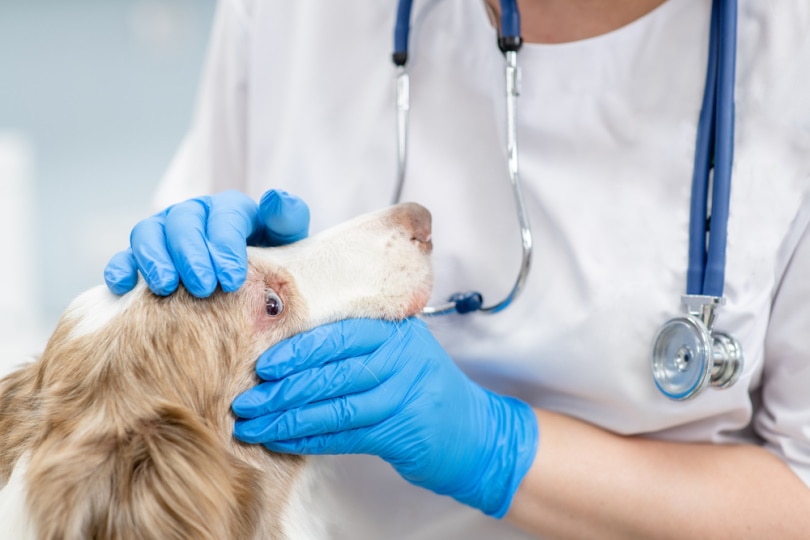
Diabetes is also a risk factor for a variety of other health complications. Some complications caused by high blood sugar can include the following:
- Inflammation of blood vessels in the eyes
- Cataracts
- Urinary tract infections
- Polydipsia and Polyuria
These risk factors may vary depending on the amount of consumption, age, weight, exercise habits, and current diet of a dog. It is recommended that your dog receives a healthy and balanced diet, as well as regular exercise.
Consult with your veterinarian if you feel your dog is overweight or may have diabetes as they can give recommendations for your dog’s health, nutrition and exercise requirements. Do not be afraid to seek help especially when you are transitioning your dog to a healthier and more active lifestyle!
My Dog Ate a Vanilla Wafer, What Do I Do?
If you feed one or two vanilla wafers to your dog by accident, it shouldn’t be a cause for alarm. Your dog may experience an upset stomach or minimal discomfort at most. Just be sure they drink lots of water and continue their usual diet along with exercise.
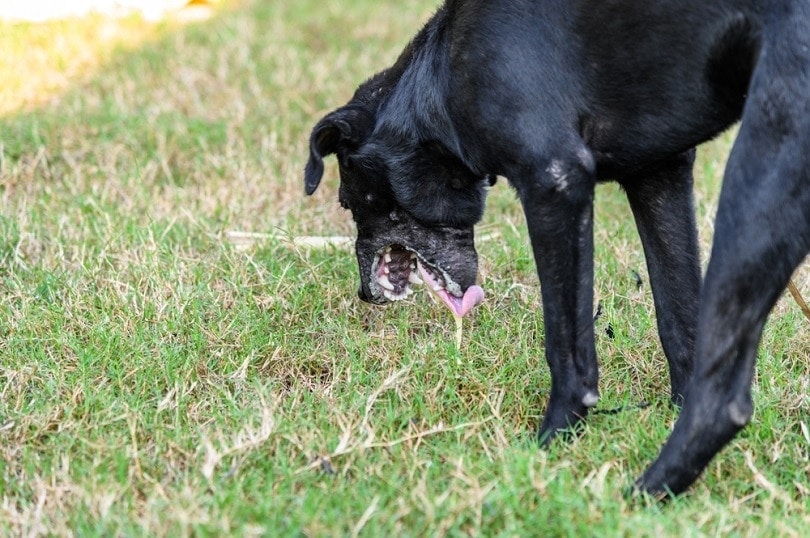
If your dog accidentally consumes a larger number of vanilla wafers, remove the wafers from their reach immediately and monitor for the following symptoms:
- Vomiting
- Diarrhea
- Increased urination
- Depression
- Lethargy
If they consumed multiple wafers or even a whole packet including the wrapper, it is best to consult with your veterinarian for recommendations and proper monitoring of your dog’s health. If your dog is experiencing symptoms, they may need medical attention.
Can Dogs Eat Vanilla?
Vanilla is used as a flavoring for various foods other than wafers. While vanilla wafers are unhealthy for dogs, the vanilla in itself is not harmful for dogs, however vanilla extract and vanilla essence are toxic to dogs due to the alcohol content. Vanilla extract and essence should be kept out of reach of your dog.
If you are planning to feed your dog vanilla-flavored foods, just make sure that the other ingredients are not harmful to dogs as well. Otherwise, vanilla-flavored foods with healthy ingredients are generally safe for consumption.

Conclusion
Vanilla wafers are rich in sugar and are not recommended for consumption by dogs. Excessive amounts of sugar can lead to weight gain putting them at risk for more dangerous health complications. While safe in small amounts, dog owners are recommended to refrain from giving their dogs vanilla wafers. They may be sweet and tasty, but there are other healthier options specifically designed for dogs to satisfy their stomachs!
Get Hepper In Your Inbox


Pet care tips from our vets and experts, straight to your inbox.
You may opt-out at any time. View our Privacy Policy for more information.
Nicole is a lover of animals of all sizes but is especially fascinated with the feline variety. She’s the proud mom of Baby, a Burmese, and works every day so he can relax in the sunshine or by the fire. She’s always had a cat in her home and has spent countless days with others, observing behaviors and softening up even the grouchiest of the lot. Nicole wants to share her kitty expertise with you so you and your cat can live happy, healthy, and care-free.
Join the conversation
Ask a question, share your story, or send private feedback.