Hepper is reader-supported. When you buy via links on our site, we may earn an affiliate commission at no cost to you. Learn more.
Can Dogs Eat Fortune Cookies? Vet Approved Advice


In this article
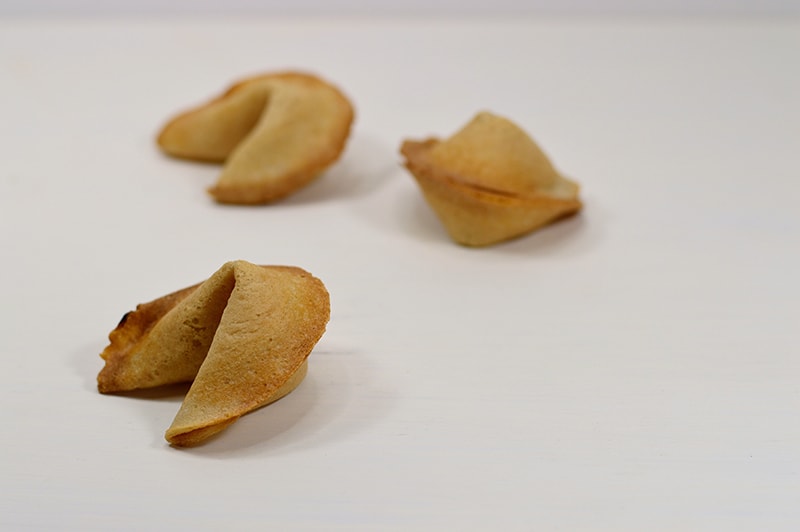
If you’ve ever eaten Chinese food for takeout or in restaurants outside of China, you’re probably familiar with the fortune cookie. They typically come with your order and are a bit of fun with their crunchy texture and paper fortunes. If your dog seems interested in your fortune cookies, you might wonder if it’s safe to give them one.
Most fortune cookies are safe for dogs to eat, but it isn’t recommended. The ingredients aren’t dangerous for the most part, but they aren't healthy for your dog.
Here, we break down the ingredients typically found in fortune cookies, which should help you understand why most human foods aren’t ideal for dogs.

A Little About Fortune Cookies
Fortune cookies are not technically a Chinese invention. No one knows who invented them, but what is certain is that they originated in California, so they are more of an American contribution than a Chinese one.
They became more common after World War II because Americans typically enjoyed dessert after their meals. The “fortunes” were the biggest draw. They started as Biblical and Confucius quotes and eventually branched out into jokes, lottery numbers, and rather silly advice. But people enjoy eating the cookies too.

Why Should Dogs Not Eat Fortune Cookies?
While there isn’t anything truly harmful in fortune cookies, most of the ingredients aren’t meant for dog consumption.
Sugar
The average fortune cookie is high in sugar—about 13 grams in just one cookie. Sugar in itself isn’t toxic,1 but too much sugar for a dog can lead to obesity which increases the risk of diabetes.
The more immediate effects of too much sugar might be an upset stomach, which can include diarrhea, vomiting, and nausea.1
Flour
Many manufactured dog foods contain flour, so it’s a reasonably safe ingredient unless your dog has a gluten allergy. Most food allergies tend to be meat-based, particularly beef, chicken, and dairy,2 but a small number of dogs do have a gluten intolerance.
Signs of a gluten allergy can include diarrhea, gas, mucous in the stools, and potentially, flaky, dry skin, rashes, and bumps.
Vanilla Extract
Large quantities of vanilla extract would be dangerous to dogs because of the alcohol content. Authentic vanilla extract contains 35% alcohol.
However, the small amount of vanilla found in a fortune cookie wouldn’t be likely to harm your dog. If your dog happened to gobble down multiple fortune cookies, there would be the remote possibility of alcohol poisoning—that would be a huge number of fortune cookies, though, and they’d get sick from the sugar and other ingredients long before the alcohol.3
Oil
The most common oil used in fortune cookies is sesame seed oil. This is a healthy oil for dogs but only in moderation. Too much oil in a dog’s diet can lead to diarrhea and vomiting, as well as obesity. That said, there isn’t enough oil in a fortune cookie to be a problem for a dog.
Other Ingredients
Those first four ingredients are traditionally used in most fortune cookies. But there are a few additional ingredients that you might find in other fortune cookies. These can include butter or a different kind of oil, such as canola (which is not the best oil for dogs), egg whites (which are safe), and salt. Salt is not great for dogs either, but there wouldn’t be enough in the cookie to harm them. The paper for the fortune is technically harmless because it’s so small, but it could still present a choking hazard.
While fortune cookies don’t typically use artificial sugar, we would be remiss if we didn’t bring up xylitol. Xylitol is an artificial sweetener commonly used in sugar-free food, which is highly toxic to dogs. This is a good reason that you should always read the ingredients for human food before giving any to your dog. Signs of xylitol poisoning can include:
- Lack of coordination
- Vomiting
- Loss of balance
- Lethargy
- Tremors
- Seizures
- Collapse
- Coma
See your vet immediately if you suspect that your dog ate something with xylitol or if you notice any of these signs.

What You Should Do If Your Dog Ate a Fortune Cookie
If your dog just ate one or two cookies, they should be fine unless they have a food allergy to an ingredient. Anytime your dog eats something not meant for them, it’s always a good idea to keep an eye on them for a day or two.
However, if your dog ate a bunch of fortune cookies still in their plastic wrapping, call your vet so you know what steps you should take. Some vets might want them brought in to induce vomiting. If it’s been more than 2 hours, keep a very close eye on your dog, and watch for stomach upset, lethargy, loss of appetite, or stomach pain, and then see your vet. Most dogs will likely just pass the plastic, but it might become an obstruction in their GI tract. Overall, when in doubt, talk to your vet.
Safe and Healthy Treats
All dogs love treats, and it’s best to give them something made specifically for dogs. Try giving them crunchy treats in one of their favorite flavors, like peanut butter.
For something sweet, all kinds of fruits are safe for dogs. Blueberries, bananas, and watermelon are quite healthy, and they can also safely eat apples, cantaloupe, mango, and pears (all without seeds).

Conclusion
In the long run, it’s best to play it safe and not give fortune cookies to your dog. If they do end up eating one or two, it should be fine as long as they don’t have a food allergy.
Speak to your vet if you have any questions or concerns, and remember that not all human food is safe for dogs. Read labels carefully, and as much as your dog might look at you with those puppy-dog eyes, don’t feed them any table scraps. Unknown and possibly toxic ingredients, as well as forming the bad habit of begging at the table, just aren’t worth it.
Sources
Featured Image Credit: Jumpstory
Get Hepper In Your Inbox


Pet care tips from our vets and experts, straight to your inbox.
You may opt-out at any time. View our Privacy Policy for more information.
Kathryn was a librarian in a previous lifetime and is currently a writer about all things animals. When she was a child, she hoped to work in zoos or with wildlife in some way, thanks to her strong love for animals. Unfortunately, she's not strong in the sciences, so she fills her days with researching and writing about all kinds of animals and spends time playing with her adorable but terribly mischievous tabby cat, Bella. Kathryn is hoping to add to her family in the near future – maybe another cat and a dog.
Join the conversation
Ask a question, share your story, or send private feedback.