Hepper is reader-supported. When you buy via links on our site, we may earn an affiliate commission at no cost to you. Learn more.
Can Dogs Smell Water? What Science Tells Us


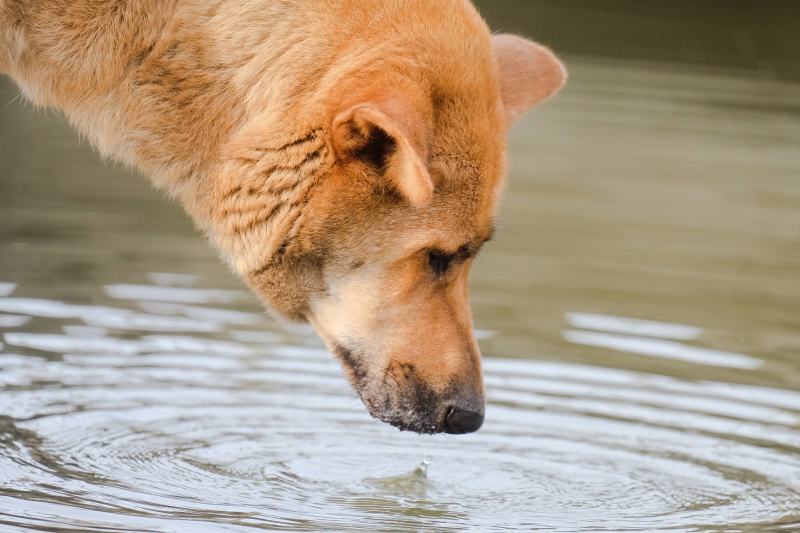
Dogs are fantastic companion animals with many unique characteristics. One thing that canines can always rely on is their sense of smell. If you have a dog, they’ve probably dragged you, one time or another, to some random scent they picked up while walking. This assures us that a dog's sense of smell is powerful, but is it so strong they can smell neutral things like water?
The answer is both yes and no, as the topic is a bit complex. If you want to find out why, stick with us.

Why Dogs Have Such a Great Sense of Smell
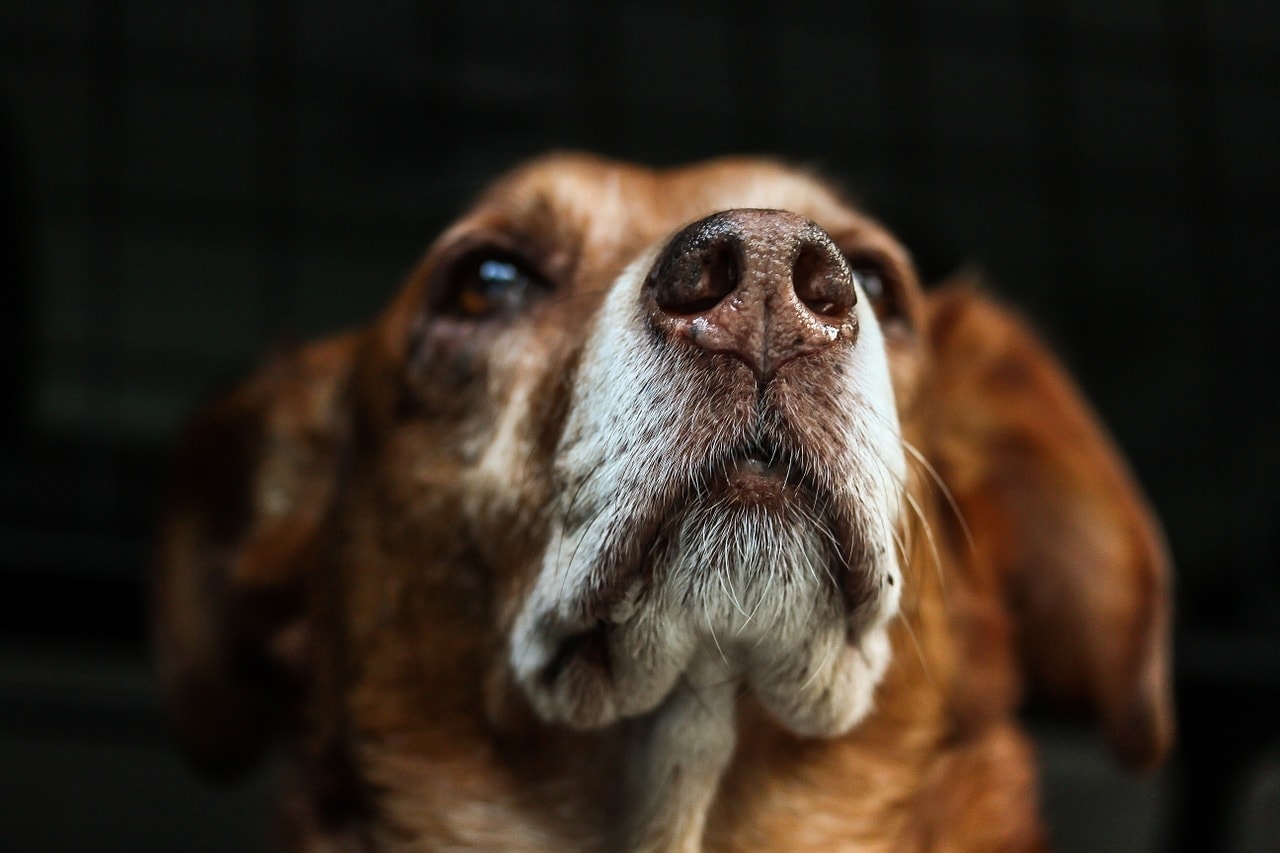
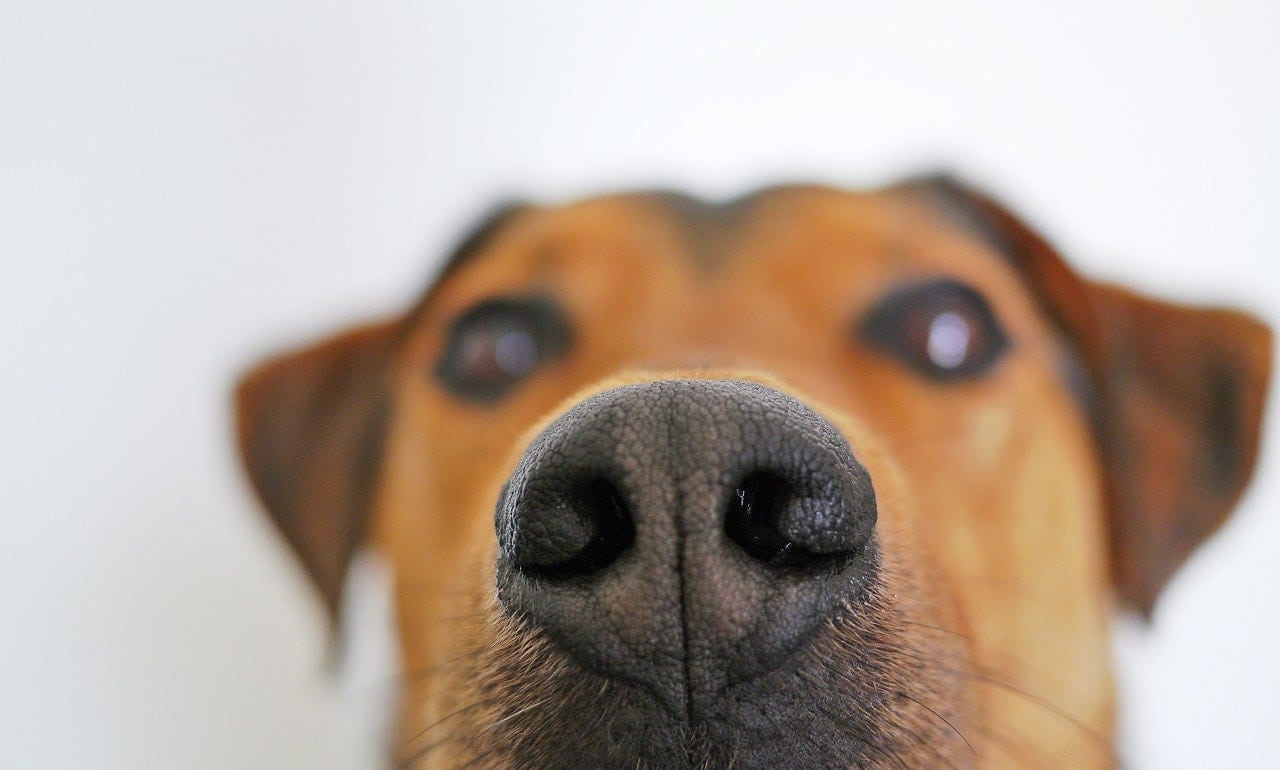
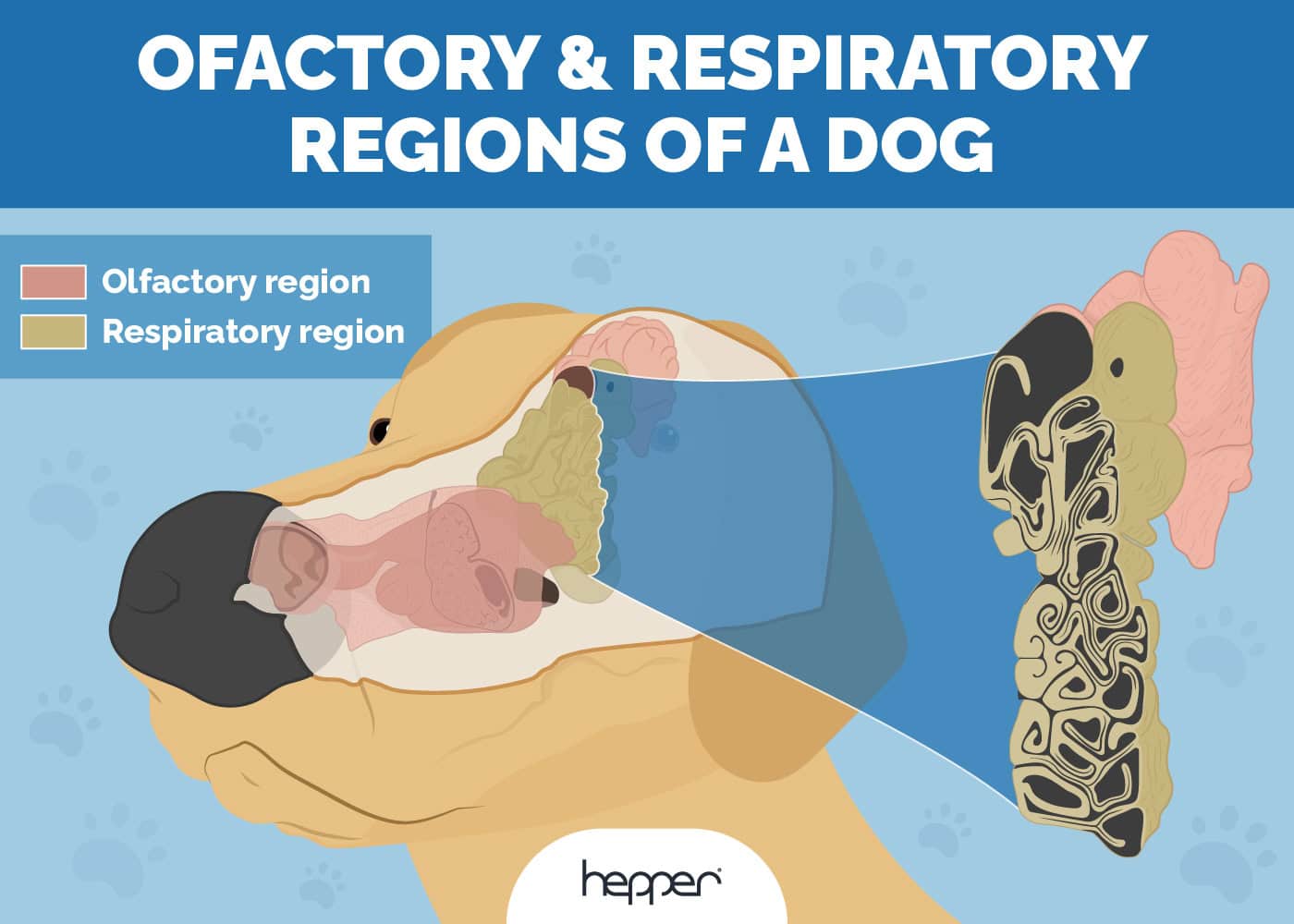
We must examine canine anatomy to understand why they have such great noses. While most humans rely on vision to navigate the world around us, a dog’s most reliable sense is their sense of smell. Canines have an incredibly well-developed olfactory system, which includes the structures that enable the sense of smell. This gives dogs an indisputable advantage over humans. By understanding this system, you can then understand how intricate the structure of a dog's nasal cavity is and why they can perceive smells in such a fascinating way.
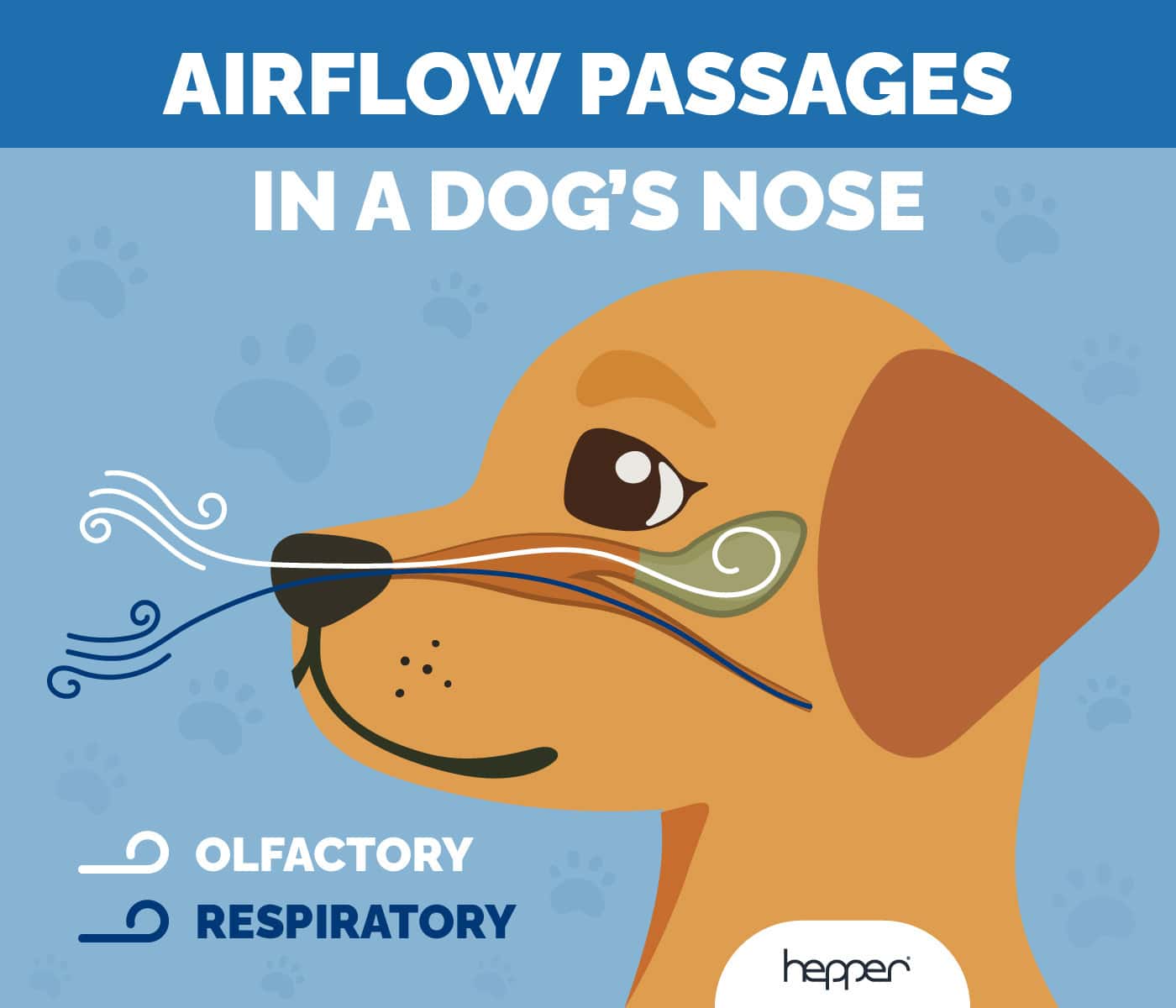
Dogs have two independent nose passages. They use one to breathe air in and out and the other to “store a smell” near their olfactory receptors. Our noses do not enable us to store smells, as we can’t segment the air that transports them, so any detected scent is perturbed when we breathe in and out.
Besides this sophisticated system, a dog’s olfactory epithelium contains millions of olfactory receptor cells and supportive cells. The latter have different roles, but the most important is protecting the epithelium from various damages. Olfactory receptor cells are responsible for deciphering the odors that dogs inhale. Every cell has hundreds of cilia, and it's estimated that dogs have about 225–300 million olfactory receptor cells1. We only have about 5 million of these receptors in our noses, and each only has about 25 cilia.
If that wasn’t enough of an advantage, dogs have an additional organ that detects chemical messages that are similar to but not quite identical to smell. It’s called the vomeronasal organ, or Jacobsons' organ. Its primary role is detecting pheromones, which are chemical messages that have the power to influence other individuals' behavior. They play a role in socialization and most importantly, reproduction.
If you compare a human’s brain and a dog’s brain, you will find that we have a larger visual cortex, but they have a much larger olfactory cortex. The olfactory bulb makes up a significant portion of a dog's brain and is responsible for processing different scents. The olfactory cortex is a part of the brain cortex and helps dogs make conscious decisions based on scent.
Due to all of this, we can conclude that a dog's sense of smell is incredibly strong. It is estimated to be 10,000 to 100,000 times better than a human's.
Working Dogs
It is common knowledge that a dog’s sense of smell is powerful. In fact, it's so capable and fascinating that to date, humans have not been able to invent any machine to replace it in scenarios like search and rescue in disaster zones or detecting bombs or mines in large fields.
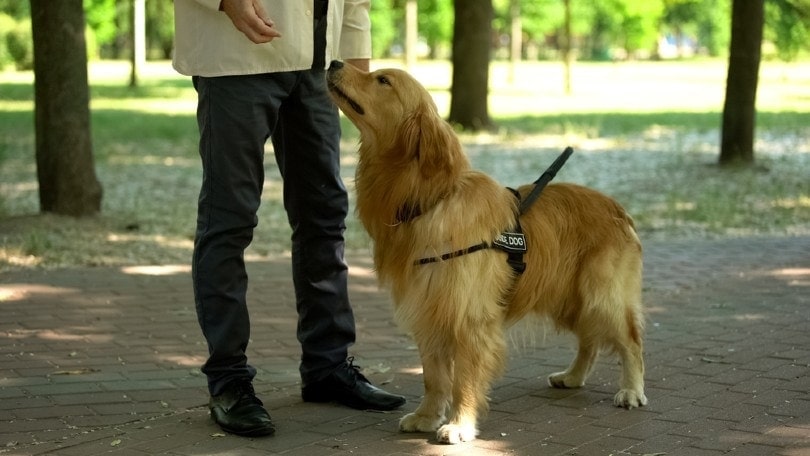
Dogs are often used in the military or as police dogs for their smelling abilities. In the military, they are trained and often used to find a missing person. They can also be used as messengers to bring information from one place to another. With the police force, they are often used to find illegal substances at borders or during in-house investigations.
Dogs can even detect cancer in some people just by learning to identify the specific volatile organic compounds produced by cancerous cells. They can recognize their presence in a person’s skin, sweat, breath, urine, or feces.
Characteristics of Water
Before discussing the smell of water and whether dogs can sense it, we must distinguish between completely clean water and water that we use or find outside our homes. When it's completely clear, water is made of only oxygen and hydrogen. However, the water that we use in our everyday lives can often contain other inorganic substances, such as chlorine, sodium, or magnesium.
Even with their extraordinary sense of smell, dogs can't smell distilled water—that is, evaporated and recondensed water without any salt or chemicals. However, if the water is not distilled and it has other chemicals or compounds, dogs can smell it. For this reason, dogs can also smell through water, and some are specially trained to locate people and bodies, drugs, and various other things located underwater. Dogs can also smell water in lakes and rivers with plenty of inorganic and organic components like vegetation or animals.
A Dog's Sense of Smell
A dog's sense of smell is so strong that it is estimated to be 10,000 to 100,000 times better than a human's. Dogs have significantly developed olfactory systems, which are the structures that serve the sense of smell. Below you can find some of the fascinating characteristics of a dog's olfactory system, which gives them an indisputable advantage over humans. We need to explain this system so that you can learn how intricate the structure of a dog's nasal cavity is, allowing them to perceive smell fascinatingly.
The olfactory epithelium contains two types of cells, with millions of olfactory receptor cells and supportive cells. Supportive cells have different roles, but the most important one is protecting the epithelium from various damages. On the other hand, olfactory receptor cells are responsible for the odor that dogs sense. Every cell has one olfactory receptor, and it's estimated that dogs have about 220 million olfactory receptors.
Dogs have a certain organ, known as Jacobsons' organ, which has a role in smelling, but its primary role is detecting pheromones aiding in reproduction. The olfactory bulb makes up a very big portion of a dog's brain and is responsible for processing different scents, and the olfactory cortex is a part of the brain cortex that helps dogs make conscious decisions based on that scent.
Why Is My Dog Smelling the Water Bowl?
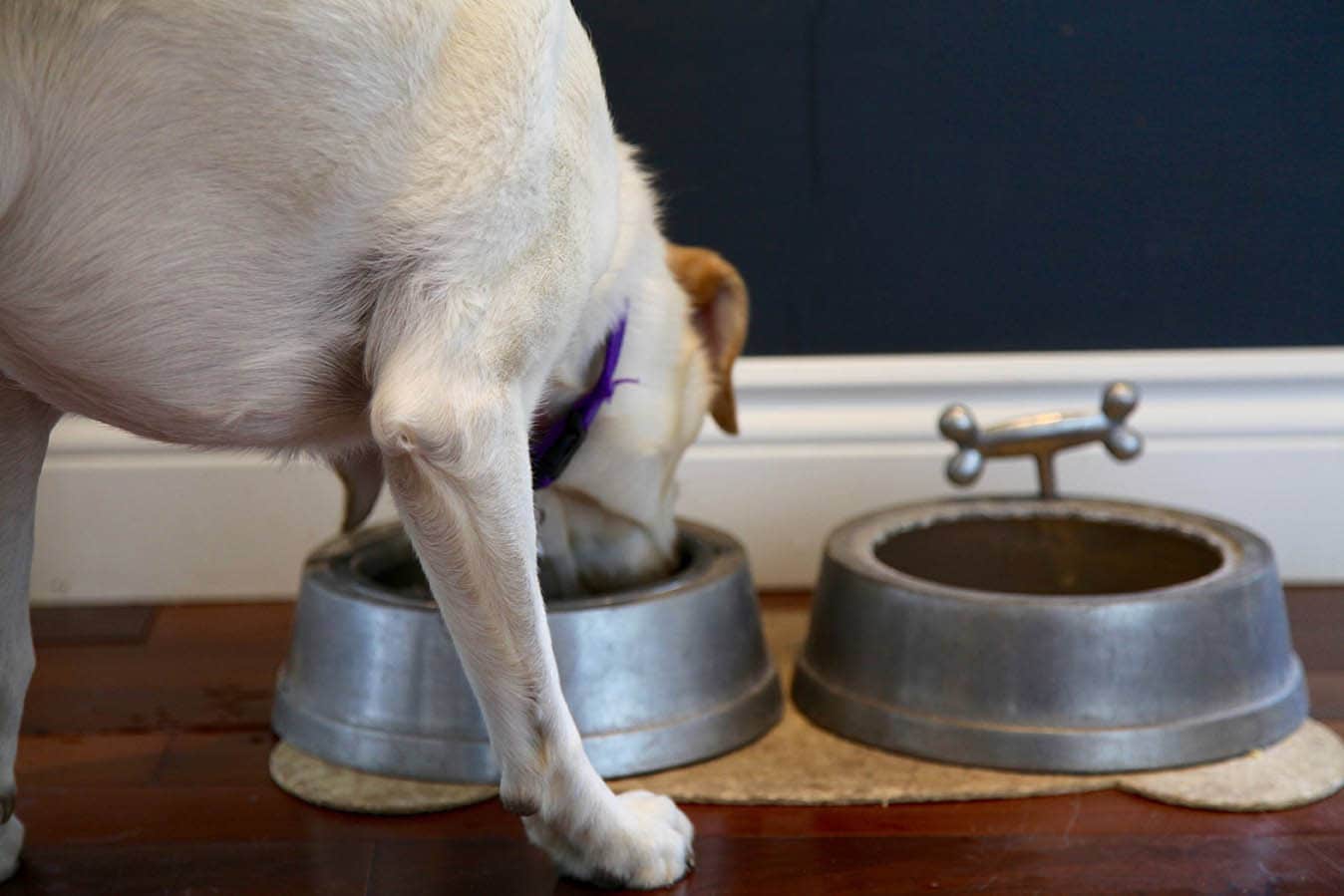
Water is not entirely odorless, especially in water bowls. Your dogs can gather plenty of information from a water bowl just from it being replaced or moved around. If you notice your dog smelling their water bowl, they can probably sense a small amount of food that accidentally ended up in the bowl. Dogs can also smell odors around their food bowls, such as other pets using it or even your smell from touching the water bowl. Their water bowl can also have some residual dish soap, making it unappealing to dogs.

Final Thoughts
Whether dogs can smell water, we know for sure that their sense of smell is out of this world. A dog's sense of smell is estimated to be 10,000 to 100,000 times better than that of humans, so you can only imagine everything they can smell without us even noticing. While dogs can smell certain components in water, they cannot smell distilled water. Next time you're walking your dog, remember this article, and take notice of all the smells they can detect. You will understand the behavior of dogs so much better once you learn their capabilities.
Sources
Featured Image Credit: Thu Vũ, Pixabay
Get Hepper In Your Inbox


Pet care tips from our vets and experts, straight to your inbox.
You may opt-out at any time. View our Privacy Policy for more information.
I am a freelance writer with a restless and adventurous spirit. After graduating from the College of Fine Arts, I began searching for a medium to express my imagination. Content writing is a passion that took me by storm. When I am away from my peaceful writing nook, I work as a sculptor, painter, and woodworker in my workshop. I plan to continue nurturing my passion for writing and use it as a vessel for my neverending creativity.
Join the conversation
Ask a question, share your story, or send private feedback.