Hepper is reader-supported. When you buy via links on our site, we may earn an affiliate commission at no cost to you. Learn more.
Can Ferrets Get COVID-19? Vet-Approved Facts & Care Tips


In this article
The Covid-19 virus has affected millions of people since 2020, and demonstrated that science is usually right. Diseases and viruses can be deadly, and the Covid-19 virus taught us that more than any other virus has for years. What many people don’t realize is that their pets can contract Covid-19 as well.
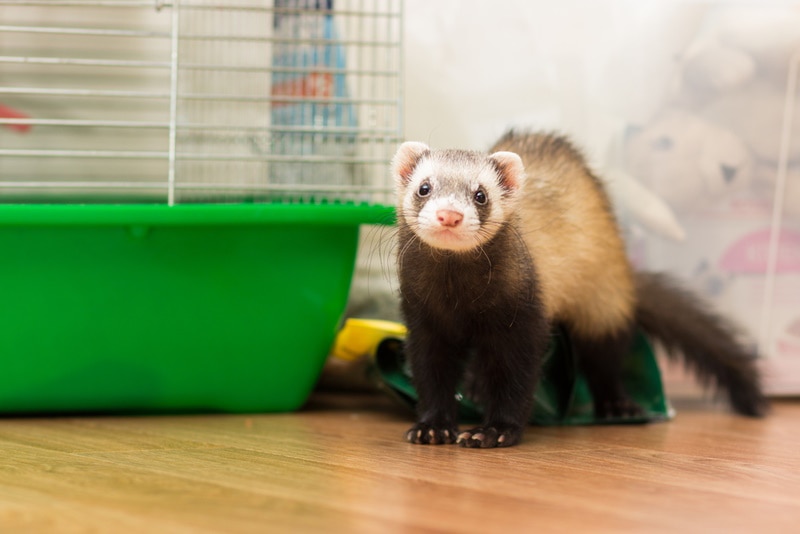
During the outbreak, researchers discovered that ferrets can also contract COVID-19. If you’re wondering how your furry friend can contract the Coronavirus, which type they can catch, and what you can do to prevent it, we’ll discuss the answers below.

What Strains of Coronavirus Can a Ferret Contract?
Just like humans, ferrets can contract certain strains of Coronavirus. This includes SARS-CoV-2, also known as Covid-19, which is concerning. However, the most common strain ferrets contract is the FECV or the ferret enteric Coronavirus. FECV causes Epizootic Catarrhal Enteritis, an illness commonly called green slime disease.
Ferrets can also become infected with Ferret Systemic Coronavirus or FSCD, which is a lethal form of the virus, very similar to the Coronavirus that causes Feline Infectious Peritonitis (FIP).
What Are the Signs of Coronavirus in Ferrets?
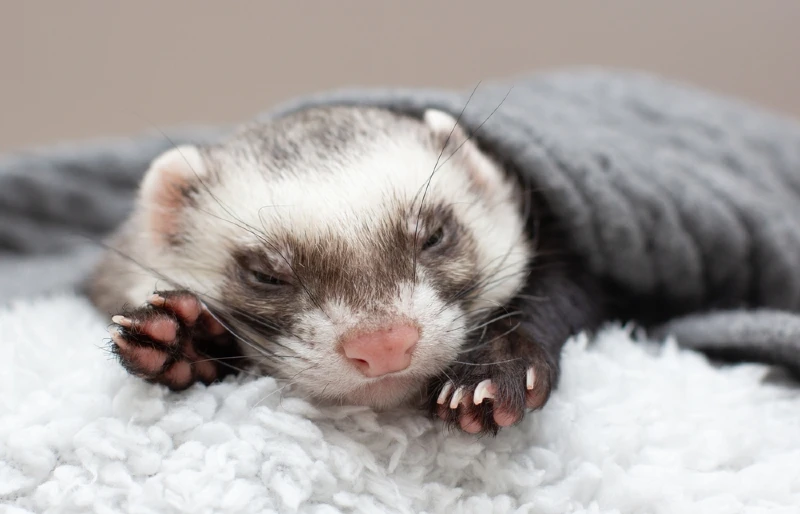
Now that you know that it’s possible for ferrets to contract certain strains of Coronavirus, it’s essential that you can identify the signs of this virus in your pet. However, it’s vital to note that some ferrets show no signs of the viral infection, so if you suspect your ferret has one of the Coronavirus strains, it’s best to contact your vet.
The signs of FECV in ferrets include the following:
*mostly seen in older animals
This disease most commonly occurs if a new animal is introduced to others, without a period of quarantine. If your ferret contracts green slime disease, they could show signs in 2 to 3 days, but the virus can remain in your ferret's feces for up to 6 months. In most cases, the disease is self-limiting, but some ferrets may need fluid therapy.
The signs of FSCD in ferrets include the following:
If you suspect your ferret has FSCD, it’s best to contact your vet for an appointment. The vet will be able to diagnose and treat your furry friend. Unfortunately, this form of Coronavirus is almost always fatal.
The signs of Covid-19 in ferrets include the following:
Fortunately, although ferrets were found to experimentally be quite susceptible to infection with Covid-19, they rarely showed clinical signs, and there is a very low risk of transmission to humans.
How Does the Vet Diagnose the Coronavirus in Ferrets?
When it comes to green slime disease, you can expect the vet to diagnose it by analyzing liver enzyme levels and the characteristics of the ferret’s stools.
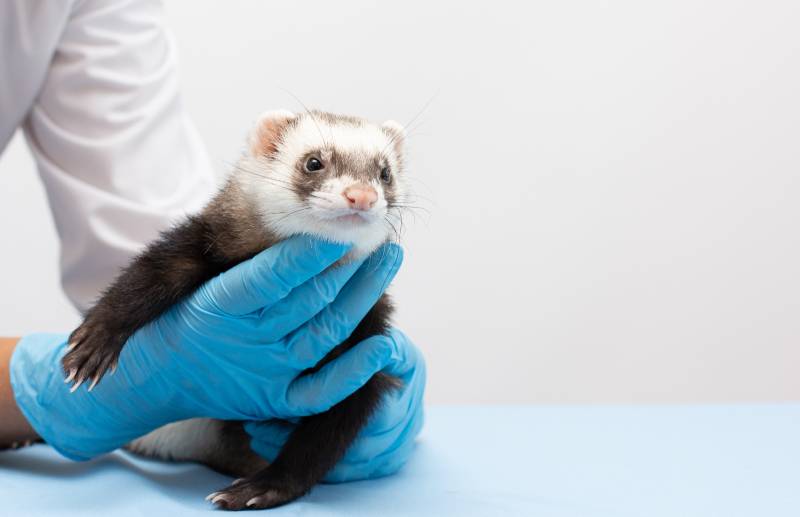
For Covid-19, the veterinarian will diagnose based on whether your ferret has been around another ferret or human that has the virus, and whether they have a fever or not. Of course, your vet will rule out other illnesses, such as other respiratory problems, first. They will then run a RealPCR test to see if the ferret does indeed have covid.
What Treatment Is There for Ferrets With Coronavirus?
Treatment for Coronavirus will be determined by the clinical signs your ferret has, and the strain of Coronavirus suspected.
At the time of this writing, there isn’t a cure for any of the strains in ferrets. There is a supportive treatment that can help your ferret get better faster or at least keep them comfortable when recovering.
In most cases, the vet will recommend fluids that are delivered subcutaneously, especially if your little friend is dehydrated. A diet of bland food may help your ferret regain its appetite. If your ferret has intestinal inflammation, the vet might also prescribe anti-inflammatory medication.
What Are the Chances of Survival in Ferrets With Coronavirus?
Ferrets that have contracted green slime disease or the Covid-19 virus will most likely recover without issues. However, older ferrets have a greater risk of not surviving after contracting the virus. Sadly, FSCD is progressive and fatal within a couple of months.
Prevention Tips for Ferrets and the Coronavirus
The best way to prevent your ferret from catching any of the Coronavirus strains is by keeping them away from other ferrets, and anyone who has spent time around ferrets. Of course, this is easier said than done because some people and ferrets don’t show any signs of having Covid. However, it’ll lessen the chance of your ferret catching the virus.
If you give a new ferret a forever home and already have ferrets as pets, it’s best to keep the new ferret away from the rest of them for a couple of weeks. Keeping the new ferret separated from the rest will help you watch for any signs of Coronavirus.
Also, make sure that you always wash your hands after handling your ferret to cut down the risks of spreading, not only Coronavirus, but other diseases as well

Final Thoughts
Ferrets, as well as a few other animals, can contract certain Coronavirus strains, including Covid-19. Ferrets can catch the virus from humans and other ferrets.
The most common Coronavirus strain in ferrets, FECV, is fortunately a mild, self-limiting disease which often only causes clinical signs in older or unwell ferrets. FSCD is a progressive, fatal form of Coronavirus. Ferrets can be infected with Covid-19, but they typically show minimal clinical signs of disease, if any, and pose little risk of spreading the disease to humans. They can, however, spread it readily to other ferrets in their company. The best way to deal with Coronavirus in ferrets is to take measures to limit its spread. Washing hands, keeping cages clean, and imposing a quarantine period to any new ferret family members are the best ways to prevent disease.
If you believe your ferret might have contacted any of the Coronavirus strains, it’s best to get your friend to the vet for diagnosis and possible treatment immediately.
Sources
Featured Image Credit: Chipiko, Shutterstock
Get Hepper In Your Inbox


Pet care tips from our vets and experts, straight to your inbox.
You may opt-out at any time. View our Privacy Policy for more information.
Patricia is a pet and coffee writer and a published author under the pen name Skylar McKinzie. When she isn’t writing, Patricia enjoys spending time with her two cats and dog. Since she was a young child, she has been a pet lover and enjoys nothing more than cuddling with her pets, Mystery, and her two cats, Binx and Link. Mystery has been with her family since the day she was born, as has Link. Binx was found under the house as a kitten, taken inside, and has been a part of the family ever since. Patricia loves sharing her knowledge of animals and finds joy in helping out at the local rescue shelter whenever she can.
Join the conversation
Ask a question, share your story, or send private feedback.