Hepper is reader-supported. When you buy via links on our site, we may earn an affiliate commission at no cost to you. Learn more.
Can Cats Get COVID? 7 Signs and Treatments
COVID has been one of the most contagious diseases for the last couple of years. While it’s commonly known that COVID affects humans, it can also affect various animals, including cats.
As this disease is typically related to respiratory issues and was a cause of many human deaths, it’s normal to be worried about your cat getting infected with COVID.
But how can you recognize the signs of COVID in cats? And how should you react if your cat has COVID?
In this article, we’ll talk about COVID in cats, its signs, and possible treatment solutions for your feline to resolve this health problem.
Let’s start!

What Is COVID? Can Your Cat Get COVID?
COVID, also known as the Coronavirus, is an infectious disease caused by the virus SARS-CoV2 that can affect humans and animals. This virus has several subtypes, each resulting in different signs and attacking different species.1
People who get COVID typically experience mild to severe issues, while some may require serious medical attention. Most of the time, humans with COVID tend to go through respiratory problems and have flu-like signs.
People suffering from COVID can often pass the conditions to their pets,2 including cats. However, while humans can transmit this disease to cats, there’s no proven evidence that animals can transmit the virus to humans nor to other pets.3
Also, although other animals, such as dogs, are susceptible to the virus, cats have the highest chance of getting this infection.

The 7 Signs of COVID in Cats
Although cats are susceptible to COVID, they are typically not too vulnerable, meaning they shouldn’t develop severe signs, although it’s possible for your feline to have respiratory problems.
Here’s a list of all the signs of COVID in cats, along with an explanation of how they may affect your feline.
1. Fever
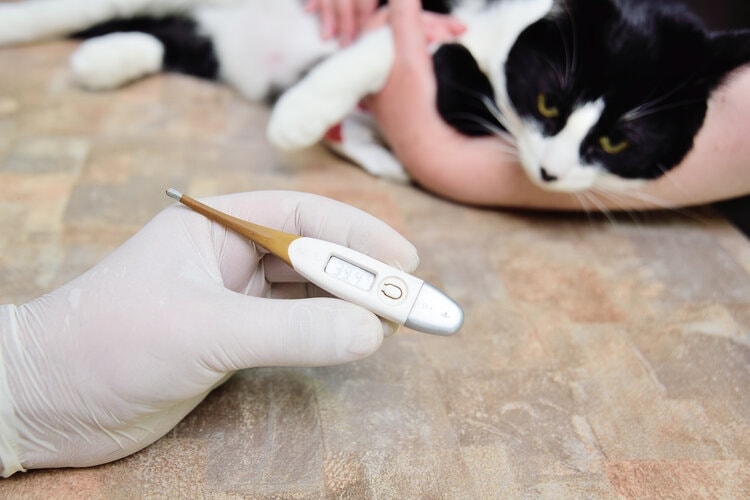
It’s common for pets, including cats, to experience fever as a sign of COVID.4 The normal body temperature for felines is between 100.4°F–102.5°F; for your feline to be classified as if it has a fever, the body temperature needs to be over 103.5°F.
If your cat’s fever goes above 106°F, it could damage internal organs, which is why you should always monitor your feline’s fever and act accordingly.
As there are also other diseases besides COVID that may lead to fever in cats, such as:
- Tumor
- Lupus
- Medication usage
- Injury or trauma
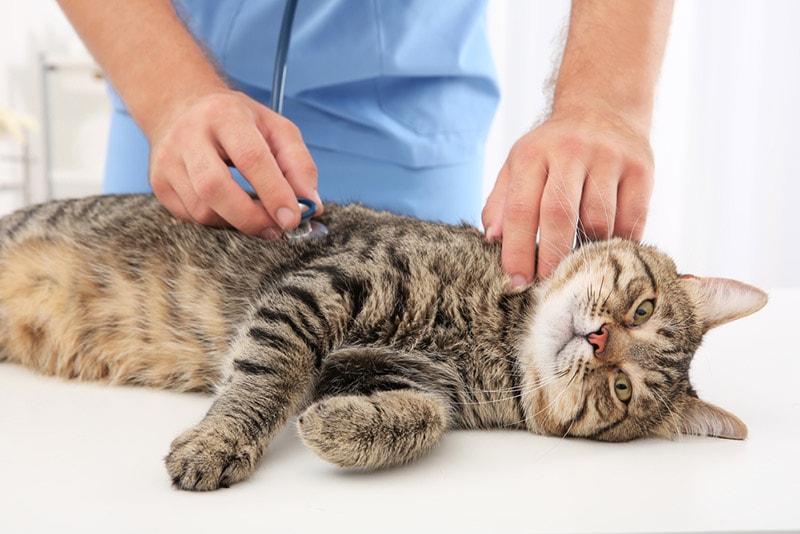
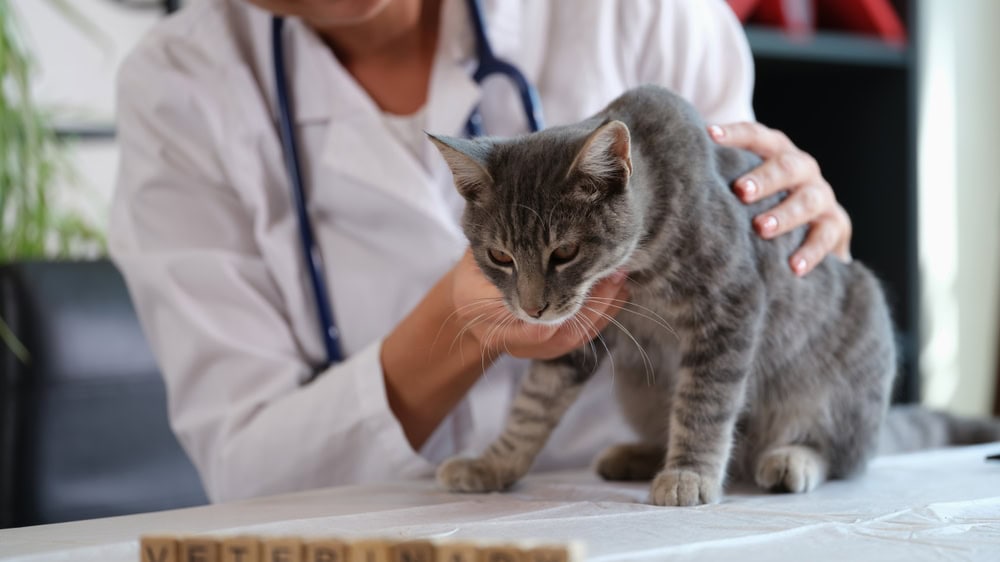
If your feline has a fever that continues for a few days, it’s essential to speak with your veterinarian and see what’s happening. Your vet will likely run tests to determine if your cat suffers from COVID or if another underlying medical issue may need attention.
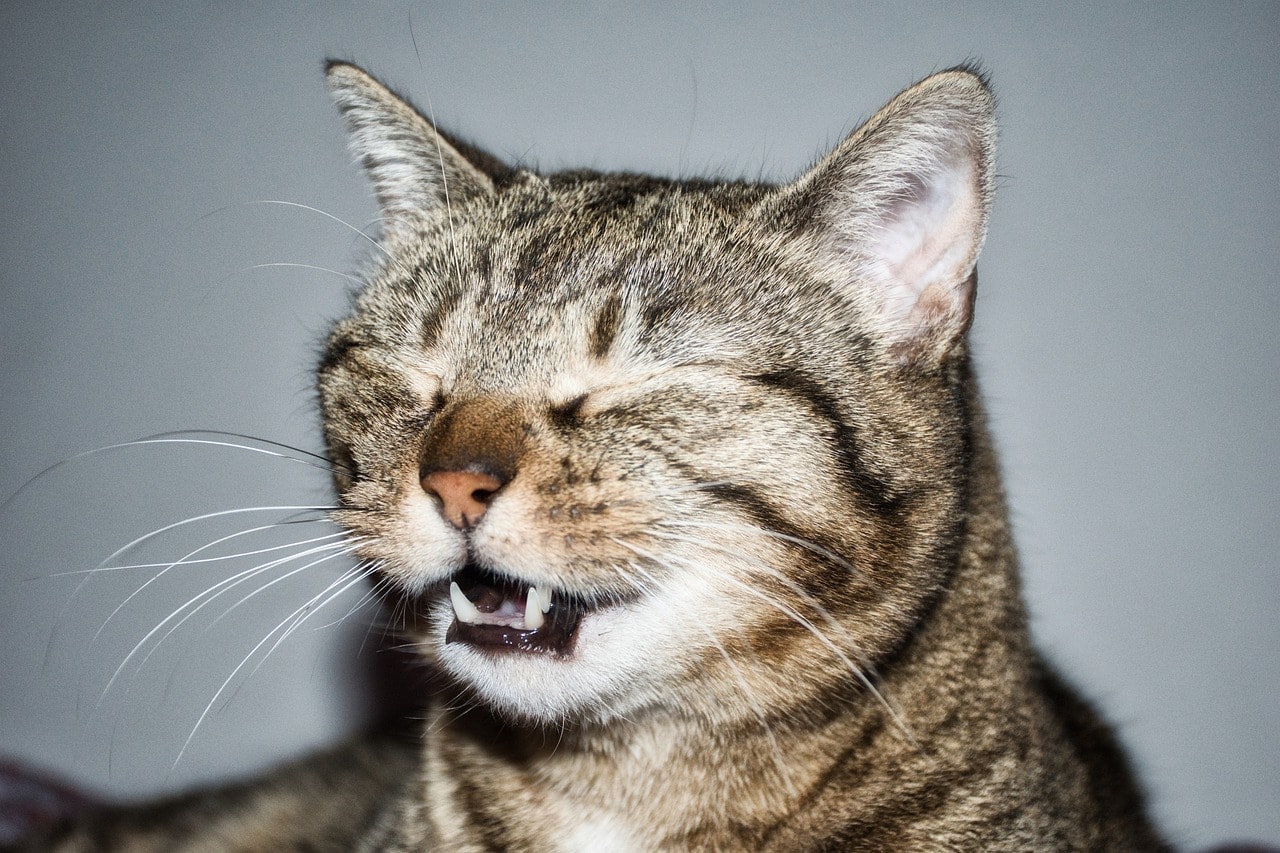
2. Sneezing and Coughing
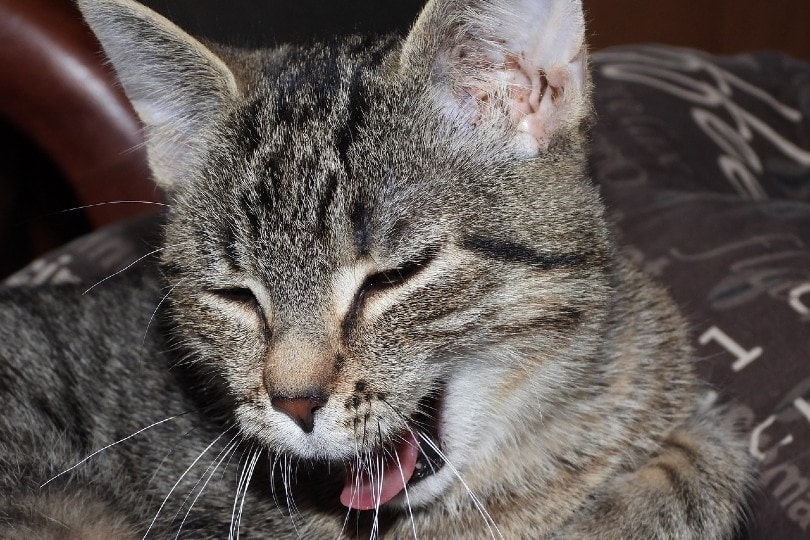
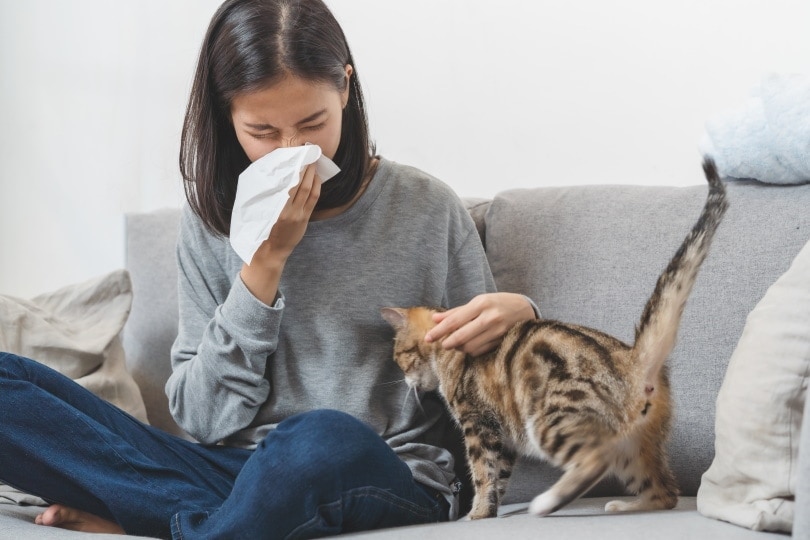
Cats typically don’t cough and sneeze too often, so sudden and frequent sneezing and coughing may indicate COVID in your cat. It’s common for felines to sneeze and cough often when they have respiratory infections; however, other diseases besides COVID, such as the feline herpes virus and feline calicivirus, may have similar signs.
That said, if you notice that your feline is coughing or sneezing more than usual, it’s best to schedule a vet check-up to rule out any possible health issues.
3. Panting and Difficulty Breathing
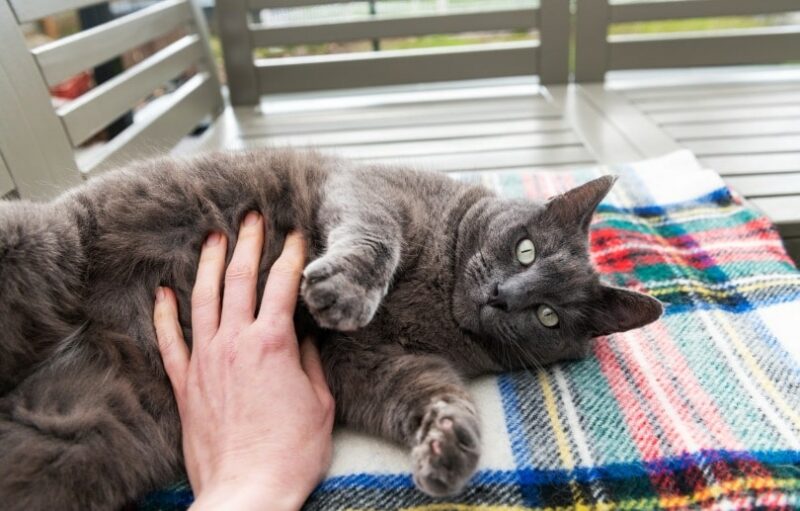
There are various health problems that may lead to panting and difficulty breathing in cats, and one of those conditions is the COVID virus. Per the research, most cats who suffer from COVID experience some type of respiratory problems, although they should all pass on their own after around 9 days.
Cats with breathing difficulties also tend to pant a lot which can be another sign of COVID. However, it’s also common for cats to have a hard time breathing when suffering from:
- Cancer
- Infections
- Bronchitis
- Heart disease
- Heartworms
As other medical conditions with even more severity may cause these signs, it’s crucial to speak with your vet if you notice any of these breathing issues in your feline.
If your veterinarian suspects COVID, they will likely run tests to verify the disease and offer suitable medical treatment.
4. Runny Nose
Along with coughing, sneezing, and breathing problems, cats who suffer from Covid may also experience a runny nose with a yellowish discharge. Typically, a cat’s runny nose indicates an issue with the upper respiratory tract, which an eye discharge may also follow.
As several bacterial infections besides COVID may make your cat’s nose runny, it’s best to monitor any changes in your cat’s behavior and speak with your veterinarian if the problem persists.
5. Vomiting
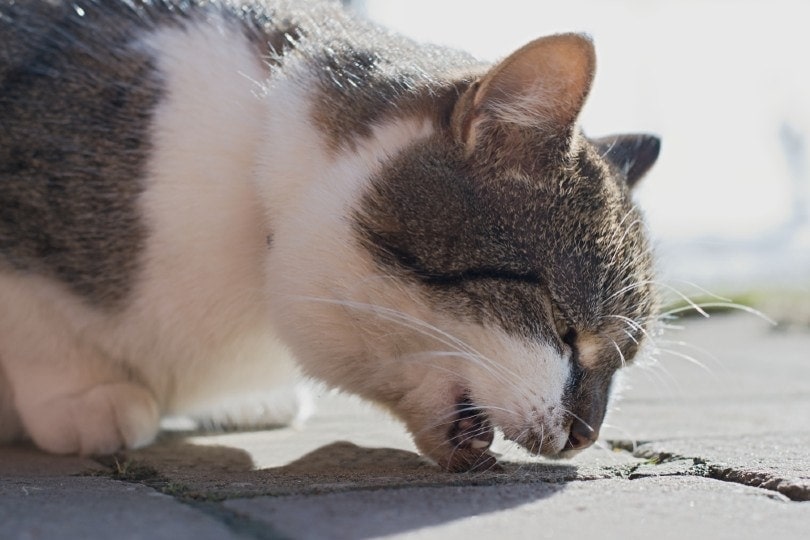
It’s common for cats to vomit occasionally without any apparent reason. However, vomiting more frequently, followed by lethargy, decreased appetite, or weakness, may indicate there’s something wrong with your cat.
While various health problems, such as GI issues and inflammatory bowel disease, cause vomiting, it’s common for this sign to appear as a sign of COVID in your cat. That said, if the vomiting happens frequently and lasts for more than a few days, it’s essential to take your feline to a vet check-up and see what’s going on.
6. Diarrhea
Diarrhea in cats is almost always a sign of something being off with your feline. While it’s normal for diarrhea to occur from time to time if you make changes in your cat's diet, multiple soft stools are still indicators that your feline may need a vet check-up.
If your cat has diarrhea followed by other signs on our list, then the main issue behind these signs may be COVID. However, diarrhea is also common in cats who suffer from:
- Bacteria
- Intestinal worms
- Allergies
Because of that, it’s best to speak with your veterinarian, who will do the necessary testing, determine the real problem behind diarrhea and prescribe the needed treatment for your feline.
7. Appetite Decrease
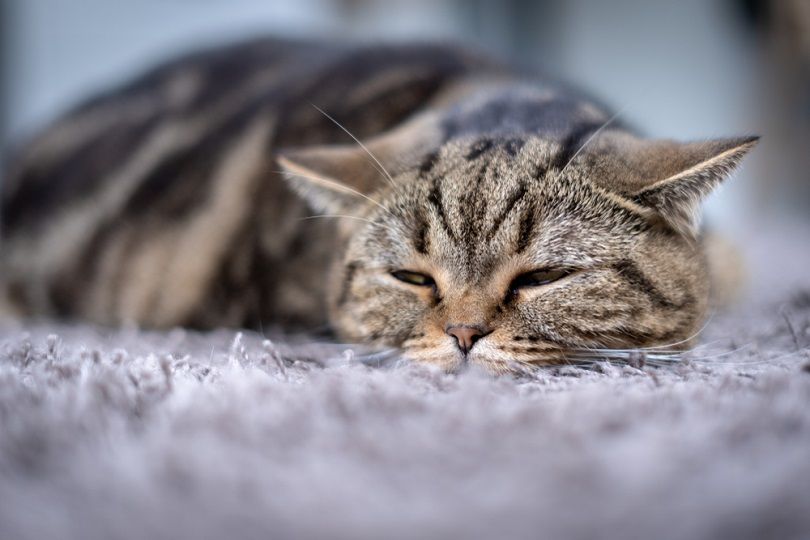
It’s common for a cat suffering from COVID to experience an appetite decrease. The appetite decrease will likely be followed by other signs on our list if your feline has COVID, making it easier for you to notice all of them and react in time.
If your cat goes through an appetite decrease, it may also experience weight loss which could cause other health problems. That said, if you think your feline is eating less than usual and losing weight, a veterinarian check-up might be necessary to resolve the issue and provide the proper treatment for your cat.
COVID Treatment for Cats
Per the most recent research on COVID and the way it affects animals, including cats, in most cases, our furry animals don’t need any treatment when and if suffering from COVID. Typically, cats who suffer from COVID have the signs for a couple of days, but all felines should entirely recover from this problem in 10–14 days after the signs first appear.
Most cats who suffer from COVID self-recover in 10–14 days. However, in several cases where your feline has severe signs of COVID, your veterinarian may prescribe specific antibiotics to help your cat fight the disease.
Things You Should and Shouldn’t Do if Your Cat Has COVID
If your cat has tested positive for COVID, there are a couple of different things you should know and do to ensure you and your other pets are safe while ensuring your cat will quickly recover.
Final Thoughts
Cats can get COVID, although most tend to have mild signs. When a cat has COVID, it will likely experience breathing problems, coughing, sneezing, vomiting, and diarrhea; however, these signs are also indicators for various other diseases, which is why a vet check-up is always necessary to determine what’s wrong with your cat.
Most of the time, felines who suffer from COVID self-recover within 10–14 days after they got infected. However, some cases of feline COVID may require antibiotics, although those cases are very rare.
Sources
Featured Image Credit: megaflopp, Shutterstock
Get Hepper In Your Inbox


Pet care tips from our vets and experts, straight to your inbox.
You may opt-out at any time. View our Privacy Policy for more information.

Visnja is a content writer that covers various topics such as DIY, pets, home improvement, travel, gardening, and more.
She is a young mom and a college student, who didn’t have enough time to balance her personal and work life, so after multiple years of working a regular 9 to 5 job, she decided to pursue her passion and make a living out of it. She has been writing for a couple of years, helping people find valuable and interesting information online.
Join the conversation
Ask a question, share your story, or send private feedback.