Hepper is reader-supported. When you buy via links on our site, we may earn an affiliate commission at no cost to you. Learn more.
20 Fun Ferret Facts You Probably Didn't Know


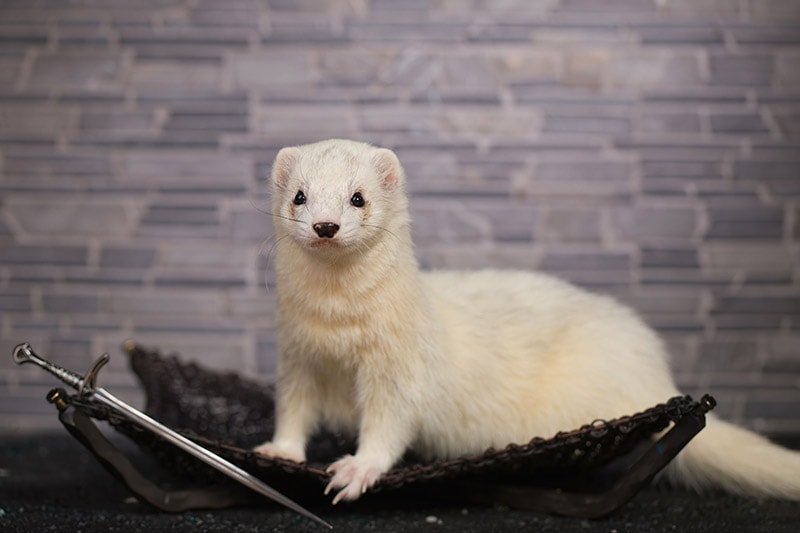
Ferrets are mischievous, affectionate animals that many love to keep as pets. Their feisty and curious personalities make them entertaining companions, and their noodle-like bodies give them an adorable appearance. However, compared to cats and dogs, the general public knows little about these fantastic creatures.
Whether you’re a ferret expert or a curious novice eager to learn more, we have 20 ferret facts that we think you’ll find interesting. From biology to pet care, this article covers everything you need to improve your ferret knowledge.

The 20 Fun Facts About Ferrets
1. Ferrets Have a Distinct Scent
Some people say that the ferret smells abhorrent, while others say they have an appealing, woodsy scent. Regardless, it's impossible to deny that ferrets have a distinct odor.
This odor is commonly and mistakenly thought to come from a ferret’s scent (anal) glands. However, the truth is that the smell comes from oils produced by the many sebaceous glands in a ferret’s skin. The amount of oil produced increases when a ferret is entering its breeding season. The scent glands can produce a noxious odor, but this only happens occasionally when the ferret is startled or scared.
“Descenting” ferrets is a common surgical procedure carried out when a young ferret is neutered in the USA. However, the term is mis-leading. Removing the scent glands will not take away the musky smell of a ferret. Neutering your ferret will go much further in reducing a ferret’s smell but will not remove it entirely.
2. They Can Be Litter Trained… Mostly
Ferrets can be trained to use a litter box, but unlike cats, they do not have the instinct to dig before urinating or defecating. Similarly, they won’t have any natural inclination to cover their waste. In some cases, a ferret may view a litter box as a toy instead of a place to go to the bathroom.
A ferret’s instinct dictates that they eliminate in a corner. Therefore, if you want to train your ferret to use a litter box, it's best to place it in the corner of the cage.
3. A Bite Isn’t Always a Sign of Hostility
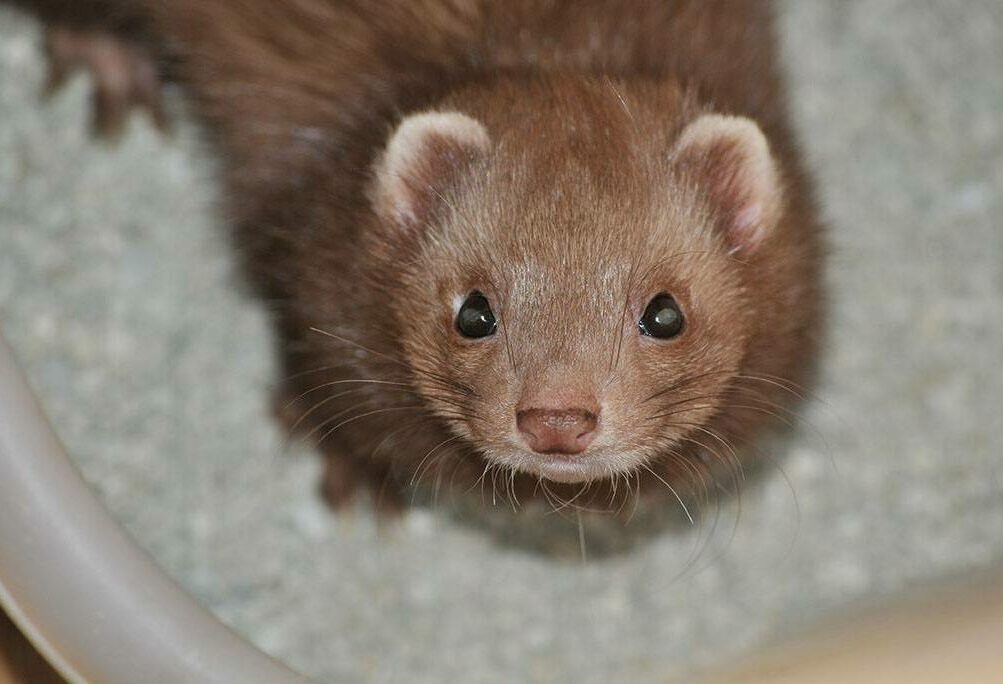
It can be frightening when an animal bites, even if it doesn’t hurt. While ferrets can bite due to hostility, they often nip as a form of play. Baby ferrets (also known as kits) like to gently bite their siblings when they play.
It's also a way for them to explore the bright new world around them. Since ferrets have thick skin, a little nip here and there isn’t likely to harm them. However, humans do not have tough skin. If you bring home a pet ferret, you will have to teach them early that biting is inappropriate.
4. Ferrets Are Carnivores
Ferrets are carnivorous creatures and must eat meat as a primary source of nutrition. Vegetables are not an appropriate food source for your ferret since they cannot process plant matter. If you need clarification about what you can and cannot feed your pet, consult your vet.
High quality, complete ferret food can be found easily these days at good pet stores. Using a commercial diet for the correct life-stage of your ferret ensures it gets the nutrition it needs to remain healthy.
5. They Can Make Excellent Pets
Ferrets can make excellent pets, which almost any ferret owner will gladly tell you. Of course, an animal’s capacity to be a perfect pet relies heavily on how much effort you, as the owner, put in. The better you care for an animal, the happier they will be.
Assuming that a ferret is well-cared for, they can be a friendly and lively companion. Many ferret owners enjoy spending hours playing with their pets, and their feisty nature makes them entertaining creatures.
6. Younger Children Aren’t Ideal for Ferrets
Before bringing any pet home, it's essential to consider how they will fit into the family dynamic. Not all animals are well-suited to be around young children, and the ferret is one of them.
While ferrets are not particularly aggressive or intolerant of children, they are delicate creatures that can be easily harmed by young children who do not understand how to handle pets gently. Therefore, waiting until the children are older is best.
7. Ferrets May Not Be Best for Multi-Pet Households
If you have other pets, it is best to hold off on getting a ferret. Ferrets are great companions for humans and other ferrets but are less ideal for other animals.
Smaller animals such as birds, reptiles, and rodents will be seen as prey to your ferret, whereas larger animals like dogs and cats will be seen as predators. Bringing a ferret into a household with different animals may create a hostile situation that is difficult to rectify.
8. Three Ferrets Is the Ideal Number
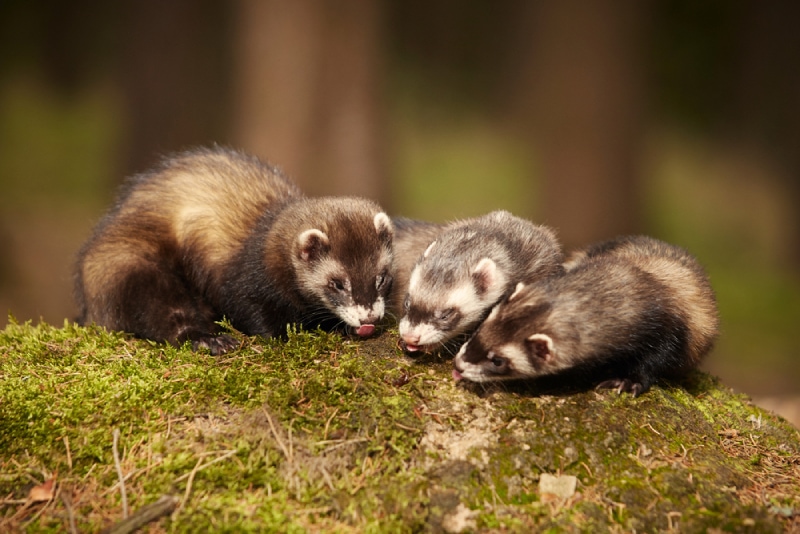
While ferrets may not be the best companions for other pets, they are excellent buddies for other ferrets. In fact, ferrets are much happier when kept as a small group, although breeding can occur if the ferrets aren’t fixed (and you have males and females), so this needs to be considered and dealt with.
Three is considered the ideal number of ferrets since they can become depressed when another passes. If you have three in the same house, another ferret will be nearby to soften the blow of a loss.
9. They Have a Decent Lifespan
For such small creatures, ferrets have a decent lifespan. On average, ferrets can live anywhere from 6–10 years. Sadly, health conditions and accidents can cut their lives much shorter.
To keep your pet as healthy as possible, it is advised that you keep in frequent contact with your vet and take your pet to regular veterinary checkups. Giving your ferret essential vaccinations and other preventative care can go a long way to ensuring the quality of their life.
10. Ferrets Are Illegal to Own in Certain States
As sweet and playful as ferrets are, they are not allowed in every state within the United States. Currently, you cannot legally own a ferret in California or Hawaii, or in New York City or Washington D.C. Likewise, they cannot be brought into Puerto Rico.
Other countries, towns or villages may have specific rules regarding ferret ownership, so be sure to check with your local authorities to verify whether ferrets are legal in your area.
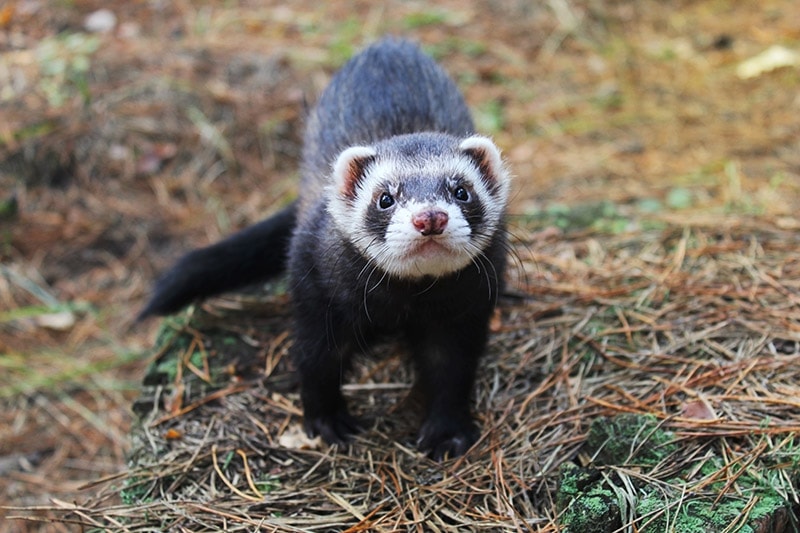
11. They May Be Prone to Certain Cancers
Unfortunately, ferrets are prone to certain types of tumors, some benign and others malignant. .
Of the malignant tumors, mast cell tumors (a type of skin tumor) and lymphoma (cancer affecting the immune cells) are the most common.
Ferrets also commonly are affected by a benign type of tumor of the pancreas, called an insulinoma. This tumor produces more insulin than the ferret needs which can lead to a dangerously low blood sugar level (hypoglycemia).
Adrenal disease is also common in ferrets.
12. Pet Ferrets Are Becoming Easier to Find
While pet ferrets used to be uncommon, they are growing increasingly prevalent among pet owners today. Ferret breeders now exist in several states, and some rescue centers even accept ferrets.
When searching for a pet ferret, be wary of irresponsible breeders. Finding an ethical and reputable breeder is a vital first step to ensuring you bring home a pet with a promising, healthy future. The next step is to provide proper care for your pet, which is growing easier by the day as more ferret-related resources are available.
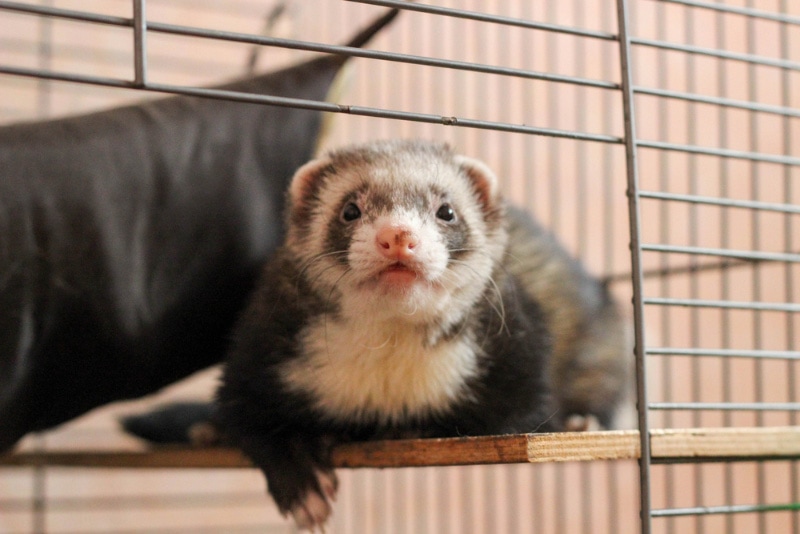
13. Upfront Costs of Ferrets Are Affordable
When compared to cats and dogs, the upfront costs of ferrets are pretty affordable. A baby ferret typically costs between $100 - $300 at a pet store. If you search at a shelter, you can find them for less with adoption fees at about $200. Pedigree breeders will charge more, usually between $375-$500
Most upfront costs will go to providing the supplies needed for your pet’s care and any essential veterinary procedures (such as spaying or neutering and vaccinating).
14. They Require Special Grooming Care
Once per week, ferrets need grooming in order to reduce their shedding. Brushing your ferret will reduce the amount it ingests when grooming itself, therefore helping with fur balls. Your ferret will need their nails trimmed every few weeks and their ears cleaned. To clean their mouth, you can place pet toothpaste on a cotton swab to gently scrub their teeth. If your ferret has bad breath that doesn’t improve with cleaning its teeth, it is best to take it to the vet for a dental examination. Ferrets can be bathed in a few inches of water if they get into something stinky, but this usually isn’t necessary as ferrets are fastidious groomers.
Grooming your pet can seem like a daunting task, but it doesn’t have to be. If you make it a part of your routine, your ferret can anticipate it and know what to expect. This reduces your ferret’s stress and helps keep you relaxed as well.
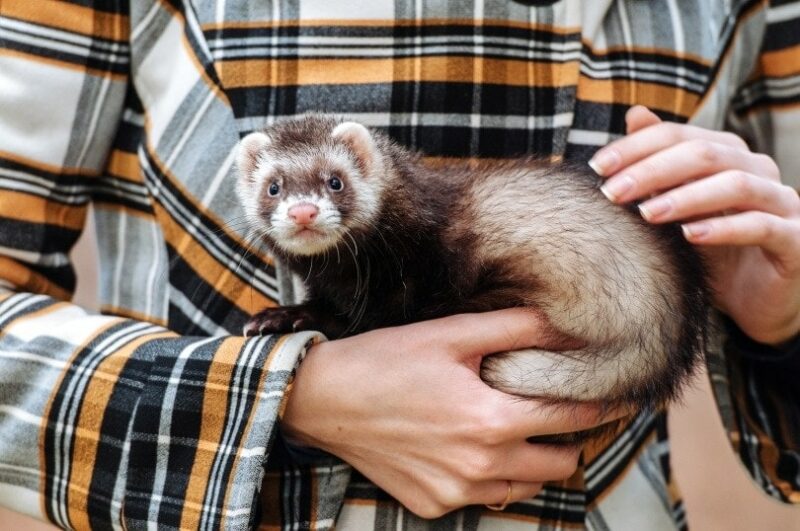
15. Bigger Cages Are Better for Ferrets
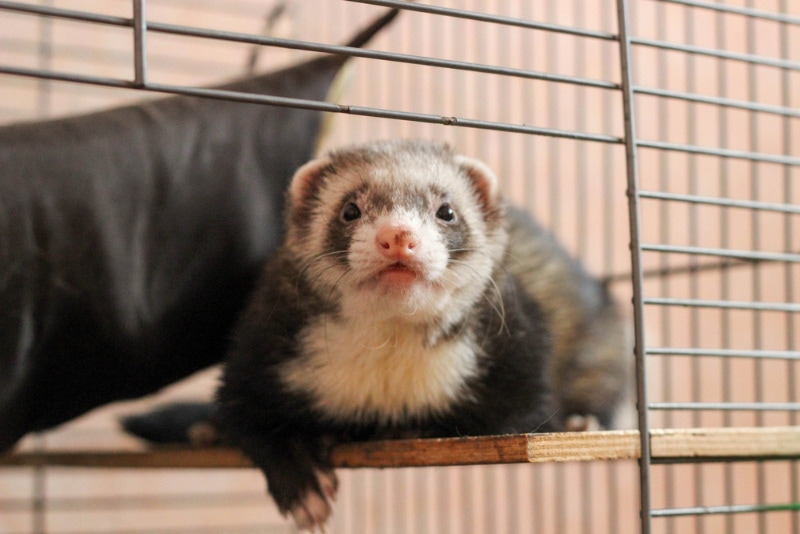
To best care for your ferret, purchase a large cage. A wire cage at least 3 feet wide by 3 feet deep by 2 feet high is sufficient for a ferret to roam when confined. Ensure the bars of the cage are no more than 1 inch apart and that the cage has a solid floor. Walking on bars may harm the pads on the ferret’s feet.
16. Ferrets Are Social Animals
Ferrets are highly social animals, meaning they shouldn’t be left alone for long. While keeping a ferret in a cage is a good way to give them a safe haven, the cage should not be the only place they stay.
You should allow your ferret out of the cage for several supervised hours per day so that they can exercise and socialize. Ferrets are best kept in small groups rather than alone.
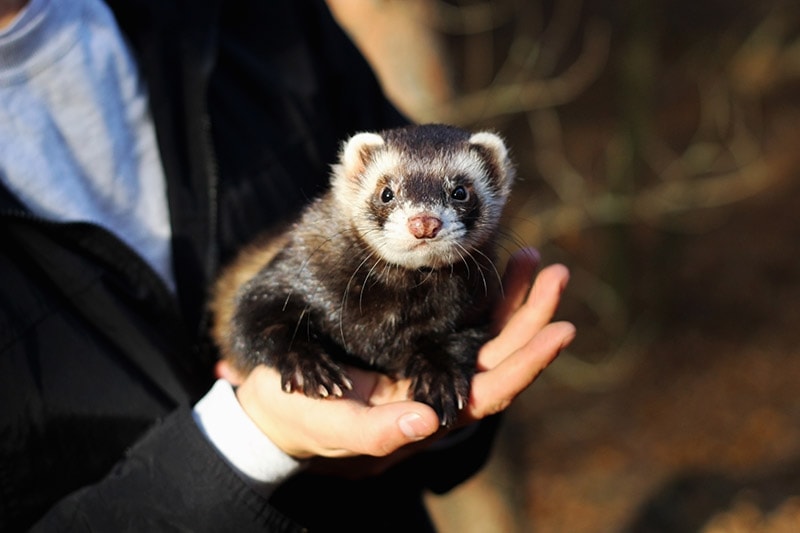
17. Ferrets Are a Part of the Weasel Family
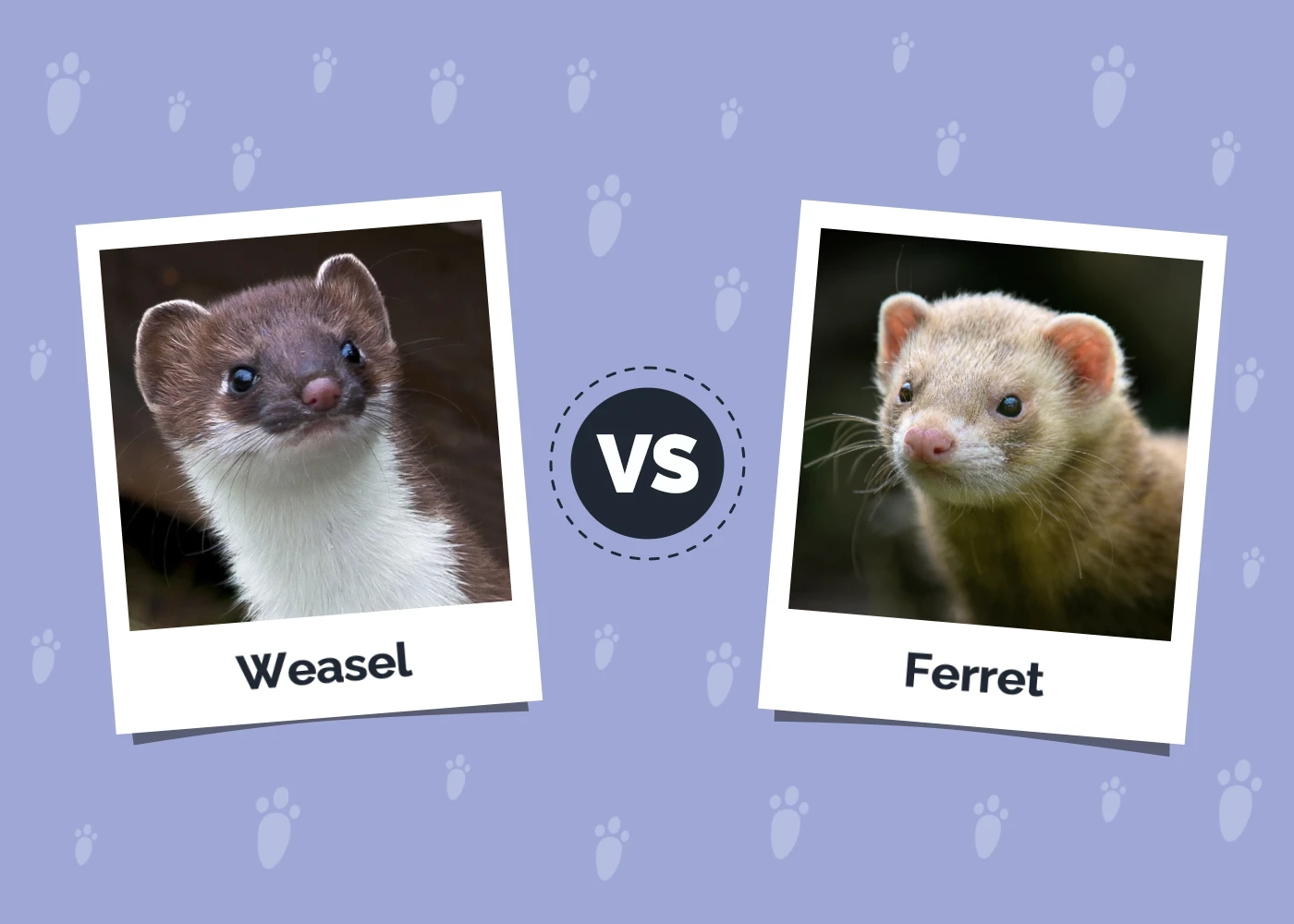
Ferrets are a members of the weasel family (Mustelidae), which includes stoats, skunks, mink, and polecats. It is believed that domesticated ferrets are descendants of the European polecat.
The name “ferret” comes from the Latin word furittus, which translates to “little thief.” This is likely a reference to the habit that some members of the weasel family have of stealing items and hiding them away.
If you have been missing a few small trinkets, check out your ferret’s favorite hiding spots. Chances are, they’ve stashed something away there.
18. They Were Domesticated Around 2,500 Years Ago
Thousands of years ago, humans first domesticated ferrets. In the past, ferrets were used as hunting companions. They were valuable partners in capturing rabbits and rodents, and their lean bodies made them adept at chasing small creatures out of underground burrows.
If you’ve ever heard the expression “ferret out,” the ferret’s ability to chase prey out of tunnels is where it comes from. Near the end of the Civil War to the start of World War II, ferrets were commonly put to work to protect grain stores from rodents. When the 1980s rolled around, they gained popularity as friendly companions.
19. There Are Many Names for Male and Female Ferrets
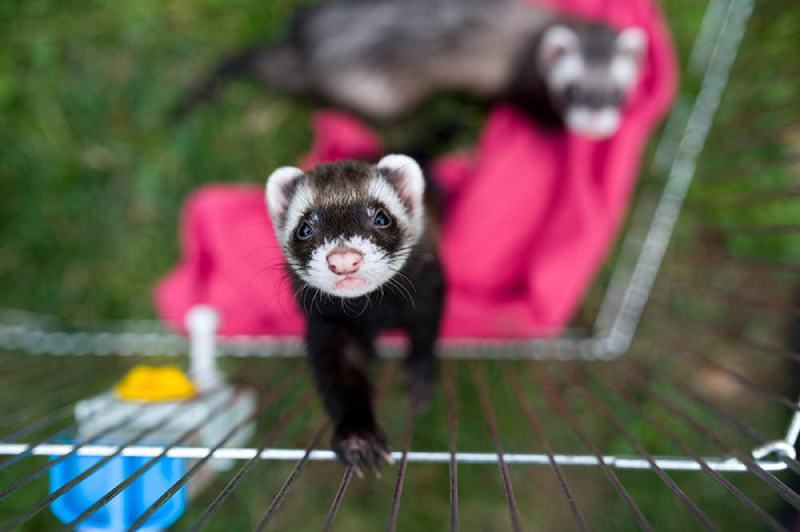
We’ve mentioned one of the many names for ferrets once already in this article. Baby ferrets are known as kits if they are less than 1 year old. Males and females can be further differentiated depending on whether they have been fixed.
Intact males are known as hobs, and neutered males are known as gibs. As for intact females, they are called jills, and spayed females are called sprites. If you ever encounter a group of ferrets, you can call them a fesnyng or a business.
20. Kits Are Born with White Fur
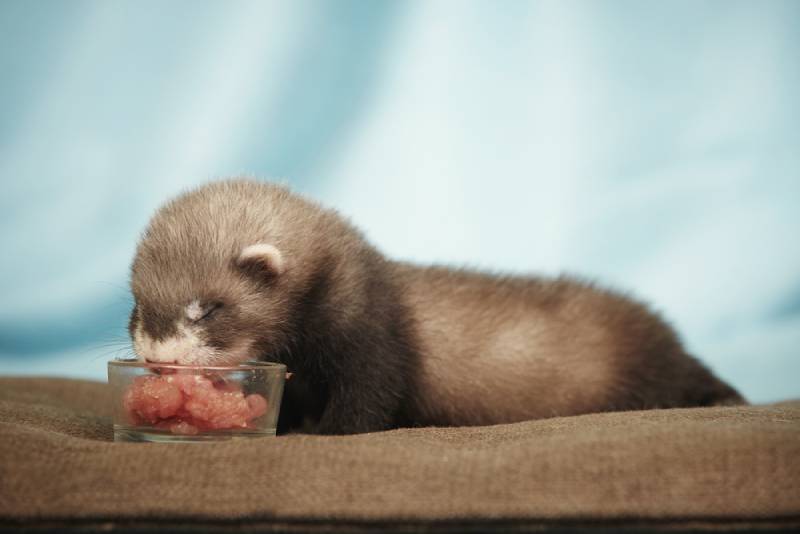
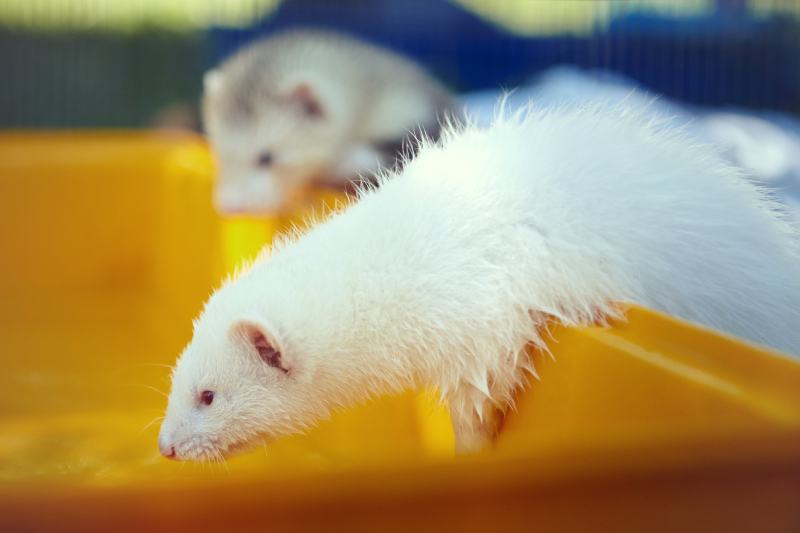
Although adult ferrets can come in various colors, kits are born with pure white fur. They will not display their color until at least 3 weeks of age, so you won’t be able to tell what your ferret will look like until they grow a bit more. As a result, it can be tough to determine precisely what a ferret will look like until they get older.
Conclusion
Ferrets are fascinating animals, and there will always be something new to learn about them. They assisted humans by hunting rodents for a few thousand years, but today, they’re mostly kept as companion animals. We hope this article has helped you learn something new about these amazing creatures. If you are eager to learn more or want to know whether the ferret could be a good pet for you, do thorough research to understand the ferret’s personality and needs.
Related read: Why Does My Ferret Randomly Lay Down?
Sources
Featured Image Credit: Couperfield, Shutterstock
Get Hepper In Your Inbox


Pet care tips from our vets and experts, straight to your inbox.
You may opt-out at any time. View our Privacy Policy for more information.
Pets are Jordyn’s passion, cats especially. Whenever she has the opportunity, she loves to learn about them and share her knowledge with everyone. She is devoted to her tabby cat named Jack and works hard to buy him his favorite treats and toys. Discovering new ways to better care for her pet is always on her to-do list, and she is eager to help pet parents everywhere who have similar pursuits. In her spare time, she loves to read, write, and take long walks. She has a creative spirit, which often helps her to come up with funny cat names.
Join the conversation
Ask a question, share your story, or send private feedback.