Hepper is reader-supported. When you buy via links on our site, we may earn an affiliate commission at no cost to you. Learn more.
Can Fleas Kill a Dog? Vet-Approved Facts & FAQs


In this article
If you’ve ever had to deal with fleas, you’ll know how frustrating they can be, for both you and your dog. But fleas can be more than just an annoyance, they can pose a serious health risk to your dog. But can they actually kill your dog? Yes, they can. Of course, there is more to this answer, so let’s take a closer look at fleas, how they’re treated, and how they can affect your dog’s health.

What Are Fleas?
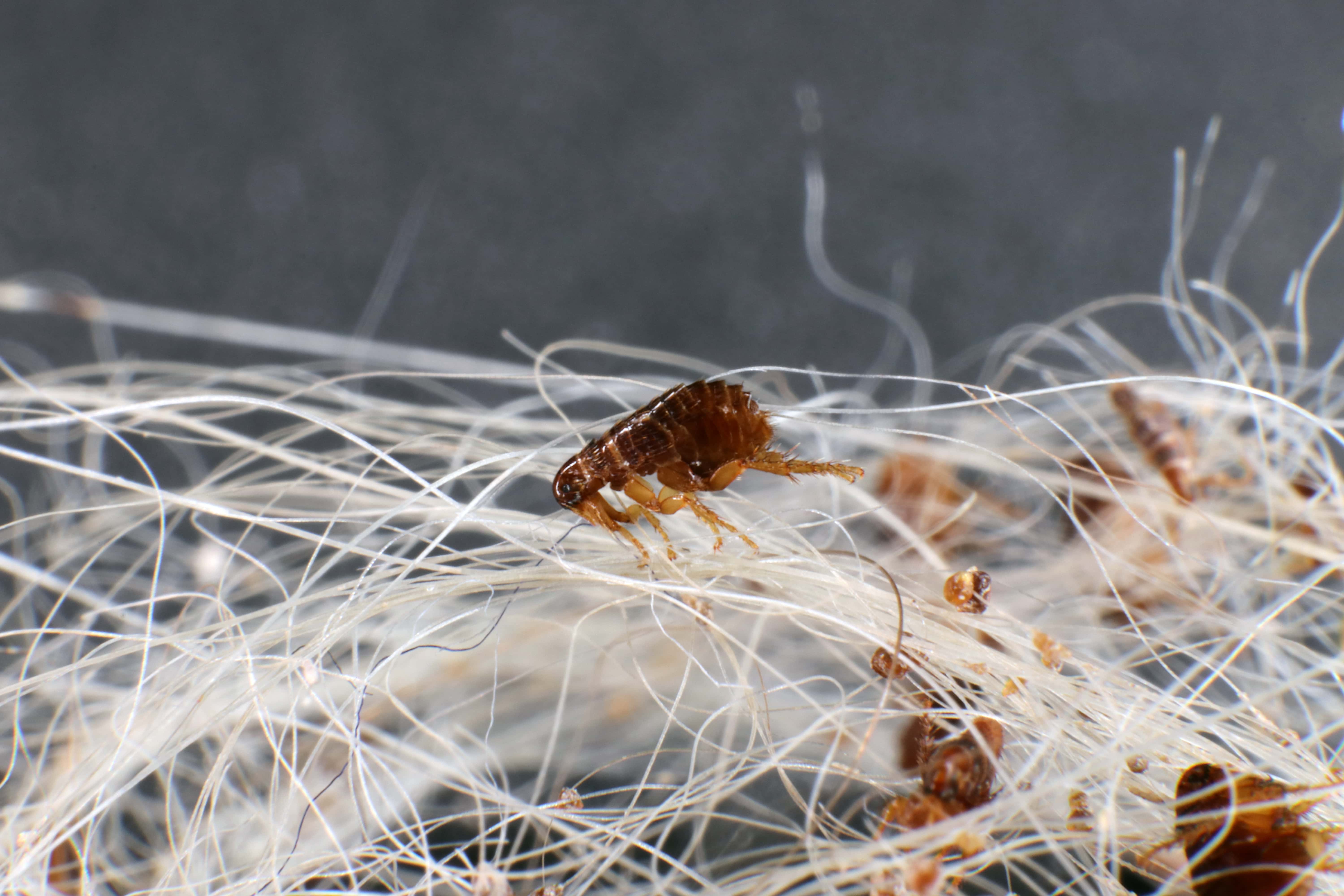
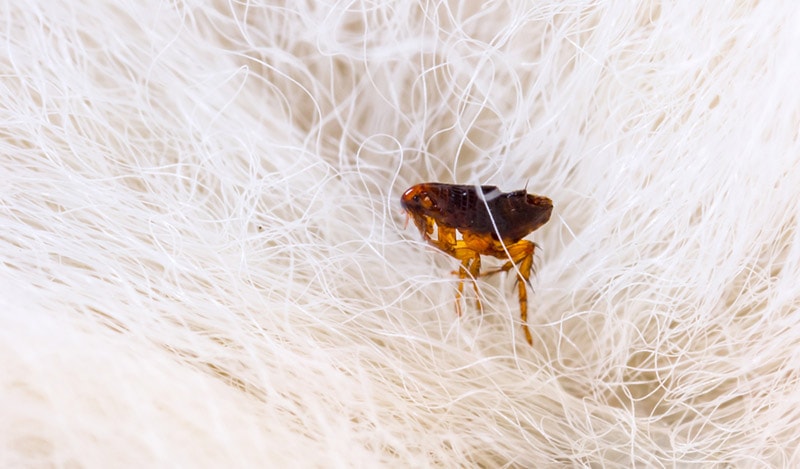
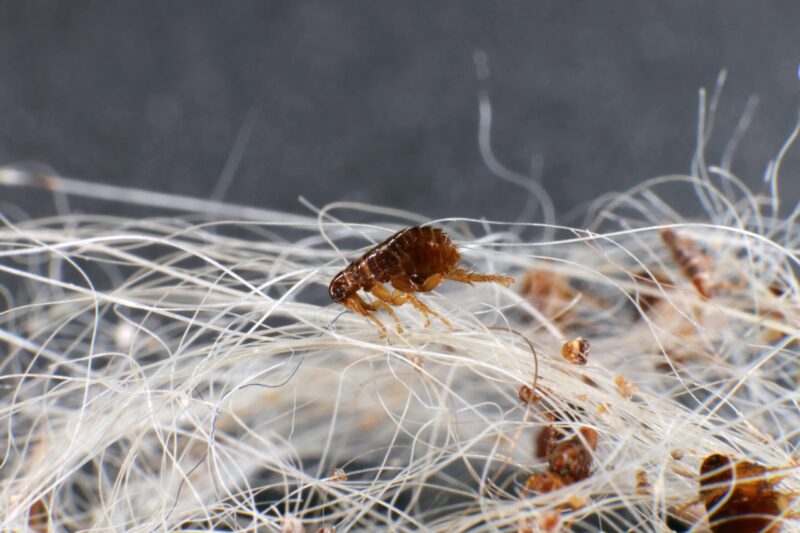
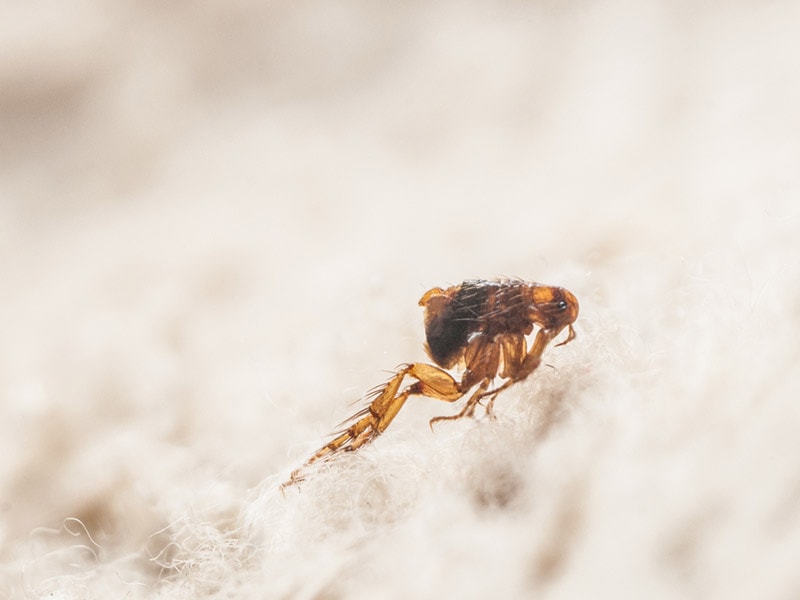
Fleas are tiny—they are so small that if you lined up eight adult fleas from end to end, they would fit comfortably inside an inch. This means they’re incredibly difficult to detect in your home. They’re wingless, with a compressed or flattened body that’s a reddish-brown color. They have an 8-inch vertical leap, which makes it easy for them to hop from the ground to your pet.
They feed off the carrier’s blood, and female fleas can consume around 15 times their body weight each day. Fleas will excrete partially digested blood (flea dirt). This serves as food for developing flea larvae and provides veterinarians and owners with a way to identify an infestation.
Threats to Your Pet
Apart from the fact that fleas make your pet miserable, they can also pose serious health risks depending on your dog’s age and overall physical health.1
They Cause Severe Discomfort
If your dog has fleas, you might notice some of these signs:
Flea Allergy Dermatitis (FAD)
The primary cause of allergic reactions in dogs is FAD. When your dog has an allergic reaction, their body’s immune system is hypersensitive or overreacts to a generally harmless antigen. Fleas don't usually stay on the dog except to feed, where they will bite to obtain the blood they need to reproduce.
When a flea feeds, it injects saliva into the skin, and the saliva’s antigens irritate sensitive dogs. Infected canines don't have to be covered with fleas to experience itching since a single bite can irritate them for days.

Transmission of a Tapeworm Infection
Tapeworms can be passed onto your dog if they ingest a flea, and the tapeworm will grow inside your dog. They can start off as small as half an inch and look a little like a maggot, but they can grow as long as 12 inches. They cause an itchy rear end and weight loss.
While there are not usually health problems associated with tapeworms, they can be uncomfortable. Also, a heavy infestation can be serious for puppies, resulting in a lack of growth, intestinal blockages, and anemia. Thankfully, they are also easily treated by your vet in the form of deworming medications, which are simple and effective.
Anemia
Since fleas live off blood, the dog’s blood supply decreases when their numbers increase. This can be detrimental for a small dog or a puppy, especially if left untreated.
As time passes, your dog will become weaker and weaker. They might stop eating, start vomiting, and their gums will become whiter.
They will eventually find it difficult to stand. This is when your dog’s case is severe, and you must contact the vet as soon as possible. In severe cases, your dog will require a blood transfusion and will most likely stay at the vet for several days. Anemia is extremely dangerous and fatal to puppies, smaller dogs, or weaker older dogs.

Treatment for Fleas
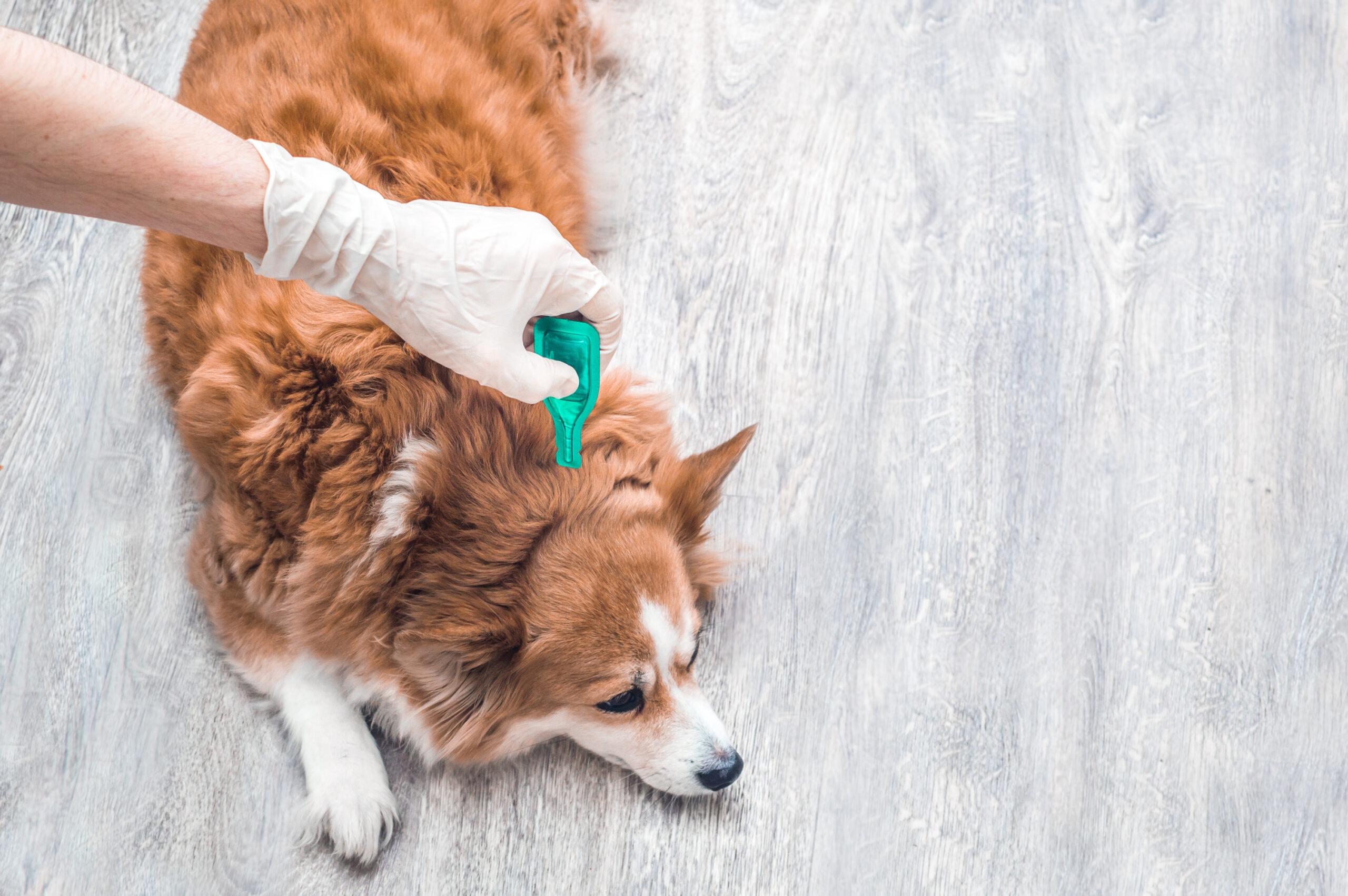
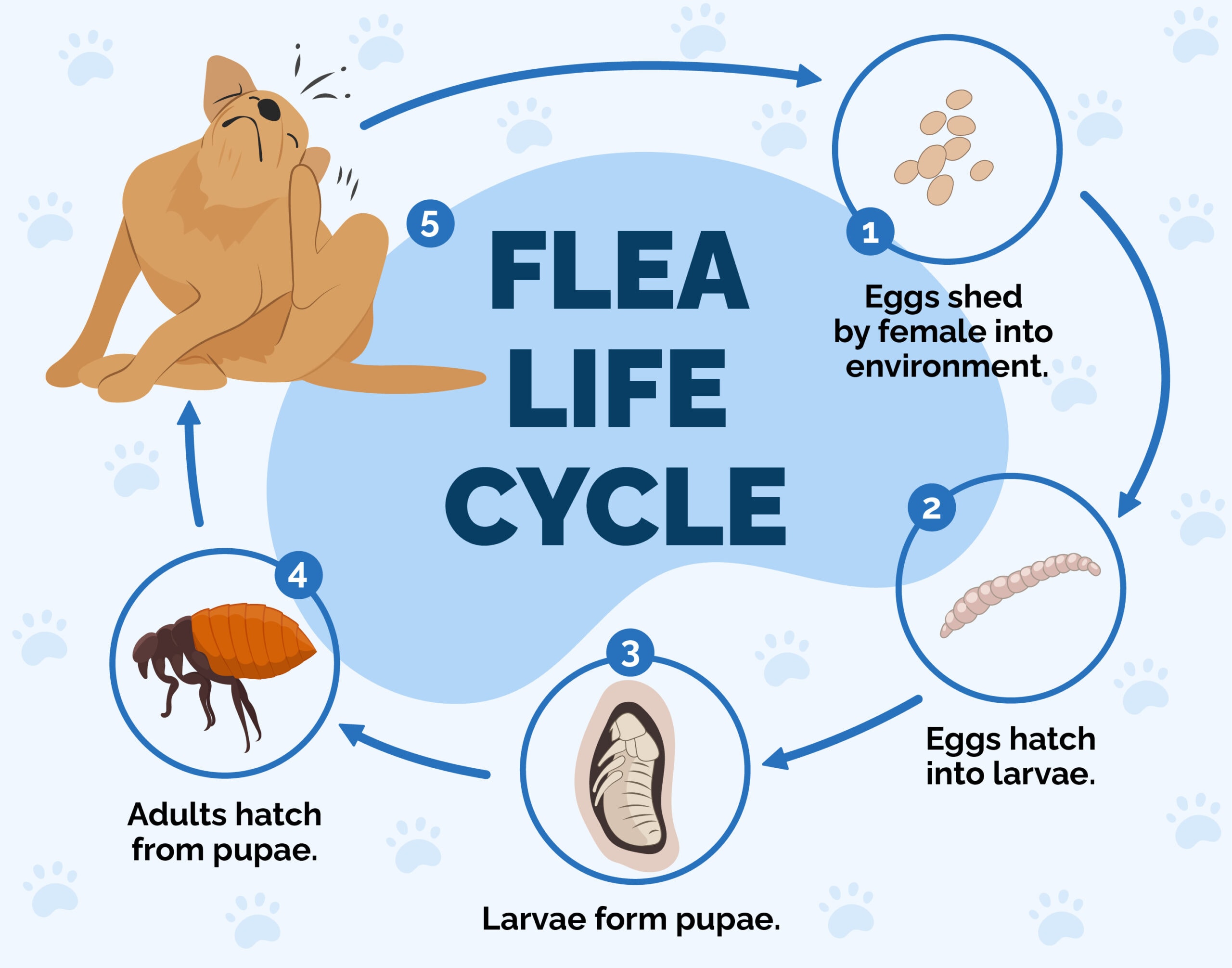
Getting rid of fleas is a difficult process thanks to the long lifecycle of a flea. The time it takes will also depend on how severe the infestation is. Here is a four-step process to completely eliminating fleas from your dog and home:
Conclusion
Fleas can not only be incredibly uncomfortable, but they can also result in a host of problems that, most severely, can lead to the death of your dog if left untreated. They can be tricky to get rid of, and the risk of fleas being a long-term problem is high if the proper precautions aren’t taken, like treating your home.
This can be time-consuming, thanks to the complicated lifecycle of the flea, but if you’re having trouble, ask your vet for advice. You may have to hire a professional pest control technician for severe infestations.
Related Read:
Can Dogs Get Lice From Humans? 9 Signs of Infection in a Dog
How Long Does Flea Medicine Take to Dry? Vet-Approved Facts & Tips
Sources
Featured Image Credit: Mi St, Shutterstock
Get Hepper In Your Inbox


Pet care tips from our vets and experts, straight to your inbox.
You may opt-out at any time. View our Privacy Policy for more information.
Kerry-Ann lives in Scotland and wishes her garden was bigger so she could have her very own Highland cow. But her dogs probably wouldn’t like that very much. She has a La Chon called Harry who was poorly with a liver shunt when he was a puppy. It wasn't likely he would make it into adulthood, which was difficult, but he beat the odds and is a healthy old man now. She also has a Pug called Maddie who is a big foodie. She’s small, sassy, and every day she finds a new way to mess with her brother.
When she isn’t writing you can find Kerry-Ann going for long walks when the weather isn't bad, reading, or watching cartoons when she should be tidying her house. She would one day like to be a tourist in her own country and travel through the Highlands with her family.
Join the conversation
Ask a question, share your story, or send private feedback.