Hepper is reader-supported. When you buy via links on our site, we may earn an affiliate commission at no cost to you. Learn more.
Can Guinea Pigs Eat Apple Skin? Vet-Approved Nutrition & Risks


In this article
To address the query that's probably been popping into your head, let's clear the air. Yes, your cute little guinea pig can most certainly nibble on apple skin provided that it’s thoroughly washed. It might not just be a matter of whether they can, but more a matter of if they will. Guinea pigs can develop quite a fondness for the delectable crunch and sweetness that apple skin brings to the table. But don't let that whisk you away into tossing whole apples into your pet's enclosure just yet!
Like all good things in life, apple skin should come to your guinea pig in moderation. It's a tempting treat, no doubt, and while it is healthy in small doses, serving it like a primary course could upset the nutritional balance in your furry friend's diet. Now that we've settled the core question, let's peel back the layers to understand why moderation is key and how to safely include apple skin in your guinea pig's munching routine.

Serving Apples to Guinea Pigs
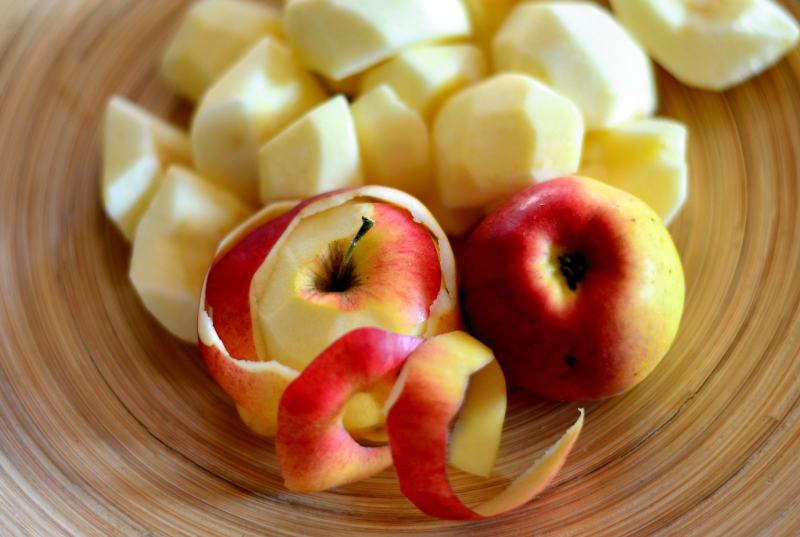
Before you pitch an apple into your guinea pig's pen, there are a few preparatory steps to keep in mind. The initial task on the list is giving the apple a thorough rinse. You'll want to wash away any lurking pesticides or chemicals that could pose a risk to your guinea pig's health.
Another crucial pointer is about the apple's core and seeds. While the skin gets a thumbs-up, the seeds are a strict no-no for your guinea pig. Why? Apple seeds have a trace amount of a compound that can release cyanide—a toxic substance, even in minute quantities. So, always ensure to de-core the apple before it goes into your guinea pig's meal.
The Importance of Moderation
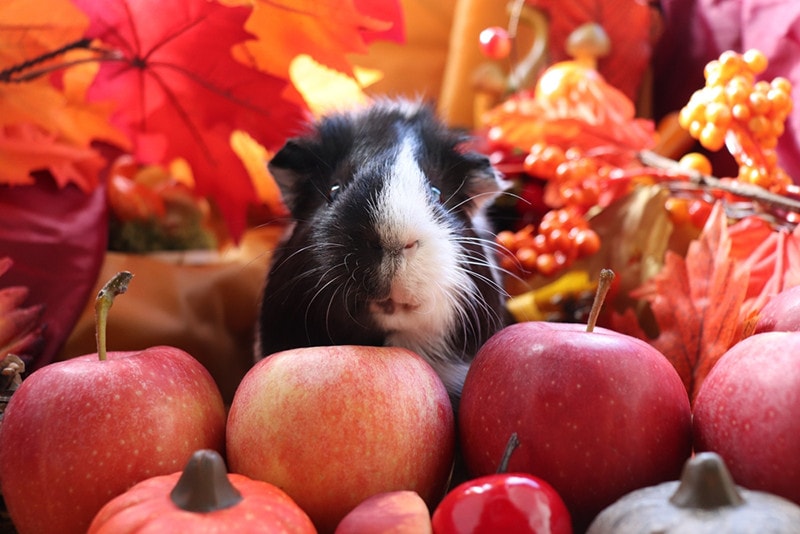
If guinea pigs can eat apple skin, why is there a need to control the quantity? The primary reason is sugar. Apples, along with their skin, carry a fair share of natural sugar. While a tiny bit of sugar won't send your guinea pig into a health spiral, an overabundance of it can lead to conditions like obesity and diabetes—both unwelcome guests in your pet's life.
There's another aspect to consider: the digestibility of apple skin. While guinea pigs can process apple skin, it can be a bit taxing on their digestive system, particularly if given in large chunks or quantities. So, a modest serving of apple skin strikes the right balance between a delightful treat and a manageable digestive task for your guinea pig.
A Peek into the Nutritional Profile of Apples
Apples, with their skin, bring a nutritional gift to your guinea pig's mealtime. They come packed with vitamin C, a vital nutrient that guinea pigs cannot synthesize on their own, making dietary intake essential. The lack of vitamin C can lead to a condition known as scurvy, a health concern you'd want your guinea pig to steer clear of.
In addition to vitamin C, apples also offer a good amount of dietary fiber. This humble nutrient is a superhero when it comes to maintaining your guinea pig's digestive health. It helps regulate bowel movements and wards off digestive issues like constipation.
Exploring Other Dietary Options for Your Guinea Pig
The secret to a healthy and happy guinea pig isn't a heavy reliance on one food source, but rather, a balance of many. Feeding your guinea pig apple skin can certainly be part of this balance, contributing both taste and nutritional benefits.
The majority of your guinea pig's diet should be rich in leafy greens. Romaine lettuce, spinach, parsley—they all make excellent mainstay food items. Vegetables like bell peppers, zucchini, and carrots add a welcome change in taste and texture. Also, don't forget the guinea pig pellets—a key source of various nutrients to round off your pet's dietary needs.
Final Thoughts
In conclusion, apple skin and guinea pigs can indeed go hand-in-hand, with the skin serving as a crunchy, sweet surprise in your pet's mealtime routine. But remember, the golden rule is moderation, as you aim to balance the delightful treat against potential sugar overload and digestive challenges. Always ensure the apple—skin, flesh, but definitely not seeds—is well-washed before you serve it to your guinea pig.
Sources
Featured Image Credit: jackmac34, Pixabay
Get Hepper In Your Inbox


Pet care tips from our vets and experts, straight to your inbox.
You may opt-out at any time. View our Privacy Policy for more information.
Melody Russell is an experienced pet enthusiast with a background in the animal care industry. She has worked at a zoo, served as a dedicated pet sitter, and has a passion for breeding and raising leopard geckos. As a versatile freelance writer, she excels in various genres, crafting captivating stories, informative articles, and engaging social media content. You can find her cat page, TheCommonKitties_, on Instagram, where she shares the adorable antics of her beloved feline companions. With her practical expertise and creative flair, she is eager to contribute her skills in pet care and writing to make a positive impact on the lives of animals.
Join the conversation
Ask a question, share your story, or send private feedback.