Hepper is reader-supported. When you buy via links on our site, we may earn an affiliate commission at no cost to you. Learn more.
Can Hamsters Eat Yogurt? Vet-Approved Health Facts


In this article
Hamsters are delightful little creatures that can make wonderful pets. Their small size and endearing personalities cause them to be favorites among many animal lovers. While they should primarily eat hay and commercial pellets, they can have many different foods as treats, so you might be wondering if they can eat yogurt, since it is quite healthy for humans.
Yes, hamsters can eat yogurt in small amounts, but there are several precautions that you should be aware of. Keep reading for the pros and cons of feeding yogurt to your pet hamster.

Understanding Your Hamster’s Diet
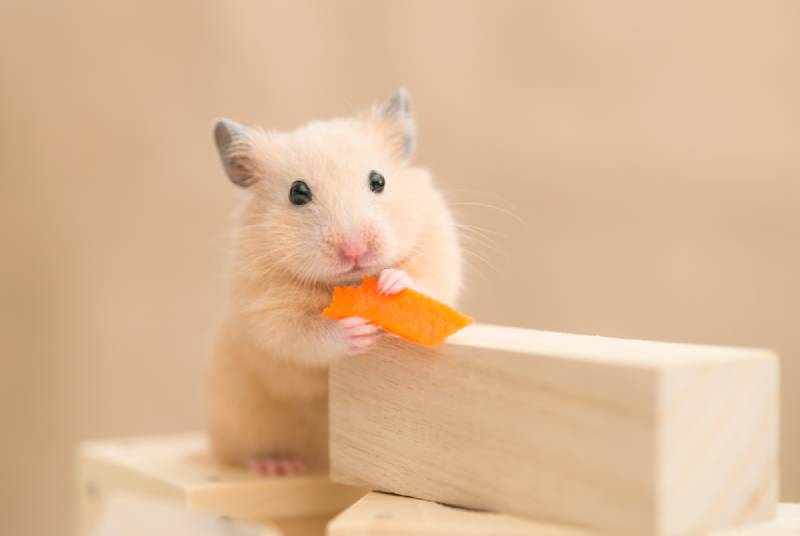
Hamsters are omnivores, which means they can consume both plant-based and animal-based foods. In the wild, their diet consists of seeds, grains, insect larvae, and even larger insects like crickets. As pets, they should be fed good quality commercial hamster pellets, which provide a balanced nutrition for good health. They also require access to clean, fresh water and high-quality hay. Treats include small amounts of fresh vegetables, fruits, seeds, nuts, and insects (or other protein sources such as a bit of boiled egg).
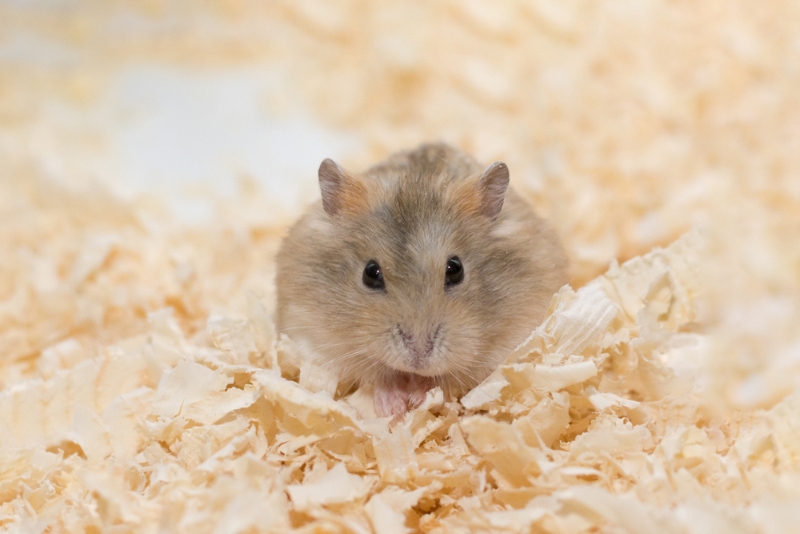
The 5 Pros of Feeding Yogurt to a Hamster
1. Protein
Yogurt is a good source of protein, which is essential for your hamster’s growth, muscle maintenance, and overall health.
2. Calcium
Calcium is necessary for maintaining strong bones and teeth.
3. Probiotics
Yogurt can provide beneficial probiotics (healthy bacteria for the gut) that support a healthy digestive system and are thought to improve a hamster’s immunity to some viral respiratory infections.1
4. Vitamins
Natural yogurt contains various vitamins that contribute to a balanced diet, including many of the vitamin Bs, which can help boost energy, and vitamin D, which can help with bone health.
5. Lactose Tolerance
Unlike other small mammals such as mice and gerbils, hamsters appear to have an unusually high tolerance to lactose. It is thought this may be due to the fermentative capacity of the hamster's pre- gastric pouch (an outpouching of the stomach).

The 3 Cons of Feeding Yogurt to a Hamster
1. Weight Gain
Yogurt can have a large number of calories for a hamster, and overfeeding can contribute to weight gain.
2. Sugar Content
Flavored yogurts often contain added sugars and fruit, which can lead to dental problems, obesity and diabetes.
3. Other Ingredients
Flavored yogurts can contain ingredients that might harm your pet’s health, including chocolate and citrus fruits.
How to Feed Yogurt to Your Hamster
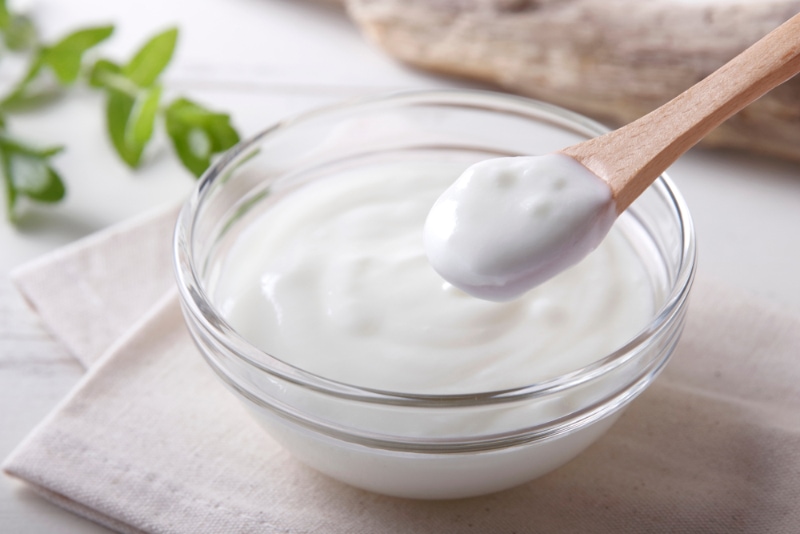
- Choose plain, unsweetened, and unflavored yogurt. Greek yogurt can be a good choice due to its higher protein content.
- Always feed fresh yogurt to your hamster.
- Offer the yogurt in small quantities, no more than 1 teaspoon, as an infrequent treat.
- After the first serving, observe your hamster for any signs of allergies or digestive discomfort. If you notice any adverse reactions, discontinue feeding them yogurt.
The 4 Alternatives to Feeding Yogurt to a Hamster
1. Fresh Fruits and Vegetables
Hamsters can enjoy various fresh fruits and vegetables in moderation. Suitable options include carrots, apples, broccoli, and cucumber. Wash them thoroughly and remove any seeds or pits.
2. Nuts and Seeds
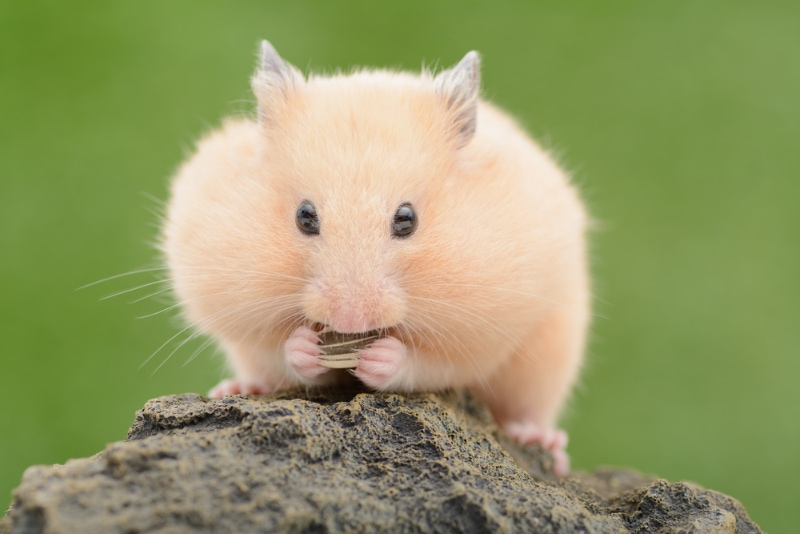
Hamsters can have small amounts of nuts and seeds, including sunflower seeds, pumpkin seeds, and unsalted peanuts. Be cautious with portion sizes, as these are calorie-dense foods.
3. Insects
Insects like mealworms and crickets can provide additional protein for your hamster. You can purchase these from pet stores or offer them as occasional live prey. Make sure you remove the insect if the hamster hasn’t eaten it within a few hours.
4. Commercial Hamster Treats
You can find a myriad of commercial hamster treats designed specifically for your pet’s dietary needs.
Tips for a Healthy Diet
- Provide high-quality, commercial hamster pellets as the main component of your hamster’s diet to meet their nutritional needs.
- Provide clean, fresh water in a water bottle or dish.
- Be mindful of portion sizes. Hamsters are small animals and overfeeding them can lead to obesity and the health problems associated with weight gain.
- Offer small portions of fresh fruits and vegetables as occasional treats. Suitable options include carrots, apples, broccoli, and cucumbers. Ensure that they are thoroughly washed and free of seeds or pits.
- Hamsters can have small amounts of nuts and seeds as treats, but be mindful of their high-calorie contents. Examples include sunflower seeds, pumpkin seeds, and unsalted peanuts.
- Provide insects like mealworms and crickets as an occasional source of animal protein.
- Offer high-fiber hay like timothy hay to promote dental health and support digestion. Hamsters enjoy chewing on it, and it’s an excellent source of fiber. They also enjoy using it to help stabilize their tunnels, so it is a form of enrichment too.
- Provide safe chew toys made of hamster-friendly materials to help keep your hamster’s teeth healthy. Chewing is essential for their dental well-being.
- Refrain from feeding human foods to your hamster, such as chocolate, sugary snacks, and processed foods, as these can harm your pet.
- When introducing new foods, watch for signs of allergies or digestive discomfort in your hamster. If you notice adverse reactions, discontinue the new food immediately.
- If you have specific questions or concerns about your hamster’s diet, consult a veterinarian specializing in small animals.
FAQ
How Often Can I Give Yogurt to My Hamster?
Give yogurt to your hamster as an occasional treat, not a regular part of their diet. Once a week in small portions is generally sufficient.
How Much Yogurt Should I Give My Hamster?
To avoid overfeeding your hamster, only offer a small spoonful of plain yogurt.
What Should I Do If My Hamster Shows Signs of an Adverse Reaction to Yogurt?
If your hamster displays any signs of allergies or digestive discomfort after consuming yogurt, discontinue feeding it to them immediately, and consult a veterinarian.

Final Thoughts
You can feed yogurt to your hamster in small amounts as an occasional treat, as long as the yogurt is plain, unsweetened, and unflavored. It can be a tasty treat that your pet enjoys while providing protein, calcium, vitamins, and probiotics. Hamsters usually show a good tolerance to lactose but if any digestive discomfort is seen after eating yogurt, don’t provide it again. You will also need to watch portion sizes and frequency to avoid weight gain.
Sources
Featured Image Credit: olepeshkina, Shutterstock
Get Hepper In Your Inbox


Pet care tips from our vets and experts, straight to your inbox.
You may opt-out at any time. View our Privacy Policy for more information.
Ed Malaker is a veteran writer who has contributed to a wide range of blogs that cover pets, tools, guitars, fitness, and computer programming. When he’s not writing, Ed is usually performing DIY projects around the house or working in the garden. He’s also a musician and spends a lot of time helping people fix their guitars and composing music for independent films.
Join the conversation
Ask a question, share your story, or send private feedback.