Hepper is reader-supported. When you buy via links on our site, we may earn an affiliate commission at no cost to you. Learn more.
Can I Use Rice as Cat Litter? Vet-Reviewed Pros, Cons and Alternatives


In this article
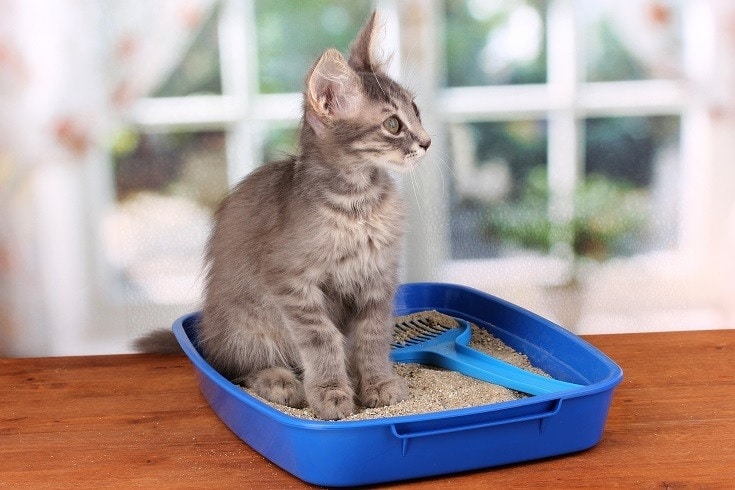
Before clay, non-clumping, and silica litter, cat owners either let their pets outside to do their business or used sand or even fireplace ash for indoor animals. We have come a long way. Entrepreneur Ed Lowe changed lives forever with his invention of kitty litter in 1947. It likely had a direct role in bringing our feline companions inside our home. Today, clumping products are a $900 million industry.
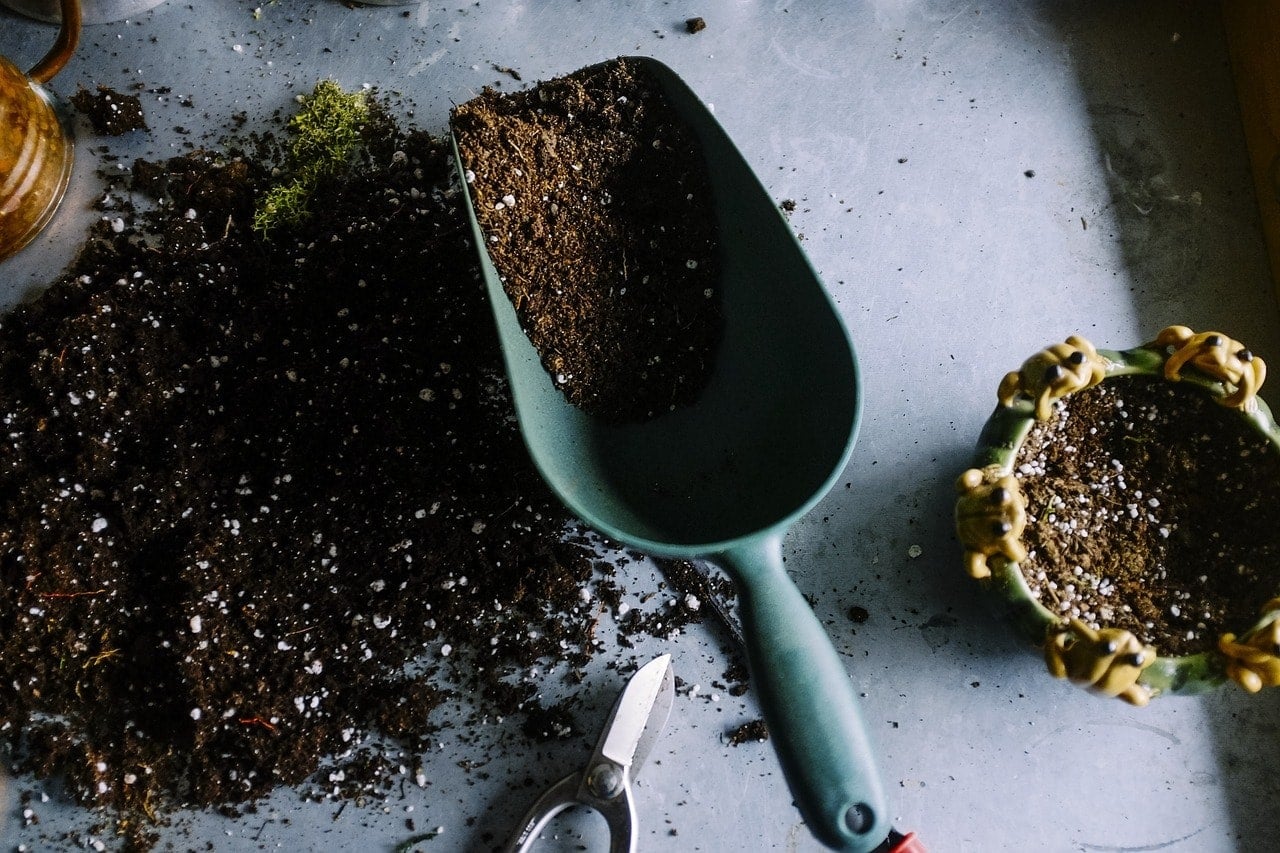
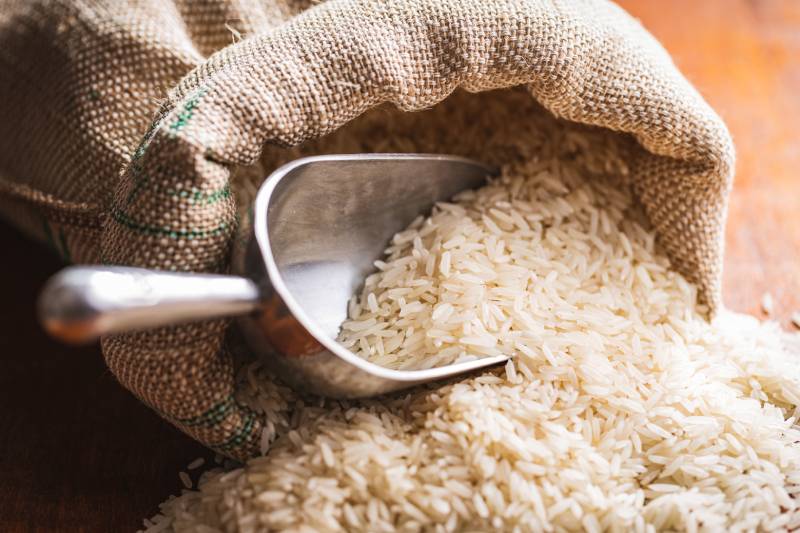
If you run out of your usual product, you may wonder if there are any emergency substitutions you can use. Flour seems unlikely because of the mess. The same thing applies to potting soil or sand. However, uncooked rice may offer a decent solution even if it doesn’t have all the benefits of commercial products. Nevertheless, there are several downsides to using it for litter.

The Pros and Cons of Rice as Litter
History provides an excellent reason why you shouldn’t use rice as an alternative litter. Lowe’s company Tidy Cat brought another innovation to the market in 1991 when it released scoopable litter. The absorbency of the initial product was never an issue. However, maintenance was still messy and unpleasant. This new litter revolutionized the industry. It’s also one thing rice can’t offer.
You can’t scoop rice in the same way you can with a clumping litter. It will absorb urine and expand in size as it does. However, it won’t stick together to make clean-up easier. It does nothing for solid waste, either. The other glaring issue is odor control. Commercial products often contain baking soda, charcoal, or fragrances to eliminate the unpleasantness. Rice alone won’t cut it.
The other problem rests with the animal. Some cats are fussy about their litter boxes and what’s inside them. Most prefer unscented products, and others may object to the texture of rice and the hardness of the grains. They may refuse to use the box. If they do, they may scatter the rice outside of it, creating a bigger mess. In addition, if your cat starts eating the rice this is unhygienic and could lead to an upset stomach.
The only advantage that rice offers is that it is absorbent and safe for your cat. A thin layer under the litter or mixed with it will do the job in a pinch. However, it doesn’t offer a permanent solution. It seems like taking a step backward to the old products that scoopable litter replaced.
Alternatives to Clay-based Litters
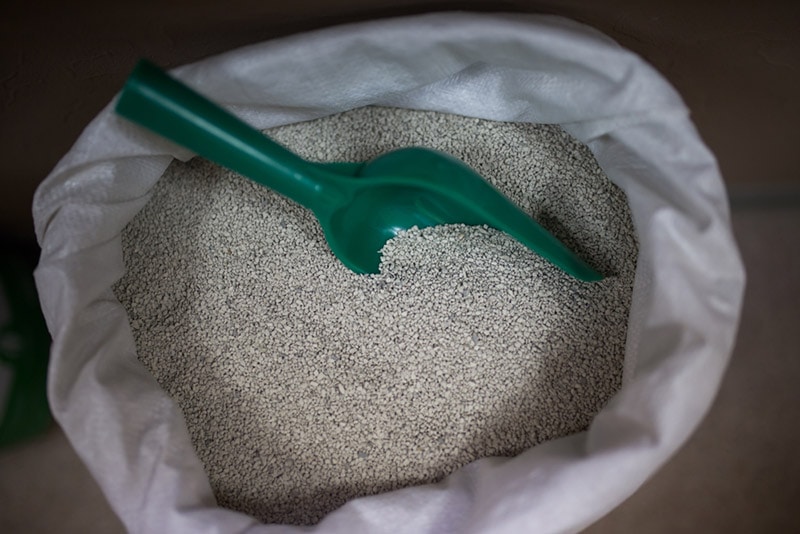
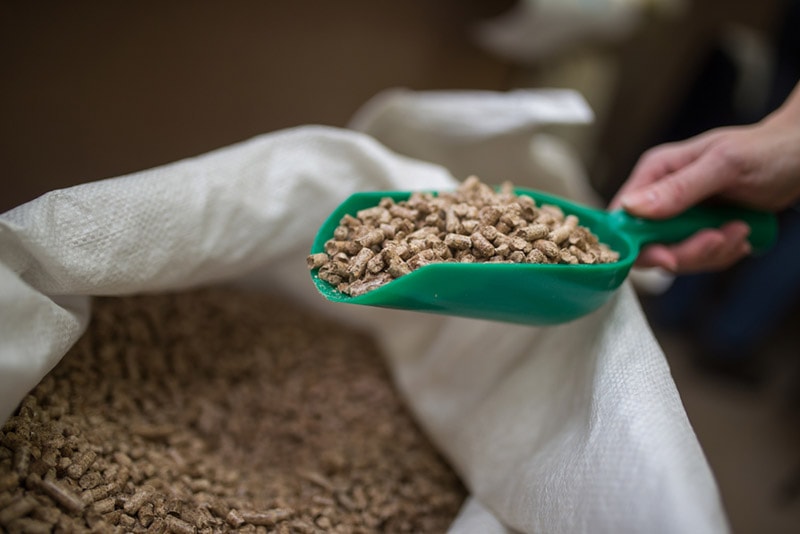
Commercial products contain various types of clay that give them absorbency and clumping features. If you prefer an eco-friendly alternative, you can use litter made from recycled or plant-based materials. Pelleted litter reduces the tracking problem and is dust-free. It’s an excellent choice for pets with respiratory conditions or recovering from surgery.

Final Thoughts
You can use rice as an alternative litter if you run out of your usual brand. However, it is not an ideal fix. While it may absorb liquid waste, it doesn’t clump or offer odor control. Some cats may not like the feel of the hard grains on their paws. You’re better off making sure you have enough cat litter at home to avoid inappropriate elimination outside of the box.
Sources
Featured Image Credit: Jiri Hera, Shutterstock
Get Hepper In Your Inbox


Pet care tips from our vets and experts, straight to your inbox.
You may opt-out at any time. View our Privacy Policy for more information.
Chris is an experienced pet writer specializing in science topics, with a particular passion for health and the environment. She has been a writer for over 15 years and lives with her husband and three cats in Michigan.
Beyond writing about cats and dogs, Chris loves to learn about wine. She has WSET 1 and 2 certifications and is currently pursuing her Certified Wine Specialist Award (CSW).
Join the conversation
Ask a question, share your story, or send private feedback.