Hepper is reader-supported. When you buy via links on our site, we may earn an affiliate commission at no cost to you. Learn more.
What Is Cat Litter Made Of? Vet-Reviewed Interesting Facts


In this article
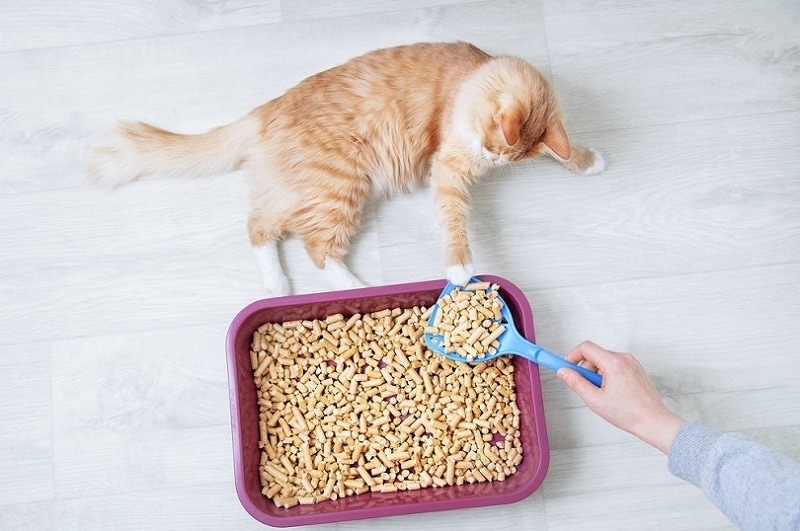
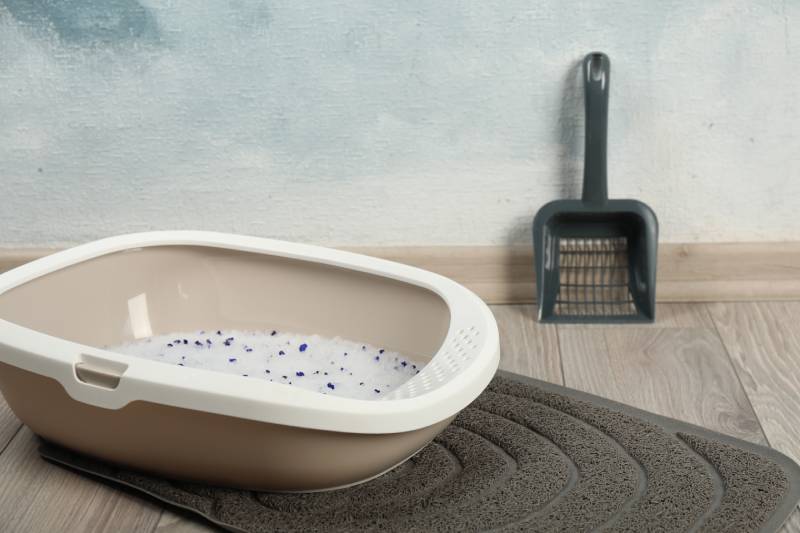
Cat litter is an essential part of owning a cat. It is required in litter boxes to absorb a cat’s waste. Without it, it would be virtually impossible to have an indoor cat and litter box. Cat waste needs to be absorbed, and how that is possible is through, you guessed it, cat litter. But have you ever wondered what cat litter is made of and how it works? In theory, anything that can absorb moisture can be used to make cat litter. Such materials are clay, wood, paper, grain, and grass.
Read on to learn how cat litter is made and how it works to absorb your kitty’s waste.

The History of Cat Litter
Before we get into how cat litter works, let’s explore how cat litter came to be in the first place. Michigan native H. Edward Lowe 1</, a successful business owner in the building supply industry, came up with the idea of using dried ground clay in 1947 after his neighbor asked for suggestions on finding something more absorbent than sand ashes for his cat’s litter box.
In 1994, the cat litter business had become successful enough to generate over $767 million in sales—in 1995, roughly 34.1 million Americans were proud cat parents. The invention of cat litter allowed more people to adopt cats and keep them as indoor cats rather than strictly outdoor cats due to the convenience of cat litter.
Conventional vs. Clumping Cat Litter
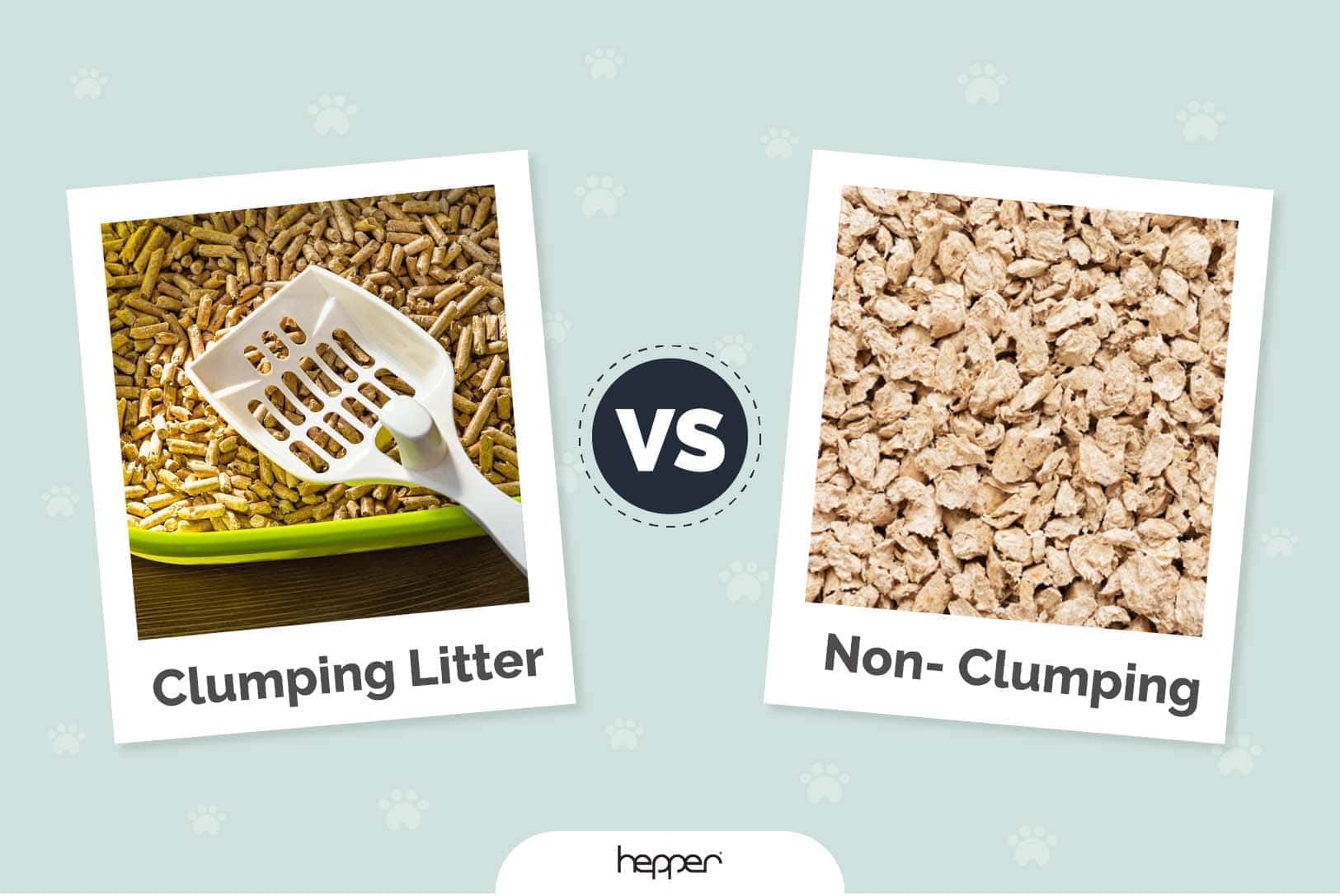
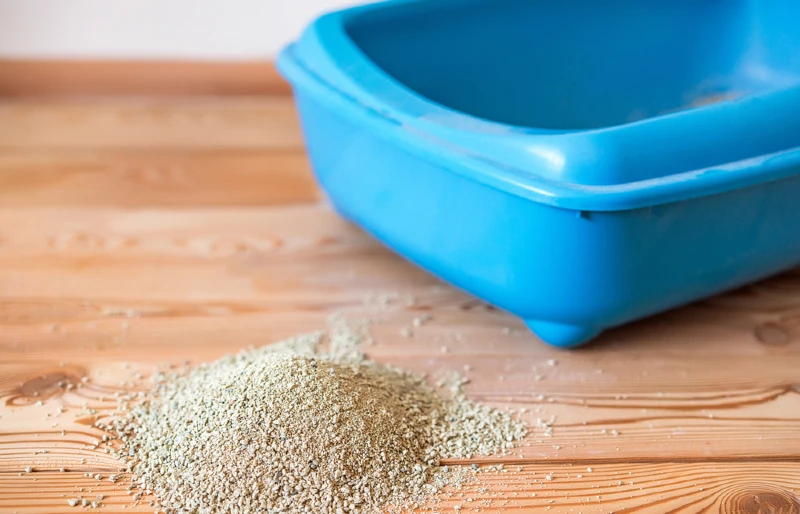
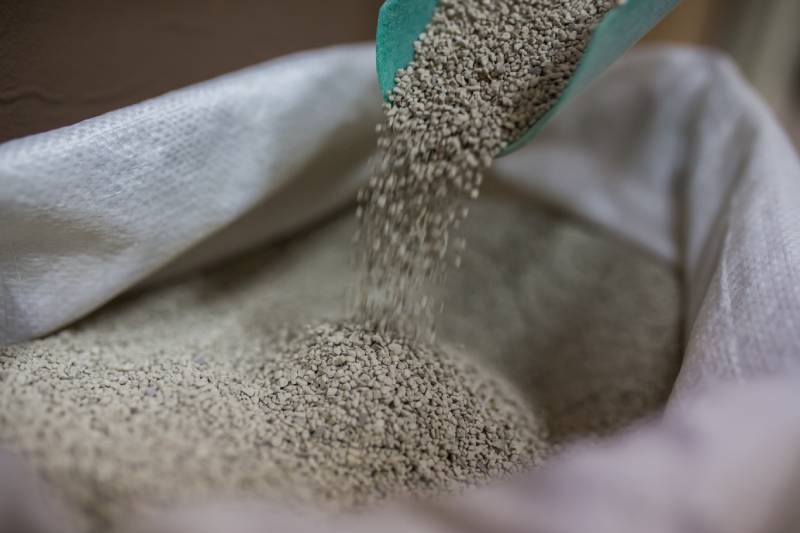
Cat litter can be summed up into two categories: conventional and clumping. Conventional litter, also called non-clumping litter or traditional, has a gravel-like texture with various sizes. Conventional litter may have a deodorizing agent to help with smells, and some advertise being “dust-free.” When using conventional litter, the entire litter box should be emptied when cleaning to ensure a cat has a clean box to potty in.
Clumping litter has been around since 1989 and makes up approximately 30% of the cat litter market. Clumping litter uses smaller granules that “clump” together when wet, hence the name “clumping.” Clumping litter is convenient in that you simply scoop out the clumped portions and add fresh litter, allowing you to use less litter each time you fill the box. Clumping litter is not flawless though; it tends to track through the house because it gets stuck on a cat’s paws.

What Is Cat Litter Made From?
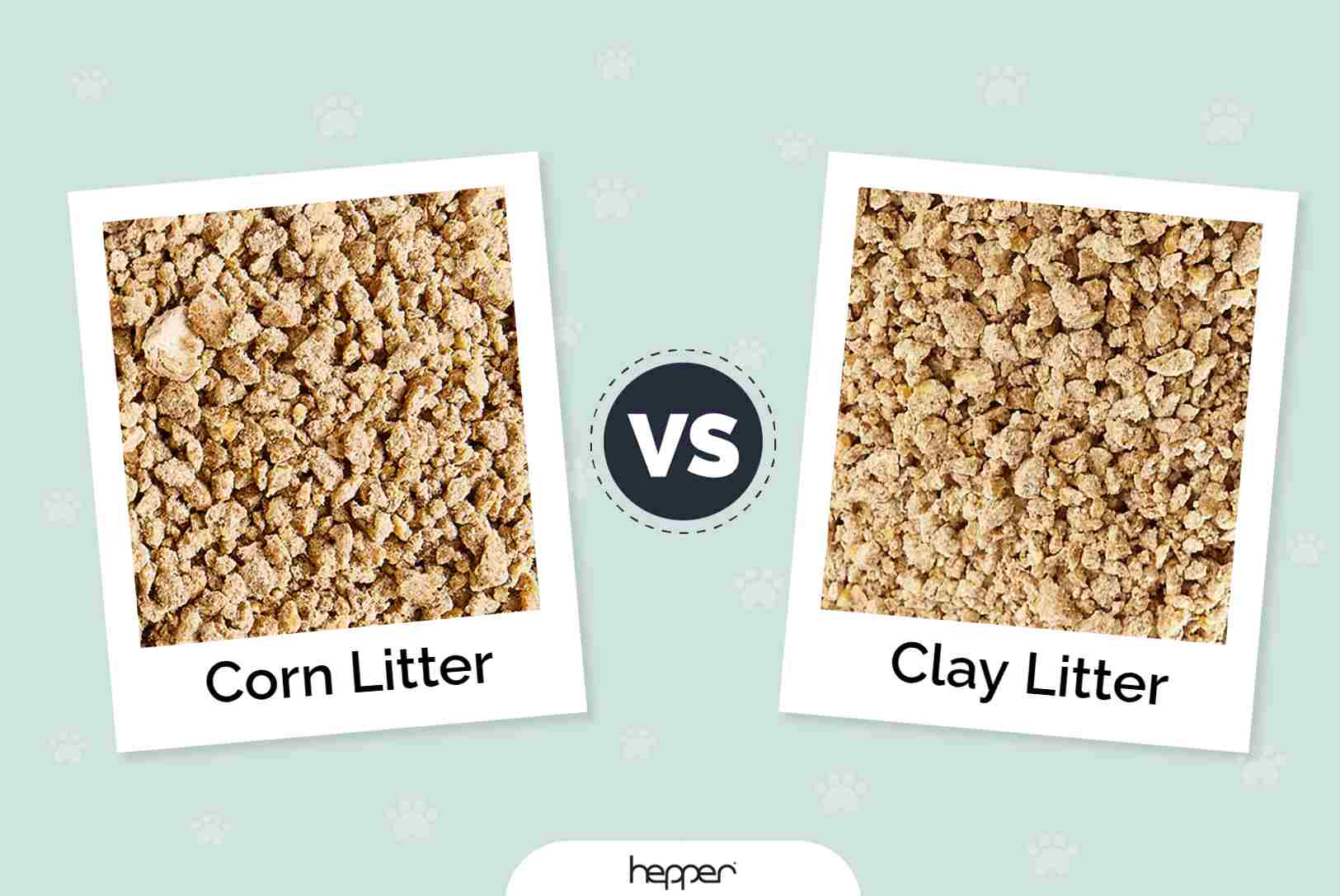
We’ve mentioned that anything that can absorb moisture can be used as cat litter, but let’s dig a little deeper. There are many types of cat litter on the market today that can be summed up into three distinctive types: clay-based, silica-based, and biodegradable.
1. Clay-Based
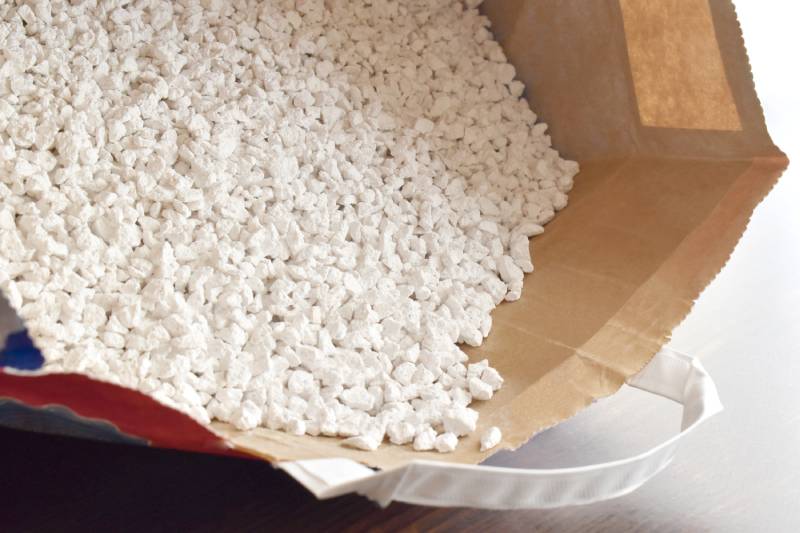
Clay-based litter makes up roughly 95% of the cat litter market and is typically made of bentonite, a type of clay formed through the breakdown of volcanic ash. Bentonite allows the clay to clump when wet. However, traditional clay litter is also available but does not contain the ability to clump when wet. If not changed often, the litter will take on a powerful odor. In this case, baking soda can be used to absorb some of the odor.
2. Silica-Based
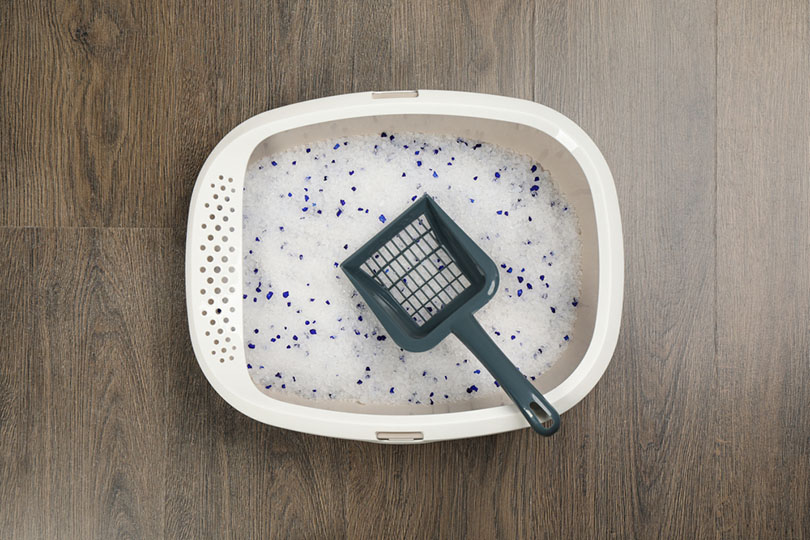
Silica-based cat litter is an excellent alternative for those who do not prefer clay. This cat litter is absorbent and is formed through a silica gel, much like the pouched silica used as a preservative in packages of food, medications, and other consumables that can become damaged from excessive moisture. Silica-based litter tends to produce less dust than clay and does well with odor control. It is more expensive than other litter types but is the best in terms of absorption and odor control.
3. Biodegradable
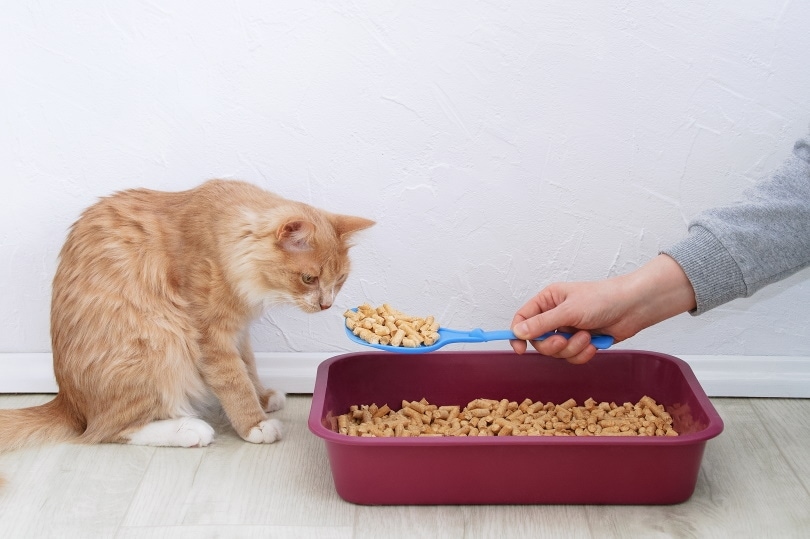
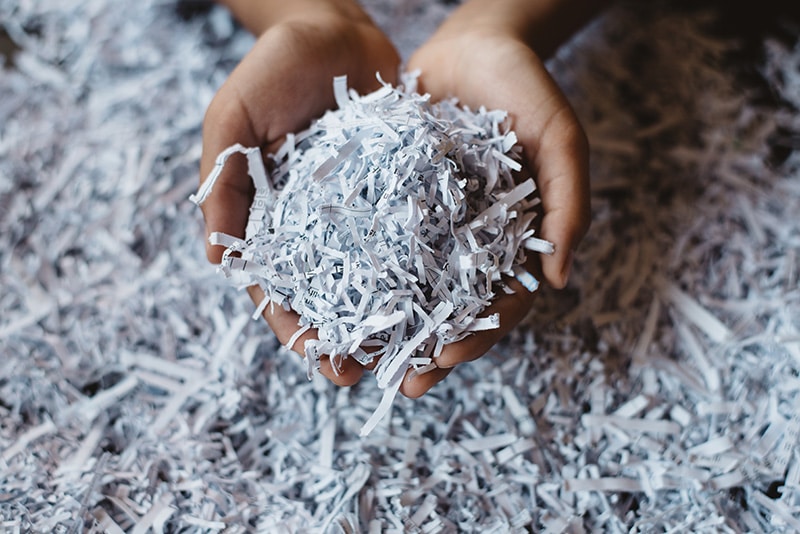
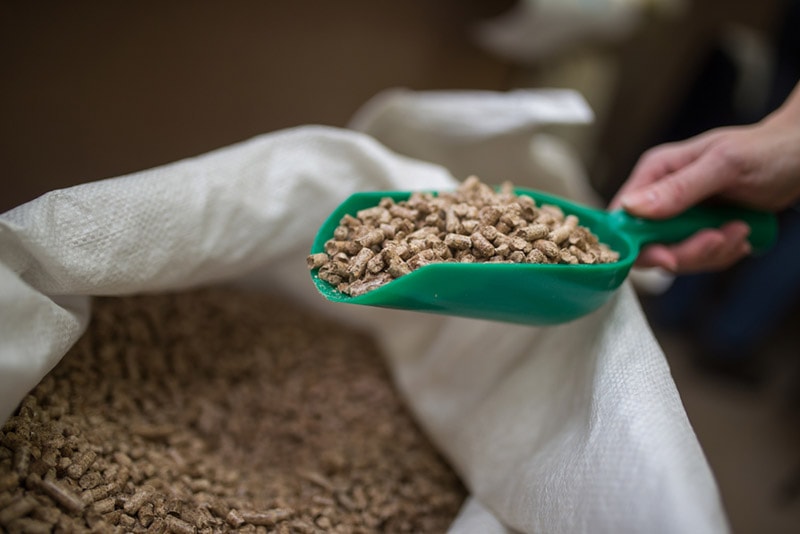
Biodegradable cat litter is an excellent choice for those wanting to use an eco-friendly litter. This type of litter is typically made from recycled paper products or plant materials, such as wheat, pine, beet pulp, corn, and soybeans. These types of litter do not clutter landfills due to their biodegradable status, and some people even use the end product as mulch. However, we advise against using this litter as mulch around gardens with edible vegetables, fruits, and herbs to prevent being exposed to diseases.
Should I Buy Dust-Free Cat Litter?
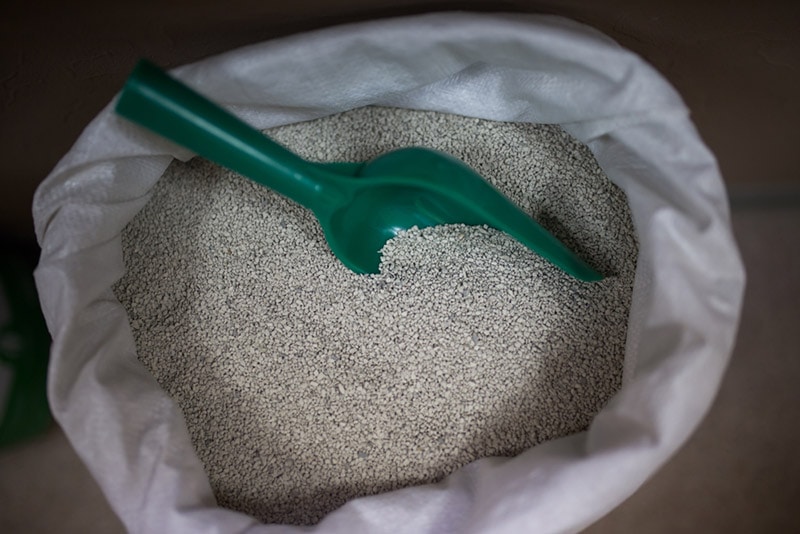
Dust is often a concern, especially if your cat already has asthma or other respiratory issues. That said, look for cat litter advertised as “dust-free.” However, no cat litter is 100% dust-free, but you can find some that are 99% dust-free and are usually in the form of clay or made with soft wood, pellets, and paper.
Conclusion
Finding the perfect litter depends on a few factors, such as the amount of dust it produces, how much time you’re willing to spend cleaning the litter box, and your cat’s preferred litter of choice. Now that you know what cat litter is made of, you can make an informed decision about which type is right for you and your cat. Remember that clay litter makes up 95% of the market, but if you want a more eco-friendly option, go with biodegradable.
Related Reads:
Featured Image Credit: EvGavrilov, Shutterstock
Get Hepper In Your Inbox


Pet care tips from our vets and experts, straight to your inbox.
You may opt-out at any time. View our Privacy Policy for more information.
Rachel Giordano is a writer and musician out of Pensacola, Florida, living there with her partner and their two dogs, Aero, a Border Collie/Sheltie mix, and Sophie, a Boston Terrier. Rachel has a Bachelor of Arts degree in communication and enjoys writing about all types of animals. When Rachel’s not dedicating her time to writing about animals, she enjoys writing thriller/suspense novels. A writer by day and a musician by night, she's passionate about educating the public about the requirements and needs of all types of animals.
Join the conversation
Ask a question, share your story, or send private feedback.