Hepper is reader-supported. When you buy via links on our site, we may earn an affiliate commission at no cost to you. Learn more.
What Can I Use Instead Of Cat Litter? 10 Vet-Approved Alternatives


“What can I use instead of cat litter?” A question some might find themselves wondering when a traditional litter is unavailable or not quite the right match for our cats.
Whether you are looking for a more cost-effective option, something easy to keep on hand in the event of a cat litter emergency, or hoping to replace an existing litter with something a bit more pet and environmentally friendly, there are many worthy cat litter alternatives out there.
If you're facing this very same dilemma, cheer up! We have compiled the best DIY cat litter options for you to choose from. Read on to learn more about the best materials, how to use these substitutes, and consider the pros and cons of each.

Top 10 Cat Litter Alternatives
There are many cat litter alternatives out there, but these are 10 of the best that are frequently chosen and approved by cat parents.
1. Shred Newspaper and Junk Mail
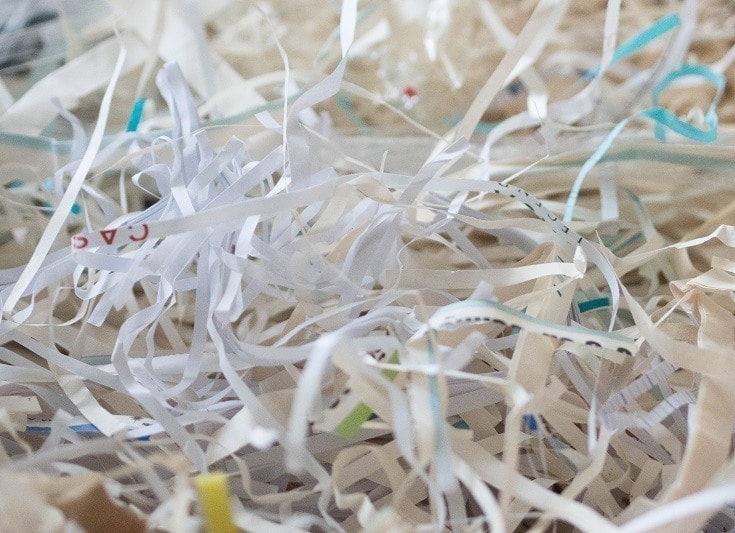
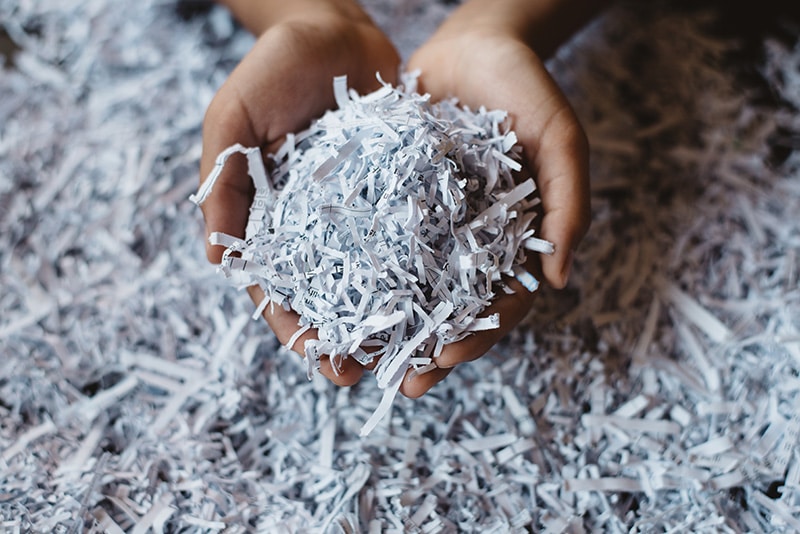
Before the rise of commercial cat litters, cat owners have been using plain newspaper as the “place of business” for their indoor cats. Even vets suggest lining the litter box with used papers after certain procedures.
How to make it
It's pretty easy to prepare homemade cat litter using newspapers (and junk mail, if you have them). Just follow the steps below.
How to make paper litter:
Pros
- Readily available
- Cheap
Cons
- Need a large and constant supply
2. Use Wood Shavings or Sawdust
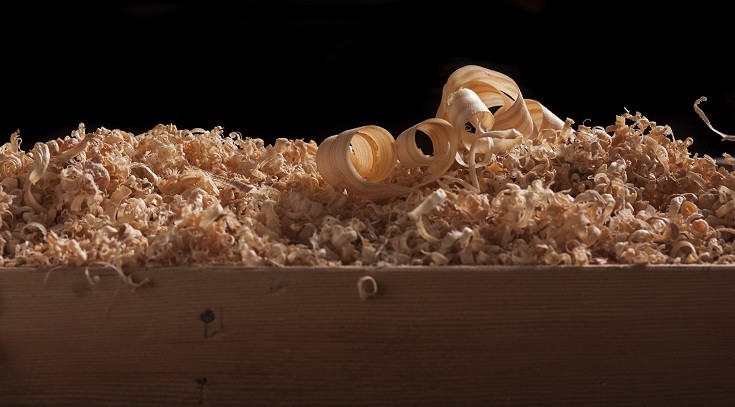
Wood shavings and sawdust can also work as alternative cat litter. You can obtain a bunch of them in woodworking shops. If you have your own shop or you work on wood a lot, then that's even better. But know that it's not an odorless litter alternative and that you will need to replace old litter more often than other types of litter.
Note that some wood shavings, such as pine, are toxic to cats, so it is best to carefully research a specific product before attempting to use it as kitty litter.
Pros
- Inexpensive
- Naturally scented that can mask the smell of ammonia
- Eco-Friendly
Cons
- Some wood shavings are toxic to cats
- Wood/sawdust is considered a carcinogen to humans
3. Chicken Feed
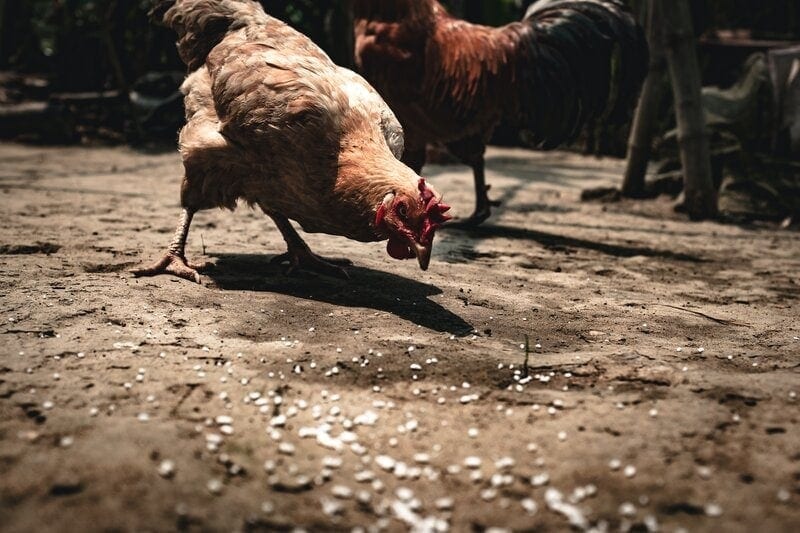
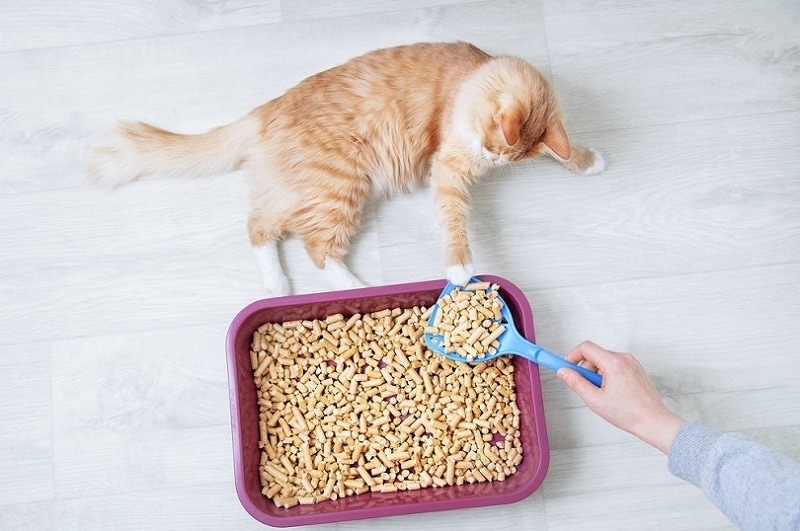
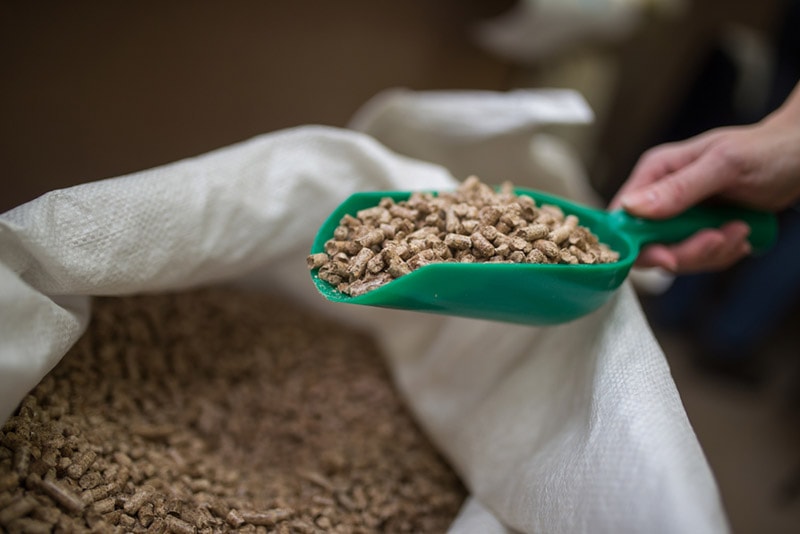
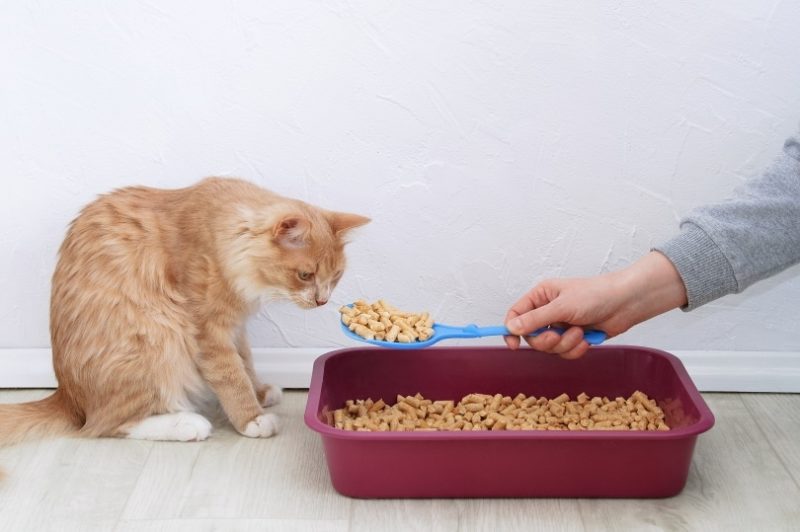
Chicken feed comes in pellet form that closely resembles commercial cat litter pellets. When you combine them with baking soda and cedar shavings, they can make a good cat litter substitute.
Pros
- Very absorbent
- Can be purchased in bulk
Cons
- Can attract bugs and mice
4. Use Sand as Cat Litter
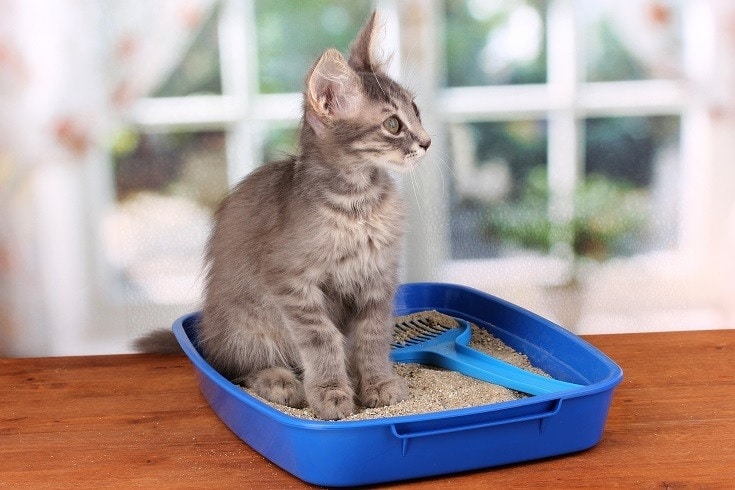
For centuries, outdoor cats have been using sand as the fortress for their "hidden treasures". When the situation calls for it, or if you simply prefer to be more economical, you can have your indoor cat use sand as litter.
Pros
- Cats are naturally attracted to sand
- Clumps well
Cons
- Highly trackable
- Retains urine odors
While sand doesn't hold on to ammonia odors, you can still improve upon its odor control. You may sprinkle one cup of baking soda into the sand. Mix them well before offering the “sandbox” for your cat to use.
5. Alfalfa Pellets
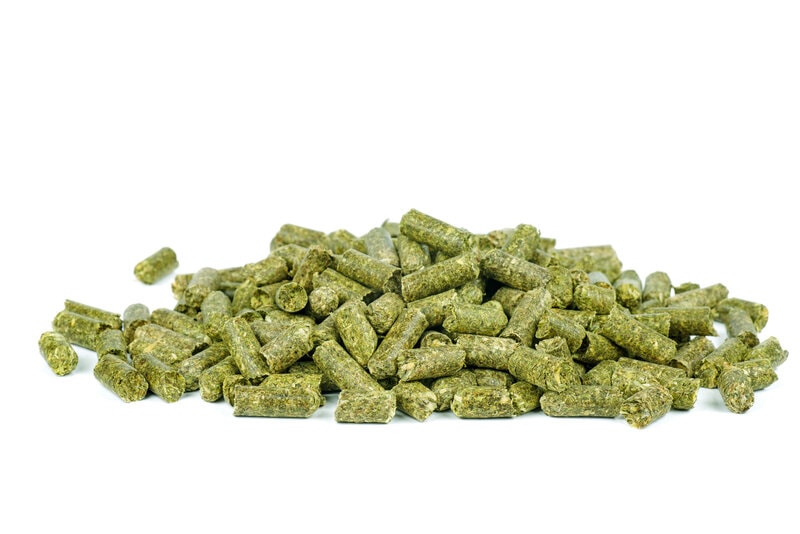
Although you might not be raising some backyard chickens, you may have adopted a couple of rabbits who like to be fed Alfalfa pellets. If that's the case, you could also double this relatively inexpensive rabbit feed into a substitute cat litter.
Pros
- Biodigradable
- Eco-Friendly
Cons
- Increases dust
- Highly trackable
6. Horse Bedding Pellets
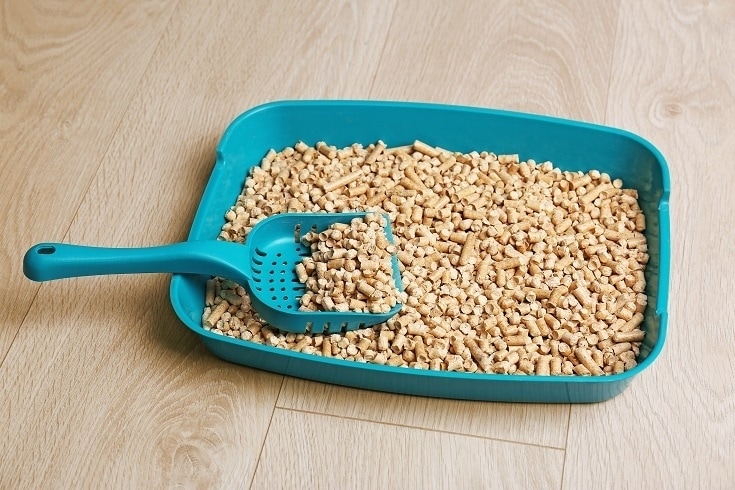
Horse bedding pellets are made from sawdust. While the use of these pellets as litter is quite unusual, they have some desirable characteristics that make them a good litter alternative. You can just mix them with baking soda and a little water, and they're good to go.
Pros
- Afforable
- Highly absorbent
Cons
- Swell when wet and can disintegrate
- Made of sawdust
- Can overflow your litter box when saturated
7. Whole Wheat
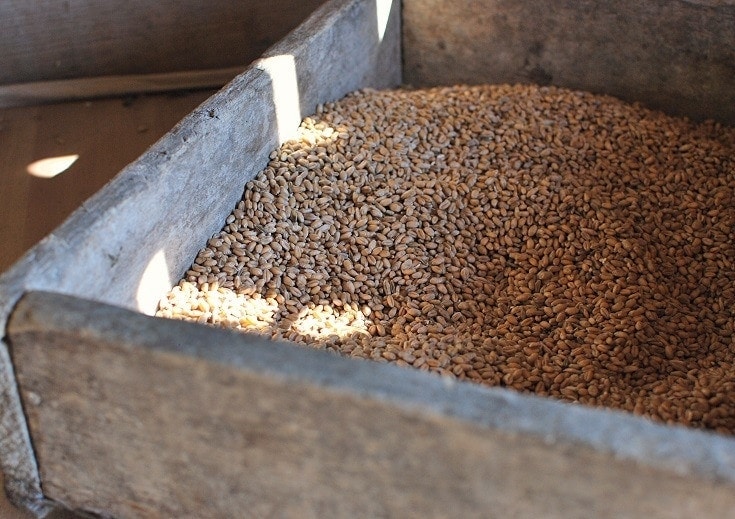
Whole wheat can be another emergency cat litter option. You can grind the whole wheat berries into a coarse powder, or you can break them down even further to produce a finer result—depending on what your cat prefers. As always, you can add some baking soda to help control those unpleasant litter box smells.
Pros
- Clumps when wet
- Compostable
- Eco-Friendly
Cons
- Will not mask odors
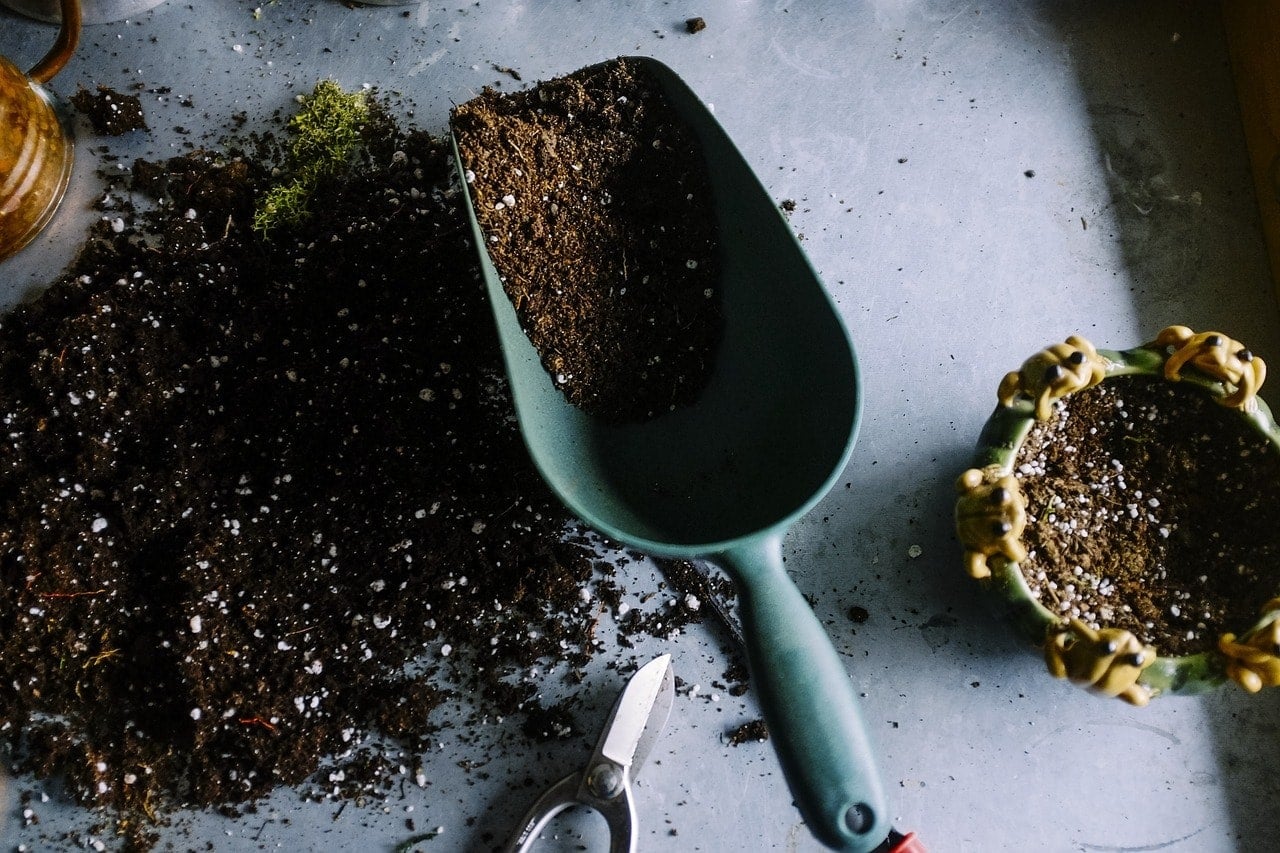
8. Potting Soil
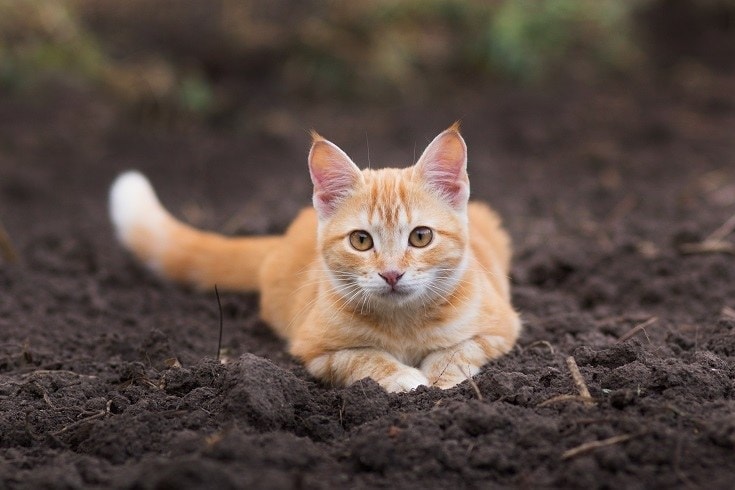
Like sand, the soil has been many cats' natural go-to when eliminating their waste. If you're willing to find ways to keep the dirt from getting scattered all over your place, then you can use potting soil as a litter alternative for your indoor cats.
If you wish to save on costs forever and try out soil, then make sure to have a plan to keep your home fresh and clean. Place several litter mats around the litter box. And again, add baking soda for odor control.
Better yet, just let your kitty use an area in your yard as his comfort room. That way, you can avoid spending any money altogether and maintain your indoors more easily.
Pros
- Highly available
- Inexpensive
- Cats are naturally drawn to the texture of soil
Cons
- Highly trackable
- Messiest of all the cat litter substitutes
- Does not clump or mask odors
- Can be a germ carrier
9. Artificial Turf
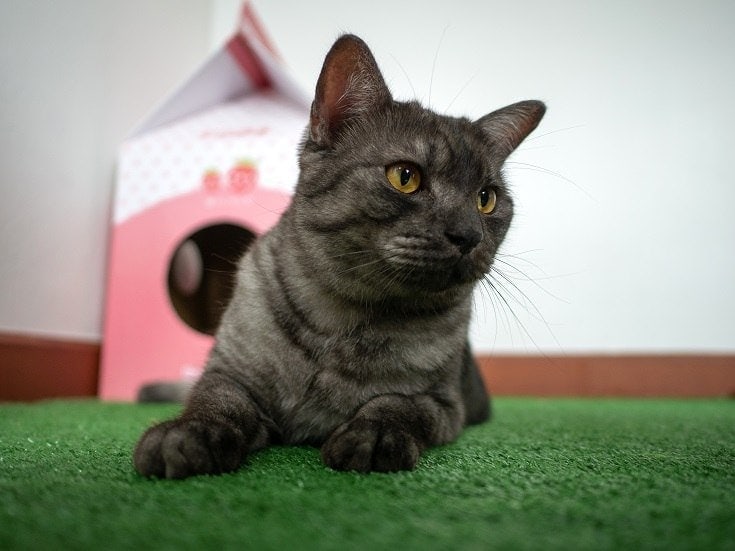
This sounds pretty unusual, but yes, artificial turf can also be used as a cat litter alternative. Simply buy a roll of artificial grass and cut it into pieces. Place the pieces into the litter box and they're good to go.
Pros
- Eye pleasing
- Easy to prepare, clean, and maintain
Cons
- Unnatural to cats
- Unable to scratch or bury waste, potentially causing a larger mess
10. Puppy Pad
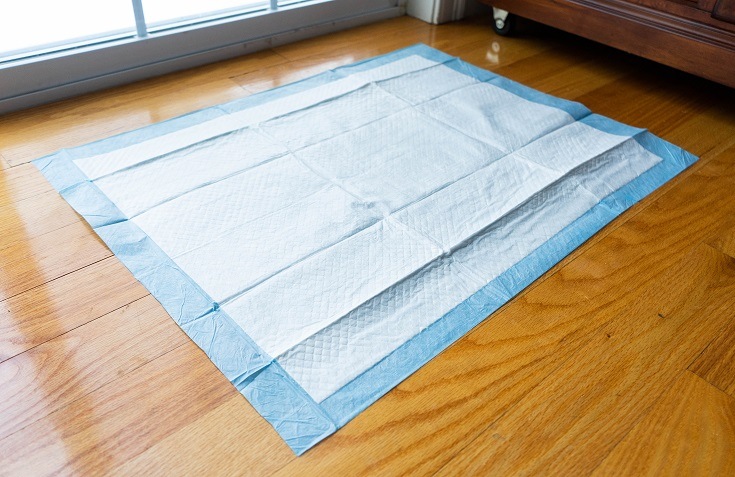
Puppy pads are, yes, meant for puppies, hence the name. But, they can also work for cats. These pads are composed of layers of absorbent material. Unlike cats, dogs don't dig. So cat parents must train their cats to leave the pad once their business is done.
Pros
- Highly absorbent
- Easy to clean
- Dries fast
- Eliminates the litter box
Cons
- Unnatural for cats
- Does not mask odors
- Unable to scratch or bury waste, potentially causing a larger mess or ruin pad
Why Not Just Buy Kitty Litter?
There are many reasons why you'd rather want to avoid using commercial cat litters. These include the following:
Costs
You can save on costs if you choose to switch to a homemade cat litter. Commercial cat litter can be expensive. Since you're going to replenish them regularly, the costs are sure to add up. You might be surprised by how much you spend on cat litter each year.
Health Issues
Some litters, especially clay-based ones, may contain harmful carcinogens that can become airborne via dust particles and potentially ingested. Some litters can cause allergic reactions in your cats. Some cat litter products can even trigger asthma in felines.
Environmental Concerns
The clay used in kitty litter is obtained through strip mining, which destroys forests and wildlife habitats. Some litters, while labeled as “flushable,” may not be compatible with sewage systems and therefore, may also contaminate nearby waterways and sources.
Sustainability
If you wish to follow a more sustainable and self-reliant way of living, you'd want to cut down on many commercial products. These include cat litter that have been manufactured in ways that deplete our natural resources. By preparing some cat litter alternatives yourself, you can cease being too dependent on commercial litters.
Our Favorite Cat Litter Deal Right Now:

Emergency Situations
You may have found a cat litter product that is near perfect and defies all the other reasons above—the litter is affordable, hypoallergenic, eco-friendly, and sustainable. In that case, you might want to stick to that particular commercial cat litter brand.
But, you could still face some emergency situations where you'd run out of your cat's favorite litter. In that case, having knowledge of several cat litter substitutes truly helps. These emergency cat litter options can provide convenience and can help you keep your cool when your kitty is about to throw a tantrum (and pee just anywhere!).
Materials to Avoid as Cat Litter Substitutes
While they may be popular among some cat owners and thus, are included in our substitute list above, there are a few materials we might avoid, and for good reason.
- Potting Soil: It's incredibly messy. It can even bring you more problems than solutions (think: germs, microbes, etc.) when you use it in place of a commercial cat litter.
- Some wood shavings: Not all kinds of wood are safe for cats. Some of them, such as pine shavings, can be toxic, so be sure to find out first before attempting to use a bag of wood shavings as a substitute for litter.
Thus far, we've learned that many cat litter alternatives actually exist and that they're mostly cheap and readily available in case of emergencies.
Interesting:
Conclusion
So, which litter substitute is your favorite?
If you haven't tried any of the above yet, we suggest you do the following before making the transition:
- Prepare your DIY cat litter.
- Put it in a separate litter box.
- Observe how your cat reacts to it.
- If your cat likes it, you now have a homemade litter to depend on.
Related Reads:
Feature Image Credit: Free-Photos from Pixabay
Get Hepper In Your Inbox


Pet care tips from our vets and experts, straight to your inbox.
You may opt-out at any time. View our Privacy Policy for more information.
Nicole is a lover of animals of all sizes but is especially fascinated with the feline variety. She’s the proud mom of Baby, a Burmese, and works every day so he can relax in the sunshine or by the fire. She’s always had a cat in her home and has spent countless days with others, observing behaviors and softening up even the grouchiest of the lot. Nicole wants to share her kitty expertise with you so you and your cat can live happy, healthy, and care-free.
Join the conversation
Ask a question, share your story, or send private feedback.