Hepper is reader-supported. When you buy via links on our site, we may earn an affiliate commission at no cost to you. Learn more.
Can Parrots Swim? Vet-Reviewed Bird Anatomy Information & Bath Tips


In this article
Many people are fascinated by the remarkable abilities of parrots, from their vibrant plumage to their uncanny knack for mimicking human speech. Yet, among all the fascinating questions about these intelligent and colorful birds, one curiosity stands out: Can parrots swim? Parrots do not swim well, but healthy adult parrots can float relatively well.
While we often associate these avian wonders with their agile flight and perching skills, the notion of parrots taking to the water raises intriguing questions about their behavior, adaptations, and the extent of their versatility in the natural world. Read on as we discuss everything about parrots and water!

Can Parrots Swim?
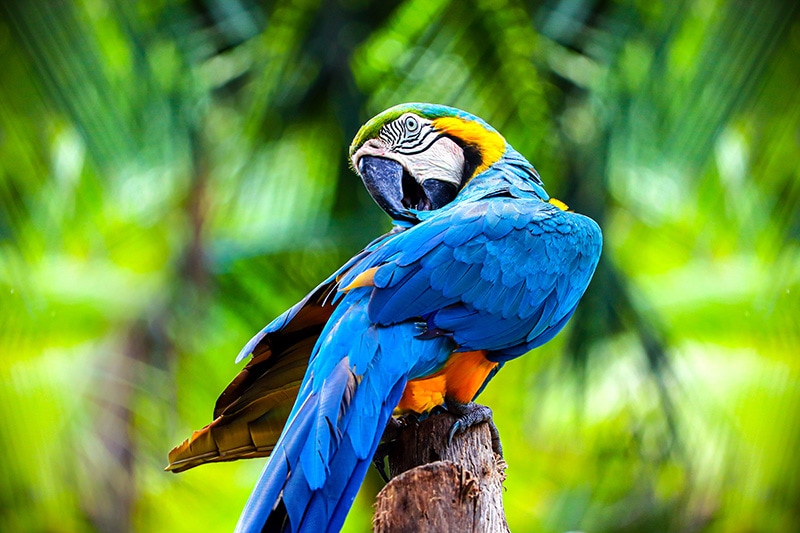
Known for their vibrant plumage and intelligence, parrots are not typically associated with swimming. In the wild, they are primarily found in tropical and subtropical regions, where their lifestyles are centered around activities like flying, foraging for food, and perching in the rainforest tree canopy. Their physical characteristics and behaviors are not adapted for aquatic life, unlike some waterfowl and seabirds.
The anatomy of parrots does not lend itself to being able to swim well. Their legs do not generate enough thrust to swim well, and their wings are better adapted for flight, not strength to propel themselves through water. Most of a parrot’s strength lies in their beak and bite force, not their bodies. Therefore, they aren’t strong swimmers.
Can Parrots Float?
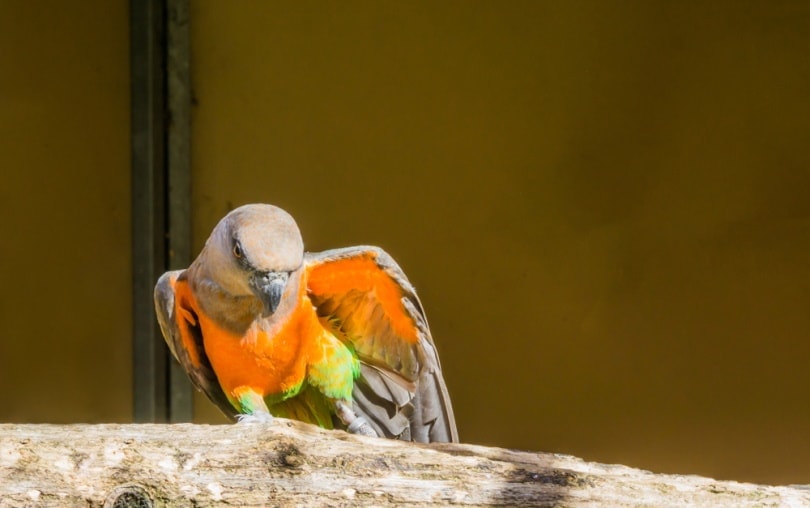
Healthy adult parrots can float relatively well. As every part of a parrot is less dense than a human’s, they float better. A decent number of their bones are hollow, which further adds to their buoyancy. In addition, healthy down feathers and adult feathers repel water much better than the fur or hair of mammals does.
Parrots possess an oil-secreting gland near the base of their tail. When they preen themselves, they rub this oil all over their body and feathers. This further helps their feathers repel water. This is an important adaptation for when they have to fly through rain, as the water-proof feathers will repel water and keep them airborne much longer and until they can find cover.
Do Parrots Dislike Water?
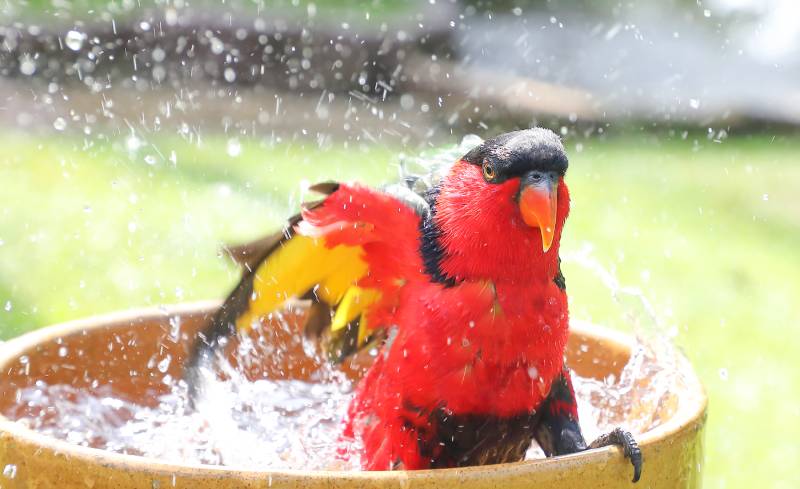
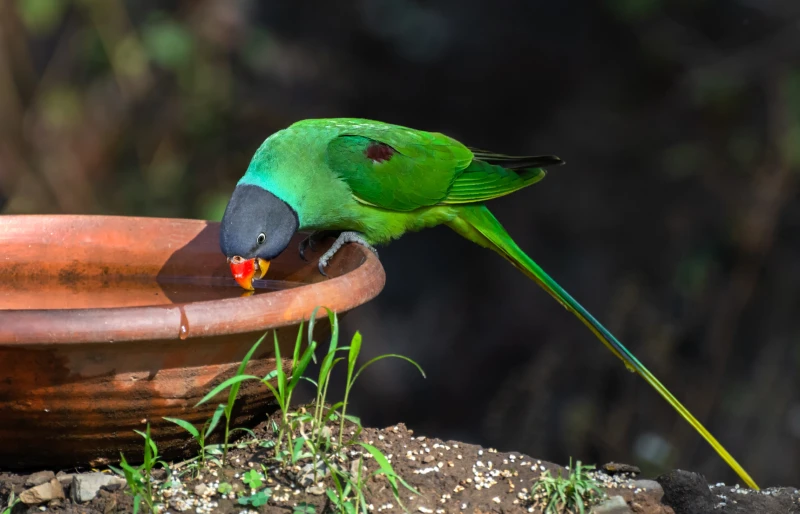
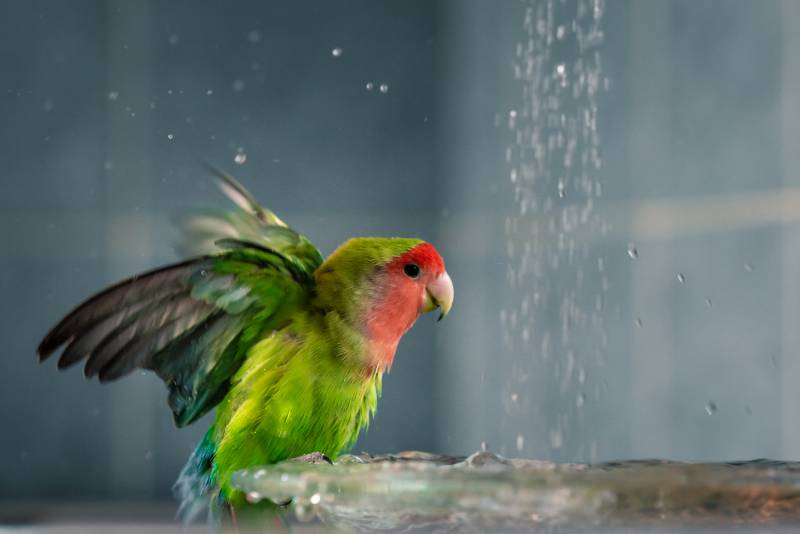
Despite being poor swimmers, parrots do not dislike water. They enjoy bathing themselves, and if a puddle of water is shallow enough, they love to bathe in it to get dirt and debris out of their feathers and plumage.
Likewise, pet parrots often readily show a willingness to interact with water. Pet parrots enjoy bathing and can be introduced to shallow water for this purpose. Owners often provide a shallow dish or a gentle spray of water for their parrots to bathe in. Additionally, it can also be an enjoyable and enriching experience.
It's important to remember that individual preferences vary, and not all parrots will take to water with the same enthusiasm. Care should be taken to ensure that any water interaction is introduced gradually and conducted in a way that makes the parrot feel safe and comfortable.
Can Parrots Learn to Enjoy the Water?
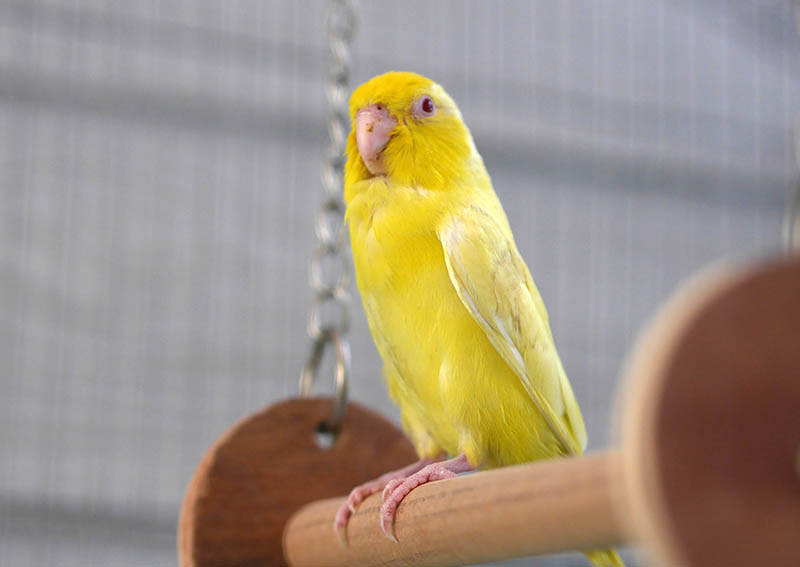
Most parrots don’t need much encouragement to enjoy water. However, shy or timid pet parrots can learn to enjoy water with patience, positive reinforcement, and gradual introduction. While not all parrots may immediately take to water, many can become accustomed to and even enthusiastic about bathing or water play.
Owners can start by offering a shallow dish of lukewarm water for their parrot to explore at their own pace. Some parrots may prefer a gentle misting with a spray bottle. Over time, as they become more familiar with these experiences and realize the benefits of cleanliness and refreshment, they often become more receptive to water activities.
Building trust and using positive reinforcement, such as offering favorite treats or verbal praise during water interactions, can help parrots associate these activities with positive experiences, further increasing their enjoyment of water-related activities.
This task is much easier if your parrot is well socialized with you, as they will begin associating you as a member of their flock. Watching you enjoy a spray bottle might encourage your pet to also get their feathers a little wet.
It is important to note that a parrot that shows a bizarre fear of water for extended periods of time might require professional intervention to assess the root cause of their behavior, as parrots instinctively tend to enjoy water, not avoid it.
How to Properly Bathe Your Parrot
Properly giving your parrot a bath is essential for their health and well-being, as it helps them maintain clean feathers and can be an enjoyable experience for many birds. Here are some steps to follow:
1. Choose the Right Time and Location
Pick a time when your parrot is most relaxed, typically in the morning. You can provide the bath in a sink, bathtub, or a designated area outside the cage. Ensure the room is warm and free from drafts to prevent your parrot from getting chilled.
2. Offer Bathing Options
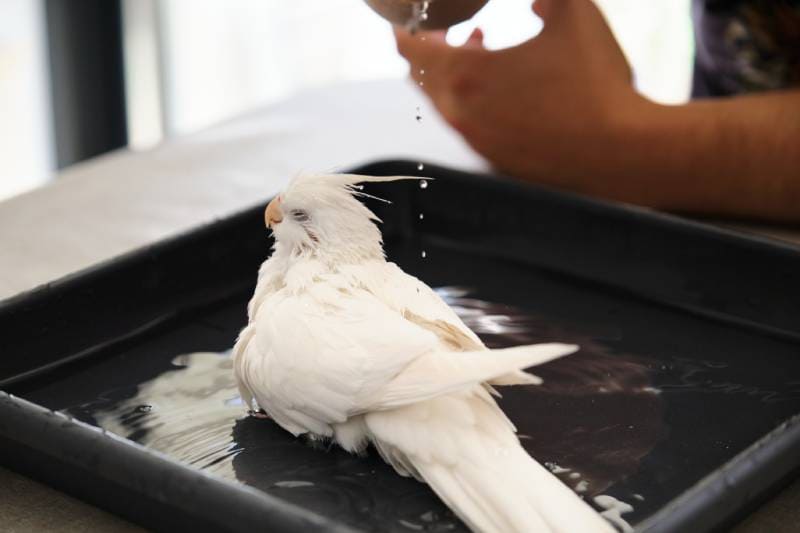
Parrots have individual preferences for bathing, so you can provide various options. Some may prefer a shallow dish filled with lukewarm water (around 85°F or 29°C) where they can splash around. Others may enjoy being misted with a spray bottle. Experiment with different methods to see what your parrot prefers. If you’re misting your parrot, avoid aiming the mist at their face. Instead, try aiming it at their wings and body instead.
3. Monitor Your Parrot
Always supervise your parrot during bath time to ensure their safety. Some parrots may be initially cautious about water, so it's crucial to be patient and gentle. Avoid using high-pressure sprays or forcing your parrot into the water if they are uncomfortable. Pay attention to their body language, and if they seem stressed or anxious, stop the bath and try again another time.
4. Provide a Positive Experience
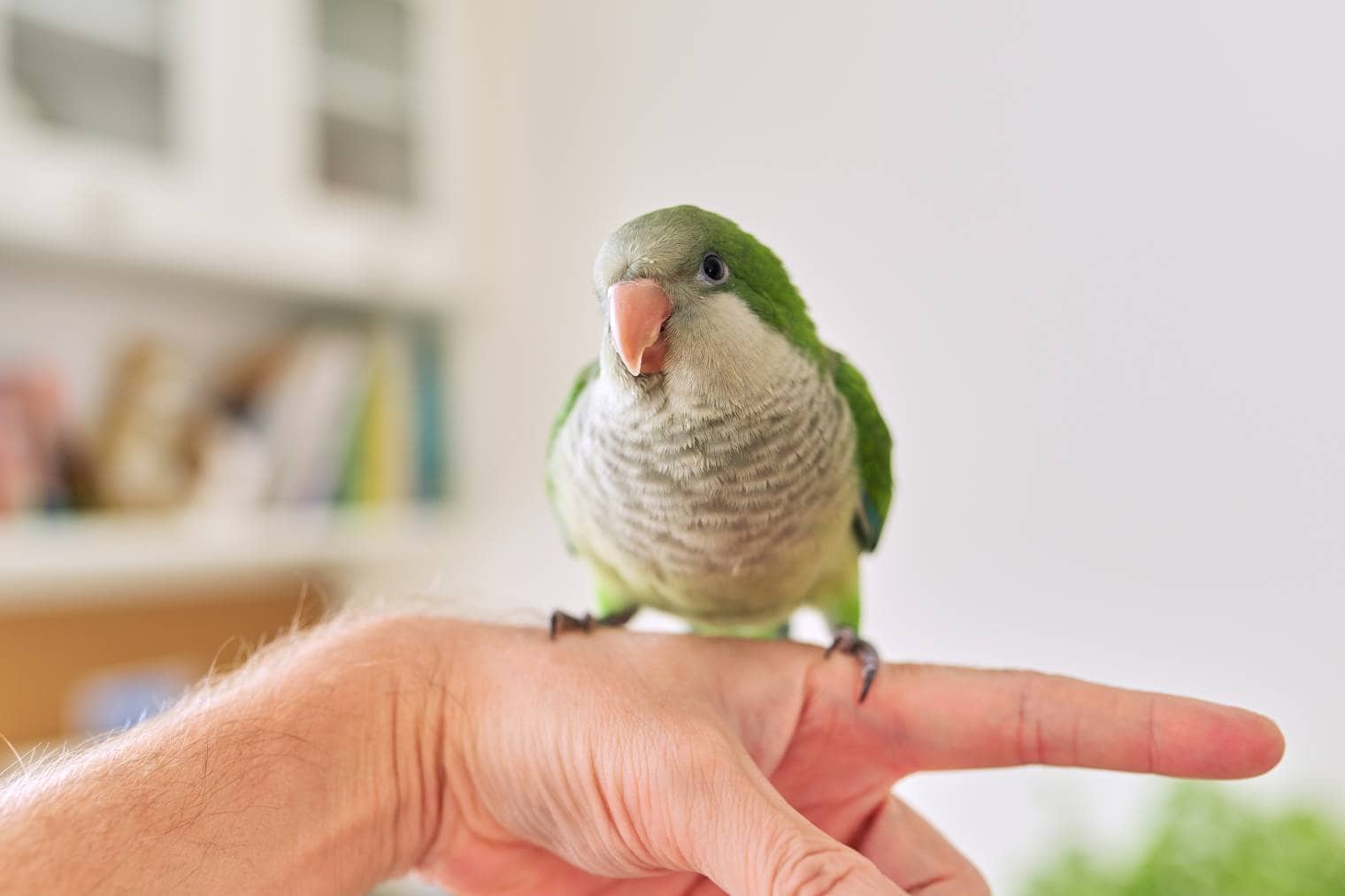
Use positive reinforcement to create a positive association with bath time. Offer verbal praise, treats, or their favorite toys during and after the bath to reward their cooperation. This will help make bath time a pleasant experience and encourage your parrot to participate willingly in the future.
5. Drying Off
After the bath, provide your parrot with a warm, dry place to dry off. You can use a clean towel or allow them to air dry in a warm, draft-free environment. Ensure that they are entirely dry before returning them to their cage to prevent them from getting chilled.
Parrots usually begin preening themselves as they’re drying off, and you might notice your parrot taking a few hours to thoroughly preen all their feathers after a bath. This is completely normal and not cause for alarm.

Should You Give Baby Parrots a Bath?
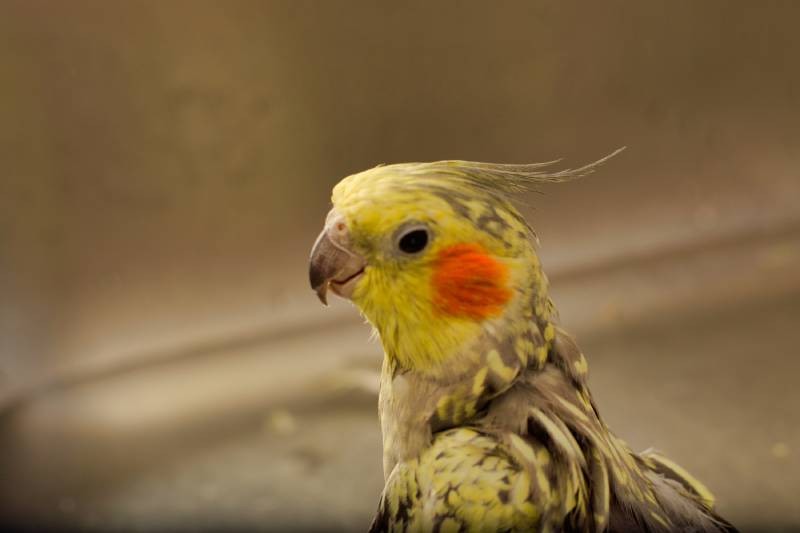
Bathing baby parrots is not recommended until they are a bit older and have completely developed their adult feathers. Baby parrots, also known as nestlings (within the nest) or fledglings (once they leave the nest), are particularly sensitive to temperature fluctuations and drafts, and their downy feathers are not as efficient at repelling water as the feathers of adult parrots. Bathing very young parrots can potentially chill them and is not advised. If your baby parrots are particularly dirty (for example, if their face feathers have traces of formula or if their feet are dirty from sitting in their waste), you can spot clean them with a slightly damp paper towel. Only use water to dampen the towel; do not use any soap or detergent to wipe your pet.
Once baby parrots start growing in their adult feathers, which typically happens as they progress toward weaning, you can introduce them to gentle bathing experiences. Similar to adult parrots, you can offer them a shallow dish of lukewarm water or a light misting with a spray bottle. Often, young parrots will experiment with water around this time on their own. Therefore, it is important to ensure that their bathing dish is shallow and easy for them to exit easily should they ever feel uncomfortable with the experience.
It is important to note that almost all parrots will molt twice in the first year of life, and therefore, there will be times where they lack sufficient feathers to properly repel water and thermoregulate themselves. So, they should only be bathed lightly. Nonetheless, it is important to introduce them to bathing early on, and a weaned parrot can be gradually introduced to baths.
As mentioned above, it's crucial to be even more cautious with baby parrots, as they are still developing and may be more sensitive to changes in temperature and humidity. Always supervise them closely during bath time, and ensure they are adequately dried off and kept warm afterward to prevent any health issues. When in doubt, it’s always best to consult with your veterinarian for proper bathing recommendations.
Final Thoughts
Just because parrots do not have a natural affinity with water and are not known swimmers does not mean they cannot experience the water. Understanding how to properly give your parrot a bath is essential for their health, comfort, and well-being. As some shy parrots may not immediately embrace the idea of water, patience, positive reinforcement, and sensitivity to their individual preferences are key.
Although they can’t swim well, most parrots readily take to liking water and enjoying a bath whenever the opportunity arises. With time, you might find that bath time is an amazing bonding experience for you and your pet!
Sources
Featured Image Credit: Aleksandar Blanusa, Shutterstock
Get Hepper In Your Inbox


Pet care tips from our vets and experts, straight to your inbox.
You may opt-out at any time. View our Privacy Policy for more information.
Nicole is a lover of animals of all sizes but is especially fascinated with the feline variety. She’s the proud mom of Baby, a Burmese, and works every day so he can relax in the sunshine or by the fire. She’s always had a cat in her home and has spent countless days with others, observing behaviors and softening up even the grouchiest of the lot. Nicole wants to share her kitty expertise with you so you and your cat can live happy, healthy, and care-free.
Join the conversation
Ask a question, share your story, or send private feedback.