Hepper is reader-supported. When you buy via links on our site, we may earn an affiliate commission at no cost to you. Learn more.
Do Parrots Love Their Owners? Vet-Approved Bird Affection Facts & Info


In this article
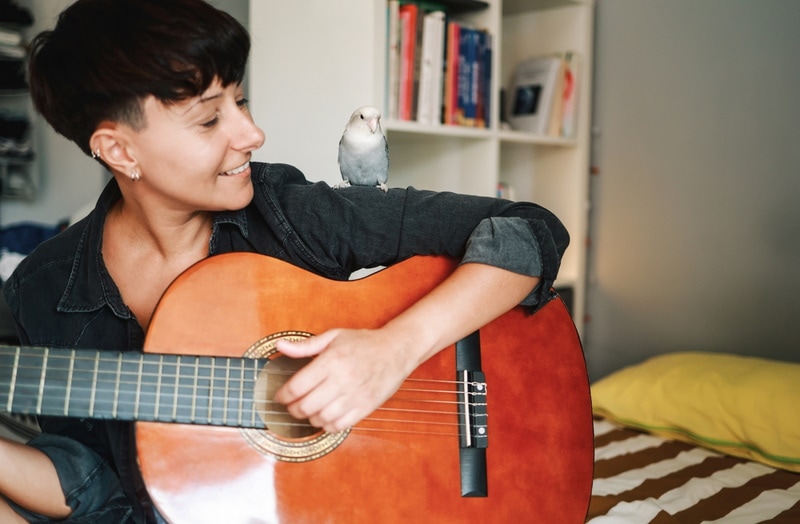
Parrots have been kept as pets for thousands of years and enjoy the benefits of life in captivity. In return for food, shelter, and security, they bring joy, entertainment, and meaning into our lives. More importantly, parrots create long-lasting bonds with their pet parents. But can they love a human?
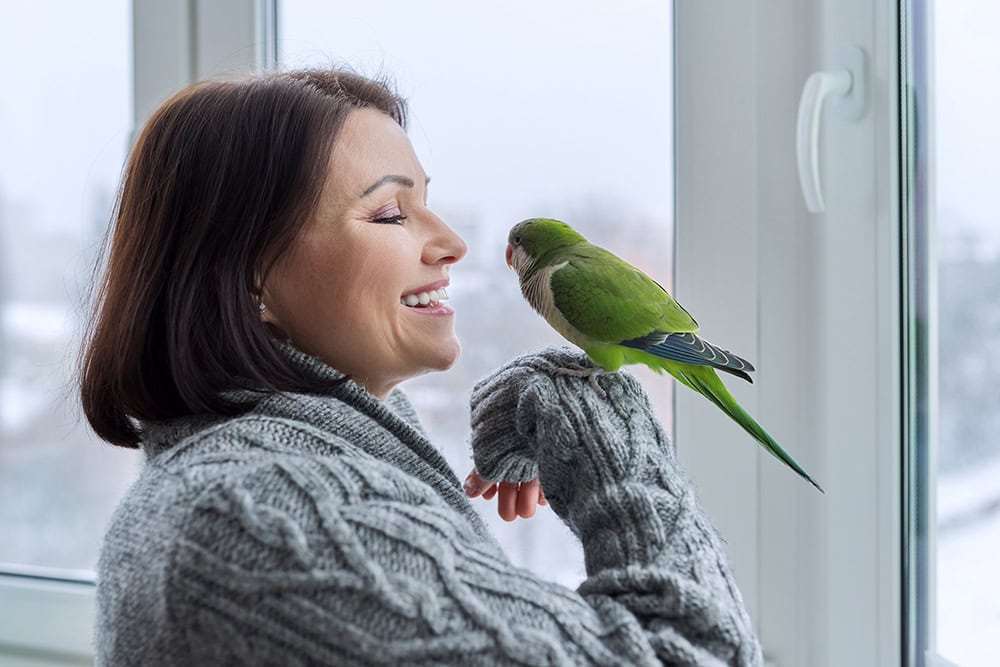
In many ways, parrots do form strong bonds with humans and consider them as members of their flock; therefore, they do value their company and enjoy their presence in ways some people would define as “love.” However, this might be more physiologically rather than emotionally driven.
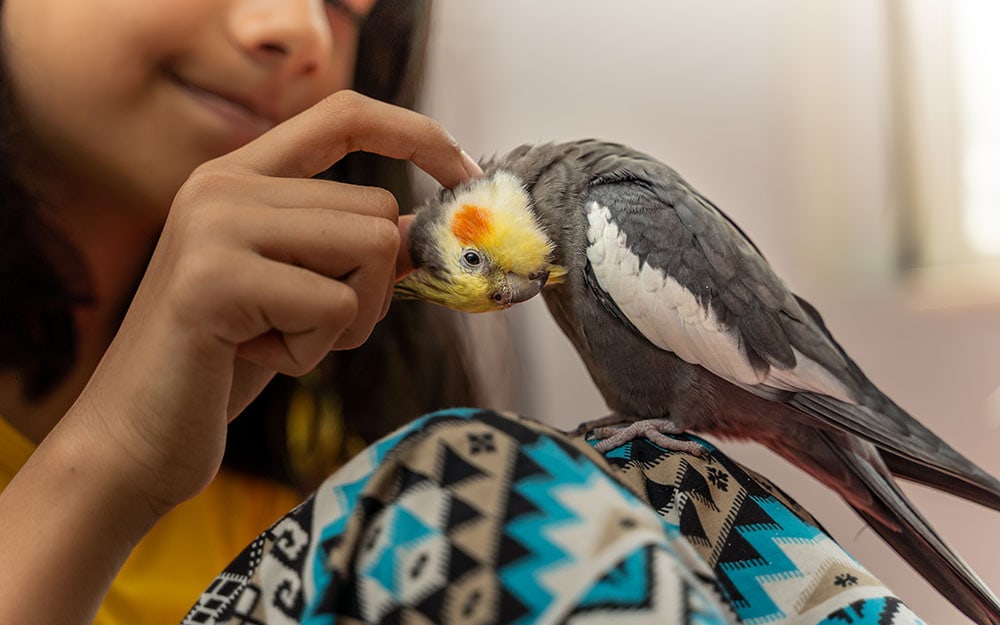
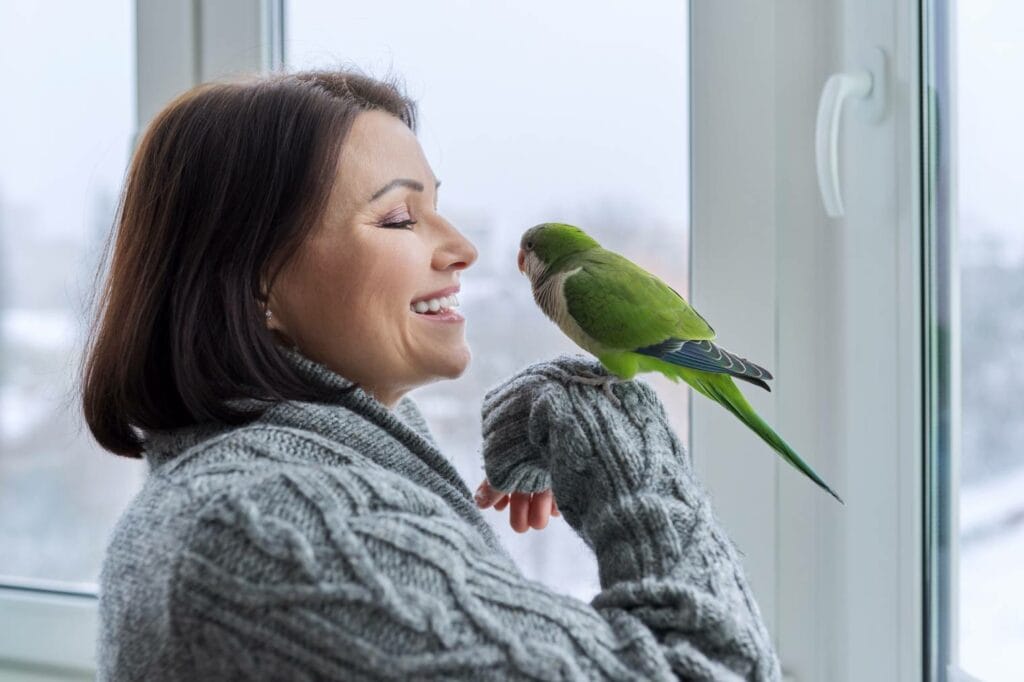
Our winged buds cuddle, sing, and fluff their feathers as a sign of affection. They also fan their tails, flap their wings, and become vocal when they see their owners. These are all signs that they’ve bonded with their owners and appreciate their company.
What does science have to say about this, though? Can you tell if a parrot likes you? How do you return the favor? Let’s find out!

The Avian-Human Bond: Does It Really Exist?
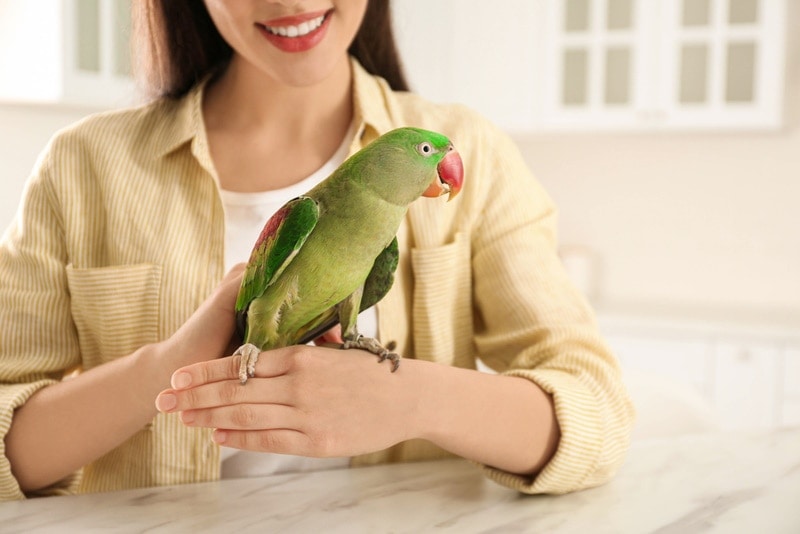
Smart, delicate, and empathetic, parrots are definitely capable of showing a range of behaviors that are related to child psychology 1. They are flock birds and always stick together with fellow parrots. This is a primal instinct, one that doesn’t go away when they’re kept as pets. Parrots recognize people who care for them as members of the family/flock. When the parrot is the only pet in the household, the connection may be even stronger.
Based on that, the bond between a colored bird and a human can certainly feel like love to us. If you leave the pet alone in the cage for a long time, they will become restless, anxious, and lonely. Parrots that miss their owners can also develop behavioral problems. So, yes, the bond does exist, and having such a devoted friend is a beautiful thing. However, it isn’t clear whether this bond forms because of a purely physiological necessity or an emotional one. Nonetheless, it also means we need to be responsible for the well-being of our pets.
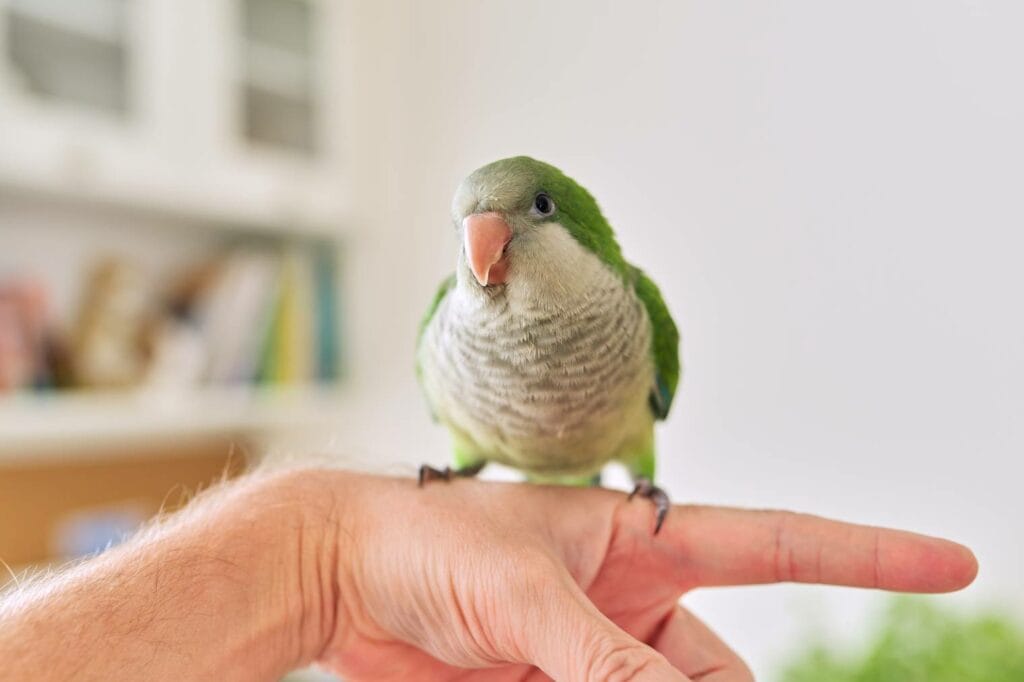
Does My Parrot See Me as a Provider?
We’ll stress it again: parrots are social creatures and help each other survive. When one of the birds senses danger, the entire group takes swift action to avoid trouble. That’s why parrots are so social as pets. They’re used to living in groups and relying on friends/family. And, since we, as the owners, are in control of their lives, parrots recognize us as important flock members and follow our lead.
Without us, they won’t have any food, water, or shelter. But the relationship is much deeper than a classic giver-receiver dynamic. Parrots develop strong attachments toward their pet parents and can spend hours interacting with us. The urge to assimilate with us might be a stimulus to some parrots picking up on human speech and responding to their human caretakers.
Can Parrots Have More Than One Favorite?
We’ll stress it again: parrots are social creatures and help each other survive. When one of the birds senses danger, the entire group takes swift action to avoid trouble. That’s why parrots are so social as pets. They’re used to living in groups and relying on friends/family. And, since we, as the owners, are in control of their lives, parrots recognize us as important flock members and follow our lead.
Without us, they won’t have any food, water, or shelter. But the relationship is much deeper than a classic giver-receiver dynamic. Parrots develop strong attachments toward their pet parents and can spend hours interacting with us. The urge to assimilate with us might be a stimulus to some parrots picking up on human speech and responding to their human caretakers.
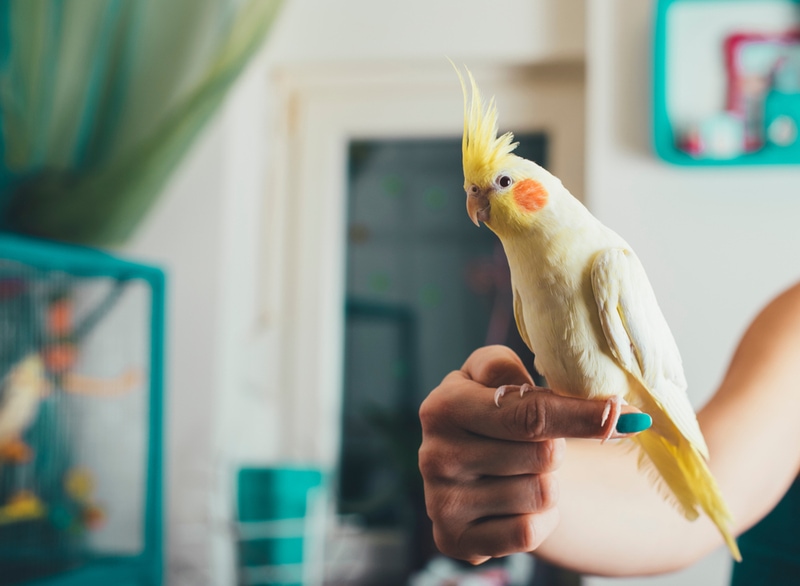
How Long Does It Take for a Parrot to Bond?
This greatly depends on the species, the individual parrot, and the way they’re treated by previous owners (if any). Your attitude matters as well, of course. Sometimes, it takes a bird 2–3 months to become comfortable around a pet parent, or even up to a year. In other cases, it’s flock-mate at first sight and the parrot instantly sees you as a friend and a guardian.
The important thing here is to be patient and let the pet grow fond of you on their own terms. Parrots have impressive social skills and like to engage with the outside world. And, although they can’t exactly say how they feel about you, it shouldn’t be hard to recognize the signs of emotional attachment. Let’s talk about that next.
How Do Parrots Express Their Feelings?
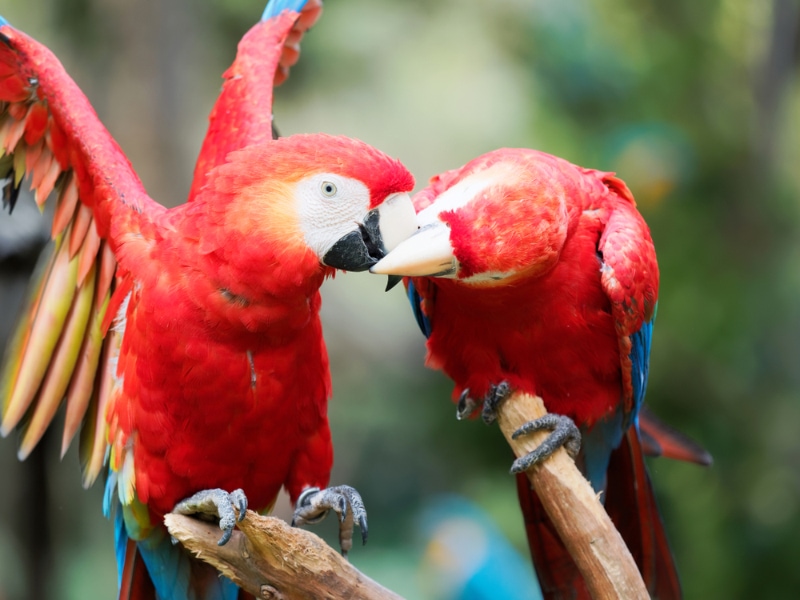
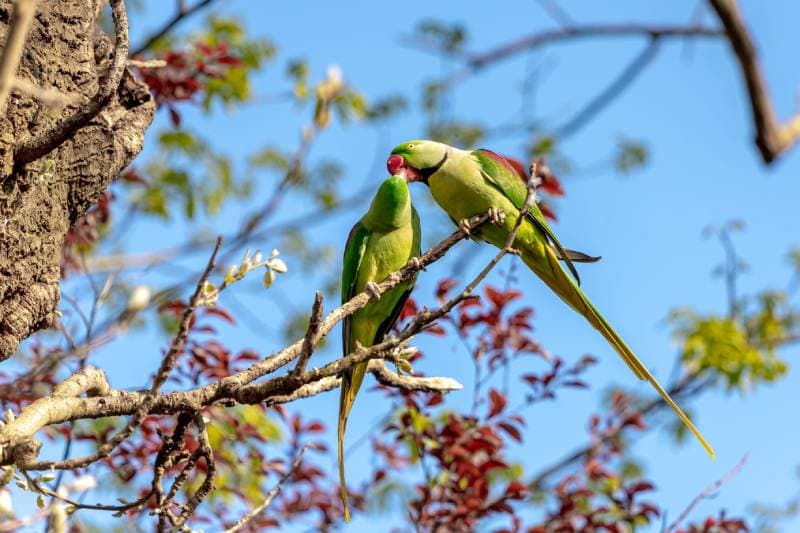
Dogs love to wag their tails and lick our faces, while cats tend to wrap their tails around and go for head bumps. As for parrots, they like to get cuddly and feel the warmth of their owner’s body. And if the feathered bud is trying to “kiss” you (or, rather, nibble) with their beak, the bond between you two is unbreakable! This is something parrots do to their bonded mate or chicks.
Parrots often use contact calling to make sure you’re safe and sound. Vocalizations, beak fluttering, feather fluffing, and tail fanning will be part of the deal as well. Sometimes, you might even catch the feathered pet regurgitating out their food (literally) to share it with you. That might sound disgusting, but it’s a sign of bonding.
Here’s a closer look at the techniques parrots use to show affection:
Jealousy in Parrots: Is It a Thing?
Yes, parrots tend to be zealous and resentful when their favorite humans start paying attention/showing signs of love and care to other pets in the house. In studies involving parrots, they seemed to show signs of jealousy similar to those of a cat or dog being jealous when their human caretaker’s attention was diverted away 2.
In the eyes of a pet parrot, a human can also be a threat. Yes, we’re talking about members of your family and close friends/colleagues that you interact with daily. Even if you watch TV for too long, that might also trigger jealousy!
As a result, the winged boy or girl could give you a “love bite” or two to remind you of their presence. To avoid this behavior (which can sometimes grow into aggression), socialize with your bird, praise them for being a good bird, and avoid forms of punishment, such as yelling, striking, or any other confrontational behavior.
Here’s what most parrots do when they’re jealous:
Please note that this list isn’t exhaustive, and some of these signs might be an indication of another problem as well.
Do Parrots Recognize Their Owners?
Just like dogs, cats, and other intelligent species, parrots are very well capable of remembering people who matter to them. Thus, if you go away for a long time, your “wingman” will still recognize you by your appearance and voice. This is especially true when the pet-owner relationship is built on trust (another indication that parrots bond closely with humans).
These marvelous birds can remember a wide range of faces, including ones that they don’t necessarily like. So, if your pet is acting strange toward someone, there could be a reason for it. Parrots act timid, violent, or kindly with others based on previous experiences. This is an important part of their survival skills: to set friend from foe.
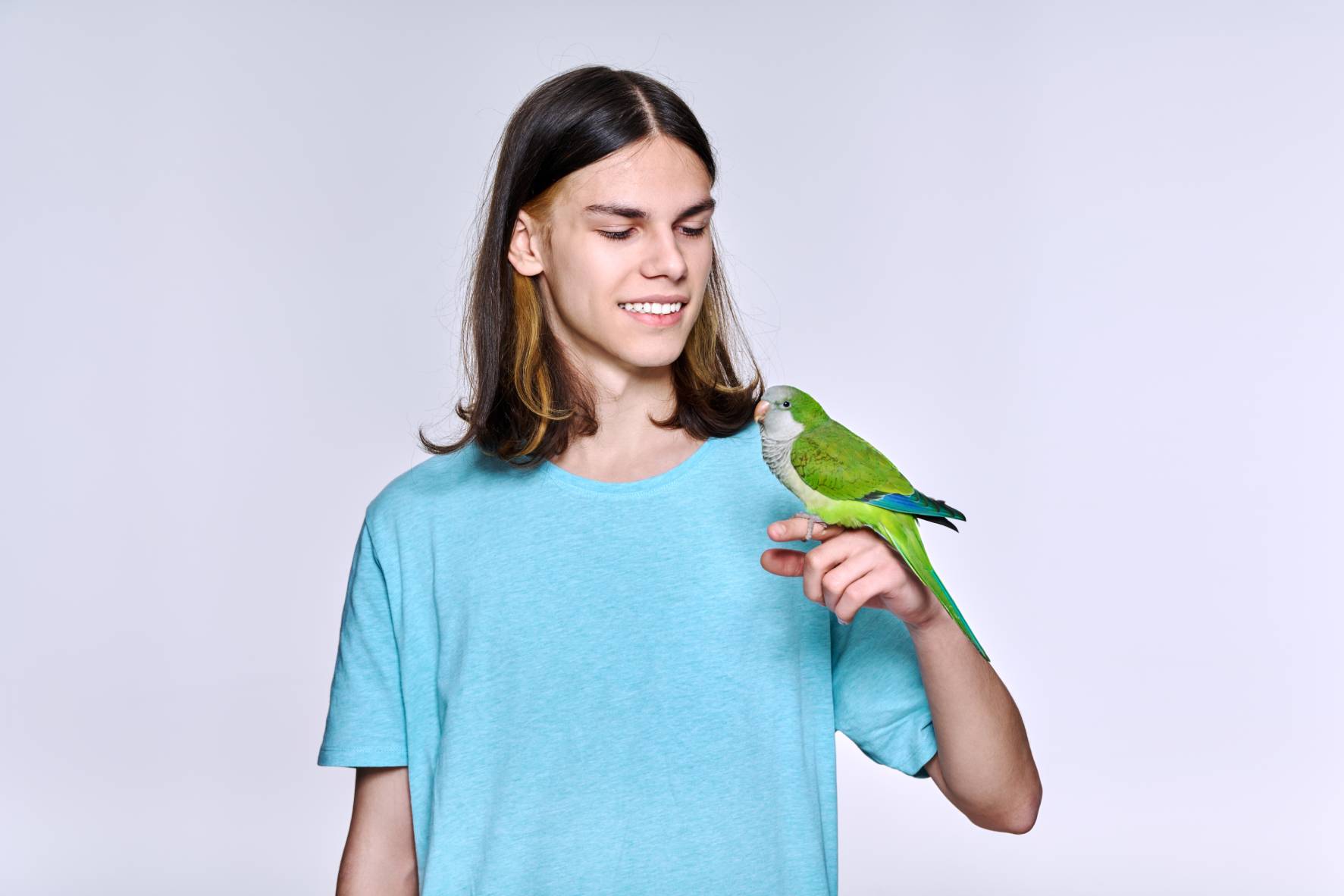
Making a Pet Parrot Feel Special: A Quick Guide
Alright, now it is time to learn how to make our parrots feel loved and cherished. The first thing any pet parent should do is give the bird space sometimes and let them be the one to show affection. Another thing you might want to do is talk using a soft, reassuring voice. Our winged pets have exceptional hearing and will like a calm, friendly voice. You can try singing to your parrot to engage their attention.
Speaking of sounds, music can also help make the bond stronger. Body language plays a huge role in the lives of parrots as well. So, if you start dancing to a catchy beat, that will cheer the pet up and even entice it to join. And let’s not forget about treats! These could be beans, fruits, grains, and nuts. However, treats should be offered in moderation, and you should always check if a treat is indeed safe for your birds.

Conclusion
Raise a parrot right and shower them with attention, fancy toys, and a friendly attitude, and you’ll get yourself a lifelong companion. Parrots are intelligent, sensitive, and socially conscious creatures that aren’t afraid to show their emotions. This won’t happen overnight but give the parrot time and the two of you will be thick as thieves.
And that’s exactly what love looks like! So, if you’ve been wondering whether your feathered bud sees you as a friend or family member, just know that they appreciate everything you do for it.
Though the jury is still out on whether or not they love like a human does, it is undeniable that they form very strong bonds with their caretakers and consider them a very important part of their lives.
Related Reads:
Featured Image Credit: VH-studio, Shutterstock
Get Hepper In Your Inbox


Pet care tips from our vets and experts, straight to your inbox.
You may opt-out at any time. View our Privacy Policy for more information.
Nicole is a lover of animals of all sizes but is especially fascinated with the feline variety. She’s the proud mom of Baby, a Burmese, and works every day so he can relax in the sunshine or by the fire. She’s always had a cat in her home and has spent countless days with others, observing behaviors and softening up even the grouchiest of the lot. Nicole wants to share her kitty expertise with you so you and your cat can live happy, healthy, and care-free.
Join the conversation
Ask a question, share your story, or send private feedback.