Hepper is reader-supported. When you buy via links on our site, we may earn an affiliate commission at no cost to you. Learn more.
How to Take Care of a Pet Bird for Beginners — 10 Vet Approved Steps


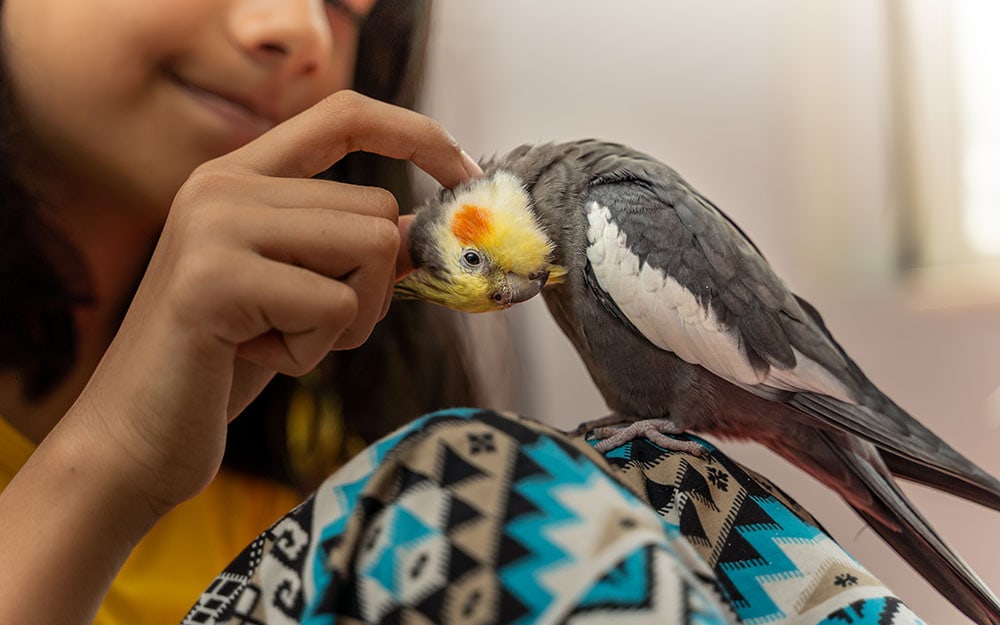
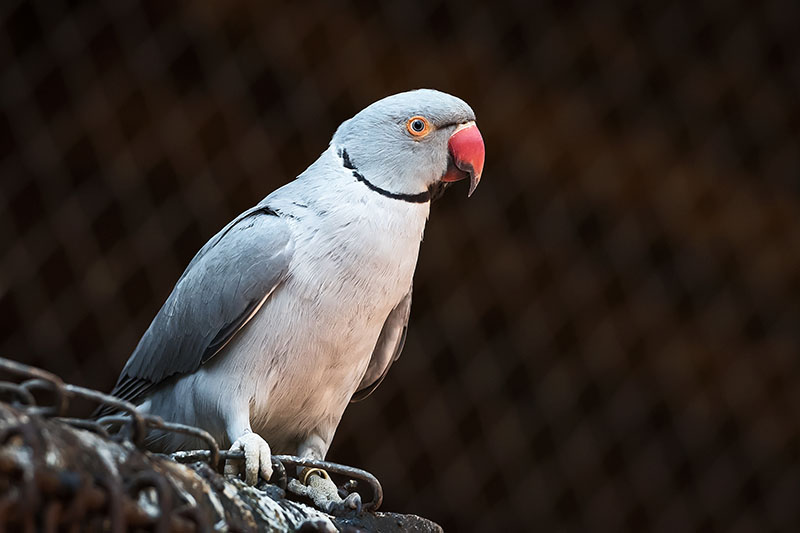
Over nearly 10 million U.S. households have birds as pets, making them the country's fourth most common household pet.1 So, if you're considering adopting a bird, you’ll certainly be in good company.
Before you bring home a new feathered family member, we highly recommend you research this animal's unique care requirements. Caring for a cat or dog is pretty straightforward for most people, but birds are very different and should be treated as such.
Keep reading to find our 10 tips on how to take care of a pet bird for a beginner.

Before You Adopt
Before you sign the adoption papers, there are some questions you must ask yourself.
Are you willing to invest in the specialty care birds require? You'll need an avian-trained veterinarian who may come with high vet fees.
Do you have the money to adopt a bird? Cats and dogs can be adopted for a few hundred dollars, but certain species of birds can run you $1,500 or more.
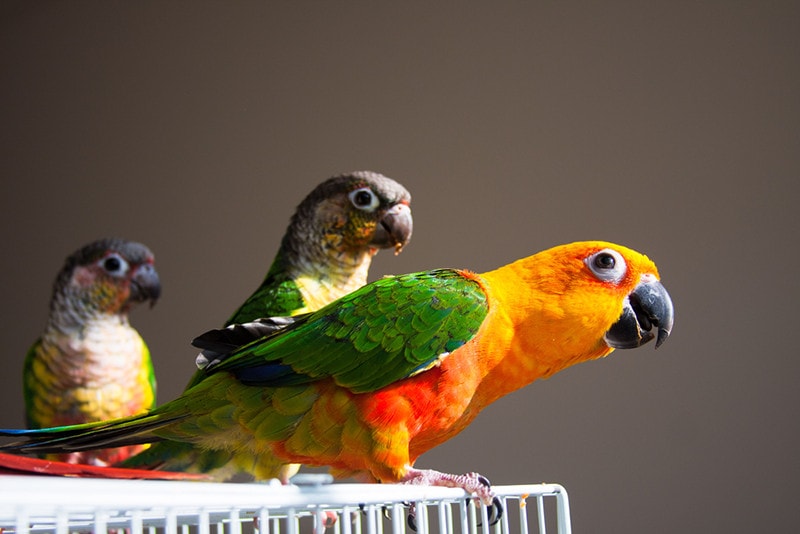
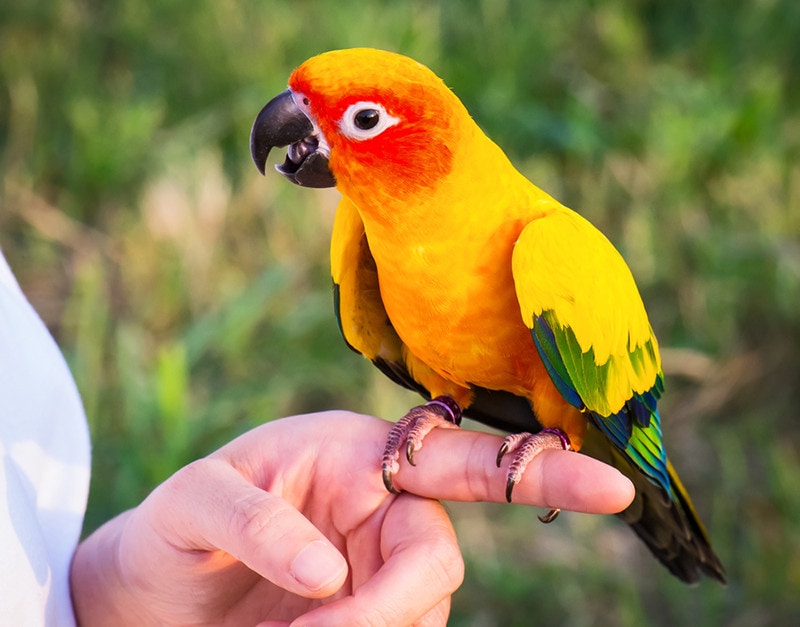
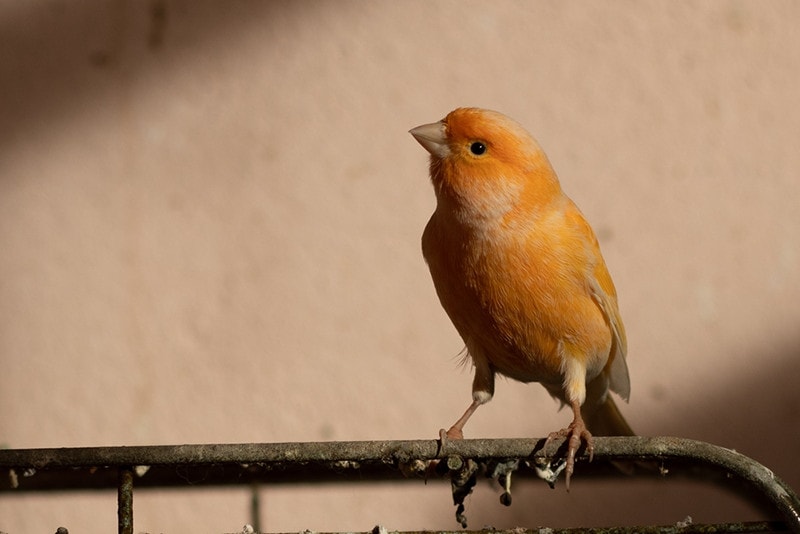
Do you live with roommates or close-by neighbors? Birds are noisy little things. Depending on the species you adopt, your home may be filled with beautiful bird songs (canaries) or seemingly incessant squawking (looking at you, conures)!
Are you willing to put in the work? All pets, regardless of species, require work, but birds can greatly demand your time and attention. Depending on your bird's species, you may be signing up for 40+ years of work.
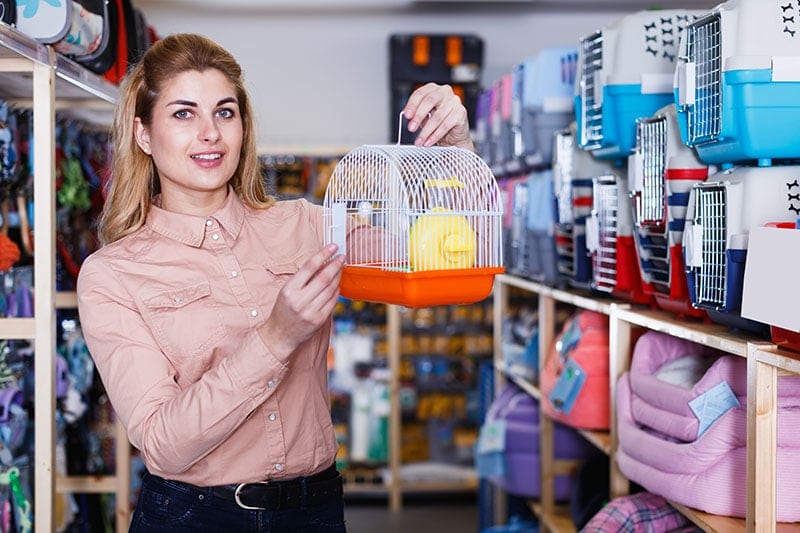
The 10 Steps on How to Take Care of a Pet Bird
1. Get Rid of Potentially Harmful Household Items
Birds have extremely sensitive respiratory systems. They're so sensitive, in fact, that many of the common items you have in your home right now can actually kill them.
Take your cookware, for example. Non-stick pans containing Teflon can be fatal to birds. The coating on the pans that makes them non-stick emits a toxic and odorless fume when heated to a certain temperature that can kill birds within minutes.
Replace your Teflon-containing pots and pans with PTFE- and PFOA-free cookware. Other potentially harmful household items containing PTFEs and PFOAs include waffle irons, air fryers, rice cookers, hair dryers, and clothing irons.
Before you bring home your bird, you must also toss out highly fragranced items like essential oils, candles, and air fresheners. These scented items can pose a serious health hazard to your pet.
2. Familiarize Yourself With Your Bird's Personality
Different bird species will require different levels of care as each species has unique personality traits.
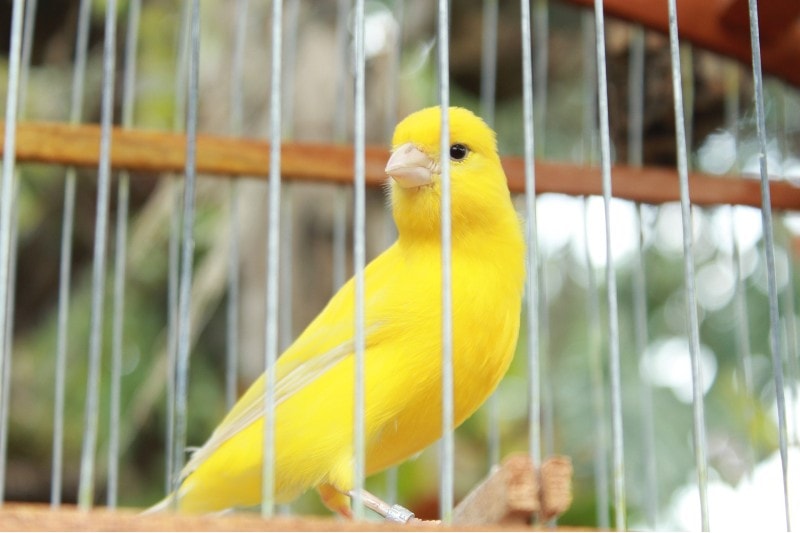
Some birds, like canaries, don't like to be handled too much, preferring to spend time in their cages alone. Others, like parrots, require a lot of socialization and time out of their cages to stay happy and healthy.
Large species, like Macaws or Umbrella Cockatoos, will take up a significant footprint in your home. Others, like finches, won't need as much space.
3. Prepare to Feed a Pelleted Diet
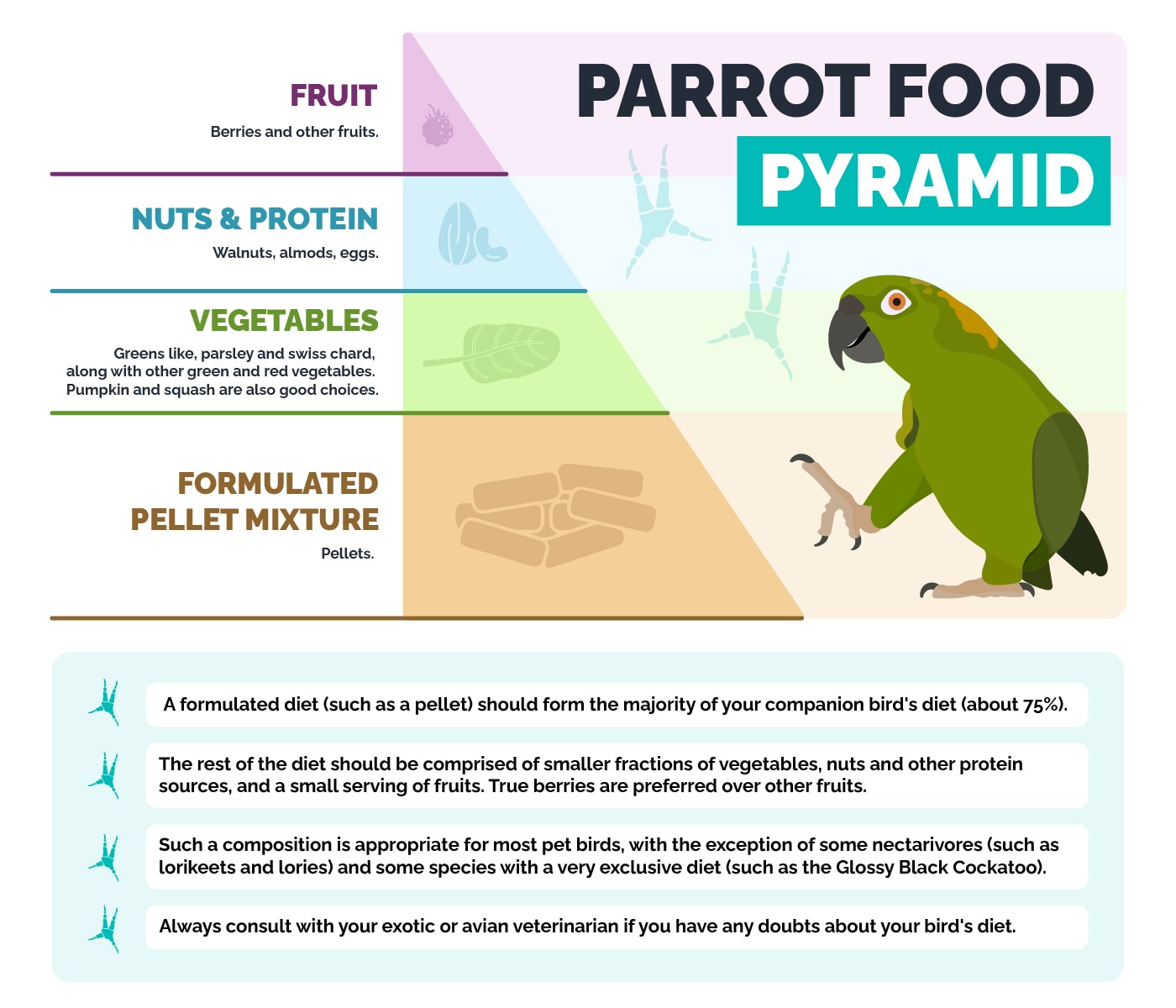
Domesticated birds do best when fed a high-quality pellet diet. Commercially manufactured pellets contain all the essential nutrients your bird needs to thrive. In addition, they have a balanced fat content and provide a nutritionally complete food.
Many first-time bird owners believe that seeds are the be-all and end-all for birds, and while this may be true for the wild variety that visits your backyard, the same can't be said for your domesticated pet. Seeds are too high in fat and low in vitamins and minerals for pet birds to thrive on.
If you're adopting an older bird or one from a poor breeder, you may need to transition your pet from a seed diet to pellets. This can be a challenge, but it's worth putting the time and effort into. An all-seed diet can cause obesity and liver disorders like fatty liver disease.
In addition to pellets, pet birds will need fresh fruit and veggies daily. You can also feed them seeds as a treat occasionally.
4. Get Ready to Socialize
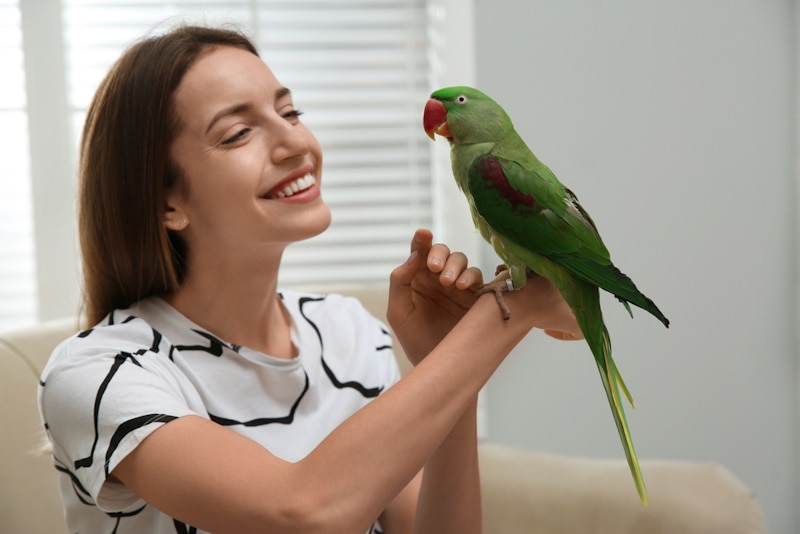
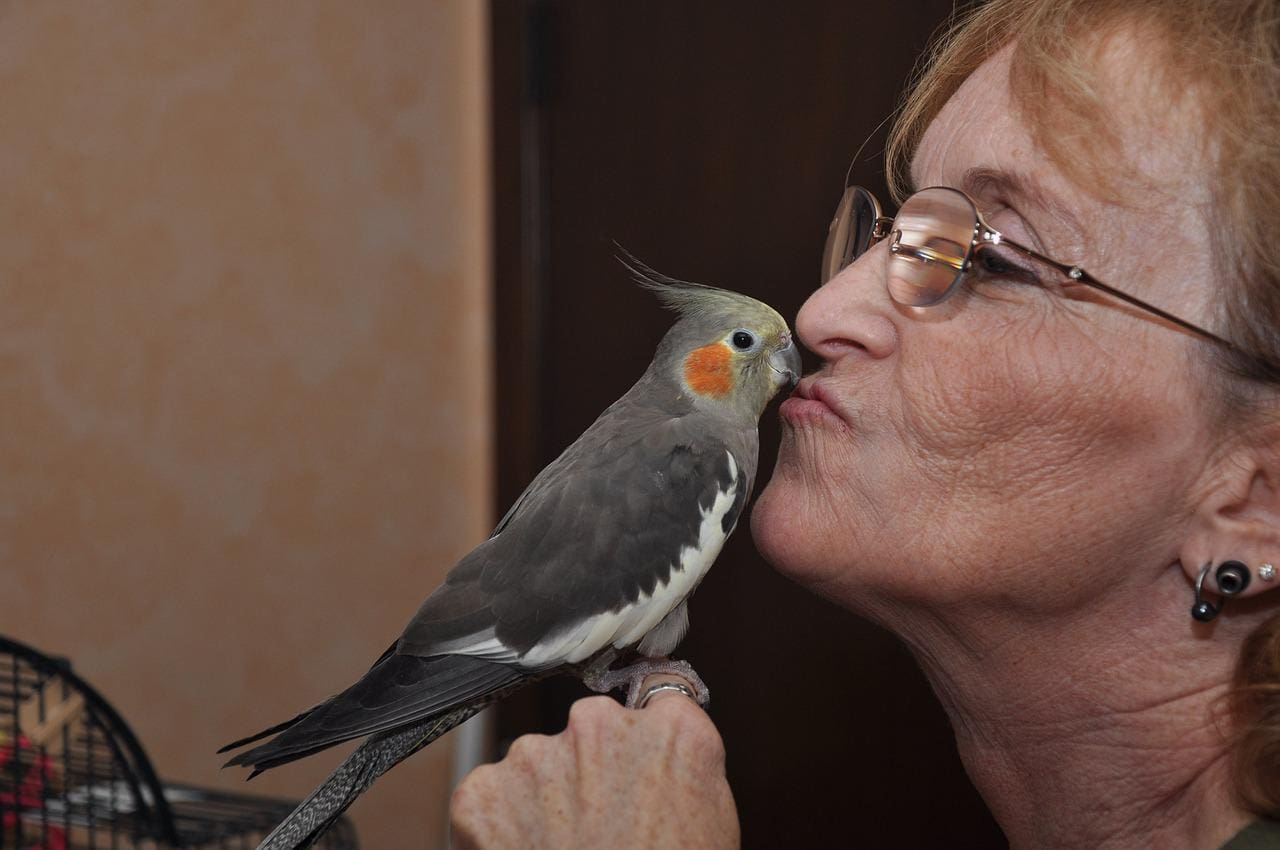
Just like cats and dogs, birds love it when you take time to socialize with them. Because many species of birds have long life spans, they develop social relationships throughout their lives. This may mean that your bird takes better care of some members of your household than others, so every member of the family must participate in your pet's care and socialization.
Of course, this doesn't apply to every species. The majority do well with time outside of their cage every day, socializing and bonding with you.
5. Buy the Right Size Cage
Regardless of species, your bird will spend a fair amount of time inside its cage. Therefore, you'll need to pick a cage that suits its size and exercise needs.
The minimum cage width for two birds should be three times their combined wingspan. As for height, we recommend it be at least three times the length from the head to tail tip of the largest bird living inside of it. But, of course, bigger is almost always better for every bird species.
Cage bar sizing is another important consideration. The width between bars shouldn't be so big that the bird's head could get trapped or so small that its talons could get caught in them. Choose a rectangular-shaped cage over a rounded style.
6. Consider Cage Placement
Where in your home you'll place your bird's cage is something else to consider. It needs to be put in a warm, comfortable room with enough traffic to keep your bird engaged. Most birds will become unhappy if they are isolated in a room away from their human family members. But, of course, once you get to know your pet better, you can better gauge whether it would prefer to be in a room with high traffic or somewhere quieter, away from the hustle and bustle.
Please do not put the cage in front of a window where your pet will feel it needs to be constantly on the lookout for predators.
7. Make Cleaning a Priority
Cleaning your bird's cage regularly is a must. Poor cleaning habits can make you or your bird sick, so set aside time daily for basic environment cleaning.
Use newspaper on the bottom of your bird's cage to make cleaning it easier. Change out the newspapers daily. Using paper versus other types of bedding also allows you to keep tabs on your bird's health by inspecting its feces.
Wash food and water bowls every day to prevent bacteria growth. Don't put either bowl directly under a perch; otherwise, your bird may drop feces into its food or water supply.
In addition to your daily cleans, you'll need to do more in-depth cleans every week. The entire cage must be sprayed and scrubbed weekly using a non-toxic disinfectant soap and hot water.
8. Provide Plenty of Toys
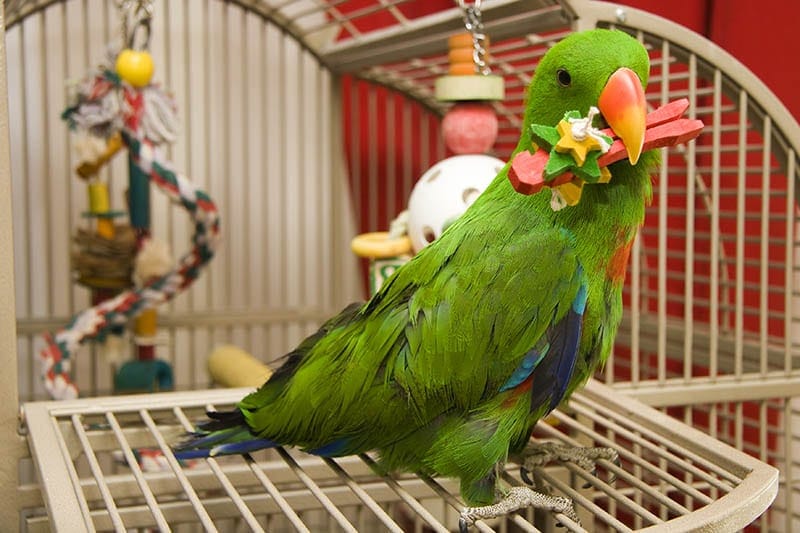
Like cats and dogs, birds need toys in their environment for enrichment. We recommend starting with four or five highly engaging and interesting toys to keep your bird busy as it spends time in its cage. You'll eventually need to invest in extra toys so you can switch them out weekly to stave off boredom.
9. Provide Perches of Differing Shapes and Textures
Your bird will spend most of its day on its feet, so it's important to have a variety of perches to prevent foot fatigue. Try finding perches with different shapes and textures, like wood perches and natural branches. Sand perches generally aren't recommended.
Note: If you use a natural wood perch, scrub it thoroughly before putting it in your bird's cage. Do not use cleaning products on it since they may be toxic for birds. In addition, only use bird-safe woods like balsa, poplar, ash, and elm. The wood should be pesticide-free and untreated.
10. Bird-Proof Your Home
Your pet will spend some time outside its cage, so you must ensure your living areas are bird-proof to prevent the unimaginable.
All windows and doors should be kept closed to prevent any escapes. Keep the blinds closed to stop window strikes and toilet lids closed to prevent accidental drownings. Protect your bird from hot objects like stovetops, radiators, and fireplaces.

Final Thoughts
Birds can make fantastic companions, but potential owners must educate themselves on their unique care requirements. You've already taken the first step by reading this blog to learn the basics of pet bird care. Now, all you need to do is decide which bird species will best suit your lifestyle!
See Also:
Featured Image Credit: binoyphotofolio, Shutterstock
Get Hepper In Your Inbox


Pet care tips from our vets and experts, straight to your inbox.
You may opt-out at any time. View our Privacy Policy for more information.
Chantelle's life revolves around two passions: writing and animals. Raised on the prairies of Canada amidst a menagerie of pets, she now lives with five cats, two guinea pigs, and a bearded dragon. Together with her husband and child, Chantelle delights in being an exemplary animal parent, going as far as installing wall-mounted cat shelves to give their cats an indoor playground. When she's not cozying up with her cats or snapping their amusing antics, she enjoys venturing into the Rocky Mountains, binge-watching her favorite Netflix shows, and indulging in spontaneous reading adventures.
Join the conversation
Ask a question, share your story, or send private feedback.