Hepper is reader-supported. When you buy via links on our site, we may earn an affiliate commission at no cost to you. Learn more.
Can You Touch Newborn Kittens? Vet-Approved Care Facts


In this article
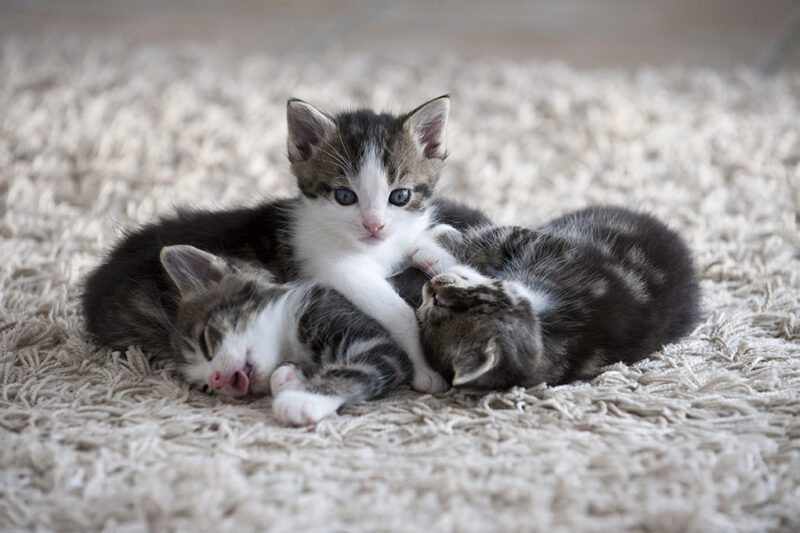
There’s nothing like the rush of affection we feel at the sight of tiny, newborn kittens. Their fuzzy ear flaps, tightly closed eyes, and plaintive meows endear them to us immediately. While newborn kittens are incredibly adorable, their fragility can make us wonder whether it is safe to touch them.
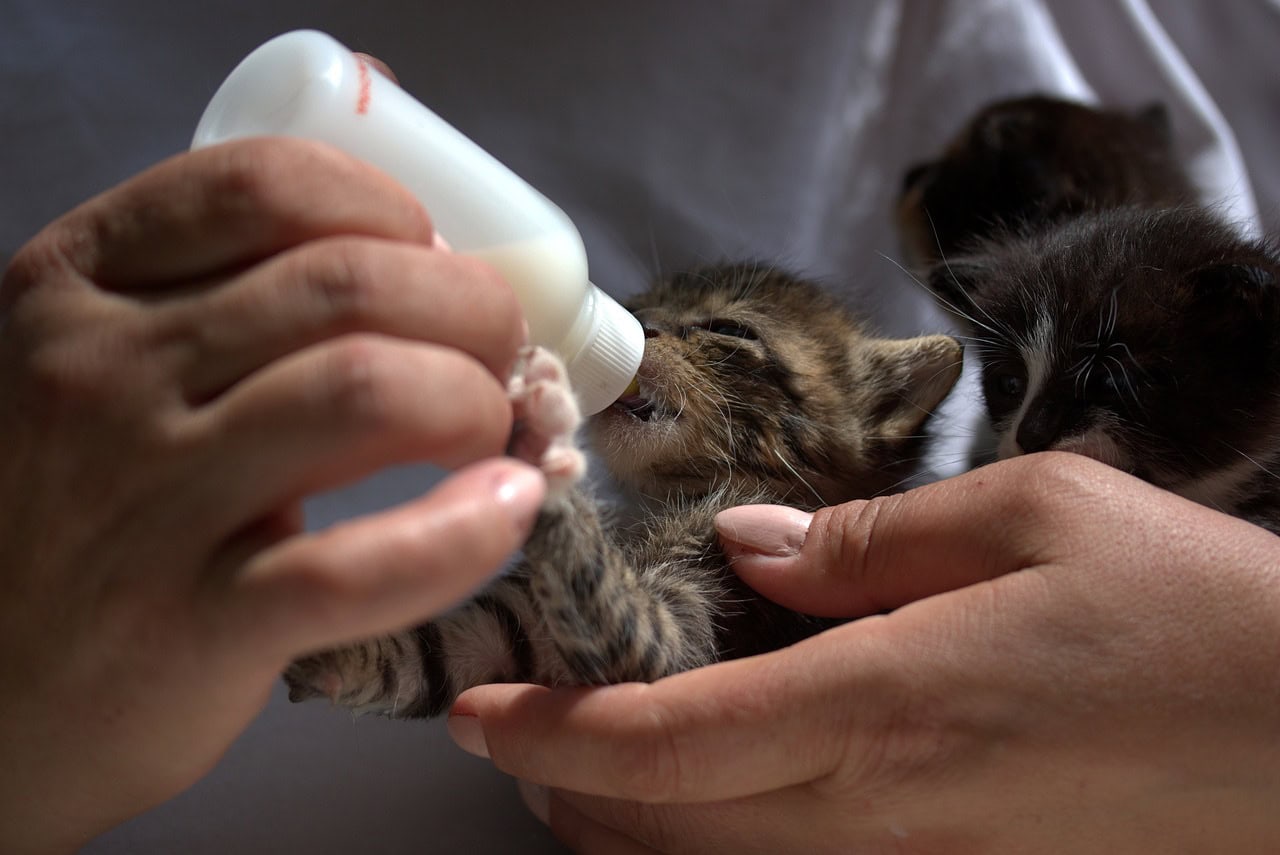
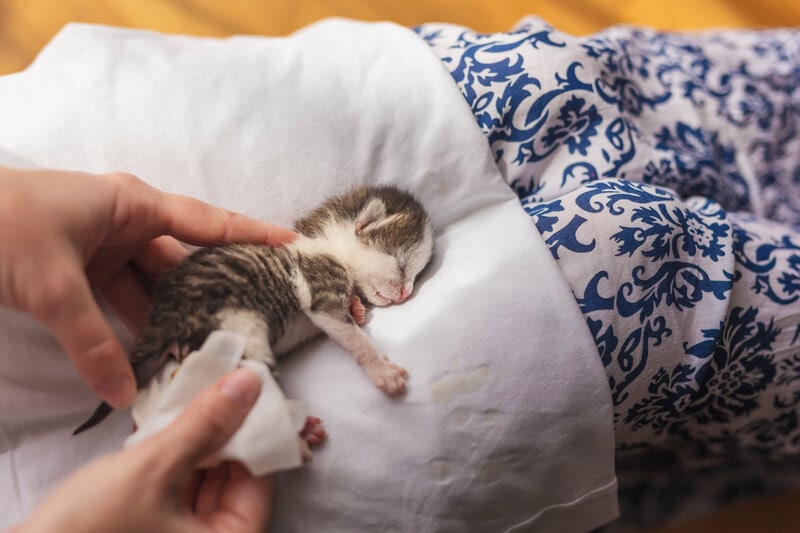
For newborn kittens that stay with their mother, it's advised that you avoid touching them as much as possible until they are at least 2 weeks old. Before this, only touch them if you really need to; for example, if their lives are in danger and you need to move them. However, if you're hand-rearing a kitten whose mother is not able to look after them, you can touch them but you should be extra careful with your hand hygiene and wear gloves.
This article will go over important information regarding handling newborn kittens.

The Importance of Touch and Scent
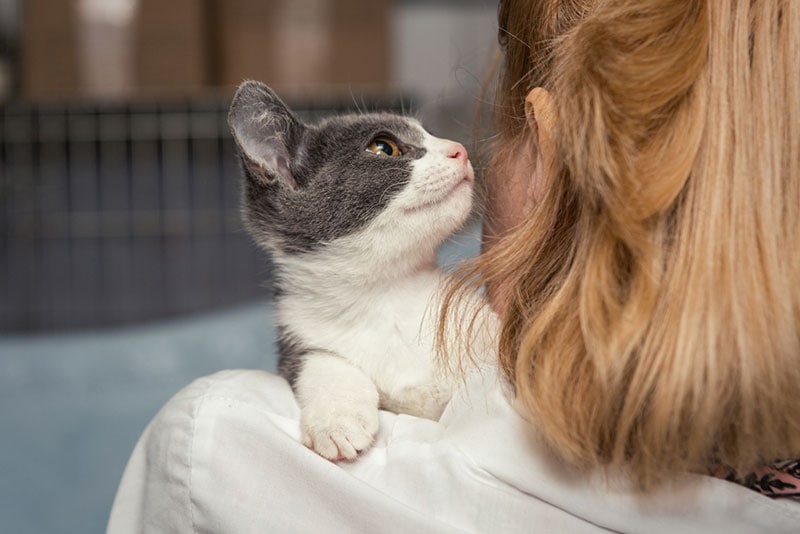
Touch is an essential aspect of a newborn kitten’s life. It helps establish bonds, promotes their development, and builds trust. Through touch, kittens experience warmth, security, and comfort. Regular handling by humans from an early age can result in friendlier and more sociable adult cats.
Additionally, tactile stimulation aids in developing their nervous system, including motor skills and coordination, as well as keeping their circulation and digestion regulated.
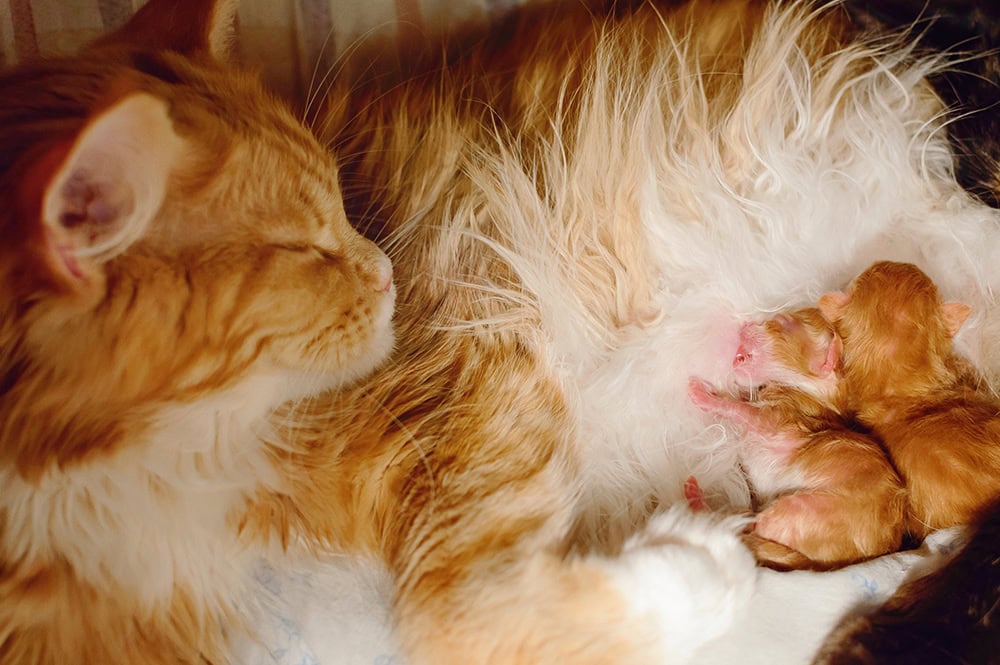
Like many other animals, cats also bond and establish a connection with each other through scent. When a mother cat licks and grooms her babies, she marks them with her scent, so the world knows they are hers. If humans touch them too much, the kittens might lose their mother’s scent, and she may move them to another location to keep them safe.
It is a myth that a mother cat will reject or hurt her babies if they smell like humans, but she will follow her instincts and find a new nesting spot if she’s unsure about the current one.
Understanding the Sensitive Newborn Stage
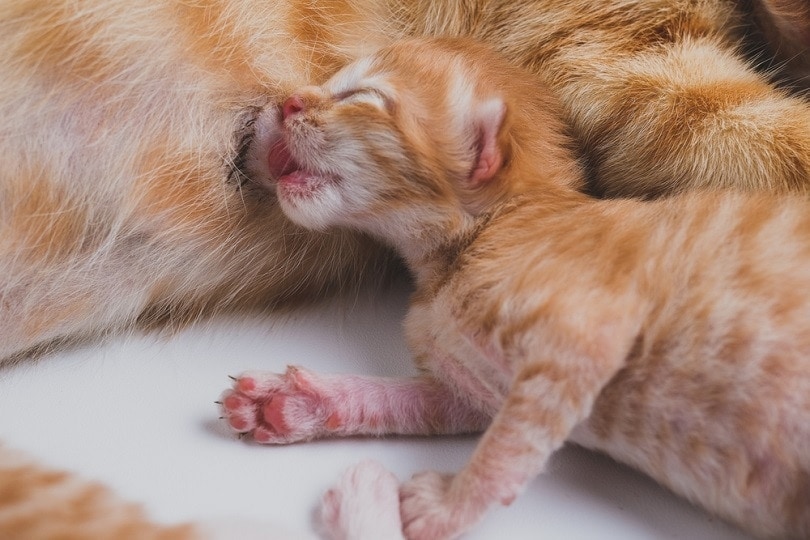
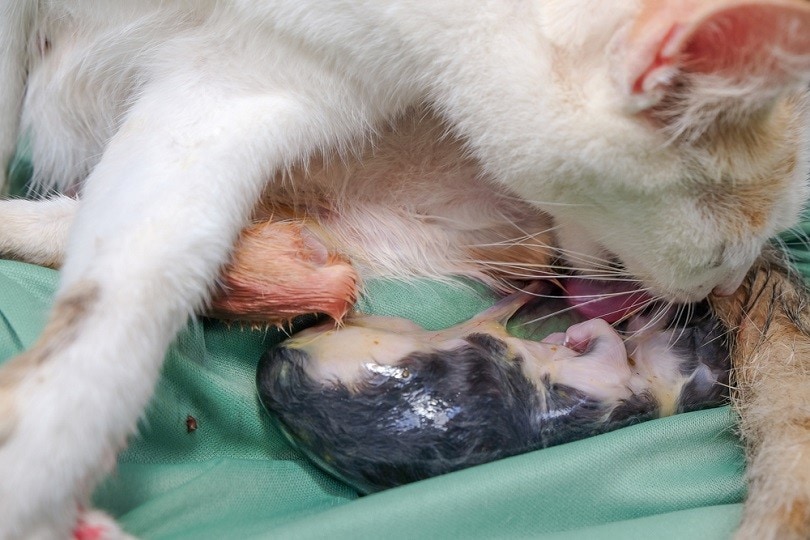
Newborn kittens are highly vulnerable during their initial weeks of life. Their immune systems are still developing, and any germs on our hands can transfer easily to their tiny bodies. Their bones and organs are very fragile and susceptible to accidental injury, and they are unable to defend themselves.
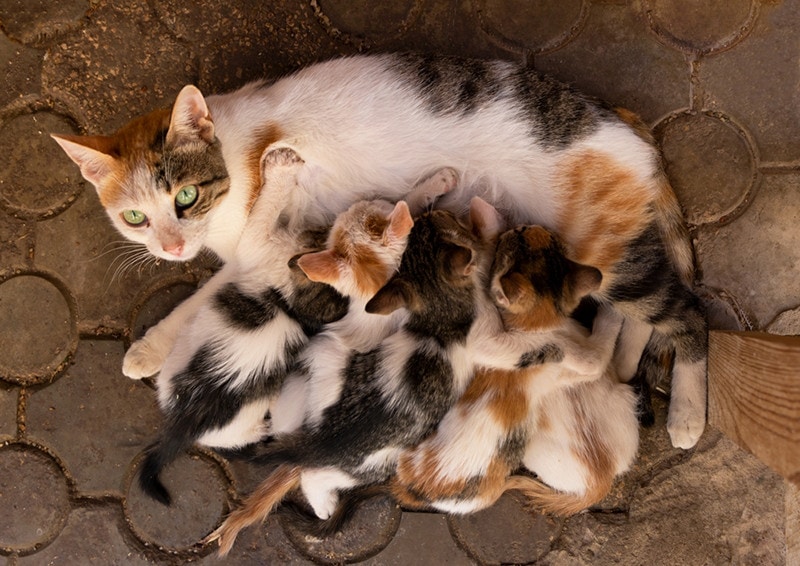
Newborn kittens rely heavily on their mother for nourishment, warmth, and protection. During this phase, the mother cat plays a crucial role in grooming and stimulating their bodily functions. Newborn kittens are unable to defecate or urinate without their mother’s help. It is important to respect this natural process and understand that over-handling can be stressful for both the kittens and their mother.
It’s best to observe from a distance (as hard as this will be!) for the first two weeks and minimize unnecessary disturbances. If you don’t need to touch them during this period, it’s best not to, especially if the mother cat doesn’t know you well.
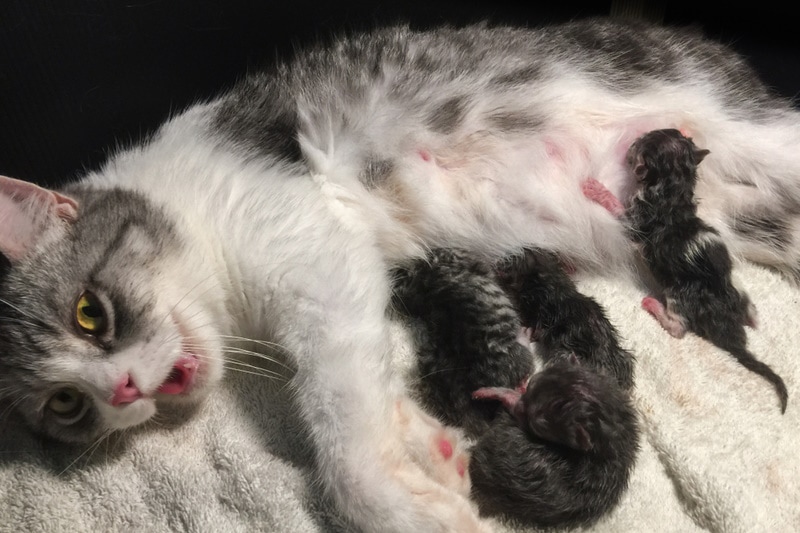
In the same way that a human mother needs time to bond with her newborn, mother cats need time to bond with their litter and adapt to their new role as caretakers. She might become agitated if there is too much human activity around her nest or if her kittens are out of her sight. Creating a peaceful and safe environment for mama and babies is the best thing you can do for the new family during their first two weeks together.
Guidelines for Handling Kittens
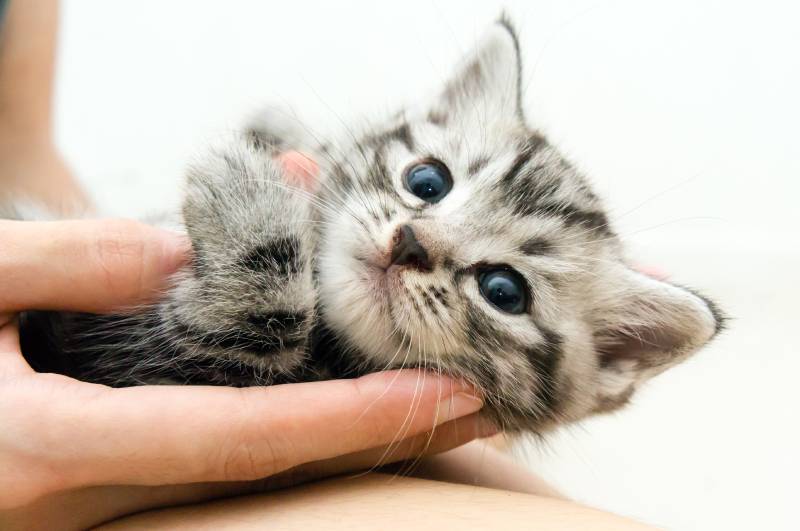
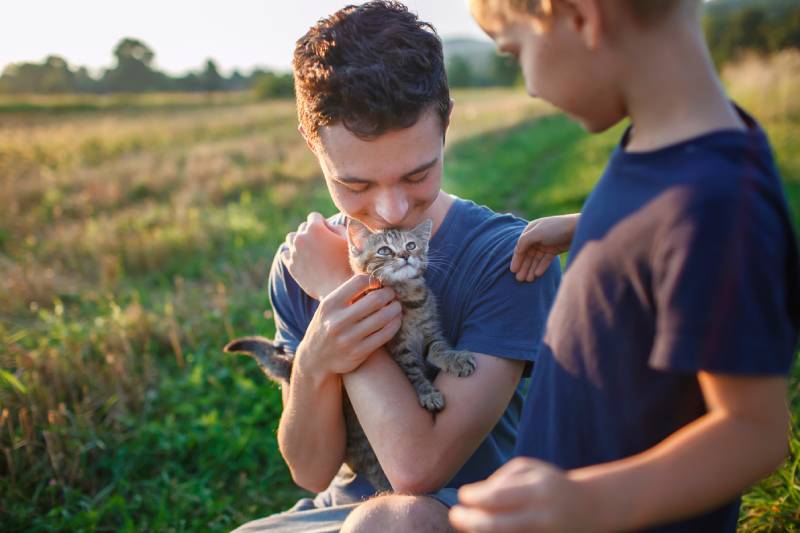
Once the kittens are 2 weeks old and their eyes open, you can very gently start handling them. The key socialization period for kittens is between 2 and 7 weeks of age, as this is the period during which particular events are very likely to have long-term effects on their development. Having positive and frequent human contact during these weeks is essential for correct socialization of the kitten in their future lives. Here are some considerations:
- Thoroughly wash your hands with a mild, unscented soap to eliminate any potential bacteria or odors that might alarm the mother or affect the health of the kittens.
- Seek the mother's permission before touching newborn kittens. Ensure that the mother is comfortable with your presence by letting her sniff your hands before touching her babies. If she seems agitated or anxious, it is best to wait until she is calm or seek advice from a veterinarian or cat/kitten rescue organization.
- Handle the kittens in the presence of their mother and littermates to make it a more positive experience.
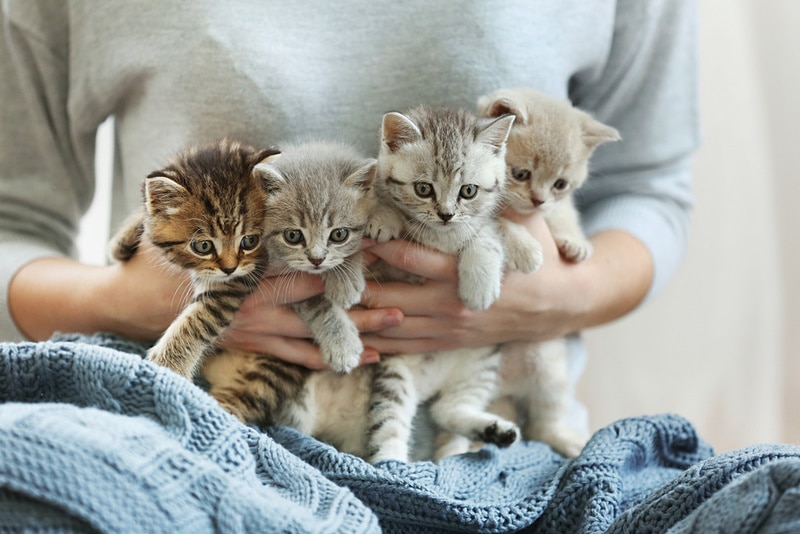
- When handling kittens, always maintain a gentle touch. Support their entire body, especially their delicate heads and necks. Avoid squeezing or applying excessive pressure.
- Keep the duration of each handling session short to avoid overstimulation or stressing the kittens. Gradually increase the duration as they grow older and more accustomed to human contact.
- Having multiple short sessions throughout the day with a total of 30 to 60 minutes of human social interaction per day is ideal. This way they will be more inclined to remain in close physical contact in the future.
- Ensure the area where the kittens are kept is clean and free from hazards. Avoid exposing them to excessive noise, drafts, or sudden temperature changes.
- Newborn kittens sleep for most of the day, and interrupting their rest can be detrimental to their well-being. Avoid waking them up unnecessarily, and allow them to wake naturally.
- If you encounter any concerns or observe abnormalities in the kittens' behavior or health, consult a veterinarian or an experienced animal caregiver for guidance.
- It is best if the kittens are handled by four or five different people (male, female, adults and children) before they are 7 weeks of age. This will facilitate them to be much more sociable with humans as adult cats.
Final Thoughts
Touch is a vital aspect of a newborn kitten's development, and it needs to be approached with care and respect. By understanding the importance of touch and adhering to the guidelines mentioned above, you can contribute positively to their socialization and development.
Remember, the well-being of both the kittens and their mother is paramount and maintaining a calm and stress-free environment is essential during this delicate phase. With gentle handling, appropriate boundaries, and a watchful eye, you can enjoy the precious moments with these adorable creatures while ensuring their safety and overall growth.
Sources
Featured Image Credit: Tom Pingel, Shutterstock
Get Hepper In Your Inbox


Pet care tips from our vets and experts, straight to your inbox.
You may opt-out at any time. View our Privacy Policy for more information.
Nicole is a lover of animals of all sizes but is especially fascinated with the feline variety. She’s the proud mom of Baby, a Burmese, and works every day so he can relax in the sunshine or by the fire. She’s always had a cat in her home and has spent countless days with others, observing behaviors and softening up even the grouchiest of the lot. Nicole wants to share her kitty expertise with you so you and your cat can live happy, healthy, and care-free.
Join the conversation
Ask a question, share your story, or send private feedback.