Hepper is reader-supported. When you buy via links on our site, we may earn an affiliate commission at no cost to you. Learn more.
How To Take Care of a Newborn Kitten: 7 Vet-Approved Care Tips


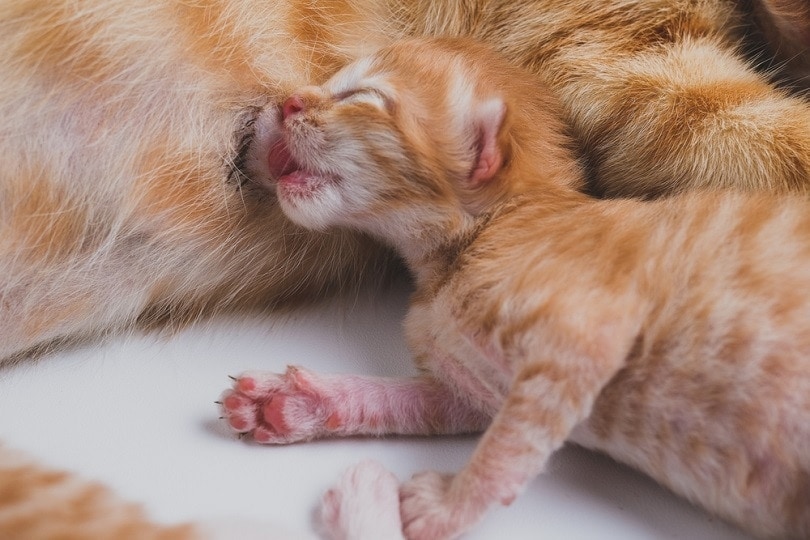
Newborn kittens are adorable but incredibly vulnerable. Most only weigh between 1.8 and 5.3 ounces when they're born. They enter the world sightless and can't regulate their body temperatures. If you're taking care of a newborn kitten, get ready for a joyful ride; in just a few months, your baby will look like a little cat and be ready to take on the world! Keep reading for a few essential tips and tricks to help you ensure your kitten gets the best possible start in life.

Before Getting Started
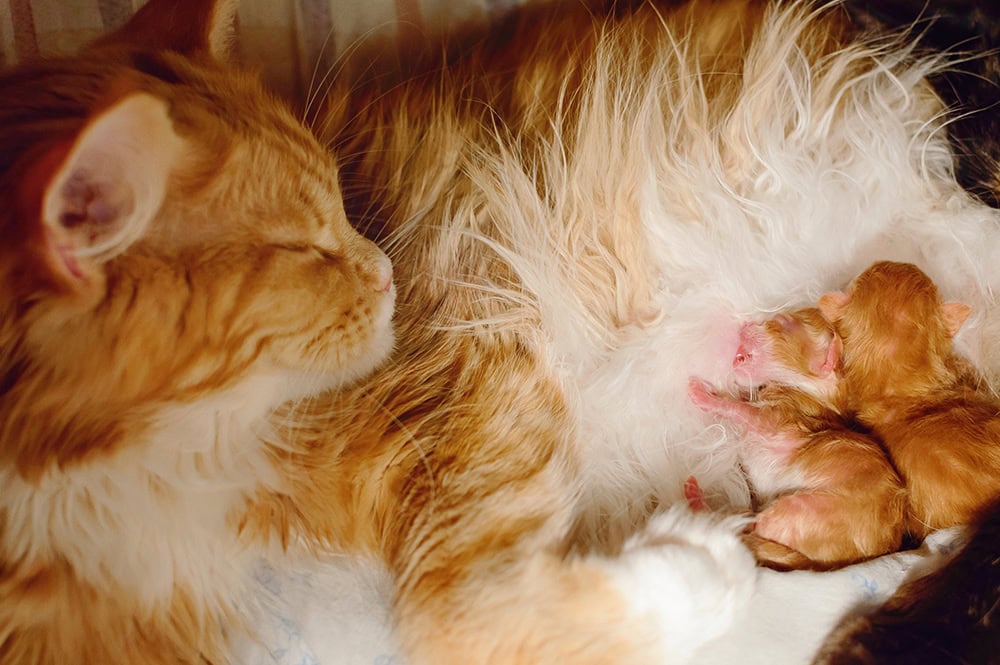
Healthy queens who experienced normal deliveries and are caring appropriately for their kittens generally don't need much help raising them. In fact, many strongly prefer to be left alone in the period right after they’ve given birth, and too much stress can actually lead cats to neglect their babies.
Hand-raising kittens is a different ball game that requires pet parents to essentially step in and meet all of the needs that would normally be the mother's responsibility. However, they can get advice from their veterinarians and rescue organizations.
Veterinarians and shelters have plenty of experience when it comes to raising orphaned kittens.
They can provide tips regarding feeding techniques, schedules, milk-replacement products, and how to stimulate kittens to use the bathroom. Keep reading to learn more about the factors to keep in mind when caring for newborn kittens.
The 7 Tips for Taking Care of a Newborn Kitten
1. Keep Them Warm
Kittens don't have the ability to regulate their temperatures when they're first born, so it's crucial to provide a warm environment, between 85–90 °F for the first four days or so. After the first week, temperatures of 80°F are generally acceptable for the first month.
Just turning the heat up can sometimes be enough to keep kittens who can cuddle up next to their mom and littermates nice and warm, but external heat sources are sometimes required. Make sure the nest is filled with comfortable bedding like blankets and towels.
Newborn kittens without a mom to keep them toasty may need an external heat source, such as a heat lamp or pet-friendly heating pad, to keep them warm enough. It’s important to supervise when using external heat sources and kittens should not come into contact with the heat source.
2. Provide a Calm Environment
Kittens benefit from spending the first few weeks of life in calm, safe, comfortable environments where they can rest and recover from the recent adventure of entering the world. Stressful living situations can even lead queens to reject kittens.
Kittens don't require much stimulation during the first weeks of life. It's normal for queens to relocate kittens to quieter locations if the traffic becomes too high for comfort in one place.
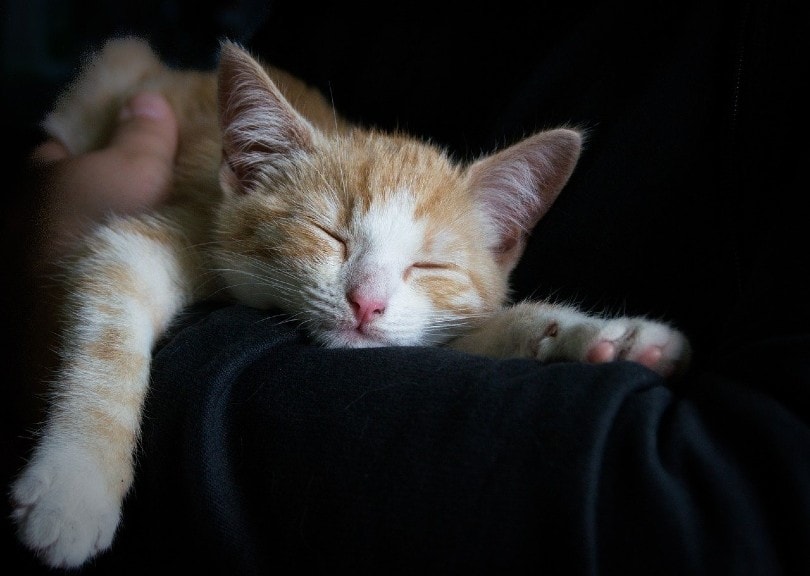
Orphaned kittens should stay in comfortable nests in warm, quiet rooms free of drafts and loud noises. Kittens spend almost all their time sleeping for the first 2 weeks of life and don't start exploring much until they're about 4 weeks old.
3. Ensure They Have Enough to Eat
Healthy kittens generally gain about 1/2 ounce per day, but it can vary. As long as they’re gaining and not losing weight, they’re probably developing normally.
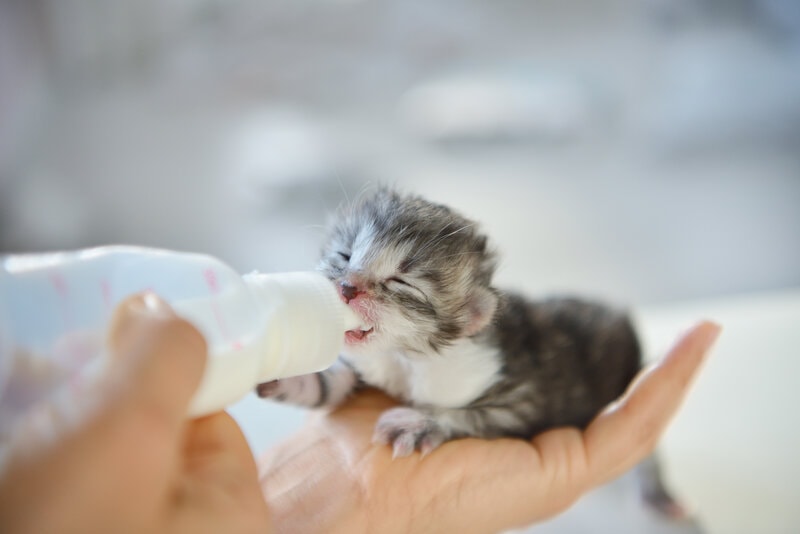
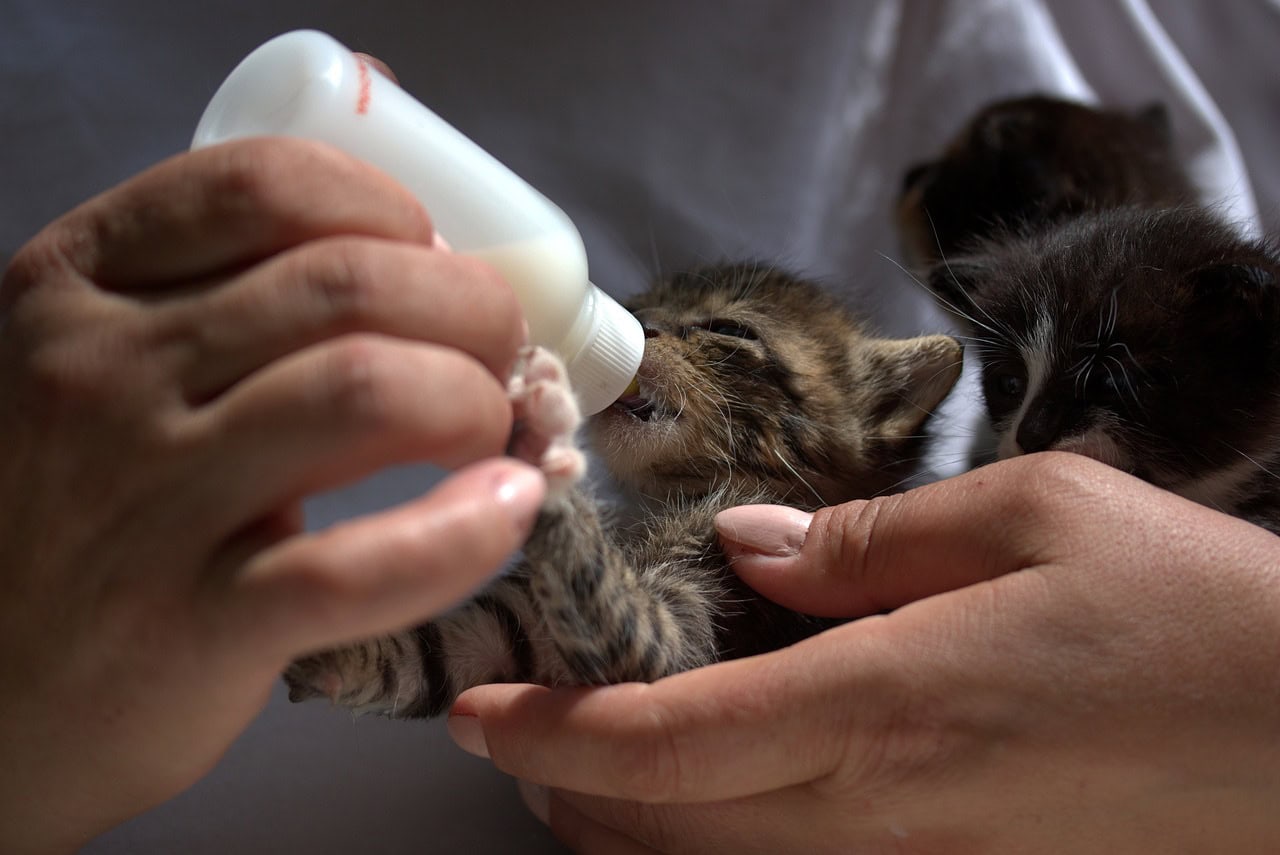
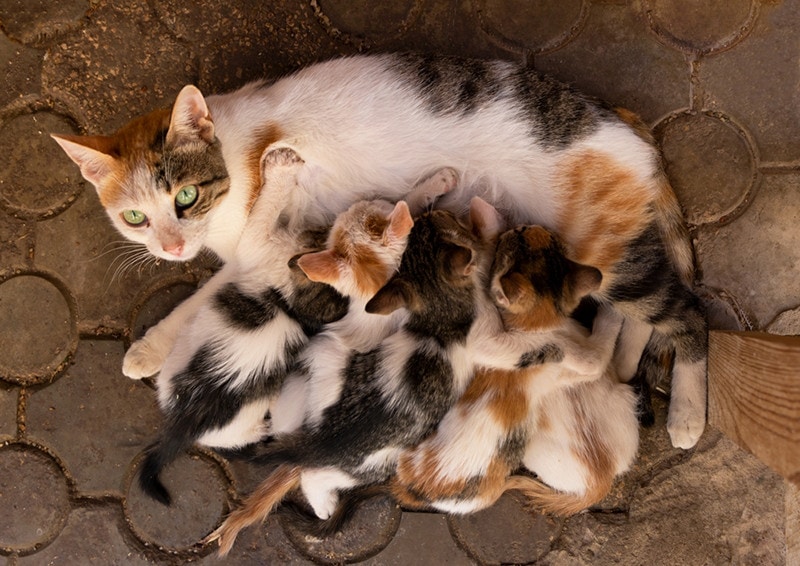
Kittens raised by their mothers get all the nutrition they need from their mother's milk. Weaning usually starts when they’re around 4 or 5 weeks old. Newborn kittens who are being hand-raised should be fed a kitten milk replacement; cow's milk is an unsuitable substitute.
Pet parents can use eye droppers and syringes to feed tiny kittens. Newborn kittens require feeding every 2 hours at first, but most only require food every 5-6 hours by the time they're 5 weeks old.
4. Monitor Their Health
Healthy kittens typically appear relaxed and content, and most spend their first few weeks sleeping comfortably. Those who aren't feeling well have trouble settling down and sometimes cry, appear weak, and have trouble gaining weight.
Queens can reject or stop caring for kittens for several reasons, including stress and illness. Cats that develop postpartum complications sometimes stop caring for their babies due to pain. Conditions like mammary gland infections can be painful and make it difficult for kittens to obtain sufficient nourishment.
Keep an eye on your kitten's activity levels and growth. Speak with your veterinarian if your kitten starts eating less or if you observe other behavioral changes, such as reduced activity levels. Contact your veterinarian if your tiny buddy develops a nasal discharge or starts sneezing; upper respiratory infections are relatively common in kittens.
5. Start Socializing at the Appropriate Age
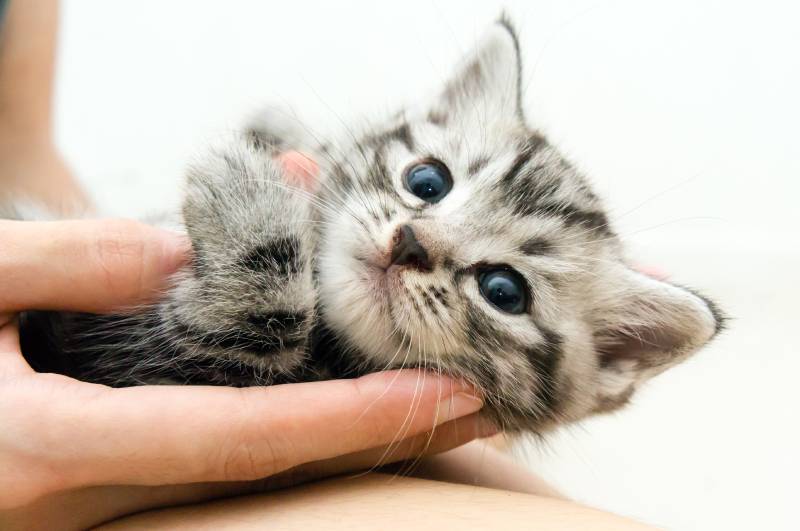
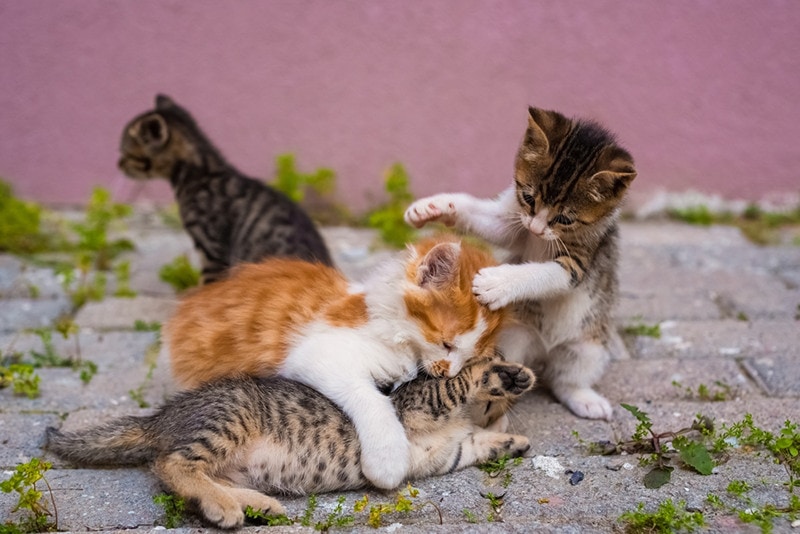
Socializing kittens is how baby cats learn how to interact with the world. Cats are most receptive to learning between 2 and 7 weeks old. Those who have been well-socialized tend to be okay with being handled and are generally inclined to be well-behaved in situations they were exposed to during kittenhood.
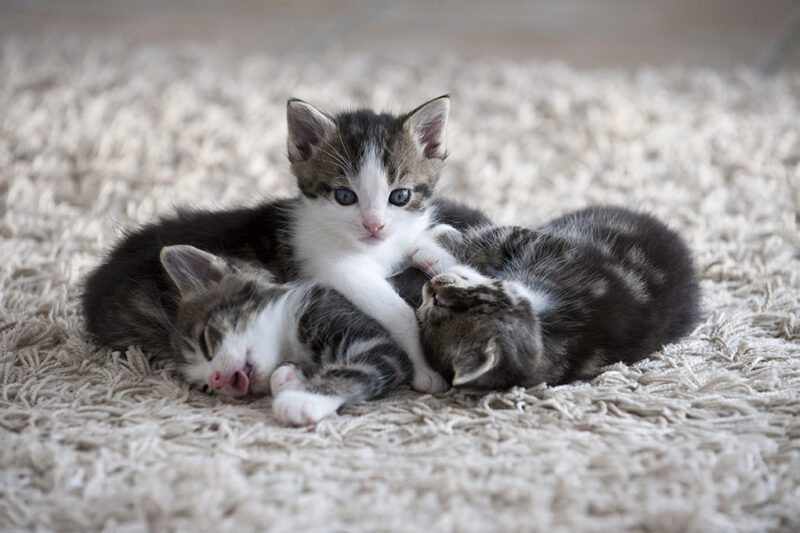
Kittens with moms should be largely left alone for their first 2 weeks of life. Regular brief socialization can begin after kittens are about 14 days old if the mom accepts the interaction. When kittens start exploring on their own, it's time to start playing with them.
Keep the experience positive when interacting with kittens, as they can easily form life-long fears when exposed to frightening events and situations during this vulnerable period. Follow your kitten's lead and end interactions before things become uncomfortable for your pet.
6. Keep The House Clean
Kittens can be a bit messy, and regularly changing the blankets and bedding in their nests ensures they have clean places to rest. Consider using old towels and blankets you can throw in the laundry machine to speed up the cleaning process.
Queens generally groom their kittens and teach their babies to keep themselves clean, but kittens raised by hand need help staying fresh when learning to give themselves a wash. They often benefit from a quick post-meal wipe-down.
Our favorite enzyme cleaner is the Hepper Advanced Bio-Enzyme Pet Stain & Odor Eliminator Spray. It's our product, and we love it so much, we just have to share. It permanently removes the very worst smells and stains (yes, everything you can imagine!), and we offer a 100% satisfaction guarantee!

- ADVANCED ENZYMATIC CLEANER - Penetrates the most stubborn smells and stains at the deepest molecular levels to dissolve any pet mess you encounter and lift it away at the source.
- FOR ANY MESS, ON ANY SURFACE - This pet odor eliminator cleans your carpets, floors, furniture, fabrics, and more. Whether it's urine, feces, vomit, or drool, you can erase all foul spots and smells!
- FRESH, NATURAL ODOR - Our unique formulation doesn't rely on dangerous or unpleasant chemical fragrances to get the job done. We eradicate smells and stains, not just cover them up.
7. Provide Bathroom Assistance (When Needed)
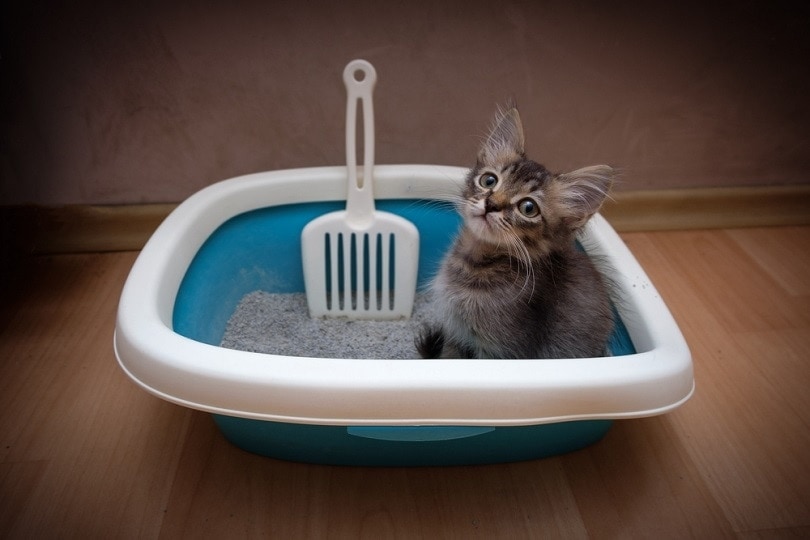
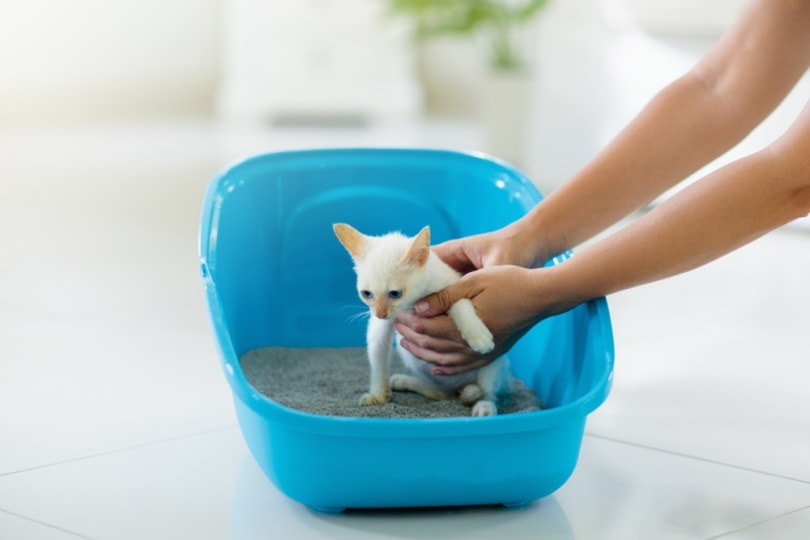
Newborn cats can't go to the bathroom on their own, so they need to have their abdomen, genitals, and bottoms stimulated to induce elimination. This is normally initiated by their mother licking the area, but hand-reared kittens will need their carers to stimulate the area before and after feeding with a soft cloth or tissue. Kittens start sniffing around the litter box when they're around 3 weeks old. By the time they’re 4 or 5 weeks old, they've mastered the litter box and can go to the bathroom like grown cats.

Summary
The kitten development process is quite remarkable; baby cats are born deaf and blind and, within a few months, run, jump, and wreak havoc like little adults. If you're caring for a newborn kitten who still has their mom around, there's probably not much you need to do other than monitor them to ensure they’re gaining weight and growing as they should. Taking care of an orphaned kitten is a serious commitment that requires dedication and time since you're essentially stepping in and taking on the role of a full-time feline mom. Speak with your veterinarian for guidance on how to feed orphaned kittens, how often, and which products to use.
Sources
https://www.petmd.com/cat/care/kitten-development-understanding-kittens-major-growth-milestones
https://www.cats.org.uk/help-and-advice/pregnancy-and-kitten-care/after-birth
https://vcahospitals.com/know-your-pet/pregnancy-and-parturition-in-cats
https://www.petmd.com/cat/centers/kitten/adoption-getting-a-kitten/evr_ct_orphaned_kitten_care
https://www.vetstreet.com/our-pet-experts/your-guide-to-socializing-a-kitten
Featured Image Credit: Rembolle, Shutterstock
Get Hepper In Your Inbox


Pet care tips from our vets and experts, straight to your inbox.
You may opt-out at any time. View our Privacy Policy for more information.
Lorre Luther a reformed lawyer from the United States, she moved to the Netherlands to follow her dream and become a writer. Currently living in Rotterdam, Lorre enjoys traveling and reveling in the astonishing beauty of our planet. As an animal lover, Lorre is convinced that cats are smarter than humans.
Join the conversation
Ask a question, share your story, or send private feedback.