Hepper is reader-supported. When you buy via links on our site, we may earn an affiliate commission at no cost to you. Learn more.
How to Pick Up a Kitten: 6 Vet-Approved Tips


In this article
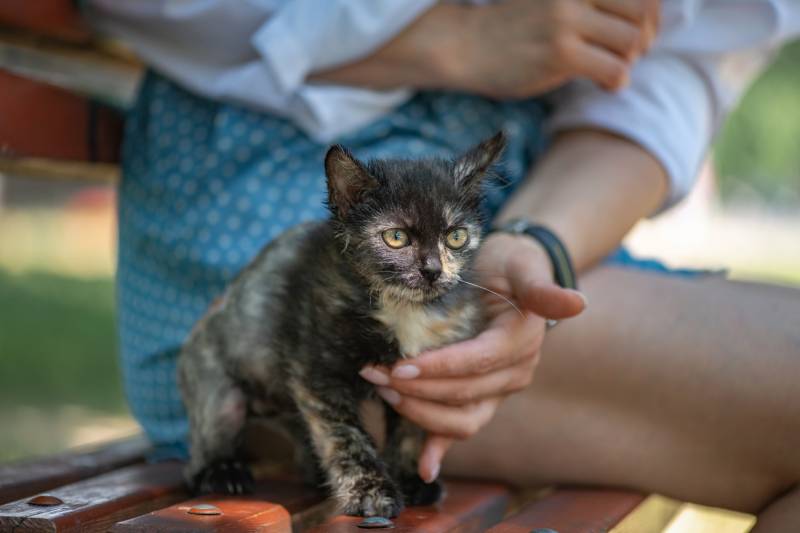
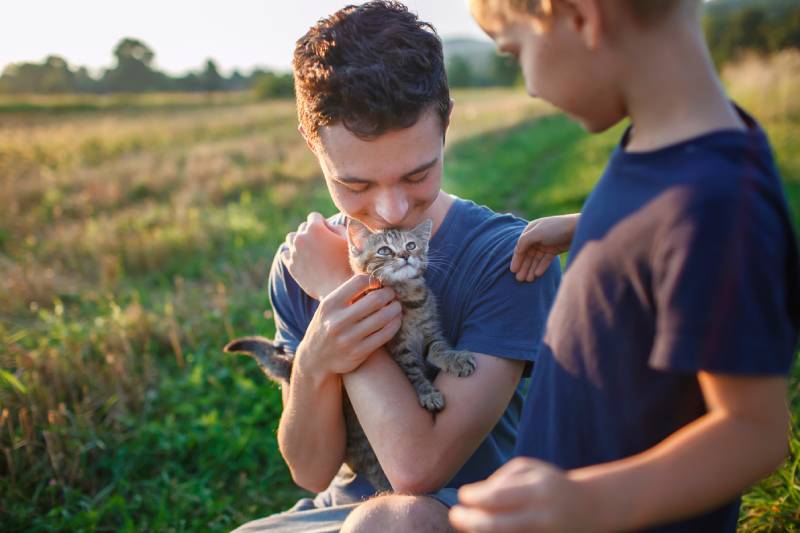
Kittens are adorable, and looking at one can melt anyone’s heart. However, kittens, particularly the smallest ones, must be handled with extra care as they’re relatively easy to injure. They usually feel more secure when picked up with two hands and held close to your body. But your kitten’s reactions are the best guide to whether they’re happy with your technique, and what works for one may not be appreciated by another. Read on for six expert tips to help you get things moving in the right direction when handling your kitten.

The 6 Tips for Picking Up a Kitten
1. Avoid Surprising Your Kitten
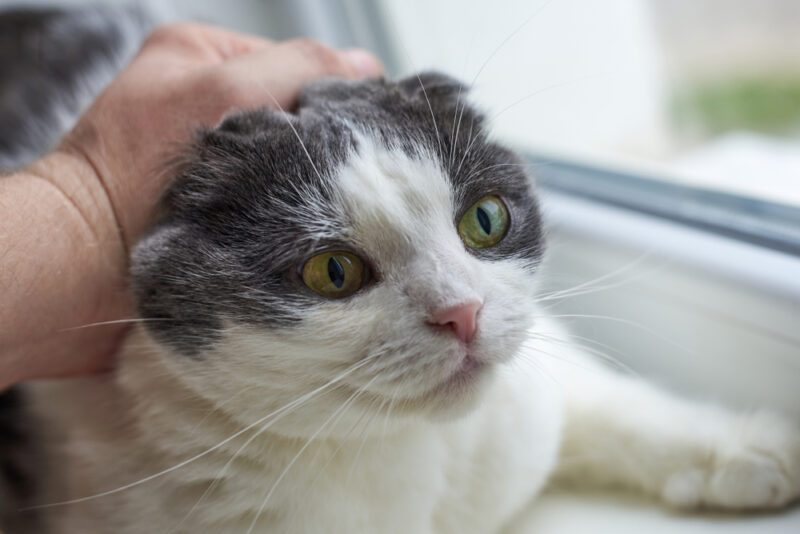
Kittens don’t like being surprised. Making interactions with humans as pleasant as possible goes a long way toward laying the groundwork for trusting and loving future human-feline relationships. Talking to your kitten using a gentle tone of voice lets them know you’re interested in interacting with them. Petting them before attempting to pick them up encourages them to develop positive associations with being handled—it also gives kittens a gentle heads-up to keep them from being shocked when their little paws leave the ground.
2. Use the Right Technique
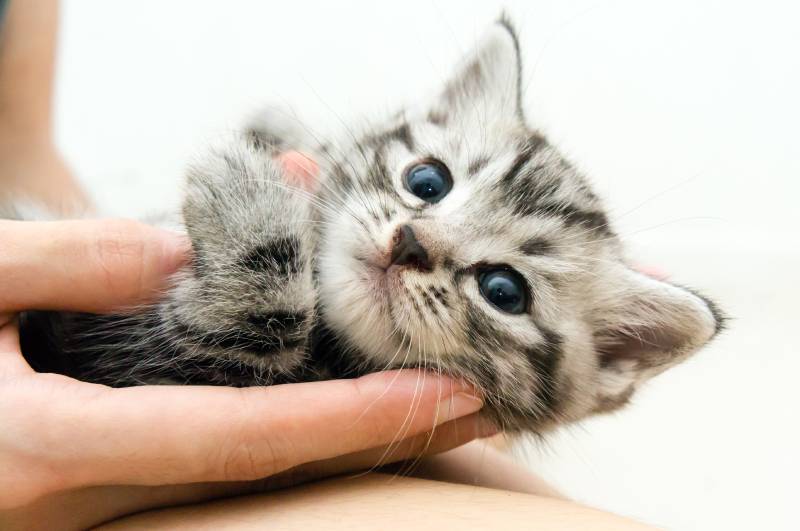
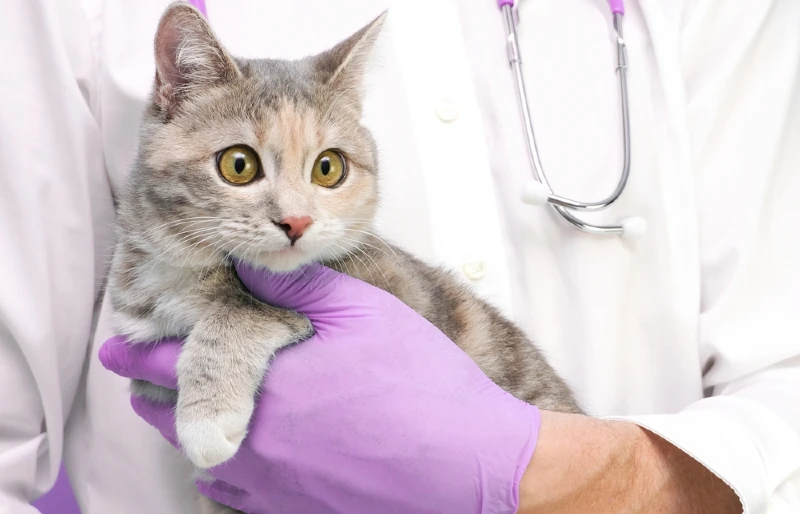
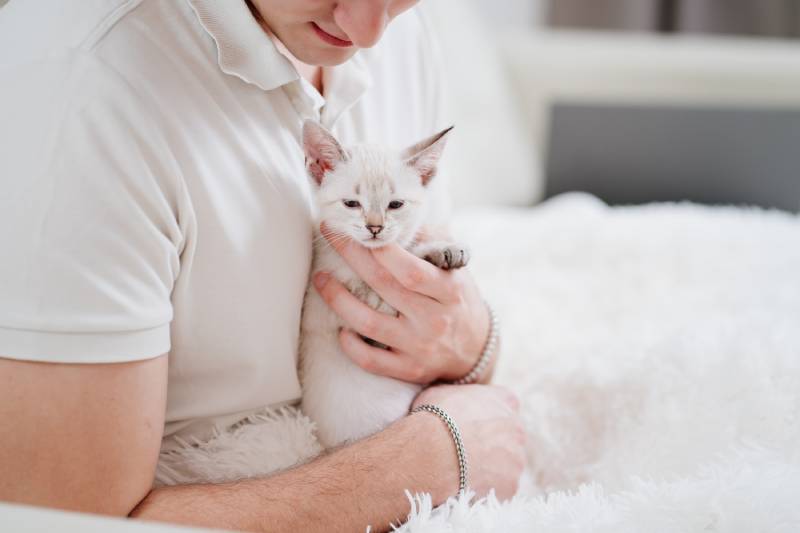
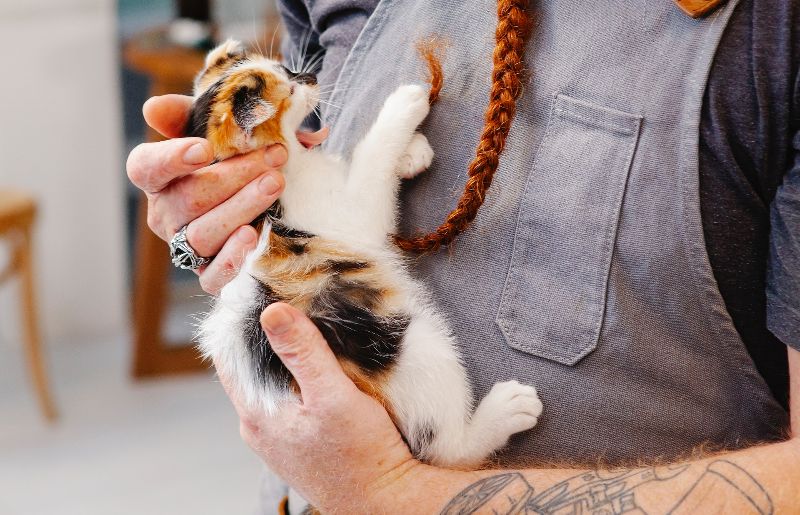
Put one hand under your kitten’s chest and slowly lift them. Quickly use your other hand and place it under their bottom so your hand cradles your pet’s back legs. Try to keep your buddy’s back straight as you lift them. Really tiny cats can be picked up and held in one hand. Place your hand underneath your kitten with your fingers facing their neck and allow their chest to rest in your palm.
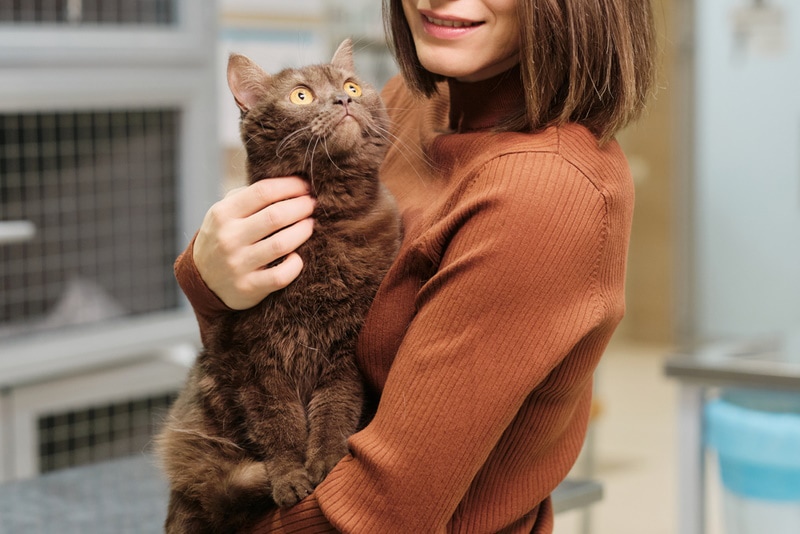
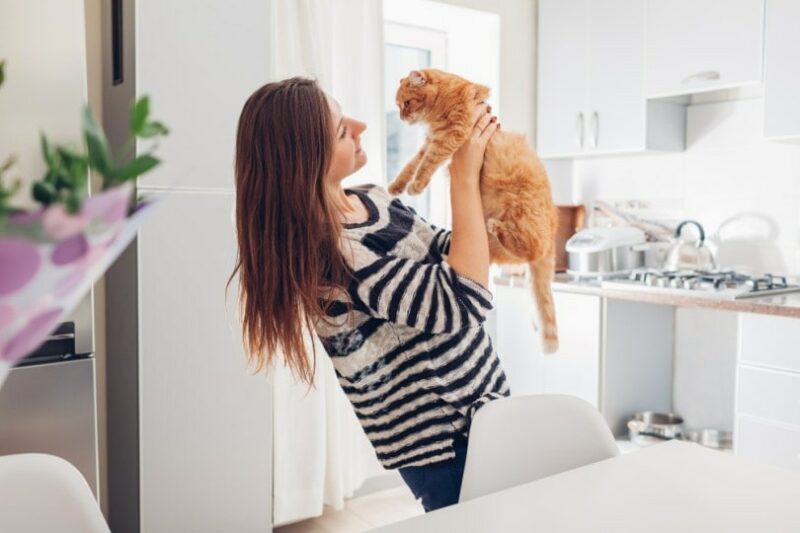
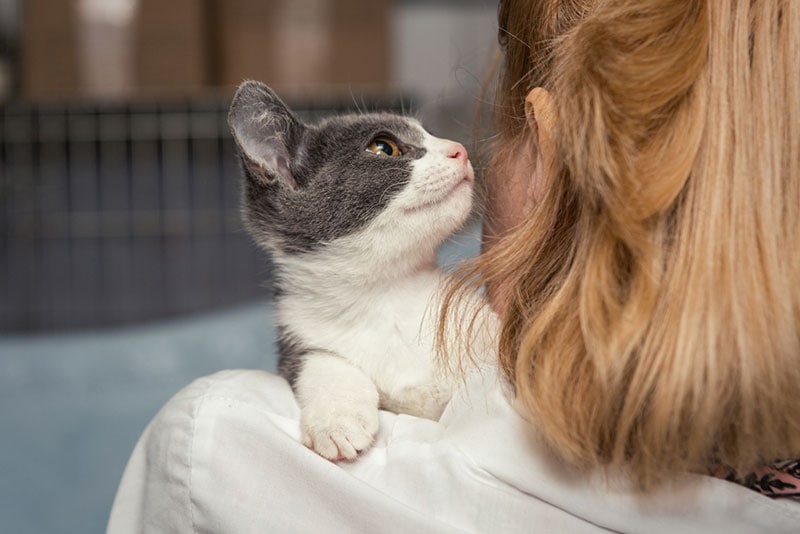
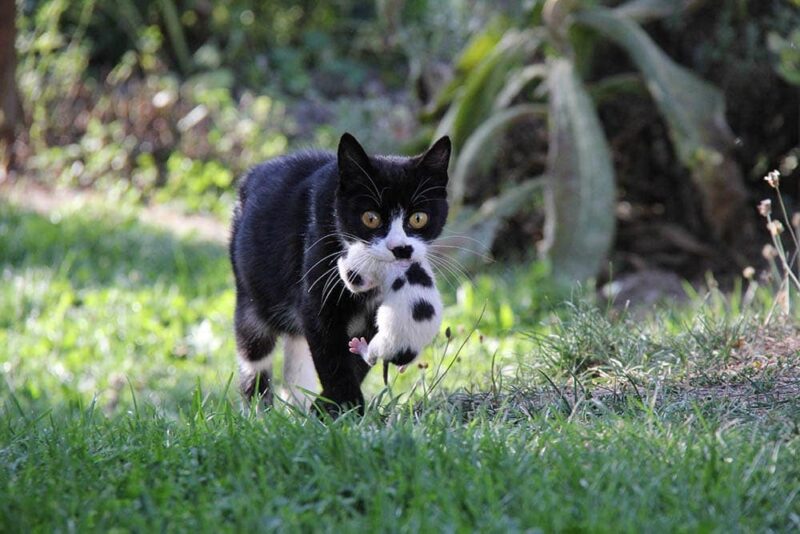
Once you’ve scooped your pet up, hold them close to your body so they feel safe and secure. Kittens should never be picked up by their legs, tails, or necks to prevent dislocated joints and broken limbs. Most cats and kittens dislike being picked up under their arms. Scruffing kittens is best left to their mothers.
3. Sit on the Floor
While kittens are often happy to be picked up, many don’t have the patience for hanging out and cuddling—there’s simply too much to explore. Because they can be so wiggly, it’s often a good idea to sit on the floor when picking up kittens; it’s safer if one squirms or decides to jump down. And sitting on the floor can make being approached and handled less intimidating for cats as you won’t be hovering over them.
4. Keep an Eye on Your Kitten’s Reactions
While it’s normal to want to get in a few more cuddles, it’s often best to follow your pet’s lead when interacting. Trying to cuddle kittens that aren’t interested can backfire and make pets less interested in hanging out with people. Kittens that aren’t happy being handled often cry and wriggle. Some even scratch as they try to get free. If your kitten becomes agitated after being picked up, put them down and give them time to allow their stress level to decrease.
5. Be Willing to Try Different Techniques
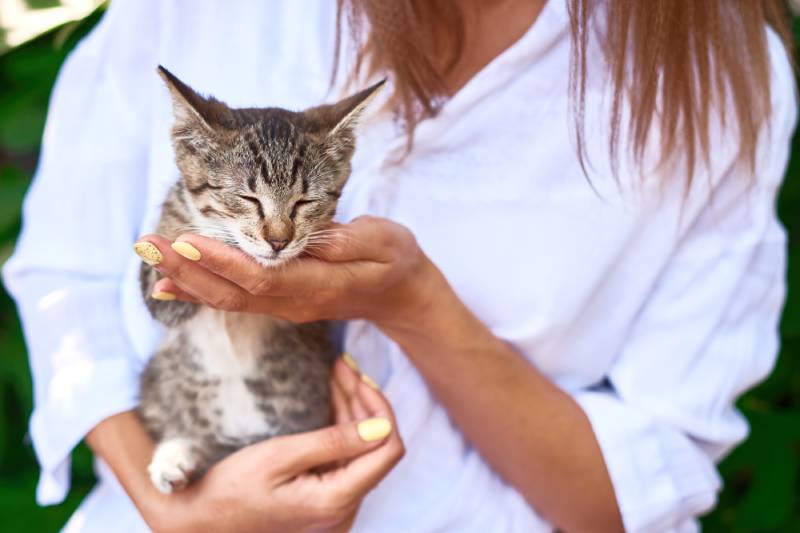
Kittens sometimes have specific preferences regarding being picked up and held. If your pet doesn’t respond positively to your approaches, try a different technique. It’s all about discovering what makes your kitten feel safe, comfortable, and loved. If they don’t seem interested in being picked up, consider tempting them with treats or a bit of wet food before getting started so your kitten looks forward to the interaction.
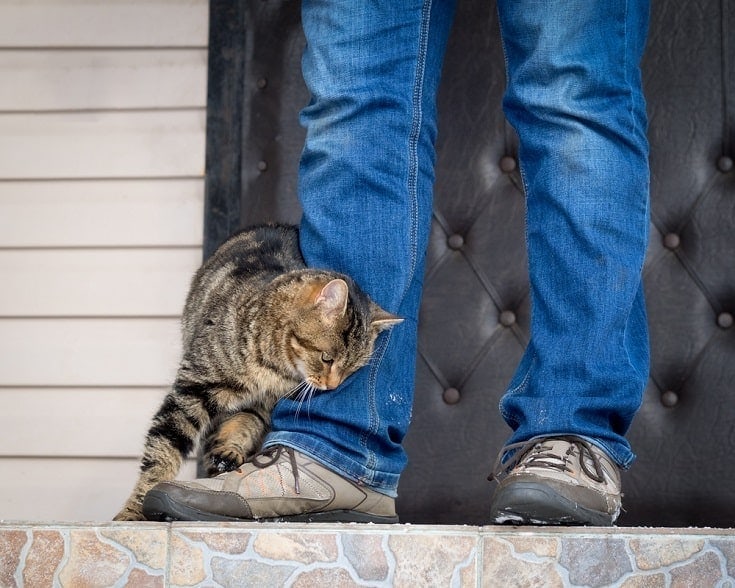
It is important to note that some cats have an affinity for higher perches and resting spots. They are sometimes known as shoulder cats because they tend to climb up to their owner’s shoulders once they’re picked up. It is normal for a kitten to try and climb up on your legs (they may think you’re a tree), so clothing to cover yourself is advised when handling a particularly young kitten who is still learning the ropes on how to properly interact with you.
If a kitten is climbing on you, do not try to pull them off, as this will instinctively make them dig their claws into you even deeper. Try to gently snuggle your kitten so that they feel secure enough to loosen their grip onto your clothes or skin.
6. Supervise Kids Around Kittens
Because kittens are so physically vulnerable, ensuring they’re being picked up in ways that won’t cause harm is critical. Young children who can’t consistently abide by safe-kitten handling guidelines should never be allowed to pick them up. Not only can improper handling injure kittens, but unhappy kittens are also more likely to react defensively and bite or scratch. Older children with experience around pets are often fine around kittens with a little guidance, but it’s a good idea to supervise interactions.

Are There Steps I Should Take Before Bringing My Kitten Home?
Yes! It’s vital to kitten-proof your new home before bringing your new buddy home. Drapes and tablecloths can be tempting for kittens to climb, and electrical cords and wires present kittens with serious chewing temptations. Consider tying drapes, removing tablecloths, and securing electrical cords in areas where your kitten will be allowed to roam.
Install simple child locks on cabinets that contain toxic items like cleaning products. Look at the plants you have at home and consider rehoming any that are toxic to cats. Not having toxic plants at home is usually the safest option, as cats and kittens often find ways to outsmart human safety plans. Also, don’t forget to invest in a carrier to transport your new companion safely. Look for products that can be securely fastened using a seat belt, or consider investing in an extension to ensure the carrier stays put in case of accidents or sudden stops.
Are There Things I Can Do to Make My Kitten More Comfortable When They First Arrive?
Kittens often do best when given lots of time to adjust to their new surroundings. Consider setting up a room for your new buddy to spend their first few days to allow them to get used to the sounds, smells, and rhythms of your home.
Ensure the room is comfortable and has everything your kitten needs to kick back and relax, including food and water bowls, a litter box, toys, and cozy places to nap. Please note that a comfortable room is not a substitute for human interaction.
You can purchase a kitten-sized cat tree and scratching post to elevate your buddy’s experience.
When your kitten arrives home, allow them to stay in the carrier until they’re ready to explore on their own. Leaving some tasty, good-smelling food nearby usually does the trick. Plan on spending a fair amount of time with your kitten when they first come home, as most are accustomed to having continual companionship. Once they appear comfortable and interested in exploring a bit more, it’s fine for kittens to explore kitten-proofed areas of your home. Regular interactions with kittens helps them socialize well and develop into secure, friendly adults.
Conclusion
Getting kittens accustomed to being picked up and handled is an integral part of feline socialization. Making the process comfortable for your cat goes a long way toward encouraging them to associate good things with being picked up. Use both hands to pick up your kitten; place one under their chest and the other under their bottom to support their hindquarters and legs.
Once you’ve lifted your kitten, bring them toward your chest to give them a sense of security. But let your buddy take the lead to ensure they don’t become stressed by the process. Keep in mind that it’s normal for kittens to wiggle and squirm to get free, even if they’re happy being picked up; they’re still in learning mode!
Related read: How To Take Care of a Newborn Kitten?
Sources
Featured Image Credit: Top Photo Engineer, Shutterstock
Get Hepper In Your Inbox


Pet care tips from our vets and experts, straight to your inbox.
You may opt-out at any time. View our Privacy Policy for more information.
Lorre Luther a reformed lawyer from the United States, she moved to the Netherlands to follow her dream and become a writer. Currently living in Rotterdam, Lorre enjoys traveling and reveling in the astonishing beauty of our planet. As an animal lover, Lorre is convinced that cats are smarter than humans.
Join the conversation
Ask a question, share your story, or send private feedback.